


At a glance
Turmeric contains curcumin, a natural compound with anti-inflammatory and antioxidant properties that may help ease discomfort linked to gout. Due to its bioactive properties, regularly including turmeric in your diet can be a useful addition to gout management.
Turmeric is a versatile aromatic spice that can be used for many purposes, including gout management.
The root of turmeric is a rich source of curcumin, a polyphenol with anti-inflammatory and antioxidant properties that may help alleviate uncomfortable symptoms associated with gout.
Let’s explore the advantages of turmeric for gout and discover how to incorporate this natural remedy into your health and wellness routine.
What is gout?
Gout is a type of inflammatory arthritis that can cause sharp pain, tenderness, and swelling in the joints. While it can occur in all joints, gout attacks most commonly affect the big toes, knees, and ankles.
This inflammatory condition has historically been referred to as a “rich man’s disease” because only the affluent could afford foods like meat and sugar, which are linked to elevated levels of uric acid and the development of gout.
Research published by StatPearls indicates that gout is caused by hyperuricemia, which is characterized by excessive uric acid concentrations in the body.
Uric acid is formed during the breakdown of dietary purines, an organic compound that’s naturally found in certain foods, such as organ meats, seafood, sugar, and yeast.
A diet high in purine-containing foods can lead to excess uric acid in the body, which can lead to the deposition of uric acid crystals in joint tissue. However, contrary to common belief, urate crystals aren’t the direct source of the painful effects of gout.
“White blood cells consider urate crystals as pathogens and mount an immune response,” explains Dr. Berg. “This triggers inflammation in the affected joint, resulting in classic gout symptoms.”
Watch the video below to learn how to get rid of gout inflammation fast.
3 benefits of turmeric for gout
Curcumin, turmeric’s bioactive ingredient, has been found to possess various medicinal properties that may assist in the management of gout.
Here are three advantages of consuming turmeric for gout.
1. Aids in pain management
Gout attacks typically occur suddenly and are accompanied by swelling, tenderness, and severe pain. Regularly incorporating turmeric into your diet may help alleviate and even prevent gout flares.
A study published in Foods found that curcumin may help alleviate joint pain by modulating inflammatory cytokines, which has been linked to lower inflammation.
The authors summarize, “Curcumin has received worldwide attention for its multiple health benefits, which appear to act primarily through its anti-oxidant and anti-inflammatory mechanisms.”
2. Promotes balanced inflammatory responses
There is evidence that individuals who regularly consume turmeric appear to be at lower risk of inflammatory conditions.
Evidence published by Medicina evaluated turmeric as an anti-gout agent and found that curcumin’s anti-inflammatory effects could help reduce the risk of gout and other chronic inflammatory diseases.
3. May reduce oxidative stress
In addition to its anti-inflammatory benefits, turmeric is also known to possess potential antioxidant properties that may be beneficial in gout management.
Gout attacks are associated with increased inflammation and oxidative stress, which can lead to cellular damage, discomfort, and slower tissue recovery. Turmeric’s antioxidants may help counter these effects, thereby supporting a more balanced oxidative environment.
It’s believed that curcumin stimulates the production and activity of various antioxidant enzymes that may help alleviate gout symptoms by combating free radicals and reducing oxidative stress.

How to use turmeric for gout relief
There are several ways to incorporate turmeric into your daily routine, such as using it as a spice to season your food, preparing turmeric paste, or consuming turmeric tea.
You can add ground turmeric powder, which is readily available in most supermarkets, to a variety of dishes, including curries, rice, soups, and stews.
Try dishes such as Turmeric Tofu Ketogenic Breakfast or Keto-Friendly Creamy Coconut Turmeric Soup to add this health-promoting spice to your meal plan rotation.
Curcumin is poorly absorbed, but combining it with black pepper and healthy fats, such as olive or coconut oil, can enhance its bioavailability and maximize turmeric’s health benefits.
Drinking turmeric tea or golden milk, a warm, traditional drink made from milk, turmeric, and other aromatic spices, is another excellent option to incorporate this powerful spice into your daily routine.
To make a turmeric paste, simmer turmeric powder in water until it thickens, then stir in ground black pepper and a small amount of coconut oil. You can add turmeric paste to warm milk, tea, soups, or smoothies for an easy and convenient daily anti-inflammatory boost.

Potential risks of turmeric
While turmeric consumption is generally considered safe and well-tolerated, it’s crucial to be aware that excessive intake may cause unwanted side effects.
Common symptoms associated with turmeric overuse include dizziness, nausea, stomach aches, and diarrhea.
Excessive turmeric intake can also contribute to increased bleeding due to its blood-thinning properties and may interact with anticoagulant drugs.
It’s recommended to consult a healthcare professional before taking large amounts of turmeric, especially if you have bleeding disorders, take blood-thinning medications, or have underlying health conditions.
Other natural gout remedies
Although turmeric can be an effective natural remedy to combat gout, using baking soda, eating celery, and following a ketogenic diet may also help prevent or lessen gout symptoms.
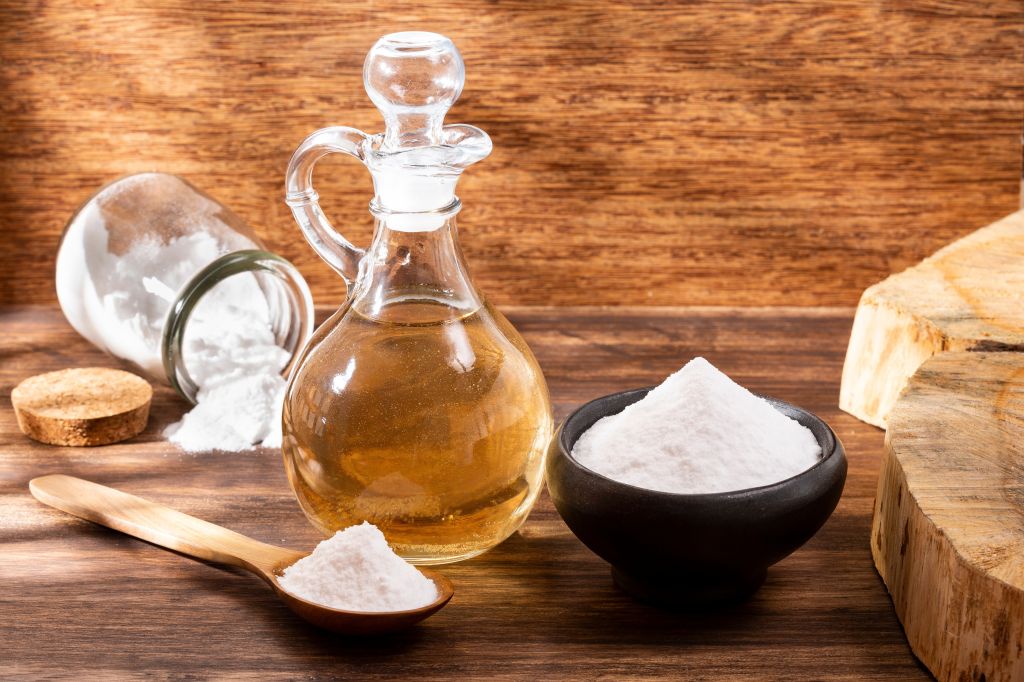
Baking soda may help reduce high uric acid levels and prevent the formation of crystals in joints, which are linked to painful gout attacks. However, while there’s plenty of anecdotal evidence of baking soda’s effectiveness for gout, there is insufficient scientific evidence to support its use.
Another natural solution with anti-gout properties is celery, as it offers anti-inflammatory and antioxidant compounds that may help ease gout-related symptoms.
Following a nutritious low-carb diet like Healthy Keto® is another way to potentially manage gout pain. This nutrient-rich, low-carb diet prioritizes high-quality ingredients that may help reduce inflammation and gout flares.
Research published in Nutrients confirms the benefits of a ketogenic diet for gout management, highlighting that the metabolic changes triggered by a low-carb diet help lower inflammation and alleviate urate crystal-induced gout flares.
Key takeaways
- Curcumin, a bioactive polyphenol in turmeric, may help manage gout symptoms by supporting a healthy inflammatory response and easing joint discomfort.
- Turmeric also provides antioxidant support, which can reduce oxidative stress during gout flares.
- Turmeric can be used to season a wide variety of dishes, enjoyed as a soothing turmeric tea, or made into a flavorful turmeric paste for cooking.
- Pairing turmeric with black pepper and healthy fats can improve curcumin absorption.
- Other natural remedies, such as eating celery and following a Healthy Keto diet, may further support gout management.
FAQ
- 1. Can turmeric reduce gout pain?
- 2. What is uric acid?
- 3. Does turmeric reduce levels of uric acid?
- 4. Can black pepper enhance the benefits of turmeric for gout?
Sources
- Christina George, Stephen W. Leslie, David A. Minter. Hyperuricemia. 2023. https://www.ncbi.nlm.nih.gov/books/NBK459218/
- Hewlings SJ, Kalman DS. Curcumin: A Review of Its Effects on Human Health. Foods. 2017;6(10). doi:10.3390/foods6100092 https://pmc.ncbi.nlm.nih.gov/articles/PMC5664031/
- Kiyani MM, Sohail MF, Shahnaz G, Rehman H, Akhtar MF, Nawaz I, et al. Evaluation of Turmeric Nanoparticles as Anti-Gout Agent: Modernization of a Traditional Drug. Medicina (Kaunas). 2019;55(1). doi:10.3390/medicina55010010 https://pmc.ncbi.nlm.nih.gov/articles/PMC6359362/
- Yingling Zhang, Simin Chen, Man Yuan, Yu Xu, Hongxi Xu. Gout and Diet: A Comprehensive Review of Mechanisms and Management. Nutrients. 2022;14(17):3525. doi:10.3390/nu14173525 https://pmc.ncbi.nlm.nih.gov/articles/PMC9459802
Related Articles
-
8 Unique Benefits of Turmeric Tea
 Nutrition
8 Unique Benefits of Turmeric Tea
At a glance Turmeric tea contains curcumin, a bioactive compound that offers anti-inflammatory and antioxidant effects that may support brain and heart health, improve digestion, help regulate weight, and strengthen…05/15/2026 4.4k views -
Natural Pain Relief: Lifestyle and Nutrition Tips
 Health concerns
Natural Pain Relief: Lifestyle and Nutrition Tips
At a glance Natural pain relief focuses on dietary and lifestyle strategies that help manage discomfort and pain. Factors such as a poor diet, stress, and sedentary habits can worsen…02/26/2026 3.9k views -
Does Turmeric Lower Blood Pressure? Curcumin for Hypertension
 Natural remedies
Does Turmeric Lower Blood Pressure? Curcumin for Hypertension
At a glance Turmeric may support healthy blood pressure thanks to its high concentrations of curcumin, which can help relax blood vessels, support nitric oxide production, and protect against oxidative…01/16/2026 5.9k views -
Natural Remedies for Glaucoma
 Health concerns
Natural Remedies for Glaucoma
At a glance Glaucoma is a progressive eye condition that can lead to vision loss. Adopting a beneficial diet and lifestyle strategies can help support eye health. Additionally, prioritizing key…04/09/2025 20.3k views -
8 Science-Backed Benefits of Turmeric
 Nutrition
8 Science-Backed Benefits of Turmeric
At a glance Turmeric is an exceptionally rich source of curcumin, a bioactive compound that delivers powerful antioxidant and anti-inflammatory effects linked to cardiovascular health, mental well-being, and cellular protection.…04/09/2025 18.1k views -
Cooking with Turmeric: Benefits and Easy Recipes
 Nutrition
Cooking with Turmeric: Benefits and Easy Recipes
At a glance Cooking with turmeric enhances the flavor, color, and nutritional value of meals while supporting digestive, immune, and brain health. This vibrant spice, rich in curcumin, is best…04/09/2025 5.2k views -
Top Causes of Inflammation and Natural Remedies
 Health concerns
Top Causes of Inflammation and Natural Remedies
At a glance Inflammation is a silent driver of many serious health conditions, and factors such as a poor diet, stress, metabolic imbalances, sedentary behavior, and inadequate sleep are major…04/08/2025 29.1k views -
The Best Mounjaro Alternatives – Natural Options to Consider
 Health concerns
The Best Mounjaro Alternatives – Natural Options to Consider
At a glance Mounjaro is a diabetes medication that supports weight loss by supporting blood sugar balance and suppressing appetite. However, this drug has been linked to health problems, including…04/08/2025 108.8k views -
Turmeric for Weight Loss – Can Curcumin Help You Burn Fat?
 Nutrition
Turmeric for Weight Loss – Can Curcumin Help You Burn Fat?
At a glance Turmeric is a vibrant spice that may be beneficial for weight loss. Its active compounds may influence how the body manages inflammation, fat burning, and energy balance,…04/08/2025 16.3k views -
Turmeric and Ginger Benefits for Sexual Health
 Health concerns
Turmeric and Ginger Benefits for Sexual Health
At a glance Turmeric and ginger are potent botanicals that have long been valued for their ability to support sexual and reproductive health. Their active compounds, curcumin and gingerol, help…04/08/2025 10.9k views


