

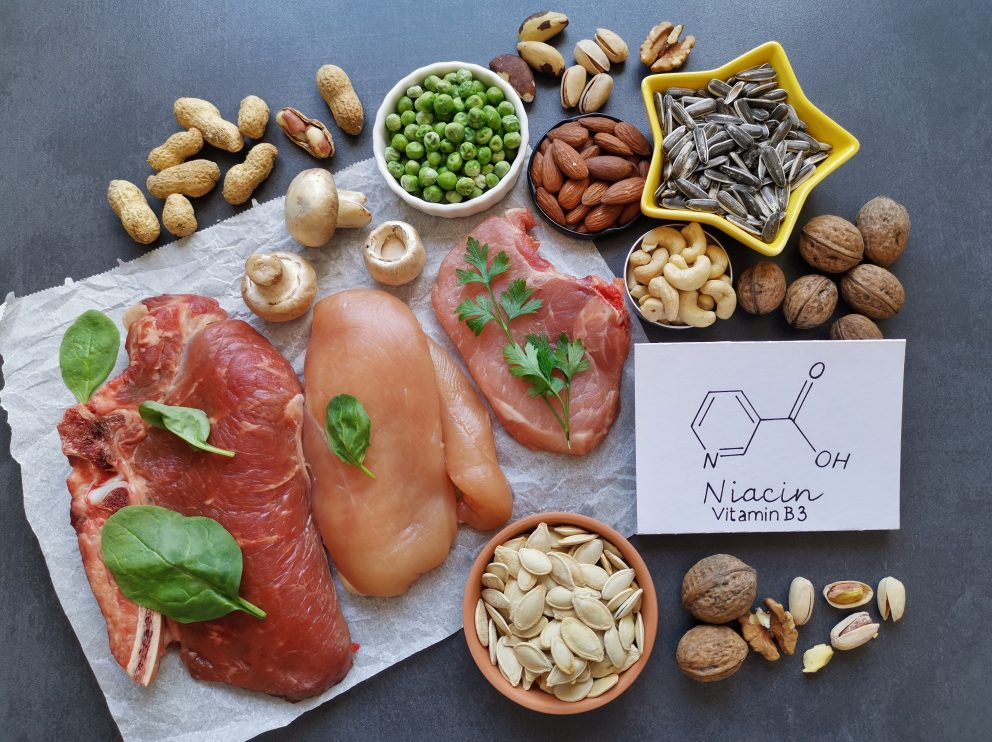
Niacin is a form of vitamin B3 that’s critical for energy production and cellular functions. Niacin deficiency can lead to various health concerns, ranging from mild metabolic imbalances to severe neurological conditions.
Learn how to recognize niacin deficiency symptoms and discover the best ways to replenish vitamin B3 naturally.
What is niacin?
Niacin is a water-soluble form of vitamin B3 vital for facilitating the conversion of food into usable energy. This essential B vitamin exists in two primary forms: nicotinic acid and niacinamide.
Niacin is a precursor to nicotinamide adenine dinucleotide (NAD+) and nicotinamide adenine dinucleotide phosphate (NADP+).
NAD+ and NADP+ are critical coenzymes involved in over 400 biochemical reactions in the body, including cellular energy production, DNA repair, gene expression, antioxidant defense, fatty acid metabolism, and neurotransmitter synthesis.
Although both nicotinic acid and niacinamide are forms of niacin, the word niacin typically refers to nicotinic acid on nutrition labels, as it was historically the first recognized and studied form of vitamin B3.
Nicotinic acid is well known for supporting cardiovascular health, as it is linked to improved cholesterol levels and healthy blood vessel function.
However, nicotinic acid is also known to cause niacin flush, a temporary reddening and warming of the skin caused by sudden blood vessel dilation.
In contrast, niacinamide doesn’t have the same vasodilatory effects as nicotinic acid and is often preferred in applications where cardiovascular benefits aren’t the primary focus.
Niacinamide is commonly used for cellular repair, skin health, and brain function and plays a key role in supporting immune function and reducing inflammation.
Watch the video below to learn about strange symptoms associated with niacin deficiencies.
The role of niacin in health
As a precursor to NAD+ and NADP+, niacin is essential for energy production, brain function, skin health, and cardiovascular support.
It’s also vital for mitochondrial function, where it helps facilitate the metabolism of carbohydrates, fats, and proteins to generate adenosine triphosphate (ATP), the cell’s primary energy currency.
In addition, niacin is crucial for neurotransmitter production, helping convert the amino acid tryptophan into serotonin and supporting dopamine production.
These two neurotransmitters are essential for regulating mood and cognitive function, which may explain why niacin deficiency can lead to mood disorders, anxiety, and even depression.
According to research published in Niacin the Real Story, “Niacin raises high-density lipoprotein, or good cholesterol, more than any known pharmaceutical, while simultaneously lowering total cholesterol, triglycerides and the most pathogenic form of cholesterol-associated lipoprotein, very low-density lipoprotein.”
Furthermore, evidence published in the American Journal of Cardiovascular Disease highlights niacin’s anti-inflammatory, anti-thrombotic, and antioxidant properties, contributing to its potential cardiovascular benefits.
Niacin also plays a significant role in DNA repair, cellular longevity, and reducing oxidative stress.
Niacinamide is known for its anti-inflammatory effects and is a key ingredient in many skincare formulations that aim to hydrate, protect the skin barrier, and regulate sebum production.
In a study published in Current Medicinal Chemistry, when combined with ultrasound treatment, niacinamide was found to have notable anti-aging effects, with results including improvements in skin appearance, firmness, elasticity, and reduced wrinkles.

Vitamin B3 deficiency symptoms
Niacin deficiency can lead to various symptoms. Early signs of a deficiency often include fatigue, digestive discomfort, dry or irritated skin, and mood changes.
Other common symptoms of niacin deficiency include:
- Nausea, vomiting, and abdominal pain
- Loss of appetite
- Dry, scaly skin
- Cracks at the corners of the mouth
- Photosensitivity dermatitis
- Weakness
- Mental exhaustion and brain fog
- Irritability
- Headaches
- Dizziness or fainting
- Loss of taste or smell
Altered sensory perception, such as words appearing to move when reading, unstable ground sensation when walking, or shifting images, can also indicate a severe deficiency.
Untreated niacin deficiency may progress into pellagra, a clinical niacin deficiency characterized by the four D’s: diarrhea, dermatitis, dementia, and death.
Information related to pellagra or other vitamin deficiencies should be discussed with a healthcare provider to determine suitability based on individual health needs.

What causes niacin deficiency?
Common causes of niacin deficiency include inadequate dietary intake, excessive alcohol use, digestive disorders, chronic inflammation, liver disease, certain medications, and increased physiological demands during pregnancy or illness.
“A diet high in refined carbohydrates can significantly deplete niacin as it forces your body to use B vitamins to process sugars and carbs and maintain energy balance,” explains Dr. Berg.
Even with adequate intake, these factors can impair the body’s ability to absorb, convert, or utilize vitamin B3, leading to secondary niacin deficiency and associated symptoms.
How to replenish vitamin B3
Correcting a niacin deficiency and supporting optimal vitamin B3 levels involves lifestyle adjustments and consuming niacin-rich foods.
Here’s how to replenish vitamin B3.
Natural sources of niacin
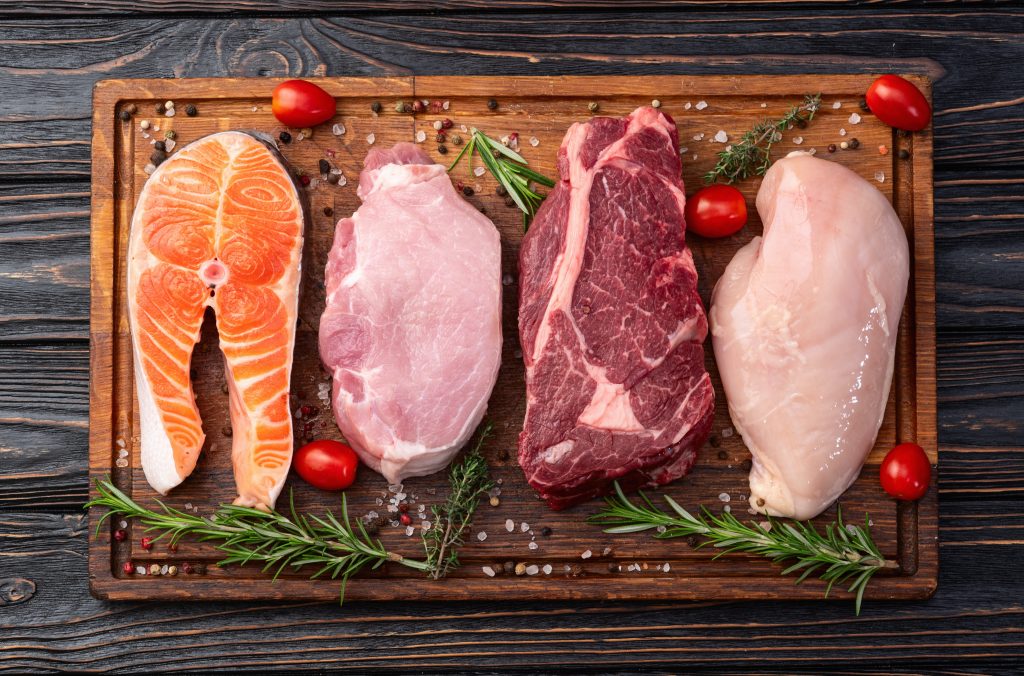
Niacin is most bioavailable and more easily absorbed if obtained from animal-based foods, such as liver, beef, chicken, turkey, and fish.
Plant-based sources of niacin include mushrooms, peanuts, avocados, sunflower seeds, and whole grains.
However, in many plant-based foods, niacin is often bound to polysaccharides, glycopeptides, or proteins, which can reduce its bioavailability. As a result, individuals following a plant-based diet may be more vulnerable to deficiencies in niacin and other B vitamins.
In fact, pellagra was historically common in populations that relied on unprocessed corn as a staple food. While corn naturally contains niacin, it’s bound to niacytin, making it biologically unavailable and poorly absorbed.
Fortunately, certain food preparation methods can enhance niacin’s availability. Techniques such as gemination through soaking and sprouting, fermentation, and light cooking help break down niacin-binding compounds, making it easier for the body to use.
Nutritional yeast and spirulina are two excellent natural sources of highly bioavailable plant-based niacin.

What is niacin flush?
Niacin flush is a temporary reaction that can occur after consuming large doses of nicotinic acid. It’s caused by the release of prostaglandins, which are signaling molecules that widen blood vessels and increase blood flow to the skin.
Niacin flush causes skin redness and tingling and can include itching, burning, sweating, or chills. It usually starts 15 to 30 minutes after taking nicotinic acid and lasts about an hour.
While some people enjoy the feeling of niacin flush, others may find it uncomfortable, especially at higher doses.
To help the body adapt and potentially reduce niacin flush symptoms, it’s recommended to start with smaller doses and gradually increase them over time. It’s also recommended to avoid combining zinc with nicotinic acid, which can exacerbate flushing.
It’s essential to consult a certified healthcare professional for personalized advice on how to support niacin deficiency safely and effectively.
Key takeaways
Niacin, also known as vitamin B3, is essential for energy production, brain function, skin health, and cardiovascular support.
Many factors can deplete vitamin B3, contributing to common niacin deficiency symptoms such as fatigue, cognitive impairments, sensory disturbances, and digestive issues.
Consuming whole foods rich in niacin is one of the best ways to prevent niacin deficiency naturally. It’s also helpful to limit processed foods, carbohydrates, and alcohol, as these can interfere with niacin utilization and may contribute to B-vitamin depletion.
FAQ
- 1. How do you know if you have niacin deficiency?
- 2. What are the 4 “D” symptoms of niacin deficiency?
- 3. What blocks niacin absorption?
- 4. Is a niacin flush dangerous?
- 5. How much niacin do I need each day?
- 6. What are the best sources of vitamin B3?
- 7. How can I raise my vitamin B3 levels quickly?
Sources
- Google Books. google.com. Accessed 2026. https://www.google.com/books/edition/Niacin_The_Real_Story_2nd_Edition/0JLuEAAAQBAJ?hl=en&gbpv=1&dq=b3+niacin+testing&pg=PT9&printsec=frontcover
- Bruckbauer A, Banerjee J, Cao Q, et al. Leucine-nicotinic acid synergy stimulates AMPK/Sirt1 signaling and regulates lipid metabolism and lifespan in Caenorhabditis elegans, and hyperlipidemia and atherosclerosis in mice. Am J Cardiovasc Dis. 2017;7(2):33-47. https://pmc.ncbi.nlm.nih.gov/articles/PMC5435603/#b5
- https://europepmc.org/article/med/39171587
Related Articles
-
6 Benefits of Vitamin E
 Nutrition
6 Benefits of Vitamin E
At a glance Vitamin E is a fat-soluble vitamin and a powerful antioxidant that protects cells against oxidative stress, free radical damage, and inflammation, all of which contribute to poor…07/03/2026 -
Nitric Oxide and Viagra: What’s the Connection?
 Health concerns
Nitric Oxide and Viagra: What’s the Connection?
At a glance Nitric oxide is a key signaling molecule that relaxes blood vessels, improves circulation, and supports sexual functions. Viagra works by prolonging the effects of nitric oxide, which…03/19/2026 5.9k views -
How to Get Rid of Toenail Fungus – 3 Natural Solutions
 Health concerns
How to Get Rid of Toenail Fungus – 3 Natural Solutions
At a glance Toenail fungus is a common nail infection often linked to environmental exposure to infectious microbes, nail injury, and poor metabolic or immune health. Natural topical solutions and…03/13/2026 33.6k views -
How to Kill Parasites: 7 Natural Tips
 Health concerns
How to Kill Parasites: 7 Natural Tips
At a glance Parasitic infections occur when worms or protozoa colonize the body, often through exposure to contaminated pets, food, or water. These organisms can interfere with digestion and other…03/13/2026 15.1k views -
HPV Skin Tags: Causes and What to Do
 Health concerns
HPV Skin Tags: Causes and What to Do
At a glance While both skin tags and warts can be linked to human papillomavirus (HPV), they differ in appearance and how they affect the body. Targeted dietary and lifestyle…03/13/2026 16.6k views -
4 Asthma Remedies to Try at Home
 Health concerns
4 Asthma Remedies to Try at Home
At a glance Asthma is a chronic inflammatory condition that narrows the airways and makes breathing difficult, especially during asthma attacks. While conventional care is often necessary, natural asthma remedies…03/06/2026 17.6k views -
Too Much Keto Weight Loss? What to Do If You’re Too Skinny
 Diet
DietToo Much Keto Weight Loss? What to Do If You’re Too Skinny
At a glance Keto weight loss often occurs rapidly during the early adaptation phase, primarily due to fluid loss rather than immediate fat reduction. While fat loss is expected, ongoing…03/06/2026 10.2k views -
How to Ease a Sore Throat Quickly Using Acupressure
 Health concerns
How to Ease a Sore Throat Quickly Using Acupressure
At a glance Acupressure offers a simple, hands-on approach to promoting physical comfort, which may help soothe sore throat pain. While it’s not a substitute for a medical evaluation, acupressure…02/27/2026 25.2k views -
What Causes Pale Colored Stool?
 Health concerns
What Causes Pale Colored Stool?
At a glance Pale-colored stool can be linked to low bile flow, low-fat diets, alcohol use, infections, or underlying liver, gallbladder, or pancreatic issues. Supporting gallbladder function through a nutritious…02/26/2026 14.9k views -
Can Low Vitamin D Cause Depression in Teenagers?
 Vitamins
Can Low Vitamin D Cause Depression in Teenagers?
At a glance Vitamin D is essential for brain health, and low levels in teenagers may increase the risk of depression. Insufficient sunlight exposure and poor dietary habits can contribute…02/26/2026 10.8k views


