

At a glance
While Tums may temporarily relieve heartburn, long-term use can disrupt digestion, affect nutrient absorption, increase the risk of infections, and may contribute to kidney stones and arrhythmia. Understanding these risks can help you make more informed decisions and consider safer alternative digestive support options.
Antacids such as Tums are designed to improve symptoms of acid reflux, heartburn, and indigestion by reducing stomach acid.
While antacids relieve symptoms temporarily, they only mask the underlying cause and can even worsen the problem over time.
Discover ten side effects of Tums and learn how to support gastric balance and optimal digestive functions with natural alternatives.
What are Tums?
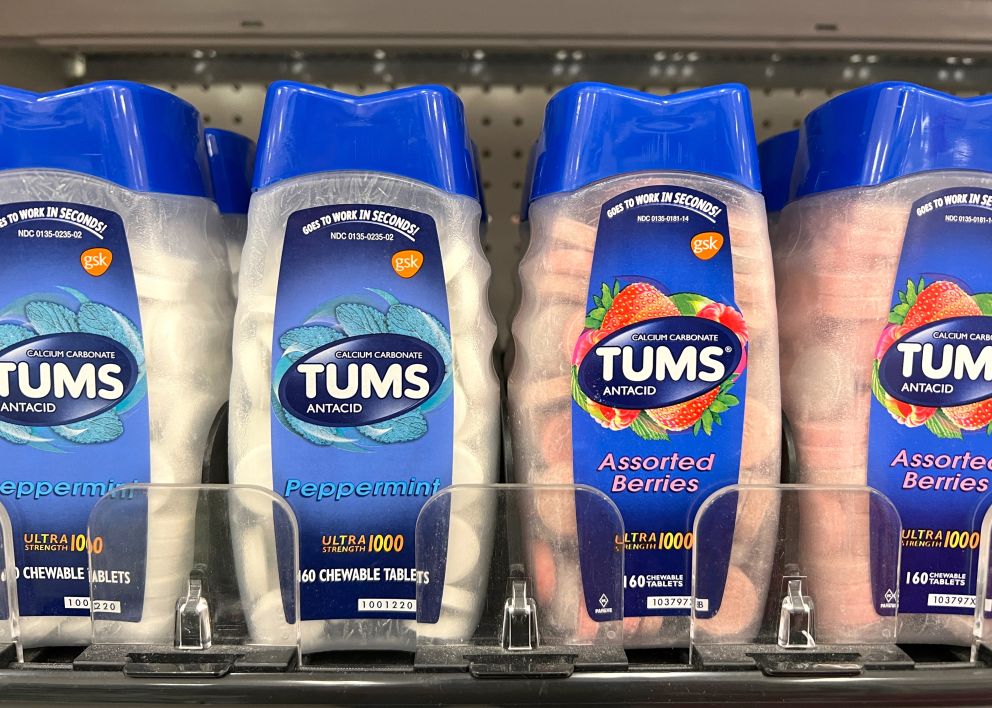
Tums, or calcium carbonate, is an over-the-counter medication used to manage heartburn, acid reflux, stomach cramps, gastroesophageal reflux disease (GERD), and stomach ulcers associated with excessive stomach acid.
Tums work by suppressing stomach acid, which can help manage the pain and burning sensations commonly experienced with gastric discomfort.
According to research published in StatPearls, “As an antacid, calcium carbonate neutralizes gastric acid by acting as a buffer in the stomach’s acidic environment.”
In addition to Tums, there are various other antacids such as potassium bicarbonate, aluminum hydroxide, magnesium hydroxide, magnesium carbonate, and sodium bicarbonate, also known as Alka-Seltzer.
Like Tums, these antacids may address the symptoms but not the root cause of heartburn or acid reflux, meaning they can exacerbate gastrointestinal problems in the long run.
Watch the video below to learn more about the potential side effects of Tums.
How does Tums affect digestion?
Tums increases the stomach’s pH levels, making it more alkaline than acidic. This can slow down or inhibit the release of bile acids and pepsin, which play crucial roles in digestive processes.
Due to their acid-lowering properties, antacids may help minimize damage to the esophagus caused by conditions such as GERD. Reduced stomach acid can also create an environment suitable for healing stomach ulcers.
While calcium carbonate can help improve symptoms of GERD and is often used to manage mild digestive issues, there’s some debate about its long-term effects.
Calcium carbonate has been shown to cause acid rebound, a response in which your body produces more acid after you stop taking antacids. This can make symptoms worse, resulting in a cycle of battling digestive discomfort with antacids like Tums.

10 side effects of Tums
Besides the risk of an allergic reaction to ingredients in Tums, numerous other side effects may result from the long-term use of antacids.
Here’s a list of ten possible side effects associated with Tums.
1. Increased urination
Tums can raise blood calcium levels, causing the body to deposit excess calcium into the kidneys to maintain normal blood levels.
This can result in more frequent urination, which can lead to electrolyte imbalances and muscle spasms.
2. Dehydration
Because Tums causes increased urination, its use can trigger or exacerbate dehydration.
Lack of adequate body fluids can lead to fatigue, headaches, a rapid heartbeat, and an increased risk of heat-related illnesses.
3. Constipation
Maintaining adequate stomach acidity is essential for proper food digestion. Tums lowers stomach acid, which can result in poor digestive processes and constipation.
4. Burping
Low stomach acid, often worsened by the use of Tums, can lead to partially undigested food remaining in the digestive tract.
Incomplete digestion can lead to increased bacterial fermentation, resulting in gas, increased pressure within the digestive tract, and belching.
5. Gas
Undigested food in the gut can disrupt the intestinal microbiome, increasing the risk of dysbiosis.
Dysbiosis is characterized by an imbalance between beneficial and potentially harmful gut microbes linked to various digestive disturbances, including gas.
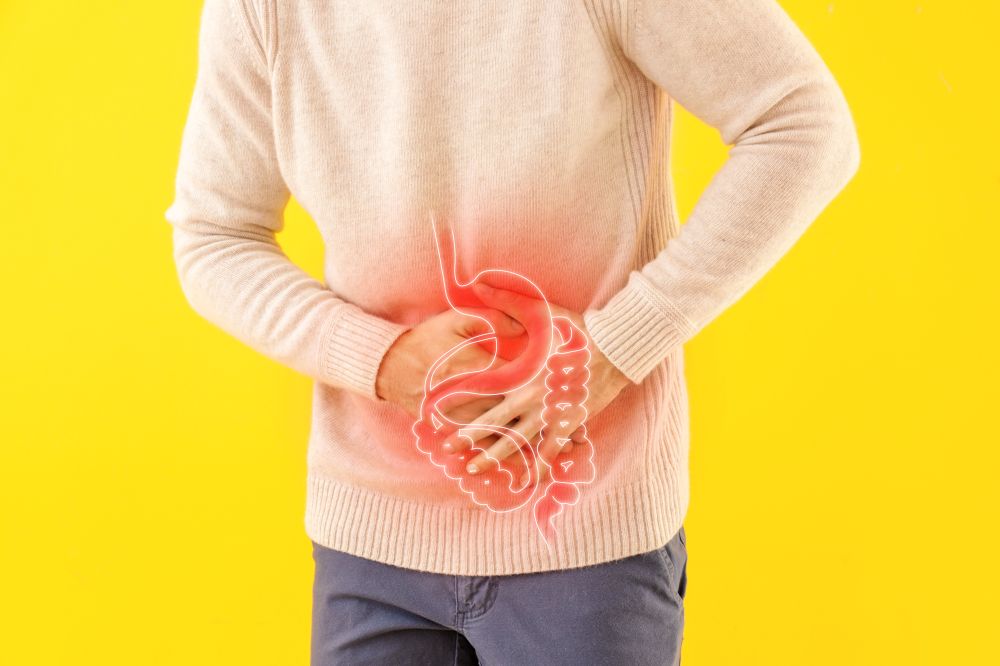
6. Abdominal pain
Regular intake of Tums and associated low stomach acid can increase the risk of intestinal infections and microbiome imbalances, such as small intestinal bacterial overgrowth (SIBO).
SIBO is linked to a wide range of digestive issues, including bloating and abdominal pain, due to excessive microbial fermentation in the small intestine.
7. Kidney stones
According to a study published in Translational Andrology and Urology, “Intestinal calcium absorption likely plays a role in kidney stone formation.”
Tums’ active ingredient is calcium carbonate, which may contribute to high calcium levels, a primary risk factor for kidney stones.

8. Mood disorders
Overuse of Tums may increase the risk of mood disorders, such as anxiety and depression.
“Lack of adequate stomach acid can negatively impact the absorption of amino acids,” explains Dr. Berg. “Amino acids play a crucial role in the production of mood-regulating neurotransmitters, such as serotonin and dopamine.”
9. Gastrointestinal infections
Low stomach acid increases susceptibility to stomach bugs and microbial infections.
Stomach acid is a first-line defense against potentially harmful microbes such as viruses and bacteria, and regular use of Tums can weaken the body’s ability to prevent intestinal infections.
10. Heart arrhythmia
Low stomach acid can impair mineral absorption, which increases the risk of deficiencies in essential electrolyte minerals such as potassium and magnesium.
Electrolytes are essential for healthy heart function, which explains why prolonged use of Tums can lead to irregular heartbeats.

Tums’ drug interactions
Antacids are a common over-the-counter medication used by approximately half of U.S. adults.
Many people assume it’s safe to take Tums, but calcium carbonate has been found to interact with a range of prescription drugs.
Tums has been found to interact with several medications, including:
- Thyroid medication
- Certain antibiotics
- Seizure medications
- Angiotensin-converting enzyme (ACE) inhibitors
- Antiarrhythmic drugs
- Gastroduodenal protective agents
- Non-nucleoside reverse transcriptase inhibitors (NNRTIs)
- Immunosuppressive drugs
Certain medications, including drugs containing ammonium chloride and methenamine, are expressly prohibited from use with Tums.
You can minimize the risk of side effects and drug interactions by consulting your doctor or pharmacist before taking Tums with other medicines.
In addition, it’s recommended to avoid Tums if you drink alcohol, as alcohol has been found to increase the risk of drug interactions between antacids and other pharmaceutical compounds.
Natural alternatives to Tums
There are various natural alternatives to Tums that can help increase stomach acid production without the risk of side effects or drug interactions.
Here are four natural alternatives to Tums.
1. Incorporate apple cider vinegar
Apple cider vinegar (ACV) has various health benefits, including balancing the stomach’s pH levels and supporting digestive functions, which is linked to improved gut health and a lower risk of acid reflux.
To use apple cider vinegar to promote digestion, mix one tablespoon of ACV with eight ounces of water and take it before or with meals.
2. Increase mineral-rich foods
You can support your digestion and reduce the need for digestive aids by consuming foods high in magnesium, zinc, and potassium.
Magnesium supports muscle function, which can help prevent abdominal spasms and constipation.
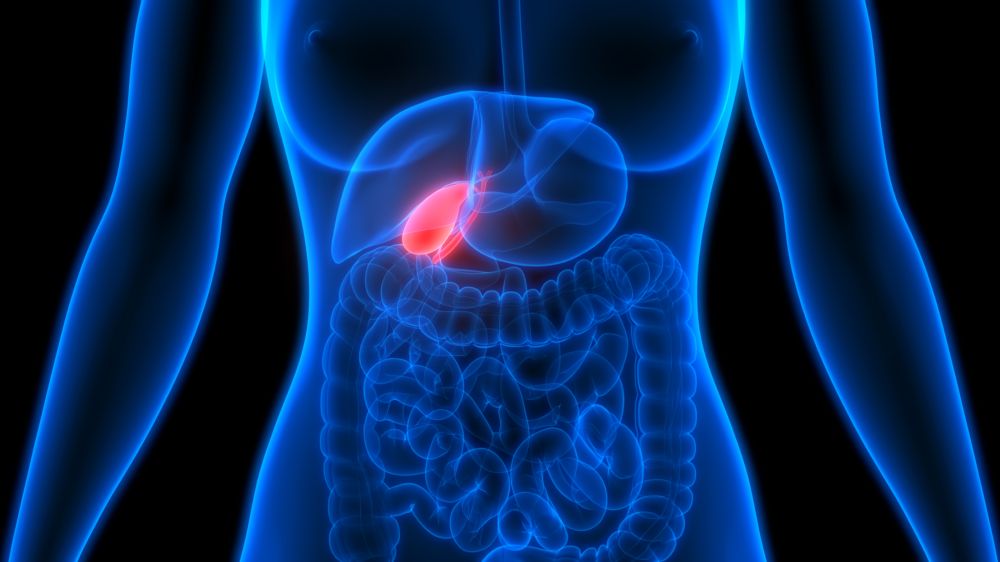
Zinc promotes adequate stomach acid production, and potassium supports gallbladder function, which is crucial for bile release.
Minimally processed whole foods such as nuts, seeds, seafood, and green leafy vegetables are all excellent sources of these digestive-supporting minerals.
3. Prioritize bitter green vegetables
A lack of adequate bile flow can negatively affect digestion and can cause deficiencies in fat-soluble nutrients, such as vitamins A, D, E, and K.
Regularly eating bitter greens, such as dandelion greens, arugula, and mustard greens, naturally stimulates bile production in the liver.
Maintaining optimal bile flow supports healthy digestion, promotes nutrient absorption, and can help manage and prevent common digestive issues like bloating, gas, and abdominal discomfort.
4. Promote a diverse microflora
Probiotics, especially lactic acid bacteria, play a significant role in maintaining optimal digestive health.
Consuming plenty of fermented foods such as sauerkraut, kimchi, miso, yogurt, and kefir promotes a diverse intestinal microflora crucial for overall digestive health and nutrient absorption.
This has been confirmed by research published in Nutrients, summarizing, “Probiotics, such as those found in yoghurt and fermented foods, promote a healthy balance of gut bacteria, thereby promoting a healthy gut environment and aiding digestion.”
Key takeaways
- Tums reduces stomach acid but can impair digestion and lead to gas, constipation, and abdominal discomfort.
- Long-term use may raise calcium levels, increasing the risk of kidney stones and electrolyte imbalances.
- Lower stomach acidity can heighten susceptibility to infections and affect mood-related neurotransmitter production.
- Tums interacts with several prescription drugs and should be used cautiously.
- Natural alternatives, such as ACV, supporting bile flow, foods rich in minerals, and probiotic-rich fermented foods, help support digestion without suppressing acid.
FAQ
- 1. What are the side effects of Tums?
- 2. What are the best natural alternatives to Tums?
- 3. Is it safe to take Tums every day?
- 4. Can Tums make acid reflux worse?
- 5. Can Tums cause high blood pressure?
- 6. How can I get rid of acid reflux quickly?
Sources
- https://www.ncbi.nlm.nih.gov/books/NBK562303/
- Sorensen MD. Calcium intake and urinary stone disease. Transl Androl Urol. 2014;3(3):235-40. https://pmc.ncbi.nlm.nih.gov/articles/PMC4708574/
- Herdiana Y. Functional Food in Relation to Gastroesophageal Reflux Disease (GERD). Nutrients. 2023;15(16):3583. https://pmc.ncbi.nlm.nih.gov/articles/PMC10458865/
Related Articles
-
6 Benefits of Vitamin E
 Nutrition
6 Benefits of Vitamin E
At a glance Vitamin E is a fat-soluble vitamin and a powerful antioxidant that protects cells against oxidative stress, free radical damage, and inflammation, all of which contribute to poor…07/03/2026 -
Nitric Oxide and Viagra: What’s the Connection?
 Health concerns
Nitric Oxide and Viagra: What’s the Connection?
At a glance Nitric oxide is a key signaling molecule that relaxes blood vessels, improves circulation, and supports sexual functions. Viagra works by prolonging the effects of nitric oxide, which…03/19/2026 5.9k views -
How to Get Rid of Toenail Fungus – 3 Natural Solutions
 Health concerns
How to Get Rid of Toenail Fungus – 3 Natural Solutions
At a glance Toenail fungus is a common nail infection often linked to environmental exposure to infectious microbes, nail injury, and poor metabolic or immune health. Natural topical solutions and…03/13/2026 33.6k views -
How to Kill Parasites: 7 Natural Tips
 Health concerns
How to Kill Parasites: 7 Natural Tips
At a glance Parasitic infections occur when worms or protozoa colonize the body, often through exposure to contaminated pets, food, or water. These organisms can interfere with digestion and other…03/13/2026 15.1k views -
HPV Skin Tags: Causes and What to Do
 Health concerns
HPV Skin Tags: Causes and What to Do
At a glance While both skin tags and warts can be linked to human papillomavirus (HPV), they differ in appearance and how they affect the body. Targeted dietary and lifestyle…03/13/2026 16.6k views -
4 Asthma Remedies to Try at Home
 Health concerns
4 Asthma Remedies to Try at Home
At a glance Asthma is a chronic inflammatory condition that narrows the airways and makes breathing difficult, especially during asthma attacks. While conventional care is often necessary, natural asthma remedies…03/06/2026 17.6k views -
Too Much Keto Weight Loss? What to Do If You’re Too Skinny
 Diet
DietToo Much Keto Weight Loss? What to Do If You’re Too Skinny
At a glance Keto weight loss often occurs rapidly during the early adaptation phase, primarily due to fluid loss rather than immediate fat reduction. While fat loss is expected, ongoing…03/06/2026 10.2k views -
How to Ease a Sore Throat Quickly Using Acupressure
 Health concerns
How to Ease a Sore Throat Quickly Using Acupressure
At a glance Acupressure offers a simple, hands-on approach to promoting physical comfort, which may help soothe sore throat pain. While it’s not a substitute for a medical evaluation, acupressure…02/27/2026 25.2k views -
What Causes Pale Colored Stool?
 Health concerns
What Causes Pale Colored Stool?
At a glance Pale-colored stool can be linked to low bile flow, low-fat diets, alcohol use, infections, or underlying liver, gallbladder, or pancreatic issues. Supporting gallbladder function through a nutritious…02/26/2026 14.9k views -
Can Low Vitamin D Cause Depression in Teenagers?
 Vitamins
Can Low Vitamin D Cause Depression in Teenagers?
At a glance Vitamin D is essential for brain health, and low levels in teenagers may increase the risk of depression. Insufficient sunlight exposure and poor dietary habits can contribute…02/26/2026 10.8k views


