

At a glance
Potassium is an essential mineral and electrolyte that supports nerve function, muscle contraction, heart function, and fluid balance. It also helps counter sodium’s effect on blood pressure.
Unfortunately, modern diets rely heavily on processed foods, creating a nutritional imbalance: too much sodium and too little potassium.
This combination makes the cardiovascular system work harder and raises the risk of high blood pressure, stroke, and heart disease.
So what is potassium good for? Discover this essential mineral’s wide-ranging health benefits, the warning signs of an imbalance, the best whole-food sources, and what to look out for when it comes to supplementation.
What potassium is and how it works
Potassium is the primary positively charged ion (cation) inside cells, holding roughly 98 percent of the body’s total supply. Its biological partner, sodium, sits mainly outside cells.
The contrast between the potassium ions inside and the sodium outside creates an electrical gradient across cell membranes.
To maintain this gradient, an enzyme in the cell membrane called the sodium-potassium pump constantly uses energy to move sodium out of cells and potassium into cells.
Magnesium serves as a cofactor for this pump. When magnesium is low, cells cannot retain potassium effectively, and the kidneys excrete more of it, which is why correcting potassium deficiency may also require addressing magnesium status.
The sodium-potassium pump enables several key bodily functions:
- Nerve signaling, as it helps maintain the electrical gradients needed for nerves to fire and send messages throughout the body.
- Muscle movement, because the pump supports contractions in skeletal muscles for locomotion, smooth muscles for digestion, and cardiac muscle for heartbeats.
- Fluid balance, as it helps regulate water movement in and out of cells.
Outside the cells, potassium works in opposition to sodium to help manage the cardiovascular system.
High sodium intake can raise blood pressure, while potassium prompts the kidneys to excrete excess sodium and helps blood vessel walls relax.
Because the heart is so sensitive to potassium, the body cannot afford to let levels fluctuate wildly. The kidneys tightly control potassium levels, constantly filtering the blood and adjusting how much potassium is flushed out in urine.
Hormones such as aldosterone and insulin also shift potassium in and out of cells.
This internal regulation helps keep blood levels within a narrow, safe range in healthy people, and it explains why kidney issues or certain medications can cause potassium levels to shift dangerously fast.
Watch the video below to learn why potassium is such an important electrolyte.
Potential health benefits of potassium
Beyond its basic roles in nerve and muscle function, potassium has been studied for its potential effects on different areas of the body.
Learn about five potential benefits of getting enough potassium.
1. Supports blood pressure management
A meta-analysis published in The BMJ found that increasing potassium intake lowers blood pressure, with the largest improvements seen in people with hypertension.
This may be due to potassium’s role in regulating sodium balance and promoting blood vessel relaxation.
2. May support the reduction of stroke risk
Higher potassium intake is associated with a lower risk of stroke for some individuals.
The association appears strongest when sodium intake is high, which is why the sodium-to-potassium ratio matters as much as total potassium intake.
3. May reduce kidney stone risk
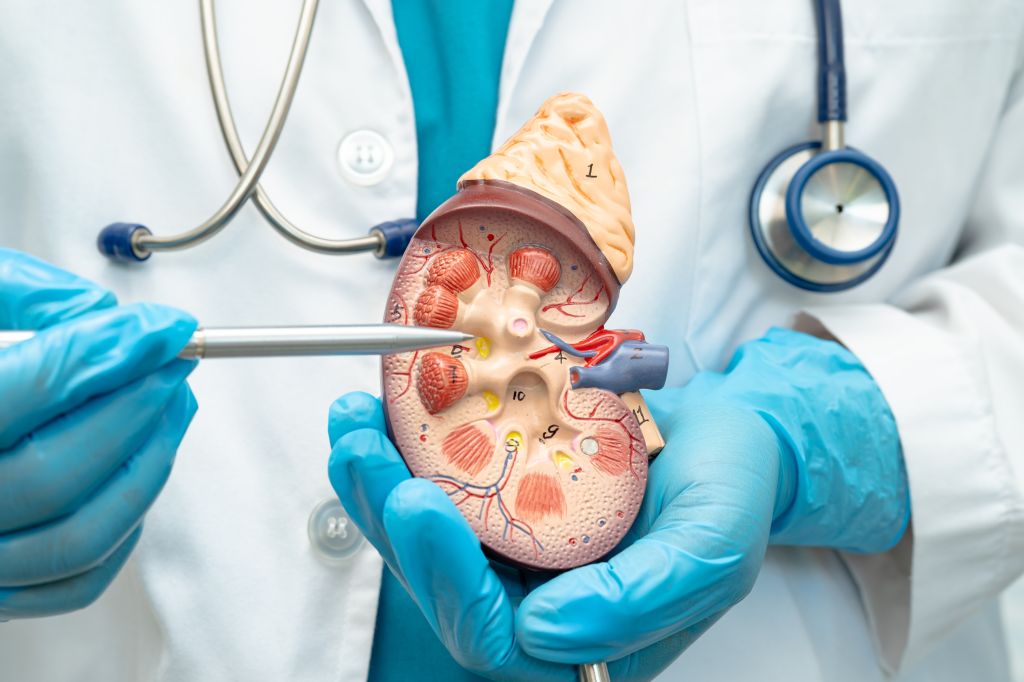
Higher dietary potassium is linked to a lower risk of calcium-based kidney stones.
One possible explanation is that potassium helps reduce the amount of calcium the kidneys release into the urine, leaving less available to bind into stones. Doctors also prescribe potassium citrate to prevent certain recurrent kidney stones.
4. Supports bone health
Diets rich in fruits and vegetables tend to be linked with better bone density. This is partly because potassium-rich foods reduce the body’s acid load and the amount of calcium lost in urine.
A meta-analysis in Osteoporosis International suggests alkaline potassium salts may reduce urinary calcium loss, but the evidence on bone density itself is mixed.
Potassium may support bone health as part of a nutrient-dense diet alongside adequate calcium, vitamin D, protein, and strength-building activities.
5. May aid blood sugar management
Potassium plays a role in how the pancreas releases insulin. A review published in Expert Review of Endocrinology & Metabolism found that potassium depletion reduces insulin secretion and impairs glucose tolerance.
While it is unclear whether extra potassium improves blood sugar in people who already get enough of it, low potassium levels may interfere with normal glucose regulation.

Dietary sources of potassium
When incorporated into a well-designed eating plan, whole foods can be an effective way to meet daily potassium needs.
According to guidelines published by the National Academies of Sciences, Engineering, and Medicine, the adequate intake levels for potassium are 3400 mg per day for adult men and 2600 mg for adult women. The Food & Drug Administration generally lists the recommended daily value for adults as 4700 mg.
Dietary sources with the most potassium include cooked beet greens (about 1300 mg per cup), avocados (about 975 mg per whole fruit), cooked spinach (about 840 mg per cup), and wild salmon (about 830 mg per 6-ounce portion).
Swiss chard, mushrooms, Brussels sprouts, beef, pumpkin seeds, almonds, flaxseeds, and hazelnuts are also strong sources of potassium.
“Because potassium is water-soluble, boiling vegetables leaches some of this mineral into the cooking water,” says Dr. Berg. “Steaming, roasting, or sautéing vegetables can help preserve more potassium.”
Potential signs of potassium imbalance
Because potassium drives nerve and muscle function, low levels show up in those systems first.
A drop in potassium levels is typically triggered by heavy fluid losses from prolonged vomiting or diarrhea, laxative overuse, certain kidney or hormonal disorders, certain diuretics, or low magnesium.
A mild deficiency often has no noticeable symptoms and is usually detected only through blood work. As levels drop further, you may notice some of the following symptoms:
- Persistent fatigue, muscle weakness, and leg cramping (though cramping on its own rarely points to low potassium)
- Constipation and bloating from slowed digestive tract function
- Tingling and numbness in the extremities
- Increased urination and constant thirst
When potassium levels drop below 3.5 mmol/L, a condition known as hypokalemia has developed. If you suspect you are suffering from hypokalemia, it is important to consult your doctor.
Severe hypokalemia can destabilize heart rhythm, causing palpitations or life-threatening arrhythmias that require immediate medical evaluation.

When to be cautious with potassium intake
If you suffer from chronic kidney disease (CKD), do not use potassium supplements or potassium chloride salt substitutes without medical supervision.
Reduced kidney function can impair the body’s ability to excrete excess potassium, increasing the risk of hyperkalemia.
It is also important to follow individualized dietary restrictions based on your doctor’s recommendations.
Common medications that raise potassium levels include angiotensin-converting enzyme inhibitors, angiotensin receptor blockers, and potassium-sparing diuretics.
Regular blood work with your healthcare team is essential for long-term safety.
Key takeaways
- Potassium is a key mineral for regulating vital functions throughout the body via the sodium-potassium pump.
- Maintaining adequate levels of potassium may support normal blood pressure, reduced stroke risk, lower kidney stone risk, aid bone health, and support blood sugar management.
- Healthy foods like avocados, leafy greens, and wild-caught salmon can serve as dietary sources of potassium.
- People with kidney disease should avoid modifying potassium intake without supervision from their doctor.
FAQ
- 1. Why can starting a ketogenic diet cause a sudden drop in potassium?
- 2. Is getting potassium from food sources different from supplements?
- 3. Can a standard blood test accurately detect low potassium?
- 4. Is it possible to get too much potassium?


