

At a glance
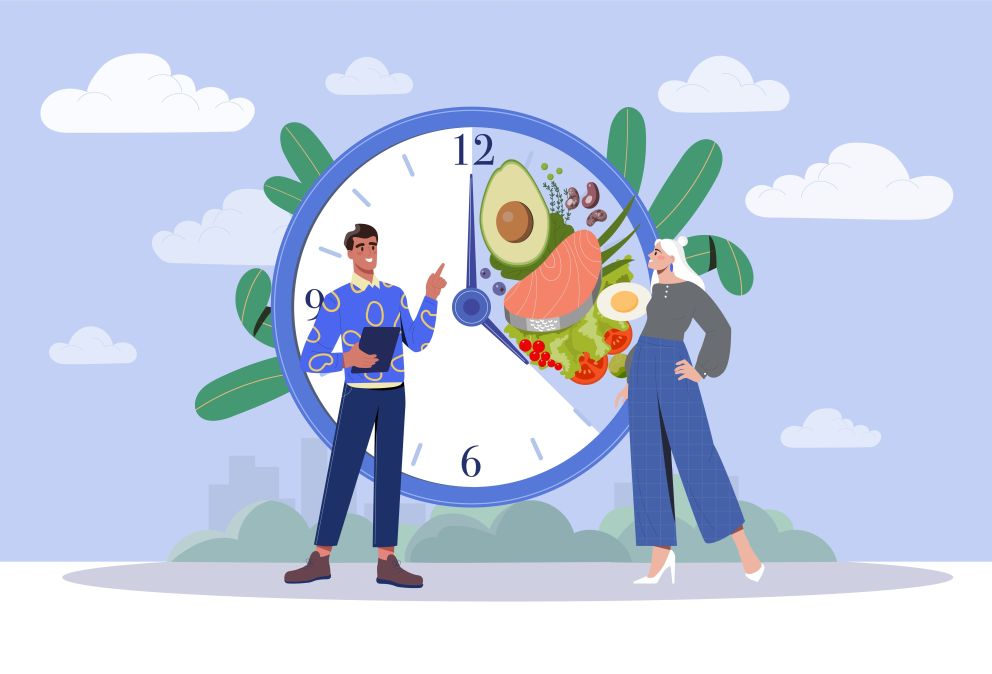
Time-restricted eating may be one of the most practical forms of intermittent fasting for busy workdays. When paired with the right dietary strategy, a consistent fasting schedule can support energy levels, mental clarity, and weight management. Earlier eating windows better align with circadian and metabolic rhythms, while later windows may better fit morning focus, evening work, social events, or family obligations.
The workday is when focus and productivity matter most. Yet it’s also when quick snacks, office treats, and sugary coffees can trigger midafternoon crashes and derail your health goals. This is why many people are drawn to the idea of fasting while working.
With the right approach, fasting can help reduce unconscious grazing and support steadier energy levels, improved mental clarity, and meaningful weight loss.
Learn how to choose an eating window that fits your work schedule and discover simple strategies to make fasting on workdays feel more comfortable and sustainable.
Benefits of fasting on workdays
Extending the time between eating periods can help promote insulin sensitivity and glucose regulation. By limiting eating windows throughout the day, individuals may reduce frequent blood sugar spikes and crashes that can contribute to mental fog, afternoon slumps, and weight gain.
When combined with a nutritious low-carb diet, fasting may also support the body’s natural shift toward using ketones, an efficient energy source for the brain and body. This metabolic switch may help support mental clarity and weight management.
In addition, a structured workday can make fasting easier to maintain by establishing clear lifestyle boundaries. Reducing food-related distractions and limiting unplanned snacks or social eating may help you stay more consistent with both your professional and wellness goals over time.
The two main types of fasting
Most fasting methods fall into two categories: intermittent fasting and prolonged fasting.
Intermittent fasting covers shorter cycles, generally lasting several hours to about a day, performed daily or weekly. These include time-restricted eating (TRE), one meal a day (OMAD), alternate-day fasting, the 5:2 method, and “Eat Stop Eat” method.
Prolonged fasting involves longer fasting periods of 24 to 72 hours or more, which can help create deeper metabolic shifts but require more planning around hydration and electrolytes.
For most working adults, daily TRE is the most realistic starting point. It concentrates food into a set eating window each day and adapts easily to working hours, a predictable lunch break, and the occasional evening event.
Watch the video below to learn essential tips for intermittent fasting.
How to choose your eating window
“Not all eating windows affect your body in the same way,” explains Dr. Berg. “The timing of when you eat, not just how long you fast, can meaningfully influence your hormones, circadian rhythm, and how you feel during the workday.”
Earlier eating windows
According to research published in BMJ Medicine, breaking a fast in the morning or early afternoon may help maximize the metabolic health benefits of time-restricted eating compared with later eating windows.
While all TRE is associated with improved metabolic outcomes, early TRE was linked to lower body weight and fasting insulin compared to late TRE. This may be linked to the body’s naturally increased insulin sensitivity in the morning.
A review published in Nutrients also highlights the potential benefits of aligning meals with the body’s natural circadian rhythms, noting that it may help keep key hormones that regulate sleep, stress, and metabolism on schedule.
The researchers stated, “Early TRE…may allow for greater alertness in the morning as the lower levels of cortisol at night can improve sleep quality and higher morning cortisol raises alertness, optimizing wakefulness and productivity.”
The downside is that early TRE requires you to eat your last meal around 5 p.m., which may not be realistic for those with social dinners, after-work events, or late work shifts.
Later eating windows
Later eating windows often fit more naturally around the typical lunch break and evening family life, and many people find that fasting through the morning supports stable focus during peak working hours.
However, the challenge is that later meals can keep your digestive system active into the night, which may make it harder to fall asleep and stay asleep. In addition, insulin sensitivity is naturally lower in the evening, so late meals can lead to a higher blood sugar response, which may contribute to sleep disruptions and metabolic imbalances.
Research published in Nutrients highlights that eating too late in the evening has been associated with impaired glucose tolerance, increased fat storage, and an elevated risk of metabolic disorders.
For this reason, it’s recommended that those who prefer a later mealtime finish their last meal during daylight hours, ideally at least 2 to 3 hours before bedtime, to support better sleep, hormonal rhythms, and metabolic health.

6 tips for fasting while working
Fasting during a busy workweek is easier when the routine is supported by healthy lifestyle habits.
Let’s explore six tips to help make fasting at work more sustainable.
1. Stay properly hydrated
Fasting prompts the body to burn stored glycogen, and because each gram of glycogen holds three to four grams of water, this can lead to shifts in fluid and essential electrolytes—especially sodium and potassium—contributing to increased thirst, low energy, or minor muscle discomfort.
To stay hydrated and support proper fluid and electrolyte balance, it’s recommended to drink plenty of water and to prioritize mineral- and water-rich foods during meals, such as leafy greens, avocados, or bone broth.
For those with active schedules, incorporating a high-quality, zero-calorie electrolyte drink throughout the day can also be an effective way to support hydration.

2. Manage stress and protect your sleep
If sleep is poor or stress is unusually high, it can make it significantly more challenging to adhere to your fasting goals, especially during a demanding work shift.
A study published in the Annals of Internal Medicine found that sleep restriction significantly increased hunger and appetite, especially for calorie-dense, high-carbohydrate foods, while simultaneously lowering the satiety hormone leptin.
Elevated cortisol levels from stress are also associated with increased hunger and food cravings.
By prioritizing a consistent sleep routine and sleep hygiene, along with stress management techniques, such as deep breathing or taking walks in nature, you can support more stable hormone regulation, which may make it easier to stick with your fasting routine.
3. Prioritize whole foods
If your body doesn’t get the right nutrients, it can trigger strong hunger signals that make it harder to stick to your fasting schedule.
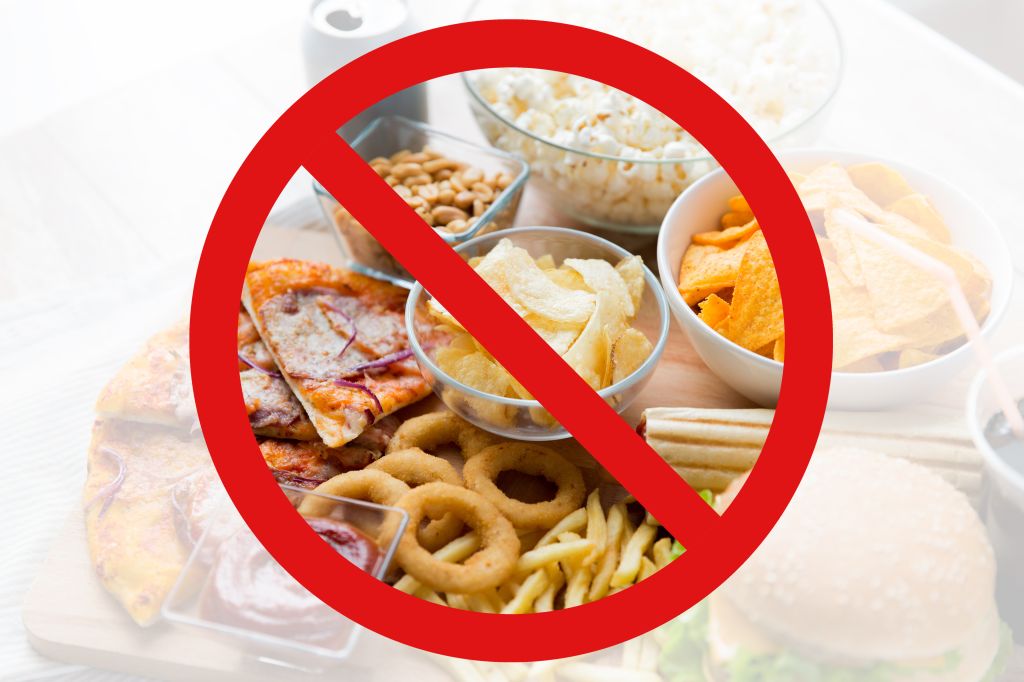
Meals built around nutrient-dense foods are far more satisfying and likely to prevent hunger pangs than refined starches and processed snacks, which are engineered to be easily overeaten.
Protein is particularly important for satiety. A review published in Philosophical Transactions of the Royal Society B: Biological Sciences on the protein leverage hypothesis suggests that when an individual falls short of their daily protein needs, the body may drive up appetite as it searches for essential amino acids.
4. Break your fast strategically
Even the order in which you eat certain foods can shape your blood sugar response and how satisfied you feel after your meals.
Eating isolated carbohydrates before protein and vegetables can lead to higher post-meal blood sugar and insulin levels than starting with whole-food protein and fiber-rich vegetables, which typically digest more slowly and are often more satiating.
This is why it’s often recommended to eat protein and vegetables first, then include healthy carbohydrates, ideally alongside acidic foods such as vinegar-based dressings, lemon juice, or fermented vegetables, to help support steady digestion.

5. Practice a Healthy Keto® diet
Carbohydrates can trigger sharp swings in blood sugar and insulin, which can delay or diminish some of the metabolic benefits of fasting. This is why it can be highly beneficial for an individual’s overall health to pair intermittent fasting with a quality-focused, low-carb diet, such as Healthy Keto.
Healthy Keto focuses your eating window around nutrient-dense, low-carb, whole foods. This includes wild-caught fish, grass-fed meat, pasture-raised eggs, non-starchy veggies, avocados, and healthy fats like extra-virgin olive oil.
A study published in Nutrition & Metabolism evaluated older, sedentary, overweight adults and found that those who consumed a low-carb, high-fat meal before fasting hit clinical nutritional ketosis in about 12 hours on average. In contrast, those who had a high-carb, low-fat meal with the exact same number of calories failed to reach ketosis at any point during the 24-hour fast, on average.
6. Walk after you eat
Even with fasting and a healthy diet, any meal can cause a mild rise in blood sugar and a post-meal slump, depending on individual metabolism.
A 10- to 15-minute walk after eating helps your muscles use glucose for energy, which may support steadier afternoon energy and help curb cravings.
Key takeaways
- With the right strategy, fasting on workdays can support energy, focus, and weight-loss goals.
- Daily time-restricted eating may be a more sustainable fasting approach for most working adults.
- Breaking your fast with adequate amounts of protein and vegetables rather than refined carbs helps keep energy stable and prevents blood sugar spikes, which can drive food cravings.
- Maintaining proper hydration, making supportive food choices, prioritizing quality sleep, managing stress, and walking after meals can all help improve how you feel while fasting.
FAQ
- 1. Can I drink coffee while fasting?
- 2. Will fasting at work hurt my energy or focus?
- 3. What is the easiest way to start fasting for a beginner at work?
- 4. Is the Warrior Diet a good option for fasting at work?
Sources
- https://pubmed.ncbi.nlm.nih.gov/41586347/
- https://pmc.ncbi.nlm.nih.gov/articles/PMC8399962/
- https://pmc.ncbi.nlm.nih.gov/articles/PMC12252119/
- https://www.acpjournals.org/doi/10.7326/0003-4819-141-11-200412070-00008
- https://royalsocietypublishing.org/rstb/article/378/1888/20220212/109343/
- https://pmc.ncbi.nlm.nih.gov/articles/PMC11998415/


