


At a glance
A 72-hour fast shifts the body toward greater reliance on stored fat and changes how nutrients are handled when eating is resumed. Reintroducing food afterward can affect digestion, fluid balance, and post-meal metabolism, making the transition an important part of prolonged fasting. Certain individuals may need medical guidance before attempting an extended fast.
After a 72-hour fast, the digestive system has been without food for an extended period, making the type and amount of food you eat especially important when reintroducing meals.
Starting with smaller portions of nutrient-dense, easily digestible foods can help the digestive system adjust gradually while supplying protein, healthy fats, vitamins, and minerals.
Choosing gentle foods and avoiding highly processed or sugar-rich meals can make the transition back to regular eating more comfortable.
What is a 72-hour fast?
A 72-hour fast is a type of prolonged fasting that involves avoiding caloric foods and beverages for three consecutive days.
Unlike shorter intermittent fasting diet schedules, this extended period without food produces more substantial changes in how the body obtains and uses energy.
During the early stages of fasting, the body uses available glucose and begins drawing primarily on glycogen stored in the liver.
As glycogen stores decline and insulin levels remain low, the body increasingly releases stored fatty acids and produces ketones, shifting toward greater reliance on fat as an energy source.
Evidence published in the Journal of Applied Physiology found that after a 72-hour fast, healthy men burned more fat and less carbohydrate for energy than after a 13-hour overnight fast.
Because a 72-hour fast extends well beyond a typical daily fasting window, gradually reintroducing small portions of easy-to-digest foods can help support the transition back to regular eating.
Watch the video below to learn what happens to your body when you fast for 72 hours.
Potential benefits of fasting
Fasting may offer metabolic health benefits by altering how the body uses stored energy.
A study published in iScience found that overweight and obese young adults following a six-hour early eating window for eight weeks experienced reductions in body weight, systolic blood pressure, mean glucose, fasting insulin, and insulin resistance compared with controls.
Fasting is also being studied for its potential relationship with heart health, chronic diseases, and healthy aging, although outcomes can vary depending on the approach and individual health status.
Prolonged fasting may require medical supervision for those with certain health conditions or who regularly take medications.

How to safely break a 72-hour fast
When eating again after a prolonged fast, take your time rather than rushing through the first meal.
Eating slowly and chewing thoroughly can help you recognize fullness and notice any digestive discomfort as your body adjusts.
Hydration also remains important as you return to eating. Continue drinking water throughout the day and maintain adequate electrolyte intake, particularly sodium, potassium, and magnesium, which support fluid balance, nerve signaling, and normal muscle function.
As you resume your normal eating pattern, avoid consuming excessive amounts of food or fluids at once and allow time between meals to assess how well they are tolerated.
Pay attention to symptoms such as nausea, bloating, abdominal discomfort, weakness, or dizziness as your body adjusts.
People who are underweight, malnourished, have experienced significant recent weight loss, or have certain medical conditions should seek medical guidance before attempting prolonged fasting or reintroducing food afterward.

Five best foods to eat after a 72-hour fast
The foods you choose after a fast can affect how smoothly your body adjusts as nutrients are reintroduced.
Here are some of the best foods to consider when breaking a 72-hour fast.
1. Bone broth
Bone broth can be a simple first-meal option because it provides lean protein and fluid. It can also provide some electrolytes by replenishing part of the minerals lost during an extended period without food.
Choose varieties without added sugars or unnecessary starches, and consider broth a starting point rather than a complete meal.
As appetite returns, it can be followed by more substantial foods containing complete protein, healthy fats, and vegetables.
2. Eggs
A review published in The Journal of Poultry Science found eggs to be a “highly nutritious food and an excellent source of carotenoids, lutein and zeaxanthin, which contribute to antioxidant defenses and ocular health.”
These qualities make eggs a simple, well-rounded option for the first meal after a fast. They’re especially suitable when prepared using methods such as poaching, soft boiling, or light scrambling. Avoid any breading or high-carb coatings that can make the meal heavier.
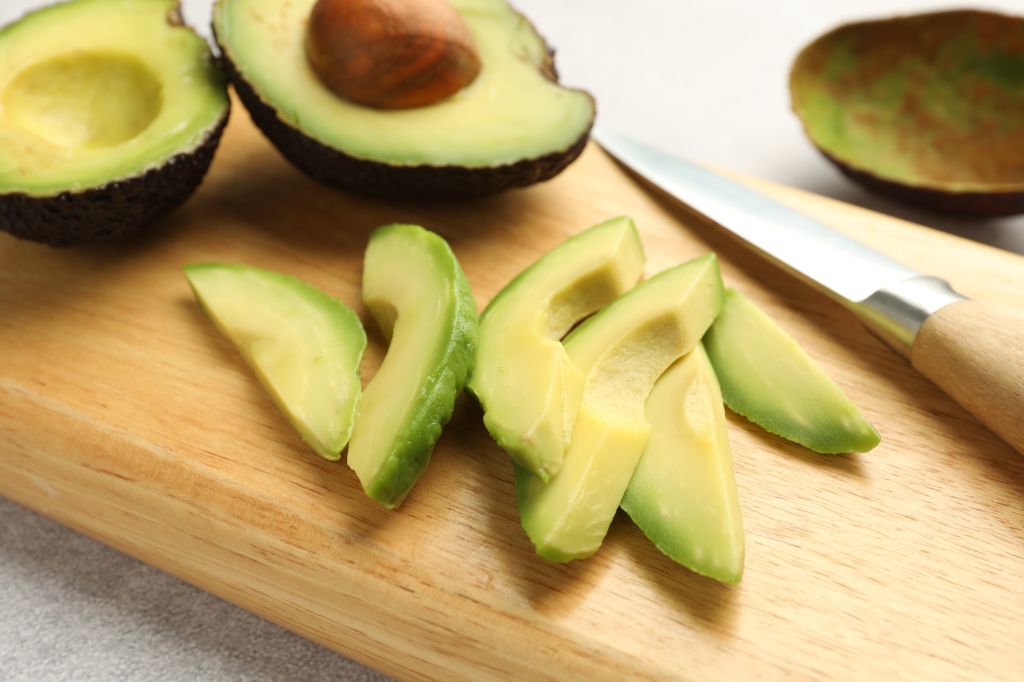
3. Avocado
“Avocado provides monounsaturated fats, fiber, potassium, and other micronutrients while remaining relatively low in carbohydrates,” explains Dr. Berg.
Its nutrient profile makes a few slices a practical addition to eggs, fish, or cooked vegetables when eating resumes.
If your digestion feels sensitive after fasting, start with a small portion and increase the serving as tolerated.
4. Cooked non-starchy vegetables
Well-cooked vegetables such as zucchini, spinach, asparagus, mushrooms, or cauliflower can add vitamin C, potassium, folate, and fiber to meals.
Cooking also softens the physical structure of vegetables, which can make them easier to chew and incorporate into a light first meal. Steaming, simmering, or lightly sautéing vegetables keeps preparation simple while avoiding heavily processed foods such as packaged sauces and deep-fried options.
Heavily processed foods can significantly increase intake of refined carbs, added sugars, and excess fat, which can contribute to feelings of heaviness or digestive discomfort.
5. Plain yogurt or kefir
Plain, unsweetened yogurt or kefir can supply easily digestible protein, calcium, and naturally occurring live cultures, making them a gentle option when reintroducing foods after a prolonged fast.
These fermented dairy products contain lactic acid bacteria strains that may help support gut health as digestion resumes.
Opt for plain versions without added sugars, sweeteners, or flavored additives, and begin with a small portion to assess tolerance, especially if you aren’t accustomed to dairy-based or fermented foods.

What to avoid after a 72-hour fast
Certain foods and drinks can place a greater demand on the body’s digestive system or metabolism immediately after an extended period without food.
Foods that are very rich, high in rapidly absorbed carbs, or more likely to cause gastrointestinal irritation are better left until normal eating is well established.
Here are foods and drinks to avoid when first breaking a 72-hour fast:
- Alcoholic beverages
- Sugary desserts and sweetened drinks
- Refined breads and pastries
- Deep-fried or greasy foods
- Large portions of raw vegetables
- Carbonated beverages
- Very spicy foods
- Large, heavy meals
Common side effects after breaking a prolonged fast
Temporary digestive changes such as gas, early fullness, constipation, or loose stools can occur as regular eating resumes.
More serious complications are uncommon after a 72-hour fast in otherwise well-nourished individuals.
However, people who are malnourished or have significant electrolyte deficiencies may be at risk for refeeding syndrome, which can cause dangerous shifts in phosphate, potassium, and magnesium.
You should seek medical attention for severe weakness, confusion, breathing difficulty, swelling, or an irregular heartbeat.

Who shouldn’t attempt prolonged fasting?
Prolonged fasting periods may not be appropriate for everyone, particularly those with certain medical conditions or increased nutritional needs.
According to the National Institutes of Health, individuals who are pregnant or breastfeeding, take insulin or other diabetes medications, use medications that must be taken with food, or have seizure disorders should consult a healthcare provider before fasting.
Children, adolescents, and those with a history of eating disorders may also require additional precautions and the guidance of a healthcare professional when considering prolonged fasting.
Key takeaways
- A 72-hour fast causes the body to rely more heavily on stored fat for energy, making gradual food reintroduction important once the fast ends.
- Bone broth, eggs, and plain yogurt or kefir are nutrient-dense options to consider when breaking a prolonged fast.
- Alcohol, sugary foods and drinks, and large, heavy meals are best avoided when eating is resumed.
- Certain individuals, including adolescents and breastfeeding mothers, should seek professional guidance before attempting a 72-hour fast.
FAQ
- 1. What’s the first thing you should eat after a 72-hour fast?
- 2. Can I eat eggs after a 72-hour fast?
- 3. Is it possible to lose weight while fasting for 72 hours?
- 4. How to break a 72-hour fast safely?


