


At a glance
Shedding stubborn belly fat may require more than cutting carbs. Insulin levels, stress hormones, liver function, and muscle mass all influence how efficiently your body can access and utilize stored abdominal fat. Understanding and addressing these factors helps create the conditions for optimal metabolic health and steady, long-term fat loss.
While many people start keto to shrink their waistline, early results don’t always match expectations. Hitting a plateau despite consistently following a low-carbohydrate diet can indicate underlying imbalances that limit your body’s ability to access stored fat.
Discover the most common reasons for stalled belly fat loss on keto, and learn how to support more efficient, consistent fat-burning to reach your body composition goals.
5 reasons you’re not losing belly fat on keto
Many people assume body fat is a single, uniform tissue that shrinks evenly during weight loss.
However, research published in Cell Metabolism shows that fat is stored in distinct depots, each responding differently to hormonal, metabolic, and physiological signals.
Abdominal fat is especially metabolically active and closely tied to insulin signaling, stress hormones, body composition, and liver function, which helps explain why carb counting alone doesn’t always lead to visible changes around the waistline.
Here are five potential reasons for stubborn belly fat on keto and what to do about it.
1. Fluctuating insulin levels
The primary metabolic goal of keto is to maintain low levels of insulin, the main hormone that facilitates blood sugar balance and regulates fat deposition, especially around the midsection.
Although limiting carbohydrate intake helps stabilize insulin, how often you eat and the quality of your food also matter. Frequent snacking and low-quality processed foods can keep insulin elevated, preventing your body from tapping into abdominal fat despite following keto.
Because any food intake triggers insulin release to some degree, combining keto with intermittent fasting is an excellent way to promote balanced insulin levels and support fat burning.
Intermittent fasting involves limiting meals to specific windows each day, usually within a 6 to 8-hour eating period. Extending the time between meals allows insulin to remain at a lower level for longer, creating a metabolic environment that favors fat burning over fat storage.
It’s also important to recognize that not all keto diets have the same fat-burning potential. Many basic ketogenic plans focus only on macronutrient ratios and net carbs instead of emphasizing nutrient quality.
The increasing popularity of low-carb diets has led to a surge of ultra-processed convenience foods labeled as keto-friendly. These products often contain hidden starches, fillers, or inflammatory seed oils that can interfere with insulin signaling, contribute to metabolic stress, and kick you out of ketosis despite being seemingly low in carbs.
This is why it’s essential to follow a Healthy Keto® plan that emphasizes whole foods such as non-starchy vegetables, high-quality proteins, and healthy fats while minimizing processed keto products.
2. Too much dietary fat
In the early stages of keto, as the body adapts to fat burning, higher fat intake is often recommended to promote satiety and make supportive strategies such as intermittent fasting more manageable.
However, once the body has fully adapted to ketosis, continually consuming large amounts of fat through fat bombs, heavy cream, or bulletproof coffee can slow weight loss, as the body prioritizes dietary fat over stored fat.
Therefore, it’s vital to understand your body’s energy demands and use a macronutrient calculator to determine your ideal nutrient ratio and achieve your recommended fat intake.

3. Chronic stress and poor sleep
Chronic stress and poor sleep are powerful metabolic disruptors. They raise cortisol and imbalance hunger-regulating hormones, thereby promoting fat storage and increased appetite and cravings, often for high-calorie foods.
Over time, persistently high cortisol levels can impair insulin sensitivity and contribute to insulin resistance, leading to elevated blood sugar, increased fat storage, and metabolic inefficiency. This makes it harder to maintain ketosis and effectively burn belly fat.
Supporting restful sleep and prioritizing stress reduction is essential for optimizing metabolic processes and achieving a healthy body weight.
To promote quality sleep, practice good sleep hygiene by keeping the bedroom cool and dark, following a regular sleep schedule, and avoiding screens and stimulating activities at least two hours before bed.
Engaging in light to moderate daily physical activity, such as walking, gentle stretching, periodic bodyweight exercises, and using relaxation techniques like deep breathing, is an excellent stress-reduction strategy.
Nutritional support can also help. Prioritizing foods rich in B vitamins, such as animal products and leafy green vegetables, as well as maintaining balanced electrolyte levels with mineral-rich foods or a homemade electrolyte drink, can support nervous system function and improve sleep quality.

4. Poor body composition
Muscle mass is a metabolically active tissue that plays a central role in how your body processes glucose and fat. For some people with a stalled midsection, limited physical activity, and a high fat-to-muscle ratio may be contributing to slower weight loss.
Research published in Adipocyte highlights that increasing muscle activity and improving muscle mass support better insulin stability and fat burning. This explains why regular exercise, combined with a nutritious low-carb diet, is effective in supporting fat loss.
In addition to building muscle to support fat burning, your exercise routine is equally important. Due to the detrimental effects of cortisol on fat storage, it’s essential not to overtrain, as this can trigger the body’s stress response.
To support healthy muscle development and metabolic function, it’s recommended to aim for a consistent exercise routine that alternates between high-intensity interval training (HIIT), moderate aerobic workouts, and adequate rest.
Finally, when tracking results, prioritize body measurements and overall results rather than the scale, since gaining muscle can offset fat loss and mask your true progress.
5. Sluggish liver function
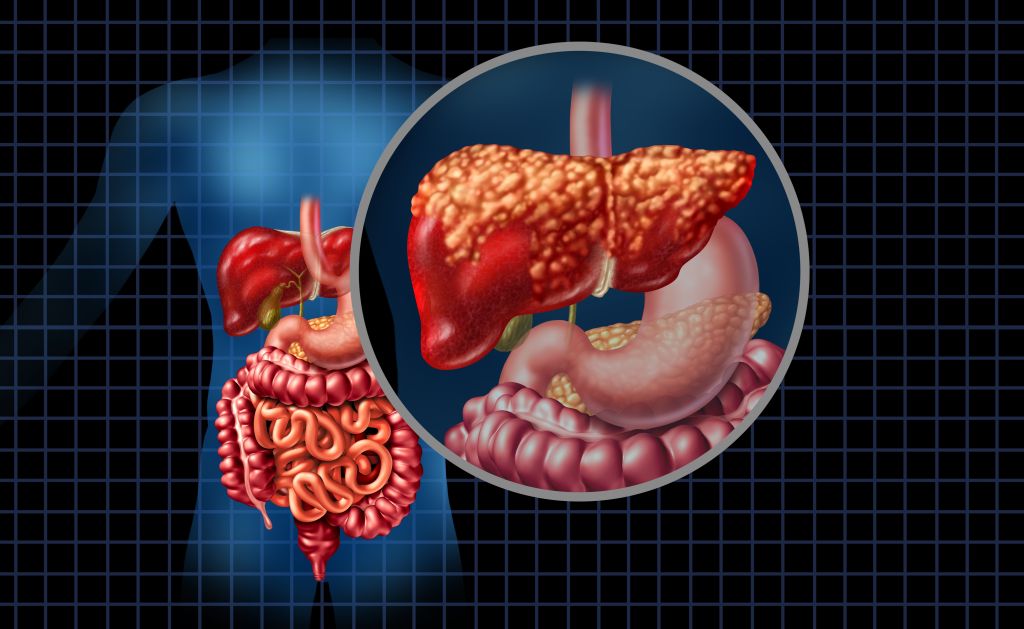
Research published in the International Journal of Endocrinology suggests that ectopic fat in the liver and visceral fat mass, which is fat stored around organs, tends to be metabolized more readily during initial weight loss compared to fat stored within the muscles and under the skin.
Specifically, fat stored within liver cells was most rapidly mobilized and significantly reduced, with its concentrations decreasing by 85 percent, compared to subcutaneous abdominal fat, which decreased by 45 percent.
The research also highlights that the most significant reductions in liver fat occurred within the first two weeks of dietary restrictions, though results depend on the specific plan and intensity.
This suggests that during weight loss, the body may target harmful ectopic and visceral fat first before reducing subcutaneous fat. This helps explain why improvements in energy, digestion, or metabolic markers often appear before noticeable changes in waist size.
To support this process naturally, it’s vital to prioritize liver-supportive nutrients such as choline, creatine, and carnosine, which are found abundantly in animal products, including pasture-raised egg yolks, red meat, poultry, and organ meats like liver and kidney.
Combining these nutrients with a nutritious, low-carb diet, regular exercise, and prioritizing quality sleep and stress management can help create a beneficial environment to shed excess belly fat.
Watch the video below to learn more about the cause of stubborn belly fat on keto.
How long does it take to burn belly fat on keto?
Effective weight loss depends on balanced metabolic health, and individual weight loss timelines can vary based on body type, diet quality, lifestyle habits, and hormonal balance.
Research published in Frontiers in Physiology suggests that meaningful reductions in waist circumference and visceral fat can occur over several weeks to a few months when following a ketogenic diet.
However, some individuals may need several months to fully optimize their metabolic processes before noticeable abdominal fat loss occurs.
Maintaining consistency with a healthy ketogenic lifestyle, intermittent fasting, adequate sleep, and stress management helps create the environment needed to encourage sustained fat burning while also supporting your overall health and wellness.
“The goal isn’t to chase weight loss to get healthy—it’s to get healthy to lose weight. When the body becomes metabolically healthy, weight loss naturally tends to follow,” explains Dr. Berg.
Key takeaways
- Belly fat is especially sensitive to insulin levels, stress hormones, liver function, and muscle mass, all of which determine the body’s capacity to burn fat.
- Frequent eating, snacking, consuming excess dietary fat, poor food quality, chronic stress, inadequate sleep, and low physical activity can all limit abdominal fat loss on keto.
- Meaningful reductions in belly fat may occur over several weeks to a few months on keto, while full metabolic optimization can take several months of consistent effort.
- Maintaining a consistent nutrient-dense, low-carb diet, managing stress, prioritizing sleep, and engaging in regular physical activity help create a hormonal environment that supports steady belly fat reduction.
FAQ
- 1. Can you lose belly fat on keto?
- 2. How much weight can I expect to lose on keto?
- 3. Why am I not losing belly fat on keto?
- 4. How long does it take for ketosis to burn belly fat?
Sources
- Tchkonia T, Thomou T, Zhu Y, et al. Mechanisms and Metabolic Implications of Regional Differences among Fat Depots. Cell Metabolism. 2013;17(5):644-656. https://www.sciencedirect.com/science/article/pii/S1550413113001113
- Yang X, Bi P, Kuang S. Fighting obesity: When muscle meets fat. Adipocyte. 2014;3(4):280-9. doi:10.4161/21623945.2014.964075 https://pubmed.ncbi.nlm.nih.gov/26317052/
- Snel M, Jonker JT, Schoones J, et al. Ectopic fat and insulin resistance: pathophysiology and effect of diet and lifestyle interventions. Int J Endocrinol. 2012;2012:983814. https://pmc.ncbi.nlm.nih.gov/articles/PMC3366269/
- Kong Z, Sun S, Shi Q, Zhang H, Tong TK, Nie J. Short-Term Ketogenic Diet Improves Abdominal Obesity in Overweight/Obese Chinese Young Females. Front Physiol. 2020;11:856. https://pmc.ncbi.nlm.nih.gov/articles/PMC7399204/
Related Articles
-
Net Carbs: How to Calculate Them and When It Matters
 Diet
DietNet Carbs: How to Calculate Them and When It Matters
At a glance Knowing how to calculate net carbs can be an excellent tool to increase healthy carb intake while staying in ketosis. Many ultra-processed foods have low net carbs…06/19/2026 -
How to Break a Weight Loss Plateau: 9 Simple Ways
 Keto
KetoHow to Break a Weight Loss Plateau: 9 Simple Ways
At a glance Weight loss plateaus typically occur when the body adapts to dietary and lifestyle changes, resulting in reduced energy requirements. Factors such as insulin resistance, poor sleep, and…05/08/2026 -
Keto on a Budget: Tips and Foods to Eat
 Diet
DietKeto on a Budget: Tips and Foods to Eat
At a glance A ketogenic diet can be maintained using simple, affordable whole foods rather than expensive specialty products. Prioritizing versatile ingredients and planning meals strategically can help reduce grocery…04/24/2026 -
Muscle Twitching on Keto: Causes and What to Do
 Diet
DietMuscle Twitching on Keto: Causes and What to Do
At a glance Muscle twitching is common when first starting keto and is often linked to shifts in fluid balance, electrolyte minerals, and digestive function as insulin levels remain steady.…03/19/2026 22.3k views -
Keto Poop: How Keto Can Change Your Stool and Why
 Diet
DietKeto Poop: How Keto Can Change Your Stool and Why
At a glance Starting a ketogenic diet can alter stool consistency, frequency, and appearance, often referred to as keto poop. These effects are common and typically indicate that the digestive…02/06/2026 26.2k views -
How to Stop Cravings – 9 Strategies
 Diet
DietHow to Stop Cravings – 9 Strategies
At a glance Understanding how to stop cravings begins with identifying what triggers them. Blood sugar swings, insulin resistance, nutrient deficiencies, and gut imbalances can all contribute to persistent hunger…11/13/2025 -
Foods to Avoid on Keto – Foods That Stop Ketosis
 Diet
DietFoods to Avoid on Keto – Foods That Stop Ketosis
At a glance Many seemingly healthy foods can disrupt ketosis, and even low-carb options may contain ingredients that raise blood sugar, contribute to inflammation, or stall fat burning. Learning to…11/04/2025 25.6k views -
What Is Keto Rash?
 Diet
DietWhat Is Keto Rash?
At a glance Keto rash is an uncommon but temporary skin change that can appear as the body transitions into ketosis. Supporting digestion, easing into ketosis, and adjusting dietary habits…04/09/2025 73.4k views -
How to Get Back on Track after a Keto Cheat Day
 Diet
DietHow to Get Back on Track after a Keto Cheat Day
At a glance Keto cheat days can disrupt metabolic balance and may shift the body out of fat-burning mode for an extended period, depending on how your metabolism responds. While…04/09/2025 52.9k views -
Keto Cycling: Smart Strategy or Setback?
 Keto
KetoKeto Cycling: Smart Strategy or Setback?
At a glance Keto cycling alternates between low-carb and high-carb days, offering some flexibility within the ketogenic diet. While this approach may seem convenient, keto cycling disrupts ketosis, hinders fat…04/09/2025 12.1k views


