

At a glance
Maltodextrin is a common food additive that can cause blood sugar fluctuations, disrupt gut health, and contribute to weight gain and inflammation. Its widespread use in processed and seemingly diet-friendly foods poses a hidden health risk, while natural substitutes provide a safer alternative for maintaining metabolic and digestive health.
Maltodextrin is a common food additive widely used as a bulking agent, filler, and preservative. But is maltodextrin safe?
Consuming maltodextrin isn’t a healthy choice, as it rapidly elevates blood sugar, may disrupt the gut microbiome, and can increase the risk of metabolic diseases.
Discover the hidden dangers of maltodextrin, explore common food sources, and learn about healthier substitutes that don’t compromise your health.
What is maltodextrin?
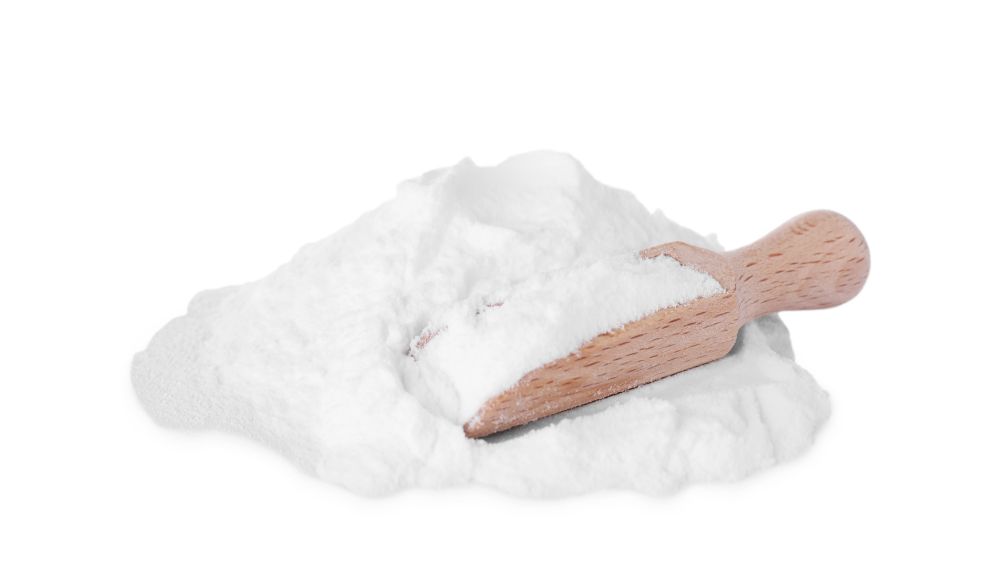
Maltodextrin is a highly processed starch derived from corn, rice, wheat, or potato starch.
It’s produced through starch hydrolysis, a process in which acids or enzymes are used to break down starch molecules into shorter glucose chains, resulting in a fine, white powder with minimal taste or odor.
Maltodextrin is a refined carbohydrate that’s water-soluble and easily digestible, making it a versatile ingredient for various food applications.
In addition, maltodextrin is commonly used by athletes and bodybuilders to fuel performance and replenish glycogen stores after exercise.
There are two primary forms of maltodextrin: digestible and digestion-resistant maltodextrin.
Digestible maltodextrin has a neutral taste and is most commonly used in processed foods as a bulking agent, thickener, or anticaking agent to improve the texture, shelf life, and mouthfeel of products.
Conversely, resistant maltodextrin is typically produced by further modifying digestible maltodextrin with enzymes.
It resists digestion in the small intestine, functioning more as a dietary fiber, which explains its use in dietetic products aimed to promote weight management or digestive health.
However, despite its many uses, maltodextrin has been linked to various health issues and may not be safe if consumed regularly.
Watch the video below to learn why maltodextrin is the number one worst ingredient in the world.
Dangers of maltodextrin
Although the Food and Drug Administration (FDA) has recognized maltodextrin as safe, it has been linked to several adverse effects on metabolic balance and general health.
Here are four surprising dangers of maltodextrin.
1. It’s genetically modified
Although it can be produced from other sources, maltodextrin is primarily derived from genetically modified (GMO) corn, which is often contaminated with the chemical herbicide glyphosate.
In 2015, the International Agency for Research on Cancer (IARC) released a report classifying glyphosate as “probably carcinogenic to humans,” meaning that regular exposure likely increases cancer risk.1
Chemical herbicides like glyphosate are also associated with antibiotic resistance, reproductive harm, organ damage, and other serious health issues.
A study published in the International Journal of Molecular Sciences confirms this, highlighting that glyphosate significantly impaired kidney and liver function in animals.2
2. Contributes to poor metabolic health
Maltodextrin is a starch with a higher glycemic index than table sugar, meaning it raises blood sugar levels more quickly. Although it’s classified as a starch, its impact on blood glucose levels can be even greater than that of pure sugar.
“The problem with maltodextrin is that it behaves like sugar, but it’s not listed as sugar on ingredient labels,” explains Dr. Berg. “This means you could be spiking your blood sugar levels repeatedly without knowing it.”
Chronically elevated blood sugar levels can lead to several cardiometabolic health issues, including insulin resistance, a condition characterized by the cells’ inability to absorb blood sugar effectively.
Insulin resistance is a serious metabolic imbalance linked to the development of type 2 diabetes, metabolic syndrome, heart disease, and obesity.
3. May disrupt the gut microbiome
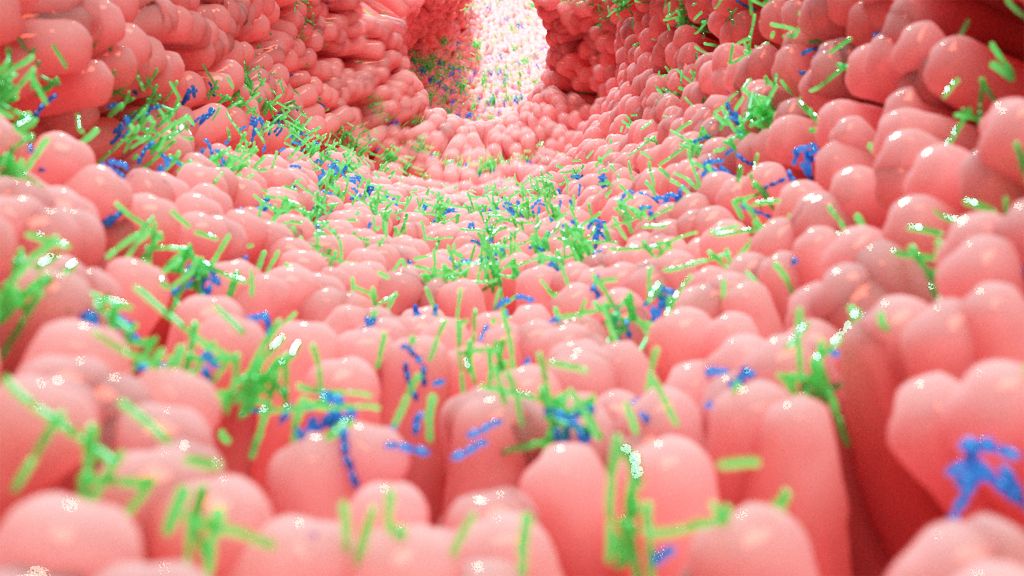
Maltodextrin has been found to alter the gut microbiome by suppressing the proliferation of beneficial probiotic microbes while promoting the growth of harmful bacteria, including pathogenic strains of Escherichia coli (E. coli) and Salmonella.
This modified starch can also trigger or exacerbate intestinal inflammation, inhibit immune function, and weaken the protective intestinal mucus layer.
A damaged gut barrier increases the risk of infection and imbalanced inflammatory responses, which have been associated with conditions such as Crohn’s disease and other types of inflammatory bowel disease (IBD).
A study published in PLOS One summarizes “Maltodextrin enhances E. coli adhesion and suggests a mechanism by which Western diets rich in specific polysaccharides may promote dysbiosis of gut microbes and contribute to disease susceptibility.”3
4. Triggers cravings and weight gain
Maltodextrin is rapidly digested in the small intestine, resulting in a significant increase in blood sugar levels. This blood sugar rise triggers the pancreas to release insulin, which facilitates the movement of glucose into cells, thereby bringing blood sugar levels back within the normal range.
This sharp rise and drop in blood sugar can lead to unstable energy levels, commonly known as blood-sugar crashes. This can cause powerful sugar and carb cravings as the body attempts to restore balance.
Over time, constant cravings and snacking can lead to increased calorie consumption and unintended weight gain, linked to various health issues.
Additionally, maltodextrin is a calorie-dense additive, providing four calories per gram, the same as sugar, while offering virtually no nutritional value.
What foods contain maltodextrin?
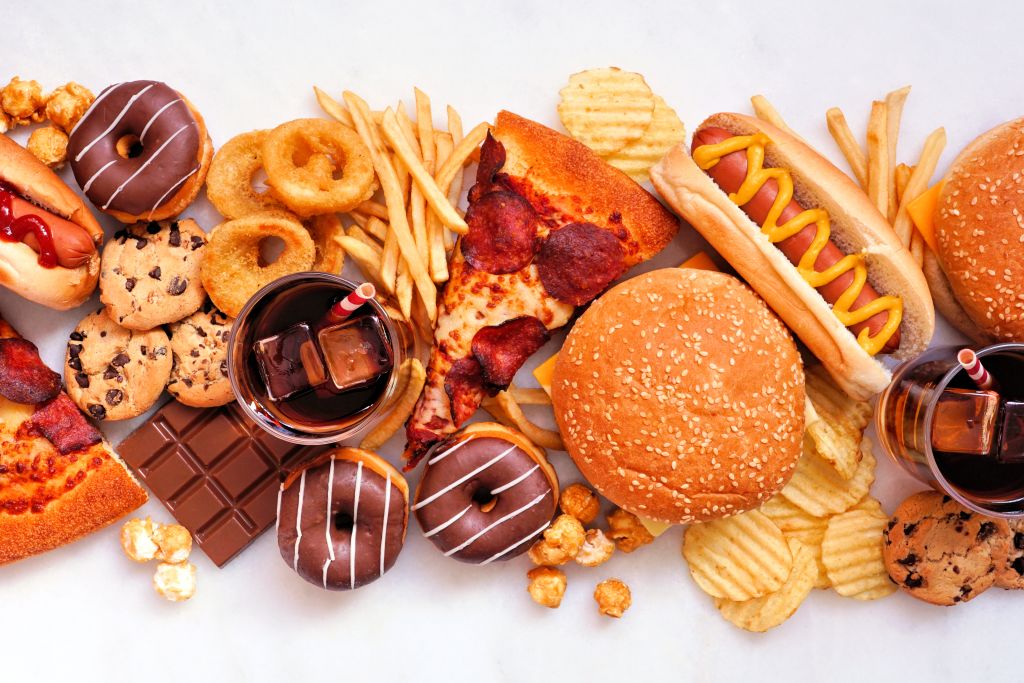
Maltodextrin can be found in nearly every major food category, including candies, baked goods, beverages, dairy products, and processed snacks.
It’s also commonly used in fast and pre-packaged foods, such as sports drinks, chips, crackers, cookies, instant noodles, and frozen meals.
Worryingly, many products marketed as healthy or diet-friendly, including those labeled gluten-free, low-sugar, low-fat, or keto-friendly, often contain maltodextrin.
This is because maltodextrin provides a similar mouthfeel to fat or sugar, which allows manufacturers to maintain a consistent texture while reducing the total fat or sugar content.
Artificial sweeteners, such as Splenda and other sucralose products, are also a primary source of maltodextrin, which is added to improve texture, bulk, and stability in the final consumer product.
Additionally, maltodextrin is used in dietary supplements, including protein powders and bars, meal replacement shakes, fiber supplements, and vitamins. This explains why it’s essential to read labels carefully to identify hidden sources of maltodextrin.
It’s vital to understand that maltodextrin can be listed under different names, including modified cornstarch, cornstarch, modified food starch, glucose polymer, and dextrin. It can also be added under even more inconspicuous labels, such as rice starch or natural flavors.
Healthy maltodextrin substitutes
Due to its high glycemic index and impact on the gut microbiome, individuals seeking to manage blood sugar levels or support digestive health should avoid maltodextrin.
Fortunately, several healthier alternatives are available to sweeten or bulk up recipes.
Stevia, monk fruit extract, erythritol, and allulose are suitable substitutes that have minimal impact on blood sugar levels.
Because they don’t significantly raise blood sugar or insulin, these keto-friendly sweeteners are popular options for low-carb dieters managing their carbohydrate intake.
Keep in mind that non-nutritive sweeteners are often blended with maltodextrin, which can undermine their potential metabolic benefits. Instead, look for options that contain pure extracts or are combined with other keto-friendly sweeteners.
To thicken recipes without the need for maltodextrin, ingredients such as guar gum, pectin, xanthan gum, and arrowroot starch are good options.
Additionally, athletes who use maltodextrin to boost endurance or strength performance should opt for products that use ingredients such as inulin, also known as chicory root fiber, psyllium husk, or powdered fats derived from coconut, instead.
Key takeaways
- Maltodextrin is a highly processed starch with a higher glycemic index than sugar, which can lead to rapid blood sugar spikes and weight gain.
- Regular maltodextrin consumption may disrupt the gut microbiome and promote inflammation linked to metabolic issues.
- GMO-derived maltodextrin often contains chemical residues like glyphosate, associated with impaired liver function and reproductive issues.
- Maltodextrin is commonly found in protein powders, sweeteners, and many packaged food products labeled as diet-friendly, low-fat, or low-sugar.
- Safer substitutes include stevia, monk fruit, allulose, inulin, and arrowroot starch, which support stable blood sugar levels and promote gut health.
FAQ
- 1. Is maltodextrin good or bad for you?
- 2. Is maltodextrin worse for you than sugar?
- 3. What is another name for maltodextrin?
- 4. Is maltodextrin natural or synthetic?
- 5. What does maltodextrin do to the gut?
Sources
- https://www.iarc.who.int/wp-content/uploads/ ↩︎
- https://pmc.ncbi.nlm.nih.gov/articles/PMC8618927/ ↩︎
- https://pubmed.ncbi.nlm.nih.gov/23251695/ ↩︎
Related Articles
-
How Does Sugar Affect Digestion?
 Digestive health
How Does Sugar Affect Digestion?
At a glance Sugar is a carbohydrate that the digestive system breaks down into simple molecules for absorption and energy use. While this is a normal part of metabolism, sugar…09/24/2026 -
How to Read Food Labels
 Food and Drink
How to Read Food Labels
At a glance Food labels can provide useful nutrition information, but they don’t always reflect a food product's actual quality. Serving sizes, nutrient claims, health claims, and ingredient names can…08/21/2026 -
What Are the Best and Worst Carbs?
 Nutrition
What Are the Best and Worst Carbs?
At a glance Carbohydrates can be a source of energy for the body, but their nutritional value can vary widely depending on the source. Some carbohydrate foods supply fiber, vitamins,…07/30/2026 -
Blood Sugar Spikes: What Causes Them and Tips for Balance
 Blood sugar and insulin
Blood Sugar Spikes: What Causes Them and Tips for Balance
At a glance Blood sugar spikes are rapid increases in blood glucose that often happen after eating foods high in sugar or refined carbohydrates. While a temporary rise in blood…07/23/2026 -
“Sugar-Free” Label Claims: What They Actually Mean
 Food and Drink
“Sugar-Free” Label Claims: What They Actually Mean
At a glance Sugar-free labels are commonly used on packaged foods and beverages to indicate minimal sugar content per serving. However, this claim is based on specific labeling criteria and…07/16/2026 -
Liquid Calories: Why They Add Up Faster Than You Think
 Diet
DietLiquid Calories: Why They Add Up Faster Than You Think
At a glance Liquid calories come from liquids rather than solid foods. Because they’re often consumed quickly and don’t always trigger fullness like solid food, they’re easy to overconsume, promoting…06/12/2026 -
Names for Added Sugar to Watch for on Labels
 Foods to avoid
Names for Added Sugar to Watch for on Labels
At a glance Added sugars are often listed under many different names, which can make them difficult to recognize on ingredient lists. A single product may contain multiple types of…06/11/2026 -
Artificial Sweeteners: Types, Pros, and Cons
 Nutrition
Artificial Sweeteners: Types, Pros, and Cons
At a glance Artificial sweeteners are widely used in sugar-free and low-calorie products as substitutes for added sugar. These compounds provide sweetness with little to no calories or carbohydrates and…06/05/2026 -
Keto-Friendly Sauces and Condiments
 Nutrition
Keto-Friendly Sauces and Condiments
At a glance Keto-friendly sauces and condiments can help support ketosis by keeping overall carbohydrate intake within the limit of 20 to 50 grams per day. Choosing options made with…06/01/2026 -
Sugar Withdrawal: What to Expect and How to Cope
 Nutrition
Sugar Withdrawal: What to Expect and How to Cope
At a glance Sugar withdrawal can trigger intense cravings, fatigue, headaches, and mood changes as the body and brain adjust to reduced sugar intake. With the right strategies, such as…04/24/2026


