

At a glance
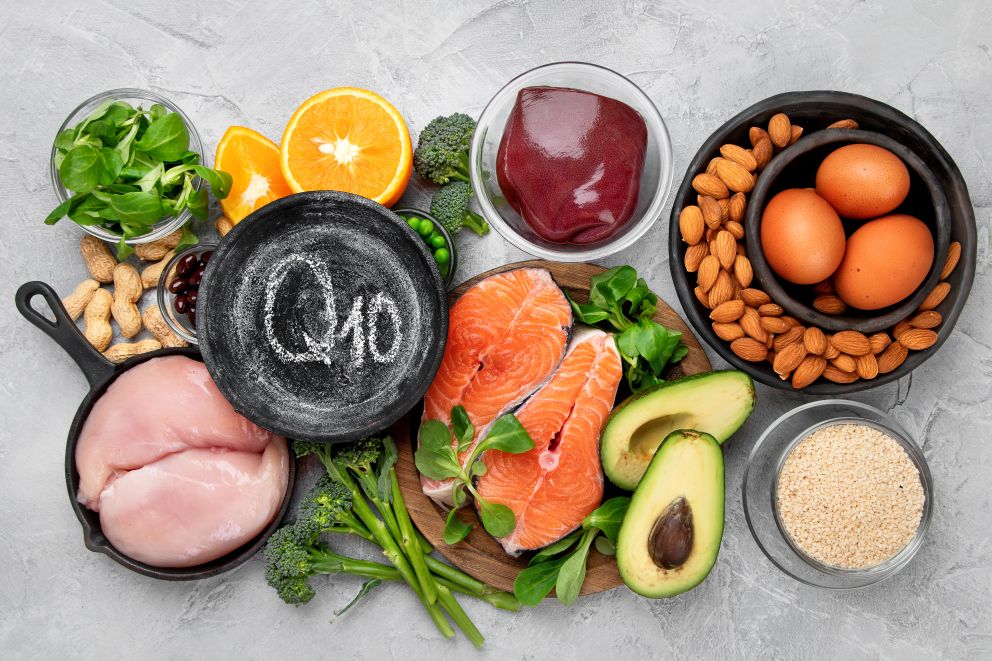
CoQ10 is a vitamin-like compound that the body relies on for energy production and antioxidant support. Because levels naturally decline with age and can be influenced by lifestyle or medication use, maintaining adequate CoQ10 is important for healthy cellular and metabolic function. Some of the richest natural sources of CoQ10 are found in specific animal-based foods.
Coenzyme Q10, or CoQ10, is a vitamin-like nutrient found in nearly every cell in your body. Without adequate levels, cells can struggle to produce energy, affecting everything from brain function to heart health.
Learn more about what CoQ10 is and discover the best food sources to help maintain healthy levels naturally.
What is CoQ10?
CoQ10 is an essential fat-soluble nutrient that the body produces naturally and can also be sourced from certain foods.
This vitamin-like nutrient exists in its oxidized form, ubiquinone, and its reduced form, ubiquinol.
CoQ10 is an essential component of cell membranes and primarily supports natural energy production and helps the body manage oxidative stress.
Specifically, CoQ10 helps facilitate electron transport in the mitochondrial oxidative respiratory chain. This is a crucial step in the generation of adenosine triphosphate (ATP), the primary energy currency used in every cell in the body.
“CoQ10 is like a fuel source that doesn’t leave the exhaust,” explains Dr. Berg. “It powers your cells while cleaning up the waste products, which helps promote optimal cellular function, especially within tissues that require a lot of energy, such as the brain, heart, and muscles.”
In most young people, cellular CoQ10 production and dietary sources generally meet the body’s needs. However, CoQ10 levels naturally decline with age, increasing the risk of cellular degradation, impaired energy production, and susceptibility to developing disease.
In addition, several lifestyle and environmental factors can influence CoQ10 levels, which may accelerate this process.
Ensuring adequate CoQ10 intake and maintaining a healthy lifestyle that supports natural CoQ10 production are essential for promoting overall health.
Watch the video below to discover the impressive health benefits of CoQ10.
CoQ10 benefits
As a key component of energy production, CoQ10 is essential for sustaining vitality and endurance.
Here are five benefits of CoQ10.
1. Maintains cellular health
CoQ10 plays a crucial role in maintaining cellular health by supporting a steady energy supply and helping reduce harmful compounds known as free radicals generated during oxidative processes.
Low CoQ10 levels can increase the risk of cells becoming more susceptible to oxidative damage, which can lead to cellular dysfunction or even cell death.
Research published in Current Problems in Cancer highlights that CoQ10’s antioxidant activity may be a significant factor in cancer progression, and that those with low CoQ10 levels may be linked to a greater risk of developing certain cancers.
2. Promotes longevity
Maintaining CoQ10 levels may play a role in supporting overall health and longevity by promoting mitochondrial function and supporting tissue integrity.
Inside the mitochondria, CoQ10 influences the mitochondrial permeability transition pore (mPTP). This tiny channel acts as a gatekeeper, controlling the flow of materials such as ions and water in and out of the mitochondria.
Evidence published in Cells highlights that efficient mPTP functions are associated with healthier cell aging and longer lifespan.
Insufficient CoQ10 levels may cause this pore to remain open for extended periods. This can lead to imbalances that drain energy and cause damage to membranes, enzymes, and DNA, which may ultimately lead to cell death.
Moreover, insufficient CoQ10 levels are linked to the downregulation of structural proteins such as collagen and elastin. This can contribute to signs of accelerated aging and degradation of connective tissues, including the skin, fascia, and bones.

3. Supports muscle performance
CoQ10’s crucial role in energy production and managing oxidative stress makes it essential for endurance and muscle repair. This helps explain why low CoQ10 levels are often associated with increased exercise intolerance.
During exercise, working muscles generate a higher load of reactive oxygen species (ROS). While small amounts of ROS can trigger healthy cellular adaptation, excessive levels may contribute to low energy, muscle injury, and slowed recovery.
CoQ10’s antioxidant activity helps mitigate exercise-related cellular stress by supporting mitochondrial function and maintaining oxidative balance in muscle tissue. It also helps promote balanced inflammatory responses, which further support recovery and may decrease muscle and joint soreness after workouts.
4. Helps maintain cardiovascular health
The heart contains the highest concentration of CoQ10 due to its significant energy demands. By supporting energy production, CoQ10 plays a vital role in maintaining heart muscle cell contraction.
CoQ10 also helps regulate nitric oxide (NO) levels, an essential molecule for blood vessel dilation and circulation.
Additionally, by supporting antioxidant defenses, CoQ10 may help reduce the oxidation of low-density lipoproteins (LDL), which is vital for keeping arteries clear and ensuring healthy blood flow.
Together, these effects highlight CoQ10’s central role in supporting both the energy needs of the heart and the resilience of the cardiovascular system.
5. Benefits for cognitive health
By supporting mitochondrial ATP production, increasing cerebral blood flow, and helping regulate inflammatory pathways, CoQ10 contributes to normal neurological function and brain resilience.
Its role in maintaining oxidative balance and energy availability in brain tissue has been associated with cognitive performance, particularly in older adults and neurodegenerative disorders.
Additionally, incorporating CoQ10-rich foods may support the management of migraine headaches, as higher CoQ10 levels have been linked to reduced migraine frequency, duration, and intensity of migraine attacks.

Signs you may need more CoQ10
Without enough CoQ10, your body may struggle to perform optimally, affecting energy levels and overall health.
Common signs of low CoQ10 include:
- Low energy and fatigue
- Muscle discomfort, weakness, or cramps
- Exercise intolerance
- Slow exercise recovery
- Brain fog
- Memory problems
- Heart palpitations
- Visual or hearing changes
- Poor coordination
- Digestive discomfort
In severe cases, CoQ10 depletion may lead to an increased risk of seizures, high blood pressure, congestive heart failure, and neurodegenerative diseases, such as Alzheimer’s disease.
What depletes CoQ10?
There are two main causes of low CoQ10 levels. The less common one is referred to as primary CoQ10 deficiency, which is caused by genetic mutations that inhibit the natural production of CoQ10.
Secondary CoQ10 deficiency arises indirectly and is linked to environmental, metabolic, or lifestyle factors that reduce CoQ10 levels or increase its demand. Aging, poor dietary habits, nutrient deficiencies, excessive oxidative stress, and illness are common contributors.
Certain medications can also contribute to CoQ10 depletion. Research published in the Journal of Cellular and Molecular Medicine explains that statins, commonly prescribed cholesterol-lowering drugs, can impact CoQ10 levels by inhibiting the production of molecular precursors of CoQ10.
If you have existing health conditions or are taking prescription drugs, it’s essential to consult a healthcare professional before making significant changes to your diet or medication schedule.
Your doctor can assist you in creating a personalized plan to maintain healthy CoQ10 levels and minimize potential risks associated with low CoQ10 status.
The best food sources of CoQ10
CoQ10 occurs naturally in a variety of foods, with animal products typically being the richest sources.
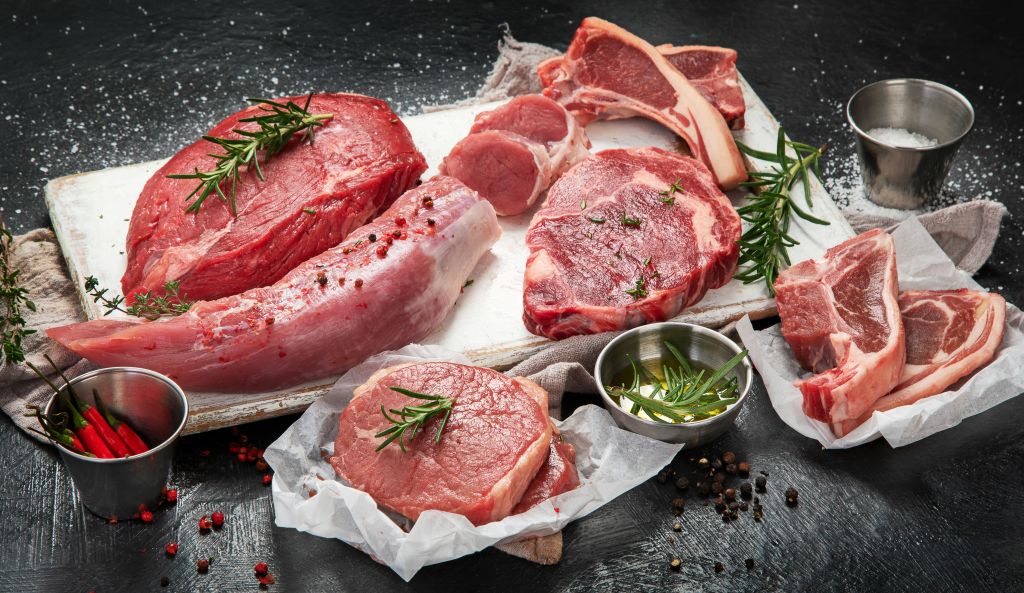
Organ meats, such as 100 percent grass-fed beef heart, liver, and kidney, stand out for their exceptionally high CoQ10 concentrations. However, for those who dislike the flavor of organ meats, regular intake of muscle meats offers a great alternative.
Many butchers now provide ground beef and organ meat blends, which can enhance the flavor and make it easier to incorporate these nutrient-dense options into your diet.
Fatty fish, such as salmon, trout, herring, tuna, mackerel, and sardines, are also excellent sources of CoQ10 and offer healthy fats that help with its absorption.
In addition to animal products, various plant-based foods offer moderate amounts of CoQ10. These include nuts, seeds, and certain fruits and vegetables, such as pistachios, broccoli, spinach, avocados, and strawberries.
Including a wide variety of CoQ10-rich foods in your daily diet can help naturally boost CoQ10 levels and support overall health.
Key takeaways
- What is CoQ10? It’s a vitamin-like compound found in nearly every cell, where it supports energy production, antioxidant activity, and overall mitochondrial function.
- CoQ10 levels naturally decline with age and may drop more quickly in response to factors such as nutrient-poor diets, chronic oxidative stress, illness, and certain medications, including statins, all of which increase cellular demand for CoQ10.
- Low CoQ10 status is associated with reduced energy, muscle fatigue, and decreased cellular resilience.
- Organ meats and fatty fish are among the richest natural sources of CoQ10 and can help support adequate levels through a balanced diet.
FAQ
- 1. What is CoQ10?
- 2. What does CoQ10 do for you?
- 3. How do you know if you need CoQ10?
- 4. Are there any downsides to CoQ10?
- 5. Is CoQ10 the same as fish oil?
Sources
- Ghasempour Dabaghi G, Rabiee Rad M, Mohammad-Zamani M, Karimi Shervedani A, Bahrami-Samani F, Heshmat-Ghahdarijani K. The role of coenzyme Q10 as a preventive and therapeutic agent for the treatment of cancers. Current Problems in Cancer. 2024;48:101063. https://www.sciencedirect.com/science/article/abs/pii/S0147027224000047
- Ghasempour Dabaghi G, Rabiee Rad M, Mohammad-Zamani M, Karimi Shervedani A, Bahrami-Samani F, Heshmat-Ghahdarijani K. The role of coenzyme Q10 as a preventive and therapeutic agent for the treatment of cancers. Current Problems in Cancer. 2024;48:101063. https://www.sciencedirect.com/science/article/abs/pii/S0147027224000047
- Wang Y, Hekimi S. The efficacy of coenzyme
Q 10 treatment in alleviating the symptoms of primary coenzymeQ 10 deficiency: A systematic review. Journal of Cellular and Molecular Medicine. 2022;26(17):4635-4644. doi:10.1111/jcmm.17488 https://onlinelibrary.wiley.com/doi/full/10.1111/jcmm.17488
Related Articles
-
6 Benefits of Vitamin E
 Nutrition
6 Benefits of Vitamin E
At a glance Vitamin E is a fat-soluble vitamin and a powerful antioxidant that protects cells against oxidative stress, free radical damage, and inflammation, all of which contribute to poor…07/03/2026 -
Nitric Oxide and Viagra: What’s the Connection?
 Health concerns
Nitric Oxide and Viagra: What’s the Connection?
At a glance Nitric oxide is a key signaling molecule that relaxes blood vessels, improves circulation, and supports sexual functions. Viagra works by prolonging the effects of nitric oxide, which…03/19/2026 5.9k views -
How to Get Rid of Toenail Fungus – 3 Natural Solutions
 Health concerns
How to Get Rid of Toenail Fungus – 3 Natural Solutions
At a glance Toenail fungus is a common nail infection often linked to environmental exposure to infectious microbes, nail injury, and poor metabolic or immune health. Natural topical solutions and…03/13/2026 33.6k views -
How to Kill Parasites: 7 Natural Tips
 Health concerns
How to Kill Parasites: 7 Natural Tips
At a glance Parasitic infections occur when worms or protozoa colonize the body, often through exposure to contaminated pets, food, or water. These organisms can interfere with digestion and other…03/13/2026 15.1k views -
HPV Skin Tags: Causes and What to Do
 Health concerns
HPV Skin Tags: Causes and What to Do
At a glance While both skin tags and warts can be linked to human papillomavirus (HPV), they differ in appearance and how they affect the body. Targeted dietary and lifestyle…03/13/2026 16.6k views -
4 Asthma Remedies to Try at Home
 Health concerns
4 Asthma Remedies to Try at Home
At a glance Asthma is a chronic inflammatory condition that narrows the airways and makes breathing difficult, especially during asthma attacks. While conventional care is often necessary, natural asthma remedies…03/06/2026 17.6k views -
Too Much Keto Weight Loss? What to Do If You’re Too Skinny
 Diet
DietToo Much Keto Weight Loss? What to Do If You’re Too Skinny
At a glance Keto weight loss often occurs rapidly during the early adaptation phase, primarily due to fluid loss rather than immediate fat reduction. While fat loss is expected, ongoing…03/06/2026 10.2k views -
How to Ease a Sore Throat Quickly Using Acupressure
 Health concerns
How to Ease a Sore Throat Quickly Using Acupressure
At a glance Acupressure offers a simple, hands-on approach to promoting physical comfort, which may help soothe sore throat pain. While it’s not a substitute for a medical evaluation, acupressure…02/27/2026 25.2k views -
What Causes Pale Colored Stool?
 Health concerns
What Causes Pale Colored Stool?
At a glance Pale-colored stool can be linked to low bile flow, low-fat diets, alcohol use, infections, or underlying liver, gallbladder, or pancreatic issues. Supporting gallbladder function through a nutritious…02/26/2026 14.9k views -
Can Low Vitamin D Cause Depression in Teenagers?
 Vitamins
Can Low Vitamin D Cause Depression in Teenagers?
At a glance Vitamin D is essential for brain health, and low levels in teenagers may increase the risk of depression. Insufficient sunlight exposure and poor dietary habits can contribute…02/26/2026 10.8k views


