

At a glance
The insulin index is a measure of the body’s insulin response to a specific food. In contrast, the insulin load provides insight into the insulinogenic effects of a complete meal. Here’s why understanding the insulin response of the foods you eat matters, and how the insulin index compares to the glycemic index ranking system.
Insulin load vs. insulin index—what’s the difference and what do these measures indicate?
Both the insulin index and insulin load reveal how much insulin the body releases after eating, offering insight into the impact of dietary habits on metabolic balance and long-term health.
Discover how these measures can guide dietary choices to support metabolic and hormonal health and learn how they differ from traditional glycemic index and glycemic load metrics.
What is insulin?
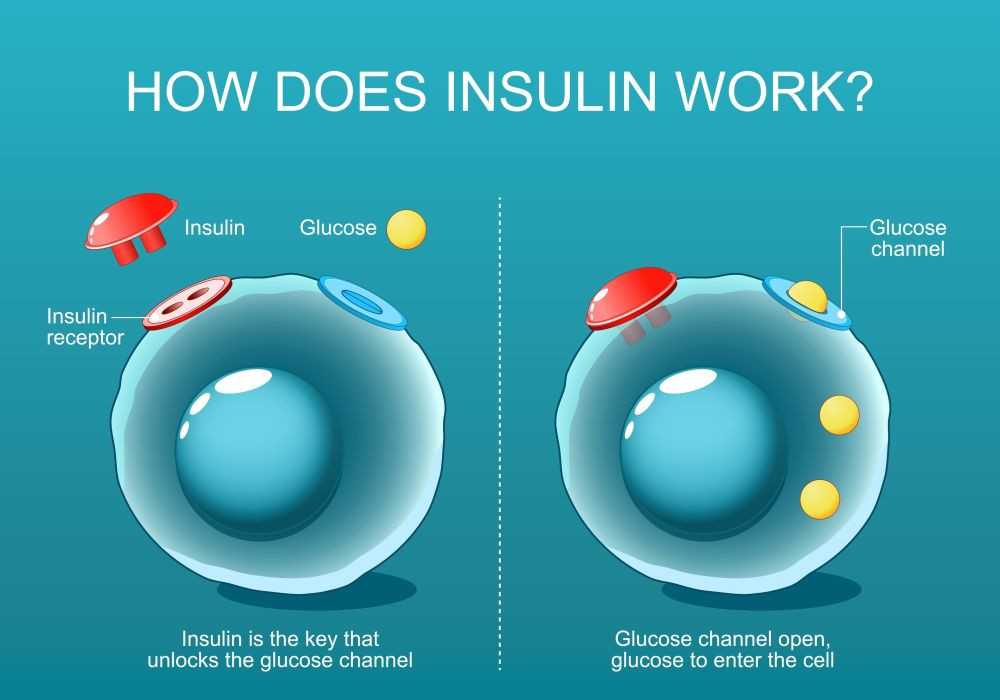
Insulin plays a central role in controlling the body’s blood glucose concentrations, which is vital for energy production, body composition, and the regulation of fat storage, protein synthesis, and overall metabolic balance.
This key metabolic hormone is released from pancreatic beta cells when blood sugar levels rise, primarily in response to carbohydrate-containing foods and to high concentrations of amino acids from dietary protein.
When blood sugar levels increase, the subsequent insulin response signals cells to utilize glucose for energy production. While almost all cells in the body have insulin receptors, liver, muscle, and fat cells are especially sensitive to insulin signalling.
If glucose levels exceed the body’s energy needs, insulin promotes glycogen storage in the liver and muscles. When glycogen stores are full, insulin stimulates the conversion of excess glucose into fat for long-term storage.
This mechanism helps maintain stable blood sugar levels and protects the body from the damaging effects of chronically elevated glucose, which can contribute to a wide range of health problems.
This response also explains why a high-carbohydrate diet is a primary cause of weight gain and why insulin is also widely referred to as a fat-storage hormone.
Watch the video below to learn more about the role of insulin in blood sugar regulation.
What does the insulin index measure?
The food insulin index, also known as the dietary insulin index, measures how much insulin the body secretes in response to specific foods compared with a reference food, typically pure glucose or white bread.
This index helps evaluate how strongly a food stimulates blood insulin levels over roughly two hours after intake, providing insight into how different foods affect postprandial insulin secretion.
“The insulin index offers a measure of how insulinogenic common foods are, meaning it indicates the expected degree of insulin secretion,” explains Dr. Berg. “This helps predict how a meal may influence blood sugar regulation, energy storage, and overall metabolic responses.”
Sugars and high-carbohydrate foods such as bread, rice, and pasta tend to have the highest insulin index. However, certain protein-rich foods, such as milk, some cheese varieties, and meat, can also trigger a significant insulin response when consumed in large quantities.
An insulin index score below 40 is generally considered low, 40 to 60 moderate, above 60 high, and 100 or greater very high.
What does insulin load mean?
The dietary insulin load estimates the total insulin demand generated by a meal, accounting for all ingredients, not just a single food item.
It’s calculated by combining the insulin index of individual foods with the actual amount consumed, allowing assessment of overall dietary intake in relation to insulin concentrations rather than evaluating just one food.
By considering the macronutrient composition and total energy intake of a meal, the insulin load provides a more complete picture of how dietary habits affect insulin levels and overall metabolic responses.

Key differences between insulin load and insulin index
The insulin index indicates the body’s insulin response to a specific amount of a certain food, usually 250 kcal, but it doesn’t reflect mixed meals or total daily intake. Its primary focus is the insulin index value of individual foods, similar to how the glycemic index measures blood sugar responses.
In contrast, the insulin load estimates the total amount of insulin needed to manage the blood sugar response from a specific serving of food. It considers both the food’s insulin index and the portion size consumed, accounting for the combined effect of all ingredients in a meal.
The insulin load reflects the actual insulin demand of a meal. The insulin index, on the other hand, describes only the potential insulin response to a specific food relative to a reference food, such as glucose or white bread.
How the insulin index compares to the glycemic index
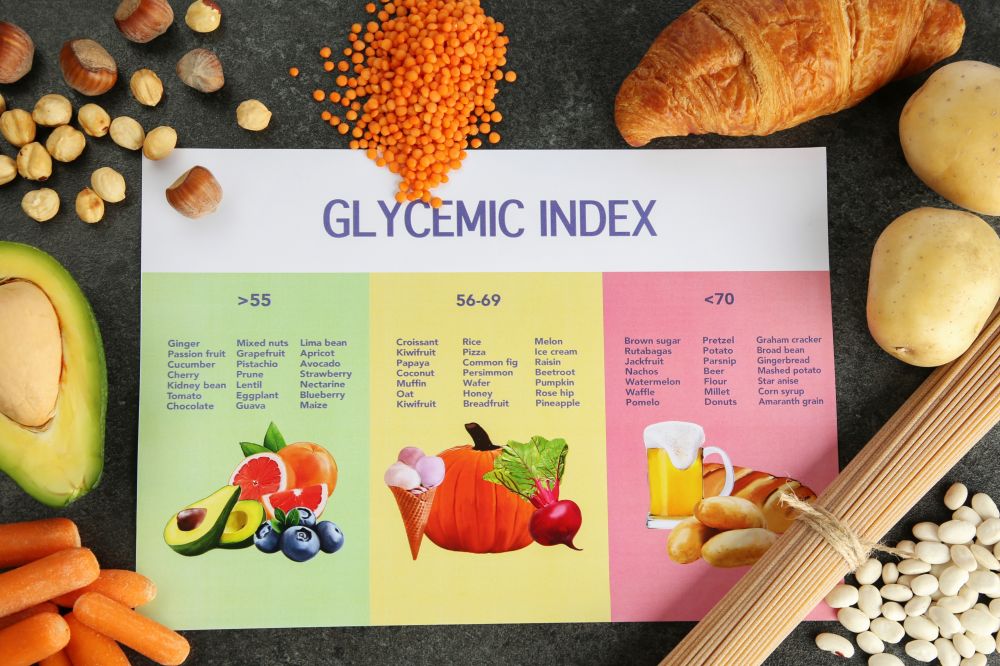
The glycemic index focuses on the carbohydrate content of foods and their effect on blood sugar levels. In contrast, the insulin index also considers the impact of protein on insulin secretion.
As a result, the insulin index provides a more comprehensive way to assess dietary intake and its effect on the body’s hormonal response, especially for meals that contain multiple macronutrients.
Research published in The American Journal of Clinical Nutrition confirms that the insulin index is a useful guide for individuals with impaired glycemic control, such as those with type 2 diabetes or metabolic syndrome.
The authors summarize, “Carbohydrate is not the only stimulus for insulin secretion. Protein-rich foods or the addition of protein to a carbohydrate-rich meal can stimulate insulin without increasing blood glucose concentrations.”
This highlights that the insulin index, and especially the insulin load, can capture physiological hormonal responses to foods that aren’t reflected by the glycemic index alone.
Why these concepts matter for blood sugar control
Understanding how foods affect blood glucose and insulin levels is fundamental to blood sugar control. This is especially important for individuals with diabetes, insulin resistance, or poor metabolic health, as well as those following a ketogenic diet.
Stable blood sugar balance supports consistent energy levels, cognitive clarity, and reduced metabolic stress. In contrast, frequent glucose and insulin spikes can contribute to energy fluctuations, cravings, and mood swings and increase the risk of various metabolic diseases.
While insulin is often associated with carbohydrate intake, high protein intake also triggers insulin secretion. Since insulin directly influences blood sugar regulation, this effect is an important factor to consider.
Furthermore, consistently high insulin levels can lead to a blunting of insulin receptors, meaning that insulin signaling becomes impaired.
This condition, known as insulin resistance, reduces the body’s ability to regulate blood sugar effectively. This typically increases fat storage and raises the risk of weight gain, type 2 diabetes, metabolic syndrome, and other related health issues.
This has been confirmed by a study published in Frontiers in Nutrition, reporting that a dietary pattern with a high insulin index and insulin load is a significant risk factor for metabolic dysfunction and obesity.
Understanding both glucose and insulin responses to food is therefore crucial for maintaining metabolic health, supporting effective weight management, and preventing long-term disease.

Which metric is more practical to use?
Although the glycemic index is a widely used tool, the insulin load offers the most comprehensive metric, as it provides a direct indication of how the actual foods you eat influence your body’s hormonal response.
Elevated insulin levels promote fat storage, inhibit fat burning, affect sex hormone synthesis, and modulate inflammatory pathways. Therefore, meals with a high insulin load can contribute to insulin resistance, reproductive issues, cardiovascular disease, and other metabolic disorders.
By considering both the insulinogenic potential of foods and the amounts consumed, insulin load can offer a practical framework for managing weight, supporting metabolic and hormonal health, and reducing long-term disease risk.
To incorporate this metric into your meal planning, you can estimate the insulin load of each meal by combining the carbohydrate and protein content of the foods you eat.
Simplified insulin load formula: insulin load = carbohydrates in grams + 0.56 × protein in grams
For example, a meal containing 50 g of carbohydrates and 30 g of protein would have an estimated insulin load of 66.8.
Insulin loads above 60 are considered high, those between 30 and 60 are moderate, and values below 30 are classified as low.
The insulin load provides an estimate of the total insulin demand a meal places on your body, allowing you to compare foods, adjust portion sizes, and choose food combinations that help maintain balanced insulin levels.

Limitations of insulin-based scoring systems
Although the insulin index and insulin load can guide dietary habits beneficial for overall health and well-being, it’s important to understand the potential limitations of insulin-based scoring systems.
Both metrics were developed using research in healthy adults, meaning they reflect optimal beta-cell function and normal insulin signaling.
As a result, insulin responses may differ in those with insulin resistance, type 2 diabetes, or other metabolic disorders.
Genetic factors, activity levels, muscle mass, and body mass index can also affect cellular insulin sensitivity, potentially reducing the accuracy of insulin-based metrics.
Furthermore, research published in Diabetes Care reports that African Americans tend to hypersecrete insulin in the absence of insulin resistance, suggesting that insulin load may not accurately predict hormonal responses to foods in this population.
Having said this, the insulin load remains a valuable tool in providing insight into the potential insulin exposure after a meal, which can help guide overall dietary approaches aimed at supporting metabolic balance and overall health.
Key takeaways
- The insulin index ranks certain food items based on how much they stimulate the body’s insulin response by considering their carbohydrate and protein content.
- The insulin load is a measure of the insulinogenic impact of a full meal, providing insight into the body’s hormonal response to a complete meal.
- Compared to the glycemic index, which considers only carbohydrate content, the insulin index and load also account for protein-related insulin release.
- Maintaining stable insulin levels is critical for optimal metabolic health, hormonal balance, effective weight management, and overall health and well-being.
FAQ
- 1. What is the insulin index?
- 2. What is insulin load?
- 3. Is insulin load better than glycemic index?
- 4. Do protein and fat affect insulin?
- 5. What is considered high on the insulin index?
Sources
- Holt SH, Miller JC, Petocz P. An insulin index of foods: the insulin demand generated by 1000-kJ portions of common foods. – Am J Clin Nutr. 1997;66(5):1264-1276. doi:10.1093/ajcn/66.5.1264.
- Hajhashemy Z, Mirzaei S, Asadi A, Akhlaghi M, Saneei P. Association of Dietary Insulin Index and Dietary Insulin Load With Metabolic Health Status in Iranian Overweight and Obese Adolescents. – Front Nutr. 2022;9:821089. doi:10.3389/fnut.2022.821089.
- Pisprasert V, Ingram KH, Lopez-Davila MF, Munoz AJ, Garvey WT. Limitations in the Use of Indices Using Glucose and Insulin Levels to Predict Insulin Sensitivity. – Diabetes Care. 2013;36(4):845-853. doi:10.2337/dc12-0840.
Related Articles
-
7 Common Intermittent Fasting Myths Debunked
 Diet
Diet7 Common Intermittent Fasting Myths Debunked
At a glance Intermittent fasting is an increasingly popular dietary pattern that is often misunderstood. Many common concerns surrounding intermittent fasting, including muscle loss, hormonal disruption, and metabolic slowdown, are…09/03/2026 -
Walking After Meals: Why Post-Meal Walks Matter
 Healthy lifestyle
Walking After Meals: Why Post-Meal Walks Matter
At a glance Post-meal habits can influence how the body responds after eating. During this period, digestion, blood sugar balance, insulin activity, and circulation all shift to help the body…08/13/2026 -
Blood Sugar Spikes: What Causes Them and Tips for Balance
 Blood sugar and insulin
Blood Sugar Spikes: What Causes Them and Tips for Balance
At a glance Blood sugar spikes are rapid increases in blood glucose that often happen after eating foods high in sugar or refined carbohydrates. While a temporary rise in blood…07/23/2026 -
Does Intermittent Fasting Affect Your Metabolism?
 Diet
DietDoes Intermittent Fasting Affect Your Metabolism?
At a glance Intermittent fasting impacts metabolism by shifting the body towards ketosis, improving insulin sensitivity, and enhancing metabolic flexibility. While fasting can support weight management and metabolic efficiency, results…07/23/2026 -
Why You Crave Carbs and How to Reduce Cravings
 Nutrition
Why You Crave Carbs and How to Reduce Cravings
At a glance Carb cravings are often influenced by blood sugar regulation, hormone activity, and nutrient status. These cravings are not always driven by hunger and may reflect underlying metabolic…07/16/2026 -
Names for Added Sugar to Watch for on Labels
 Foods to avoid
Names for Added Sugar to Watch for on Labels
At a glance Added sugars are often listed under many different names, which can make them difficult to recognize on ingredient lists. A single product may contain multiple types of…06/11/2026 -
Why You Feel Hungry: The Role of Hunger Hormones
 Keto
KetoWhy You Feel Hungry: The Role of Hunger Hormones
At a glance Hormones are chemical messengers that regulate appetite, satiety, and energy homeostasis. Key hunger hormones, such as ghrelin, leptin, and insulin, signal when to eat and when to…05/15/2026 -
How to Break a Weight Loss Plateau: 9 Simple Ways
 Keto
KetoHow to Break a Weight Loss Plateau: 9 Simple Ways
At a glance Weight loss plateaus typically occur when the body adapts to dietary and lifestyle changes, resulting in reduced energy requirements. Factors such as insulin resistance, poor sleep, and…05/08/2026 -
Sugar Withdrawal: What to Expect and How to Cope
 Nutrition
Sugar Withdrawal: What to Expect and How to Cope
At a glance Sugar withdrawal can trigger intense cravings, fatigue, headaches, and mood changes as the body and brain adjust to reduced sugar intake. With the right strategies, such as…04/24/2026 -
Nitric Oxide and Viagra: What’s the Connection?
 Health concerns
Nitric Oxide and Viagra: What’s the Connection?
At a glance Nitric oxide is a key signaling molecule that relaxes blood vessels, improves circulation, and supports sexual functions. Viagra works by prolonging the effects of nitric oxide, which…03/19/2026 5.9k views


