

At a glance
Fasting has been increasingly studied for its potential role in cancer prevention and support during treatment. By influencing cellular metabolism, promoting autophagy, and modulating immune function, fasting may help slow tumor growth, enhance treatment response, and support overall health. However, it’s not suitable for everyone living with cancer and should be approached with caution and close medical supervision.
The link between fasting and cancer cell growth has been increasingly studied, with emerging research suggesting that caloric restriction may help slow tumor progression.
Discover how fasting affects cancer cell metabolism, treatment response, and overall health, along with key considerations for safety and effectiveness.
What is fasting?
Fasting refers to the voluntary abstinence from all foods and calorie-containing beverages for a set period. It’s an ancient practice valued for its profound benefits, ranging from improved metabolic health and body composition to disease prevention.
Extended periods of caloric restriction prompt the body to shift from glucose as a primary fuel source to fat-derived fatty acids for energy.
This metabolic switch to fat-burning can support significant weight loss, help improve energy production, and promote cellular stress resistance.
Intermittent fasting involves cycling between periods of eating and fasting, such as 16 hours of fasting followed by an 8-hour eating window. This 16:8 approach has been found to help improve insulin sensitivity, support weight management, and enhance metabolic flexibility.
Prolonged fasting protocols typically involve fasting for 24 hours or more, which has been linked to beneficial effects on cellular repair, inflammation balance, and disease risk, including cancer.
Watch the video below to discover dietary and lifestyle strategies to support cancer therapy.
What is cancer?
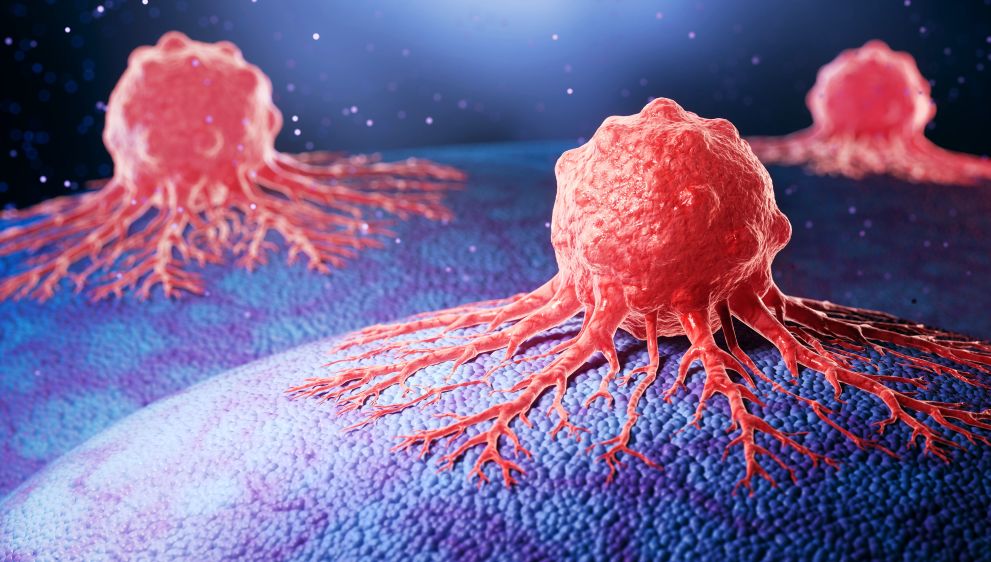
Cancer is a broad term for a group of diseases characterized by the uncontrolled growth and spread of abnormal cells.
Compared to healthy cells, which grow, divide, and die in a tightly controlled and regulated way, cancer cells continue to grow and divide uncontrollably.
Normal cells follow strict rules for growth, division, and programmed cell death, a critical aspect for maintaining healthy tissue and organ function, as well as overall health.
Cancerous cells, however, ignore or override these signals, allowing them to accumulate mutations, form tumors, and invade nearby tissues. In some cases, cancerous cells can spread to other parts of the body, often through the bloodstream or lymphatic system.
This unregulated cellular growth and spread can disrupt the function of organs and tissues, leading to serious health complications.
Cancer can develop in almost any part of the body and is influenced by a combination of genetic, environmental, and lifestyle factors, making early detection a critical aspect for better treatment outcomes.

How fasting affects the body
Prolonged periods of caloric restriction trigger a range of metabolic and hormonal changes that are beneficial for maintaining optimal cellular function and may help inhibit cancer cell proliferation.
Fasting helps maintain steady blood sugar and insulin levels, which downregulates the production of insulin-like growth factor (IGF-1). This is critical because IGF-1 signals cellular growth, which can increase the risk of genetic mutations leading to uncontrolled cell division.
By reducing IGF-1, fasting helps protect healthy cells while making it harder for abnormal or damaged cells to survive.
In addition, fasting, especially prolonged routines, triggers autophagy, a process in which cells break down and recycle damaged components.
“Autophagy not only removes dysfunctional proteins and organelles but also supports cellular repair and stress resistance,” explains Dr. Berg. “This creates a healthier environment for normal cells while limiting resources for abnormal cell growth.”
In addition, research published in Cureus found that fasting triggers alternative metabolic pathways that enhance and stimulate immune cells, especially Natural Killer (NK) cells, which detect and destroy abnormal and cancerous cells.
The authors summarize, “In addition to promoting autophagy, fasting appears to modulate the immune system, enhancing the body’s natural ability to fight cancer.”

What research explores about fasting and cancer
Because of fasting’s profound effects on immune function and cellular health, its potential role in supporting cancer patients and reducing cancer risk has been increasingly studied.
Evidence published in Cancer Science supports fasting as a potential therapeutic tool alongside traditional cancer treatment options, stating that it’s generally well tolerated and may enhance the effectiveness of therapies such as chemotherapy while helping reduce certain side effects.
The study also notes that while prolonged fasting may offer more pronounced cellular benefits, intermittent fasting appears to improve the quality of life in individuals with a cancer diagnosis by supporting higher energy levels and overall well-being.
Furthermore, a study published in Cancer Trends found that fasting may help slow tumor progression by altering cancer cell metabolism and disrupting key metabolic pathways, thereby creating vulnerabilities that can be targeted with therapeutic drugs.
Fasting may offer particular benefits for cancers linked to excess body weight and hormonal signaling, such as colorectal, prostate, and breast cancer, as highlighted by research published in Nature.
Beyond supporting the well-being of cancer patients and potentially enhancing treatment efficacy, fasting has also shown promising potential in cancer prevention.
Evidence published in Nutrition Reviews confirms this, indicating that time-restricted eating can favorably influence key cancer risk factors, including lower body mass index, better glucose regulation, and reduced inflammation within as little as eight weeks.

Important considerations before fasting if you have cancer
Despite its promising potential to support cancer care, prolonged periods of caloric restriction aren’t appropriate for all individuals with cancer.
Fasting can place additional stress on the body and may worsen outcomes in certain groups by increasing the risk of nutrient deficiencies, muscle loss, and fatigue.
This is why older or frail individuals, those who are underweight, malnourished, or experiencing cancer-related muscle wasting, as well as those with advanced cancer, should avoid prolonged fasting.
In addition, people undergoing intensive cancer treatments such as chemotherapy, radiation, or major surgery shouldn’t practice fasting without close medical supervision.
Anyone living with cancer considering fasting should discuss this approach with their healthcare team, who can help determine whether modified approaches, such as short-term intermittent fasting, may be safer while still supporting overall health.
Key takeaways
- Fasting has shown potential to help alter cancer cell metabolism, potentially slowing tumor growth and enhancing the effectiveness of various cancer therapies.
- Caloric restriction also promotes cellular repair processes, reduces inflammation, and enhances immune function, all vital for maintaining healthy tissue.
- Intermittent fasting may improve the quality of life and metabolic health of cancer patients, while prolonged fasting offers more direct cellular benefits.
- Anyone with cancer should consult a healthcare professional or registered dietitian before attempting fasting.
FAQ
- 1. Is fasting used in cancer-related research?
- 2. Can fasting be used to reduce cancer risk?
- 3. Can fasting affect how the body responds to stress?
- 4. Is fasting appropriate for everyone?


