

The Best Natural Alternatives to Ozempic
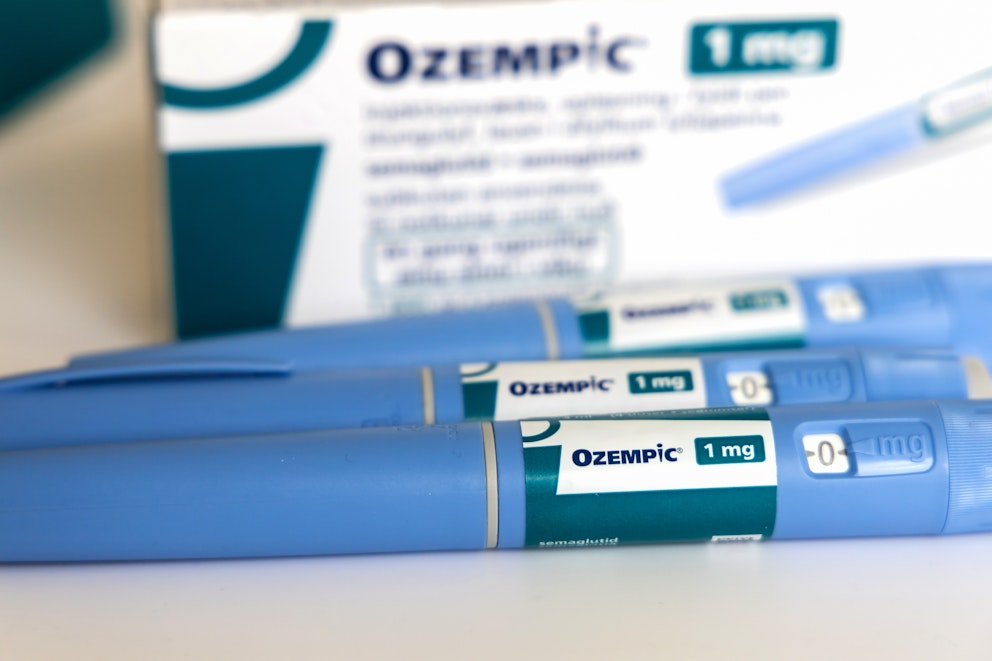
Image credit: Shutterstock.com
At a glance
Ozempic is a weight-loss drug with various long-term health risks. Potential natural alternatives to Ozempic include berberine and Panax ginseng, which can help regulate blood sugar balance and support weight management. Combining these with a Healthy Keto® diet and intermittent fasting offers a sustainable approach to fat loss without the risk of pharmaceuticals.
Ozempic is a popular weight-loss medication that helps curb appetite and induces various metabolic changes linked to improved weight management.
However, this injectable medication is costly, and its long-term use may lead to serious health issues, including thyroid cancer, muscle mass loss, and kidney damage.
Discover natural alternatives to Ozempic and learn how to make beneficial dietary changes to achieve and maintain a healthy body weight without needing pharmaceutical drugs.
What is Ozempic?
Ozempic is an injectable semaglutide drug that has been developed to manage blood sugar levels and improve insulin sensitivity in individuals with type 2 diabetes and insulin resistance.
Semaglutide works primarily by acting as a glucagon-like peptide-1 (GLP-1) receptor agonist, meaning it mimics the effects of GLP-1 in the body.
GLP-1 is a crucial hormone that regulates various digestive and metabolic processes linked to a healthy body weight, which explains why Ozempic can have profound weight loss benefits.
Ozempic can enhance insulin secretion, help regulate blood sugar levels, suppress appetite, slow digestion, and inhibit the release of glucose from the liver.
In combination, these effects support overall blood sugar management, which is crucial for treating diabetes, achieving weight loss, and promoting metabolic balance.
Due to effective marketing campaigns and increasing awareness of Ozempic’s weight management benefits, it has become a popular weight loss drug in recent years.
According to data published by UCLA Health, the use of semaglutide drugs such as Ozempic has risen 40-fold over the last five years.1
Ozempic may seem like a miracle drug to end the obesity epidemic and associated health issues. However, both its short-term and long-term use have been linked to serious side effects and potential health concerns.
Watch the video below to discover natural Ozempic alternatives to promote weight loss.
Downsides to Ozempic
Although the Food and Drug Administration (FDA) approved Ozempic as a safe treatment for diabetes and obesity, increasing evidence suggests that this type of drug can have significant downsides.
According to research published in JAMA Network Open, almost 50 percent of Ozempic users experienced adverse effects.2
The study suggests that Ozempic is associated with various side effects, including:
- Nausea
- Vomiting
- Diarrhea
- Fatigue
- “3 Natural Constipation Remedies that Actually Work | Dr. Berg.” Dr. Berg. https://www.drberg.com/blog/constipation-remedies
- Abdominal pain
- Headaches
- Acid Reflux
Ozempic for weight loss and diabetes control requires ongoing treatment, and discontinuation typically results in loss of effective blood sugar control and weight gain.
“This may indicate that a large proportion of Ozempic users may have to tolerate a number of unwanted side effects in order to achieve sustainable weight loss,” explains Dr. Berg.
In addition, most health insurance providers only cover the cost of Ozempic if an individual has been diagnosed with type 2 diabetes.
Those using Ozempic for weight loss purposes typically have to pay out of pocket for this drug, which can cost as much as $1,000 per month. Considering that the weight loss benefits of Ozempic require long-term use, this price tag can present a significant financial burden.
Moreover, it appears that Ozempic may increase the risk of severe health issues, including cancer, loss of muscle mass, kidney damage, and serious gastrointestinal problems.
A study published in Frontiers in Public Health reviewed the health risks associated with Ozempic use and found that “GLP-1 agonist use may be associated with an increased risk of acute pancreatitis and thyroid cancer.”3
Natural alternatives to Ozempic
Because of Ozempic’s high cost, risk of side effects, and potential long-term health concerns, many individuals are seeking natural alternatives to pharmaceutical weight loss drugs.
Ozempic works by mimicking GLP-1. Interestingly, various plant compounds naturally stimulate GLP-1 release and enhance its activity in the body.
Here are two natural alternatives to Ozempic with impressive metabolic health benefits.
1. Berberine
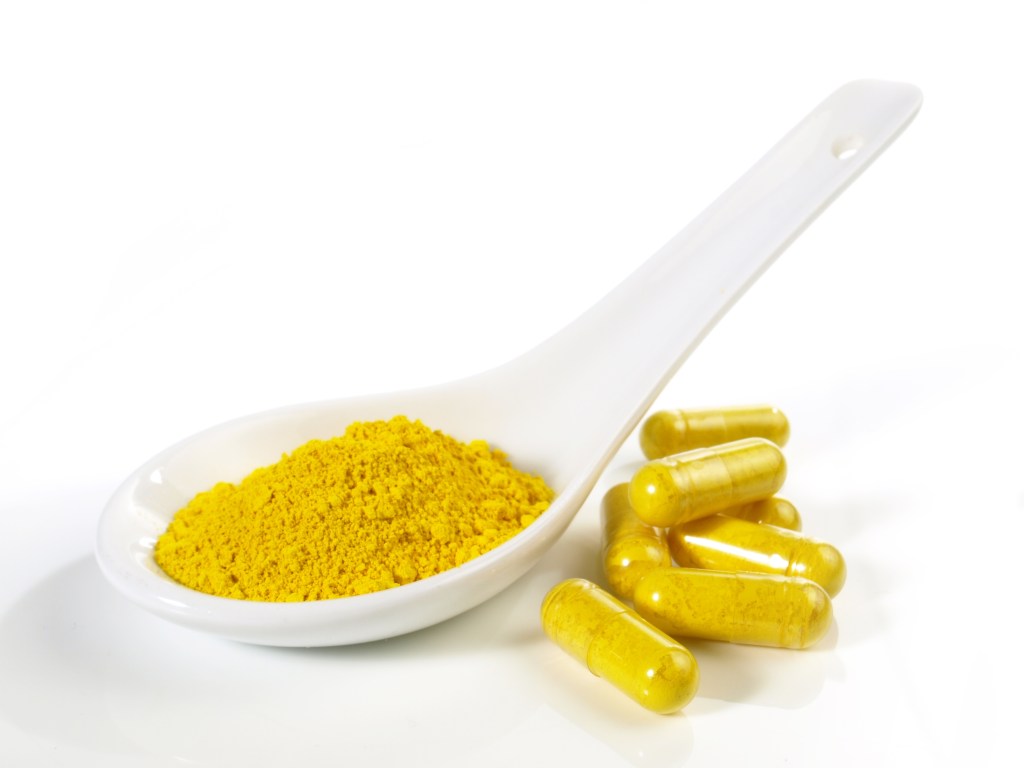
Berberine, often called natural Ozempic, is a plant pigment found in goldenseal, barberry, Oregon grape, and tree turmeric. For centuries, berberine has been used to promote metabolic balance in traditional Ayurvedic and Chinese medicine.
Research published in the Archives of Biochemistry and Physiology found that berberine can directly induce GLP-1 release in the gastrointestinal tract.4
The study summarized that berberine supplementation can help reduce diabetic symptoms, lower blood sugar levels, and enhance cellular insulin sensitivity without showing signs of adverse effects or health risks.
Because berberine modulates GLP-1 secretion and activity, it shows promise as a natural therapeutic option for weight loss and managing metabolic disorders such as type 2 diabetes and obesity.
2. Panax ginseng
Similar to berberine, Panax ginseng has been found to stimulate GLP-1 release, potentially offering a natural alternative to semaglutide drugs.
Evidence published in the Journal of Ginseng Research investigated the weight loss effects of Panax ginseng and concluded, “After ginseng intake, significant decreases were observed in body weight and body mass index.” 5
Panax ginseng is widely available as a dietary supplement and is generally considered safe and not associated with adverse health outcomes.
Tips for fast and healthy weight loss
In addition to taking natural GLP-1 agonists, the most effective strategy for avoiding weight gain and achieving sustainable weight loss is to make beneficial dietary and lifestyle changes.
Carbs and sugars are rapidly absorbed, causing high blood sugar levels and excessive insulin release. Insulin signals the availability of abundant energy, shifting the body into fat-storing mode.
This explains why a diet high in sugars and carbs increases fat mass and is the primary driver of obesity, type 2 diabetes, and metabolic syndrome.
Here are two dietary and lifestyle habits for fast and healthy weight loss.
Follow Healthy Keto®
Consuming a diet that limits carbohydrates and sugars helps maintain blood sugar and insulin balance, which is crucial for promoting fat loss.
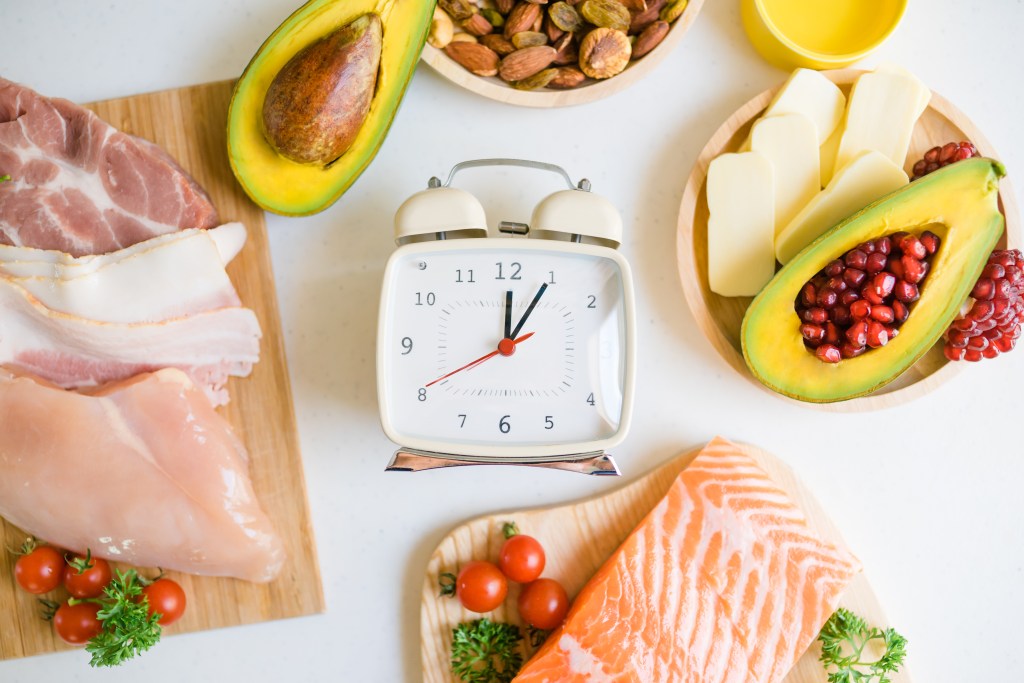
Healthy Keto® is a nutritious low-carb diet focusing on healthy fats, high-quality protein, organic produce, and high-fat dairy products.
This nutrient-dense ketogenic diet shifts the body into ketosis, a metabolic state achieved by carbohydrate restriction. During ketosis, the body utilizes fat to generate energy, thereby reducing fat mass and promoting weight loss.
A large review study published in Canadian Family Physician confirms the metabolic benefits of a ketogenic diet and found that high-fat diets are significantly more effective for weight loss than low-fat diets.6

Practice intermittent fasting
You can maximize the weight loss benefits of the ketogenic diet by combining Healthy Keto with intermittent fasting (IF). This mealtime schedule alternates between fasting periods and time-restricted eating windows.
During fasting periods, the body relies on stored body fat as a fuel source, which can help achieve rapid weight loss.
Individuals who follow keto tend to lose significant amounts of weight when practicing IF, as their metabolism is already primed and adapted to utilizing fat as their primary fuel source.
Following Healthy Keto and practicing IF is an excellent strategy for regulating blood sugar levels, maintaining balanced insulin secretion, and achieving fast weight loss.
What’s more, this approach doesn’t require financial investment and isn’t associated with long-term health risks, making it a safe and effective alternative to Ozempic.
Key takeaways
- Ozempic aids weight loss but may cause nausea, digestive issues, kidney damage, and increased cancer risk.
- Berberine and Panax ginseng are considered alternatives to Ozempic as they naturally stimulate GLP-1 and support metabolic health.
- A Healthy Keto diet helps balance insulin levels, which promotes fat-burning and supports effective and sustainable weight management.
- Intermittent fasting can accelerate fat loss, especially when paired with a low-carb, high-fat diet.
- Natural strategies can offer effective, safe, and sustainable alternatives to pharmaceutical weight-loss drugs.
FAQ
1. What is nature’s Ozempic?
2. What are the best natural alternatives to Ozempic?
3. Do any foods mimic Ozempic?
4. Is berberine as effective as Ozempic?
5. Is Ozempic safe?
Sources
- https://www.uclahealth.org/news/article/ozempic-program-reducing-obesity#:~:text=Semaglutide%20drugs%20Ozempic%20and%20Wegovy,over%20the%20past%20five%20years. ?
- https://www.ncbi.nlm.nih.gov/pmc/articles/PMC9486455/ ?
- https://www.ncbi.nlm.nih.gov/pmc/articles/PMC9631444/ ?
- https://pubmed.ncbi.nlm.nih.gov/37921026/ ?
- https://www.ncbi.nlm.nih.gov/pmc/articles/PMC3986624/#:~:text=After%20ginseng%20intake%2C%20significant%20decreases,kg%2Fm2%2C%20respectively. ?
- https://www.ncbi.nlm.nih.gov/pmc/articles/PMC6371871/ ?
Related Articles
-
Does Bone Broth Break a Fast?
 Diet
DietDoes Bone Broth Break a Fast?
At a glance While bone broth is often considered fasting-friendly, it does contain calories and amino acids that can interrupt the metabolic state of fasting. While it’s rich in collagen,…03/27/2026 -
How Estrogen Levels Change During Menopause
 Health concerns
How Estrogen Levels Change During Menopause
At a glance Estrogen levels fluctuate before menopause and decline after a woman’s final period, shaping how the body functions during midlife and beyond. These changes can trigger common menopausal…03/06/2026 10.4k views -
Why Am I Craving Fatty Foods? 3 Reasons
 Diet
DietWhy Am I Craving Fatty Foods? 3 Reasons
At a glance Cravings for fatty foods are often linked to bile insufficiency, impaired fat digestion, and underlying hormonal or nutritional demands that signal the body’s need for more fat….02/12/2026 -
Potential Side Effects of Fasting and How to Avoid Them
 Diet
DietPotential Side Effects of Fasting and How to Avoid Them
At a glance Fasting is widely used to support metabolic health and weight management. While many people tolerate this eating pattern well, others may experience side effects of fasting. Understanding…01/23/2026 11.7k views -
Does OMAD (One Meal a Day) Slow Metabolism?
 Diet
DietDoes OMAD (One Meal a Day) Slow Metabolism?
At a glance OMAD is a fasting method that consolidates daily calorie intake into one meal, extending fasting to approximately 23 hours. Because metabolic efficiency primarily depends on dietary composition,…01/16/2026 17.7k views -
9 Fast Fat-Burning Methods That Actually Work
 Diet
Diet9 Fast Fat-Burning Methods That Actually Work
At a glance Eating habits strongly influence whether your body enters fat-burning mode by shifting how it produces energy. When carbohydrate intake stays low, blood glucose levels fall, allowing the…12/12/2025 23.3k views -
14-Hour Fast: Benefits and How It Works
 Diet
Diet14-Hour Fast: Benefits and How It Works
At a glance A 14-hour fast is a simplified approach to intermittent fasting that builds on the body’s natural overnight fast, making the transition into time-restricted eating more comfortable. It…12/05/2025 6k views -
7 Amazing Health Benefits of Green Tea
 Nutrition
7 Amazing Health Benefits of Green Tea
At a glance Green tea is rich in beneficial plant compounds that have long been valued for supporting digestion, steady energy, and overall health. Preparing and timing your tea correctly…12/04/2025 15.6k views -
What Is the Best Way to Lose Weight? 5 Tips for Success
 Diet
DietWhat Is the Best Way to Lose Weight? 5 Tips for Success
At a glance Healthy, sustainable weight loss depends on supporting metabolic balance rather than restricting calories. Focusing on nutrient-dense foods and habits that promote normal blood glucose levels and insulin…10/30/2025 -
The 4 Best Exercises to Lose Weight
 Diet
DietThe 4 Best Exercises to Lose Weight
At a glance The best exercises for weight loss support hormone balance, encourage metabolic flexibility, and build lean muscle to support ongoing fat burning. Pairing strategic movement and proper recovery…10/24/2025


