

At a glance
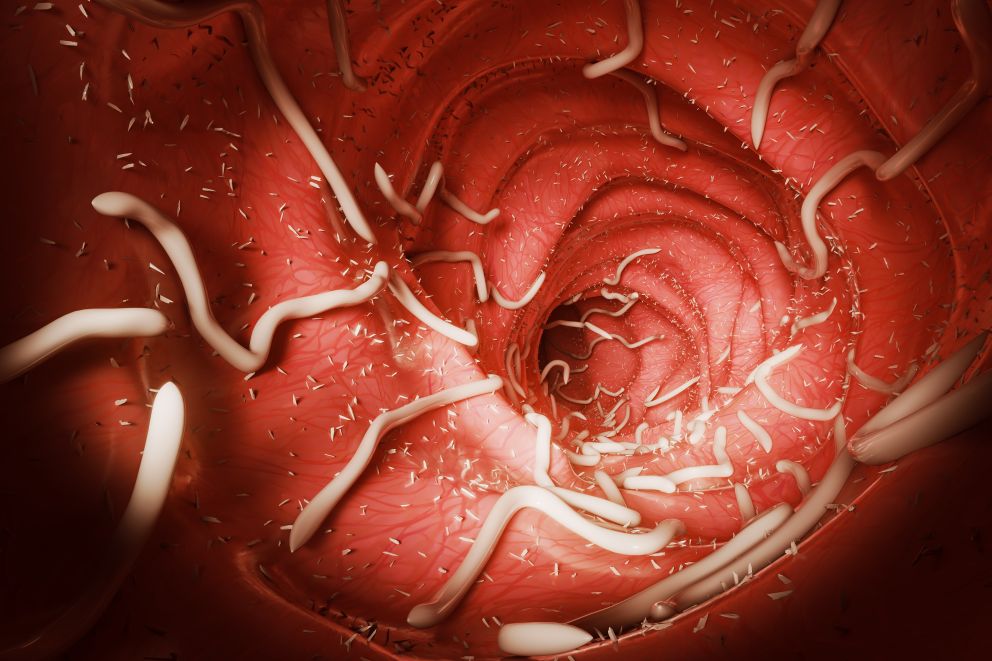
Parasitic infections occur when worms or protozoa colonize the body, often through exposure to contaminated pets, food, or water. These organisms can interfere with digestion and other vital processes, contributing to symptoms such as bloating, fatigue, and cravings. Natural strategies, such as oregano and garlic, may help kill parasites while supporting gut health and overall well-being.
Parasites are harmful organisms that exploit their host for survival and commonly enter the human body through contaminated food, water, or environmental exposure.
These organisms deplete nutrients, drain resources, and activate immune responses, compromising overall health and disrupting normal digestive, hormonal, and metabolic function.
Discover common symptoms and root causes of parasitic infection, and learn how to kill parasites naturally.
What are parasites?
Parasites are harmful organisms that survive and thrive by living on or inside a host, draining its nutrients and resources to grow and reproduce.
Intestinal parasites, medically referred to as intestinal parasitosis, can interfere with digestion and nutrient absorption, while blood parasites can weaken the immune system and contribute to fatigue.
As they multiply, parasites can impact multiple systems in the body, including the digestive tract, skin, and nervous system, making early detection and management crucial for maintaining overall health.
Common parasites in humans include single-cell protozoa such as Giardia, Cryptosporidium, and Entamoeba, which primarily infect the gastrointestinal tract but may also affect the bile ducts and liver.
Helminths, such as roundworms, hookworms, or tapeworms, can also inhabit the digestive tract, while ectoparasites, including lice and scabies mites, infest the scalp and skin.
Watch the video below to learn more about parasites and how to eliminate them naturally.
Signs you may have a parasitic infection
While some parasites may not cause immediate symptoms, many disrupt normal bodily functions by competing for the host’s nutrients, damaging tissues, and triggering immune responses.
Common signs of parasitic infection include:
- Abdominal pain
- Anal or genital itching
- Anxiety or mood changes
- Bloating
- Bloody stool
- Brain fog
- Chronic fatigue
- Constipation
- Cravings for milk products or sugar
- Diarrhea
- Hunger or dissatisfaction after meals
- Nausea
- Rashes
- Sneezing or sinus issues
- Teeth grinding at night
- Unexplained weight loss
In young children, restlessness, difficulty sleeping, irritability, and bedwetting are often linked to pinworms, which are tiny thread-like worms that infect the intestines.
What causes a parasitic infection?
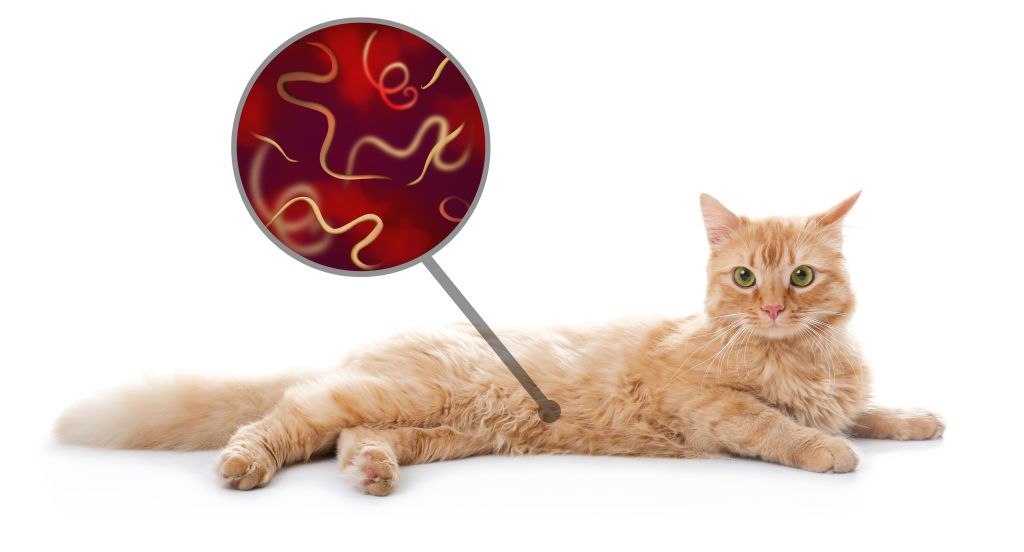
Pets, especially dogs and cats, can carry parasites and transmit them to humans through close contact. The risk of human intestinal parasitosis increases without proper hygiene, including washing hands and disinfecting living areas shared with animals.
Certain lifestyle and health factors can also increase susceptibility to intestinal parasites. The use of antibiotics can disrupt the balance of gut microbiota and weaken the immune system, making it easier for intestinal parasitic infections to develop.
Consuming raw or undercooked meats or low-quality sushi can introduce worm eggs or adult worms directly into the digestive tract.
Additionally, low stomach acid can contribute to parasite infections, as stomach acid helps kill many opportunistic parasites, worm eggs, and other harmful microorganisms before they can reach the intestines.
Traveling to developing regions in Africa, Asia, Central America, South America, Mexico, or the Middle East, and consuming local food or water can increase the risk of tapeworm infections and other parasite-related health issues.
7 natural tips for dealing with parasites
Parasites can interfere with digestion, nutrient absorption, and overall health, making timely management essential to minimize the risk of a worsening infection.
Here are seven natural strategies to support the body’s defenses against parasites.
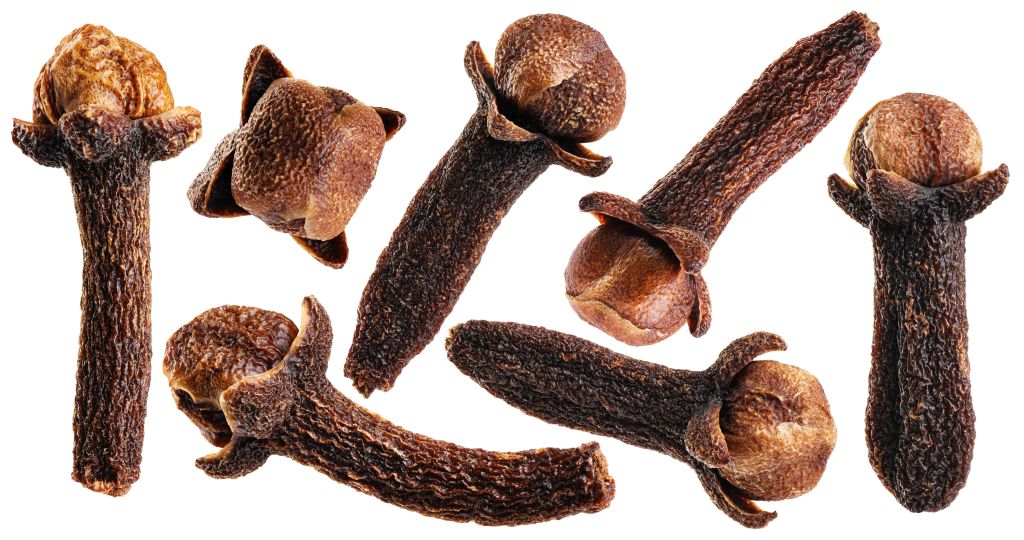
1. Clove-infused oil
Clove is a rich source of eugenol, a naturally occurring compound with broad antiparasitic and antimicrobial properties. Eugenol may be effective for managing parasitic worms, such as roundworms, and protozoan parasites that infect humans and can cause serious illnesses.
This compound is believed to disrupt the membranes of parasite cells and inhibit energy metabolism, which can impair growth and ultimately lead to death in some species.
Infusing whole clove buds in a carrier oil, such as coconut oil, provides a practical approach to an at-home parasite cleanse. Coconut oil contains lauric acid, a fatty acid that may enhance clove’s ability to manage intestinal worms and other parasites.
However, high doses of concentrated clove can be toxic, and it’s recommended to consult your healthcare provider before adding it to your routine.
2. Garlic cloves
Raw garlic has been used for centuries as a natural antibiotic and antiparasitic agent to help manage parasite and microbial infections.
Its sulfur-containing compounds, such as allicin, exhibit powerful antiparasitic activity against worms, protozoa, and even malaria-causing parasites transmitted by mosquitoes.
A study published in Microbes and Infection concluded, “Allicin in its pure form was found to exhibit antibacterial activity against a wide range of Gram-negative and Gram-positive bacteria, as well as antifungal and antiparasitic activity, including some major human intestinal protozoan parasites such as Entamoeba histolytica and Giardia lamblia.”
3. Oregano-infused oil
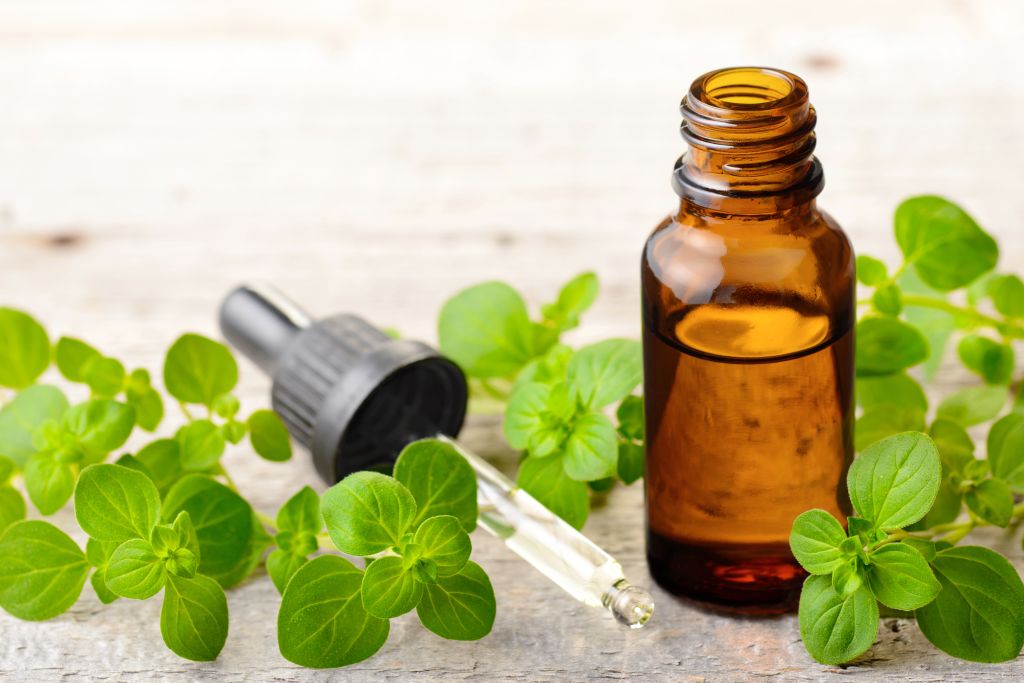
Oregano offers compounds such as carvacrol and thymol that may help inhibit the growth and activity of certain intestinal worms.
These compounds may also affect protozoan parasites, such as Giardia lamblia, Entamoeba histolytica, and Blastocystis hominis, which are associated with gastrointestinal infections that cause various unpleasant symptoms, including diarrhea, abdominal cramps, and fatigue.
Infusing oregano in extra virgin olive oil provides a flavorful way to incorporate these compounds into your diet.
Olive oil not only helps extract fat-soluble plant compounds but also contributes potent polyphenols, such as oleuropein, hydroxytyrosol, and tyrosol, that may further support oregano’s antiparasitic effects.
4. Pumpkin seeds
Pumpkin seeds have been used in traditional medicine to manage various worm infections, both in humans and livestock.
This is likely due to the antiparasitic compounds in pumpkin seeds, such as cucurbitine, an amino acid that has been shown to paralyze worms, which makes them easier to expel from the digestive tract.
Pumpkin seeds are typically consumed raw, roasted, or ground, offering a simple way to incorporate their parasite-fighting benefits into your daily routine.

5. Avoid dairy and sugar
Parasites thrive on sugars, which explains why diets high in refined carbohydrates and dairy can create an environment that encourages their survival and proliferation.
These foods can also trigger gut inflammation and weaken the immune system, making it more challenging for the body to fight infections.
“Refined sugars and carbohydrates can fuel parasite growth, as many rely on simple sugars, such as dairy-derived lactose, for energy and reproduction,” explains Dr. Berg. “Limiting these foods can help starve parasites of the metabolic fuel they depend on.”
6. Consume probiotic-rich foods
Fermented foods, such as sugar-free yogurt, kefir, and sauerkraut, are rich sources of beneficial bacteria that can strengthen the gut microbiome and help defend against parasitic infections.
These microbes may inhibit parasite growth by producing antimicrobial compounds, competing for nutrients, and maintaining a balanced gut environment that makes it more challenging for parasites to establish.
A study published in the Journal of Medical Microbiology found that kefir consumption significantly reduced Giardia infections in animals within just seven days.
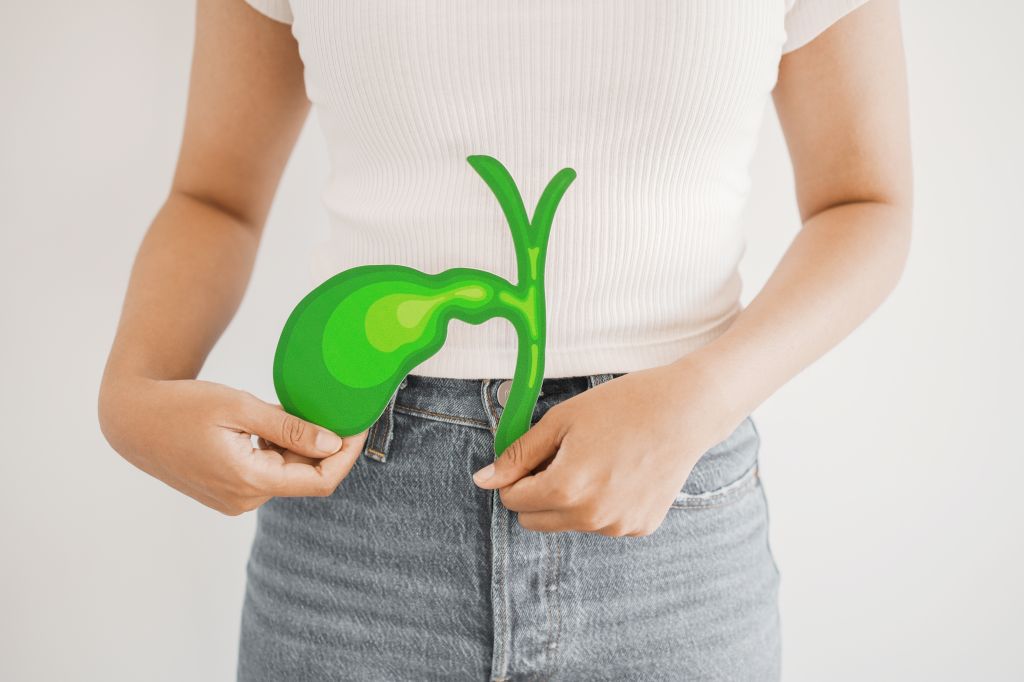
7. Support optimal bile flow
Maintaining optimal concentrations and flow of bile, a crucial digestive fluid produced by the liver, can help defend against parasites such as Giardia lamblia by activating enzymes that generate fatty acids that are toxic to parasites.
Friendly gut bacteria, including Lactobacillus species, have been found to produce enzymes that modify bile acids, subsequently supporting an environment less conducive to parasitic infections.
This has been confirmed by a study published in Frontiers in Microbiology, which reports that these bacterial enzymes and their impact on bile composition can play a significant role in reducing the risk of Giardia infections.
This explains why supporting optimal bile flow through targeted dietary changes can enhance these protective effects.
Bitter greens, such as dandelion and arugula, as well as cruciferous vegetables, and healthy fats like avocado and fatty cuts of meat, stimulate bile production and support liver and gallbladder health, and should be regularly consumed as part of a natural anti-parasite approach.

When to talk to your doctor
Consult your healthcare provider if you experience ongoing or unexplained symptoms associated with intestinal parasite infections, such as abdominal pain, unexplained weight loss, changes in bowel habits, or other digestive system issues.
Inform your doctor if you have any associated risk factors, such as recent travel to areas where parasites are more prevalent, exposure to mosquitoes, ticks, or other insects that carry parasites, use of untreated water, or consumption of potentially contaminated food and beverages.
A clinician can assess your symptoms, order laboratory evaluations to confirm the presence of parasitic diseases, and recommend appropriate treatment options.
Key takeaways
- Parasites are organisms that exploit the host’s resources, often disrupting normal bodily functions and causing digestive issues, skin problems, fatigue, and weight loss.
- Many people are exposed to parasites through contaminated food, water, or animals, insect bites, or travel to regions where parasitic infections are more common.
- Remedies such as garlic, oregano oil, pumpkin seeds, and clove-induced coconut oil may help kill parasites due to their ability to inhibit parasite metabolism and reproduction.
- Avoiding dairy, refined sugars, and carbohydrates can help starve parasites and reduce inflammation that can exacerbate symptoms.
FAQ
- 1. What kills parasites in the body naturally?
- 2. How do you know you have parasites?
- 3. What do you crave when you have parasites?
- 4. What foods kill parasites in humans?
Sources
- Ankri S, Mirelman D. Antimicrobial properties of allicin from garlic. Microbes Infect. 1999;1(2):125-9. doi:10.1016/s1286-4579(99)80003-3
- https://www.researchgate.net/publication/
- “Frontiers.” Frontiers. Frontiers | Deconjugated Bile Salts Produced by Extracellular Bile-Salt Hydrolase-Like Activities from the Probiotic Lactobacillus johnsonii La1 Inhibit Giardia duodenalis In vitro Growth. – frontiersin.org.
Related Articles
-
How Stress Affects Digestion
 Healthy lifestyle
How Stress Affects Digestion
At a glance Stress activates the body's fight-or-flight response, which redirects energy and resources away from digestion. This shift can cause irregular gut motility, abdominal discomfort, alter your gut microbiome,…08/13/2026 -
Keto Poop: How Keto Can Change Your Stool and Why
 Diet
DietKeto Poop: How Keto Can Change Your Stool and Why
At a glance Starting a ketogenic diet can alter stool consistency, frequency, and appearance, often referred to as keto poop. These effects are common and typically indicate that the digestive…02/06/2026 26.2k views -
Sensitive Stomach: Signs, Causes, and Tips
 Health concerns
Sensitive Stomach: Signs, Causes, and Tips
At a glance A sensitive stomach can be linked to stress, dietary changes, or other lifestyle factors affecting gut health, manifesting as recurring discomfort, changes in bowel habits, gas, or…01/30/2026 -
Abdominal Gas and Bloating: Causes and Remedies
 Health concerns
Abdominal Gas and Bloating: Causes and Remedies
At a glance Abdominal gas and bloating can signal underlying digestive issues, such as low stomach acid, poor bile flow, or microbial overgrowth. While occasional bloating is normal, persistent symptoms…01/29/2026 35k views -
6 Reasons You Feel Tired and Fatigued After Eating
 Diet
Diet6 Reasons You Feel Tired and Fatigued After Eating
At a glance Feeling tired after eating can signal underlying blood sugar and metabolic imbalances. High-carb meals, poor digestion, and frequent snacking can cause post-meal fatigue by disrupting insulin and…12/31/2025 26.1k views -
6 Best Supplements for Bloating
 Health concerns
6 Best Supplements for Bloating
At a glance Bloating is a common sign of impaired digestion and may stem from food sensitivities, low digestive fluids, or imbalances in the gut microbiome. Certain supplements and supportive…10/03/2025 -
How to Reset Your Gut Naturally
 Health concerns
How to Reset Your Gut Naturally
At a glance A natural gut reset involves restoring digestive balance through beneficial dietary and lifestyle changes. Supporting the gut microbiome, strengthening the intestinal lining, optimizing bile flow, and maintaining…09/25/2025 -
Gut Health 101: Everything You Need to Know
 Health concerns
Gut Health 101: Everything You Need to Know
At a glance A healthy gut is essential for maintaining optimal digestion, nutrient absorption, strong immune defenses, hormone balance, and mood regulation. When gut function is disrupted, it can lead…09/18/2025 -
GERD Diet: What to Eat and Avoid for Acid Reflux Relief
 Health concerns
GERD Diet: What to Eat and Avoid for Acid Reflux Relief
At a glance Contrary to popular belief, gastroesophageal reflux disease (GERD) is often linked to low stomach acid, not excess gastric acidity. A GERD-friendly diet centered on whole foods, healthy…09/05/2025 -
Can You Use Apple Cider Vinegar for Acid Reflux?
 Health concerns
Can You Use Apple Cider Vinegar for Acid Reflux?
At a glance Acid reflux is often linked to low stomach acid rather than excess gastric acidity, which can lead to digestive fluids backing up into the esophagus. Due to…04/09/2025 110.2k views


