

At a glance
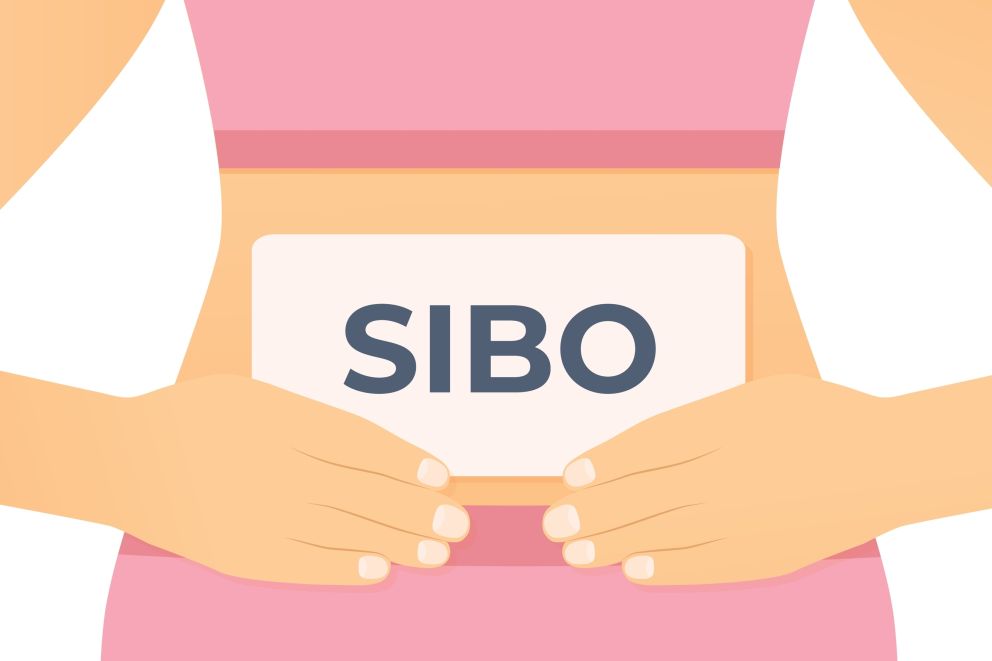
SIBO occurs when excess bacteria disrupt digestion and nutrient absorption in the small intestine. Fasting may help reduce bacterial overgrowth by limiting fermentable fuel sources and improving gut motility. Intermittent fasting also supports gut healing, which may ease common SIBO-related symptoms and inflammation.
Small intestinal bacterial overgrowth (SIBO) is characterized by excessive bacterial growth within the small intestine, which can negatively impact gut health and interfere with digestive system function.
Increasingly more evidence highlights the therapeutic benefits of intermittent fasting for SIBO management due to its potential to improve gut motility and reduce bacterial overgrowth.
Discover how fasting can benefit gut health and learn how caloric restriction may help manage bacterial overgrowth within the small intestines.
What is SIBO?
SIBO is a gut disorder caused by an overgrowth of bacteria in the small intestine, especially bacterial species typically found in the large intestine.
Although the gut microbes responsible for SIBO aren’t considered harmful bacteria when residing in the large intestine, excessive bacterial growth in the small intestine can disrupt digestion and nutrient absorption.
This can lead to various gastrointestinal issues, cause damage to the gut lining, and may contribute to conditions such as irritable bowel syndrome (IBS) and inflammatory bowel disease (IBD).
Research published in Cureus suggests that almost 20 percent of seemingly healthy individuals and a large proportion of those with Crohn’s disease, ulcerative colitis, and IBD have some degree of SIBO.
Watch the video below to learn about the potential health benefits of intermittent fasting for SIBO.
What causes SIBO?
SIBO can be caused by various factors that disrupt the gut microbiome in the digestive tract.
Impaired gut motility is believed to be a significant contributor to SIBO. The abnormal or slow movement of food and waste through the digestive tract can allow bacteria to accumulate and thrive in the small intestinal lumen.
Evidence published in Gastrointestinal and Liver Physiology investigated the role of gut motility and SIBO and concluded, “The protective effect of the intestinal migrating motor complex (MMC) against SIBO is due to the migrating band of small intestinal contractions that clear the luminal content toward the lower intestines.”
Here are common triggers of poor gut motility:
- Chronic stress
- Diabetes
- Hypothyroidism
- Sluggish gallbladder function
- Pancreatitis
- Low stomach acid
- Alcohol consumption
- Regular use of opioids, antibiotics, or antacids
- Structural gut abnormalities
In addition, a dysfunctional gut valve, which separates the small and large intestines, can lead to an influx of gut bacteria into the small intestine.
SIBO can also be triggered or exacerbated by dietary factors, including a high-carb diet. Sugars and carbohydrates provide a readily available fuel source for gut bacteria, which can lead to increased bacterial proliferation if consumed regularly.

Symptoms of SIBO
When gut bacteria are present in the small intestine, dietary carbohydrates undergo bacterial fermentation before they can be properly broken down and digested, which is linked to various gastrointestinal issues.
The overgrowth of bacteria can also trigger intestinal inflammation and damage the gut lining, leading to increased intestinal permeability, also known as leaky gut.
A leaky gut can allow the influx of toxins and partially digested food particles into the bloodstream. This can trigger systemic inflammation and immune responses that may contribute to health problems, including food sensitivities, allergies, and autoimmune conditions.
In addition, bacterial overgrowth along the gut lining can interfere with nutrient absorption, which can lead to fat malabsorption and increase the risk of nutrient deficiencies.
A study published in the American Journal of Gastroenterology found that SIBO can significantly decrease the absorption of fat-soluble nutrients, including vitamins A, D, and E, and can contribute to vitamin B3, B5, B12, and iron deficiencies.
Because SIBO has many adverse effects, it can impact various aspects of overall well-being, including digestive functions, nutritional status, immune defenses, and even mental health.
Here are common symptoms associated with SIBO:
- Abdominal pain
- Diarrhea
- Constipation
- Bloating and gas
- Fatigue
- Unexplained weight loss
- Depression and anxiety
- Food sensitivities
- Nausea
- Skin issues
Benefits of fasting for SIBO
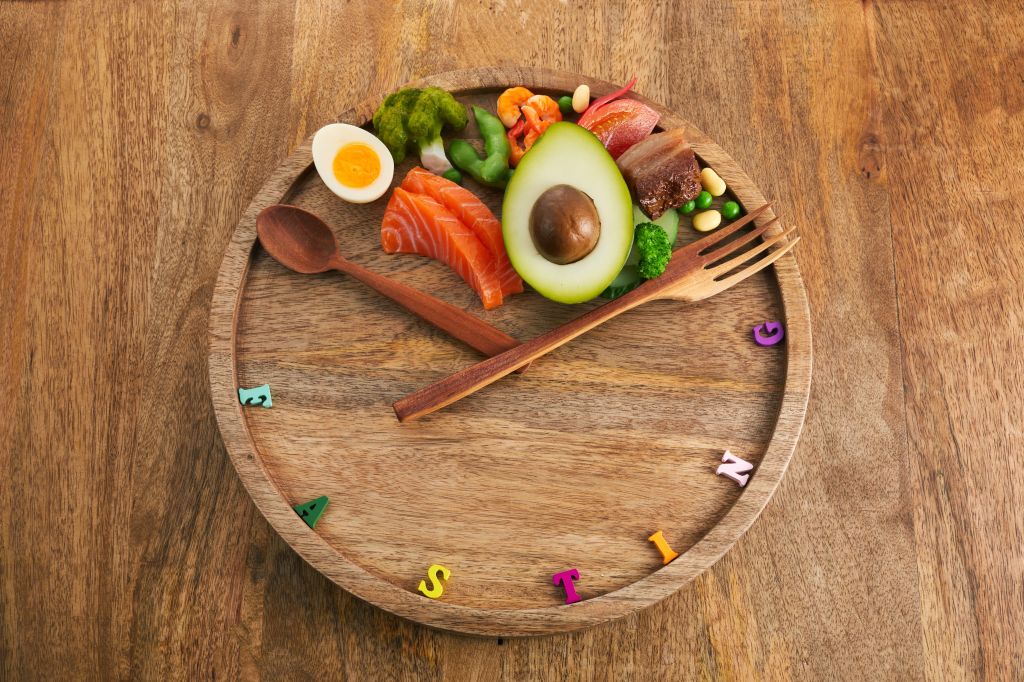
Fasting refers to abstaining from all types of food and calorie-containing beverages for a set period of time.
Different fasting methods include intermittent fasting, which involves cycling between eating and fasting periods, and extended caloric restriction, such as 24-hour or 48-hour fasts.
Fasting has become a widespread practice to support weight loss, improve blood pressure regulation, and enhance insulin sensitivity. In addition, limiting food intake can profoundly benefit digestive health.
Not only does caloric restriction reduce the availability of fermentable carbohydrates that fuel bacterial overgrowth, but it also helps allow the gut lining time to heal.
A study published in Medicine in Microecology found that fasting promotes the growth of beneficial gut bacteria in the large intestine and helps lower concentrations of Fusobacterium, a microbial species commonly seen in those affected by SIBO.
Furthermore, fasting can enhance gut motility by allowing the digestive system to rest and rejuvenate. This supports effective clearance of undigested food and bacteria, which helps reduce bacterial overgrowth and improve overall gut function.
Fasting’s ability to trigger autophagy may also play a crucial role in maintaining digestive health and microbial balance.
Autophagy is a cellular repair and recycling mechanism that can be triggered by extended fasting periods. This vital biochemical process removes damaged cells and regenerates new ones, which can help repair the gut lining and reduce SIBO-related gastrointestinal inflammation.

How to get started with fasting
While prolonged fasting routines such as 24-hour or 48-hour fasts yield the most benefits for managing SIBO, achieving extended periods of caloric restriction can be challenging.
Therefore, it’s generally recommended to start by practicing intermittent fasting, aiming for a 16- or 18-hour fasting period followed by an 8- or 6-hour eating window. This helps the body adjust to restricted food intake and allows you to gradually extend fasting periods.
Consuming nutritious meals rich in healthy fats during your eating windows is vital to curb hunger and craving sensations while fasting, which helps prolong periods of caloric restriction.
Fasting can lead to temporary dehydration and electrolyte loss, which are common causes of fasting-related side effects such as fatigue, dizziness, muscle spasms, and headaches.
To mitigate these potential issues, it’s crucial to stay well-hydrated and replenish electrolytes. Additionally, pay close attention to your body and adjust your fasting schedule as needed.
While fasting can have profound benefits for the gastrointestinal system, caloric restriction isn’t recommended for pregnant or nursing mothers and individuals with eating disorders.
In addition, it’s essential that those with underlying health conditions consult a medical professional before starting a fasting routine to ensure it’s safe for their specific health needs.
More tips for dealing with SIBO
By making beneficial dietary changes and using natural remedies to target gut health, you can maximize the impressive benefits of fasting for managing SIBO.
Here are three steps you can take to combat SIBO.
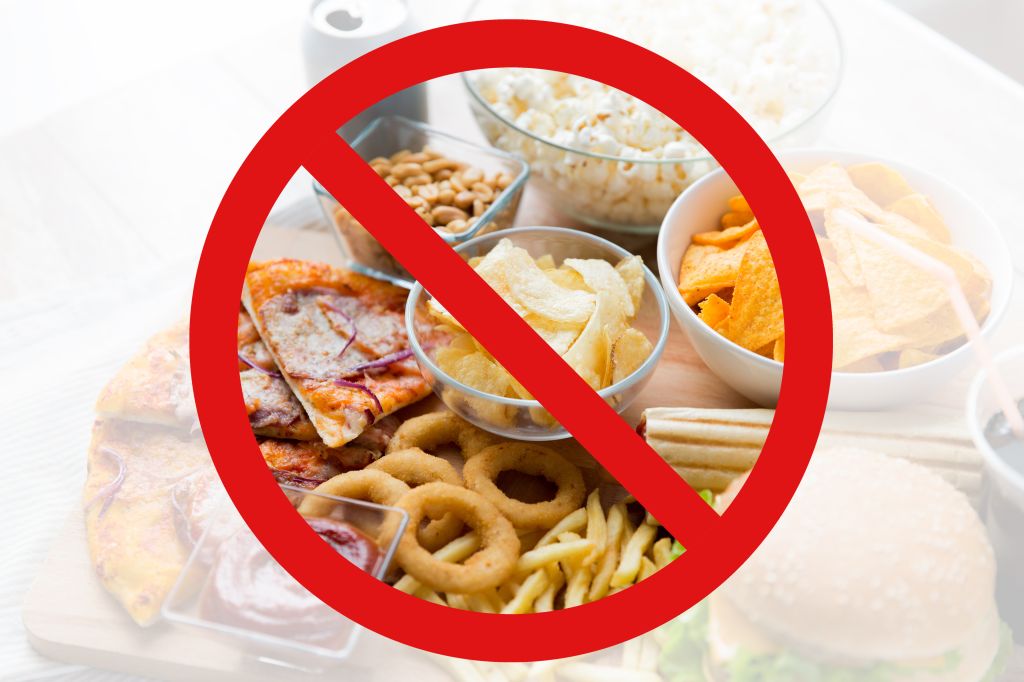
1. Restrict carbohydrates and sugar
Gut bacteria associated with SIBO utilize carbohydrates and sugars as primary fuel sources, allowing them to thrive and proliferate.
Therefore, following a low-carb diet such as Healthy Keto® can help starve these bacteria, reduce their numbers, and alleviate SIBO symptoms.
In addition to limiting carbs, Healthy Keto focuses on nutrient-dense whole foods, offering ample essential nutrients. This is crucial for restoring gut health and addressing potential SIBO-related nutritional deficiencies.
2. Incorporate oregano
Oregano and oregano-infused oil are rich sources of thymol and carvacrol, a class of phenolic compounds with powerful antimicrobial properties that can target and reduce harmful bacterial overgrowth in the small intestines.
“Incorporating oregano into your diet can help support a healthier microbial balance, ease digestive discomfort, and promote overall gut resilience,“ explains Dr. Berg.
3. Support optimal bile flow
Maintaining healthy bile flow by supporting gallbladder function can help manage SIBO by improving fat digestion and creating an environment less favorable for bacterial overgrowth.
You can support bile flow by eating bitter foods such as arugula, dandelion greens, radicchio, artichokes, and lemon, which naturally stimulate gallbladder contractions and bile flow.
In addition, prioritizing nourishing fats from sources such as olive oil, avocados, nuts, and fatty fish also helps trigger bile release and keep it moving efficiently.
Key takeaways
- Fasting limits the intake of carbohydrates that fuel bacterial overgrowth in the small intestine, helping reduce SIBO-related fermentation and associated symptoms.
- Intermittent fasting can help improve gut motility and support the clearance of undigested food and microbes.
- Caloric restriction allows the gut lining to rest and repair, which may help alleviate gut inflammation associated with SIBO.
- Following Healthy Keto, incorporating oregano, and supporting optimal bile flow provide additional support for managing bacterial imbalances in the small intestine.
FAQ
- 1. What are the benefits of fasting for managing SIBO?
- 2. Does fasting starve gut bacteria?
- 3. What are the main symptoms of SIBO?
- 4. How do you calm a SIBO flare?
Sources
- Achufusi TGO, Sharma A, Zamora EA, Manocha D. Small Intestinal Bacterial Overgrowth: Comprehensive Review of Diagnosis, Prevention, and Treatment Methods. Cureus. 2020;12(6):e8860. https://pmc.ncbi.nlm.nih.gov/articles/PMC7386065/
- Deloose E, Tack J. Redefining the functional roles of the gastrointestinal migrating motor complex and motilin in small bacterial overgrowth and hunger signaling. American Journal of Physiology-Gastrointestinal and Liver Physiology. 2016;310(4):G228-G233. https://journals.physiology.org/doi/full/10.1152/ajpgi.00212.2015
- https://journals.lww.com/ajg/fulltext/2015/10001/
- https://www.sciencedirect.com/science/article/pii/S2590097819300035
Related Articles
-
Fasting on Workdays: A Practical Approach
 Diet
DietFasting on Workdays: A Practical Approach
At a glance Time-restricted eating may be one of the most practical forms of intermittent fasting for busy workdays. When paired with the right dietary strategy, a consistent fasting schedule…09/24/2026 -
What to Eat After a 72-Hour Fast and What to Avoid
 Diet
DietWhat to Eat After a 72-Hour Fast and What to Avoid
At a glance A 72-hour fast shifts the body toward greater reliance on stored fat and changes how nutrients are handled when eating is resumed. Reintroducing food afterward can affect…09/18/2026 -
Fasting Hunger Waves: How to Ride Them Out
 Diet
DietFasting Hunger Waves: How to Ride Them Out
At a glance Intermittent fasting may support weight loss, fat burning, and metabolic health by lowering insulin levels and shifting the body toward using fat stores for fuel. Fasting hunger…09/10/2026 -
7 Common Intermittent Fasting Myths Debunked
 Diet
Diet7 Common Intermittent Fasting Myths Debunked
At a glance Intermittent fasting is an increasingly popular dietary pattern that is often misunderstood. Many common concerns surrounding intermittent fasting, including muscle loss, hormonal disruption, and metabolic slowdown, are…09/03/2026 -
What Is Time-Restricted Eating?
 Diet
DietWhat Is Time-Restricted Eating?
At a glance Time-restricted eating is a form of intermittent fasting that limits meals to a consistent daily eating window. This approach focuses on when food is consumed rather than…08/13/2026 -
Does Intermittent Fasting Affect Your Metabolism?
 Diet
DietDoes Intermittent Fasting Affect Your Metabolism?
At a glance Intermittent fasting impacts metabolism by shifting the body towards ketosis, improving insulin sensitivity, and enhancing metabolic flexibility. While fasting can support weight management and metabolic efficiency, results…07/23/2026 -
What Is the Best Meal Timing for Stable Energy?
 Diet
DietWhat Is the Best Meal Timing for Stable Energy?
At a glance Meal timing can influence daily alertness, hunger cues, and blood sugar patterns. The body processes food according to internal rhythms that affect insulin, digestion, and metabolic activity.…07/17/2026 -
Fasting and Cancer: What to Know
 Fasting
Fasting and Cancer: What to Know
At a glance Fasting has been increasingly studied for its potential role in cancer prevention and support during treatment. By influencing cellular metabolism, promoting autophagy, and modulating immune function, fasting…07/16/2026 -
36-Hour Fasting: Benefits, Safety, and How It Works
 Diet
Diet36-Hour Fasting: Benefits, Safety, and How It Works
At a glance A 36-hour fast is a prolonged fasting strategy that shifts the body into ketosis, promoting fat burning, improved insulin sensitivity, and cellular repair through autophagy. These metabolic…06/25/2026 -
Does Fasting Help with Inflammation?
 Diet
DietDoes Fasting Help with Inflammation?
At a glance Fasting is a powerful tool for reducing inflammation and supporting overall health. By promoting fat burning and activating cellular repair processes, fasting can help lower pro-inflammatory markers.…06/05/2026


