


At a glance
Feeling tired after eating can signal underlying blood sugar and metabolic imbalances. High-carb meals, poor digestion, and frequent snacking can cause post-meal fatigue by disrupting insulin and energy regulation. Identifying the cause and adopting better eating habits can help restore balanced energy and reduce drowsiness after meals.
While feeling tired and fatigued after eating is a common phenomenon, it shouldn’t be considered normal and may signal underlying hormonal health issues.
Meals that leave you feeling sluggish rather than energized can point to poor blood sugar control, insulin resistance, and other metabolic imbalances.
Discover six causes of post-meal drowsiness and learn helpful tips to boost energy levels, enhance digestive function, and support overall metabolic health.
What causes sleepiness after eating?
Feeling tired after eating is typically a sign of metabolic dysregulation, as it indicates that your body struggles to convert food into energy.
Here are six leading causes of sleepiness after eating.
1. A high-carb diet
Refined sugars and carbohydrates cause rapid increases in blood sugar levels, which trigger the release of insulin, a key hormone that regulates glucose levels.
Chronically elevated blood sugar levels can render cells less responsive to insulin, a metabolic condition known as insulin resistance (IR). IR is defined by cells’ inability to effectively absorb blood sugar and convert it into energy, leading to fatigue despite eating regularly.
High-carb diets also increase concentrations of plasma tryptophan, an amino acid precursor to serotonin, which is a neurotransmitter that helps regulate the sleep cycle and produce melatonin.
A study published in The American Journal of Clinical Nutrition found that dietary carbohydrate intake induced daytime sleepiness while simultaneously interfering with the regulation of a balanced sleep cycle.
2. Excessive protein intake
Moderate protein consumption is vital for sustaining energy, promoting satiety, and supporting mental clarity. However, excessive protein intake can lead to blood sugar fluctuations and tiredness after eating.
“Eating too much lean protein can trigger gluconeogenesis, a metabolic process that converts surplus amino acids into glucose,” explains Dr. Berg. “Gluconeogenesis can raise blood sugar and insulin levels, contributing to post-meal fatigue.”
3. Low stomach acid
Inadequate stomach acid levels may contribute to post-meal sluggishness by impairing proper digestion and nutrient absorption.
Poor digestion can make you feel tired after eating, as the body diverts a large amount of blood to the digestive tract for longer periods to compensate for inefficient breakdown of food.
When stomach acid is low, digestion slows, and the stomach works harder to process nutrients, drawing energy and blood flow away from other organs and tissues, which can lead to feelings of sluggishness or drowsiness.
4. Food sensitivities
Consuming food irritants like dairy, soy, or gluten can contribute to post-meal fatigue in sensitive individuals by triggering inflammation that redirects the body’s energy from digestion toward immune activity.
Additionally, food intolerances can irritate the gut lining and contribute to gut dysbiosis, which can hinder nutrient absorption and disrupt blood sugar regulation, essential for maintaining stable energy levels.

5. Frequent eating
People who experience post-lunch sleepiness often snack between meals in an attempt to raise their blood sugar levels and restore energy.
However, this pattern of frequent eating leads to continuous blood sugar fluctuations, causing energy crashes, increased fatigue, and greater dependence on constant snacking to maintain alertness.
6. Drinking too much caffeine
Caffeine temporarily increases alertness and perceived energy levels by blocking adenosine receptors, which play a crucial role in balancing energy levels and regulating sleep.
However, consuming excessive amounts of caffeine can lead to a rebound effect, meaning that once the stimulant wears off, adenosine floods the receptors caffeine blocked, which can intensify drowsiness and contribute to post-meal sleepiness.
Watch the video below to learn more about why you feel sleepy after eating.
Is feeling tired and fatigued after eating normal?
Many people experience postprandial somnolence, commonly referred to as post-meal tiredness or food coma, particularly after consuming large, carbohydrate-rich meals.
Occasionally, mild drowsiness can occur due to hormonal shifts, changes in gut function, the composition of the meal, or the body redirecting blood flow to the digestive system.
However, chronic fatigue and post-meal sleepiness aren’t normal and may indicate an underlying health condition, often resulting from blood sugar fluctuations, insulin imbalances, and metabolic dysfunction.
Food supplies the body with energy to support physiological functions, which means you should feel alert and energized after eating rather than sluggish.
If you feel tired after eating, your fatigue may be connected to metabolic imbalances. Using a glucose monitor can be a helpful strategy for measuring changes in your blood sugar levels after meals and gaining deeper insight into your metabolic health.
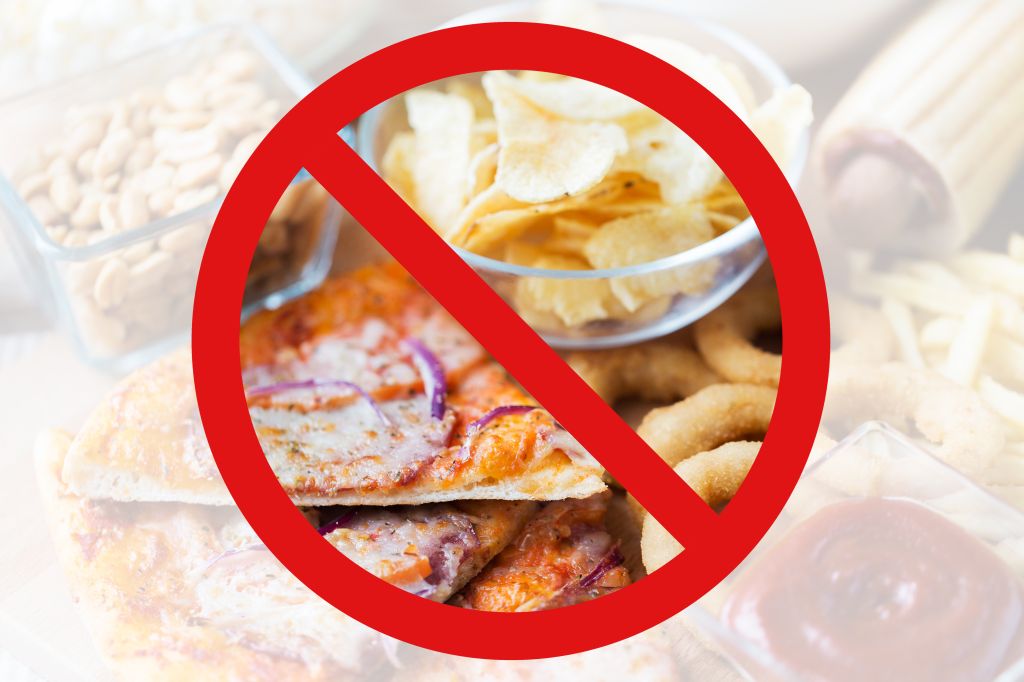
Tips to combat post-meal fatigue
If you often feel sleepy after eating, simple but effective lifestyle and dietary changes can help improve your energy levels and support metabolic balance.
Here are five practical strategies to combat post-meal fatigue.
1. Follow a Healthy Keto® diet
The Healthy Keto® diet focuses on high-fat, moderate-protein, and low-carbohydrate intake, which is an ideal macronutrient ratio to minimize post-meal fatigue.
Reducing carbohydrates to below 50 grams of net carbs daily prompts the body to transition into a metabolic state of fat burning, known as ketosis, which helps promote stable blood sugar and insulin levels.
Healthy fats and high-quality protein sources, such as avocados, olive oil, nuts, eggs, grass-fed beef, and wild-caught fatty fish, provide a steady fuel source, promote satiety, and can help reduce fatigue and brain fog after meals.
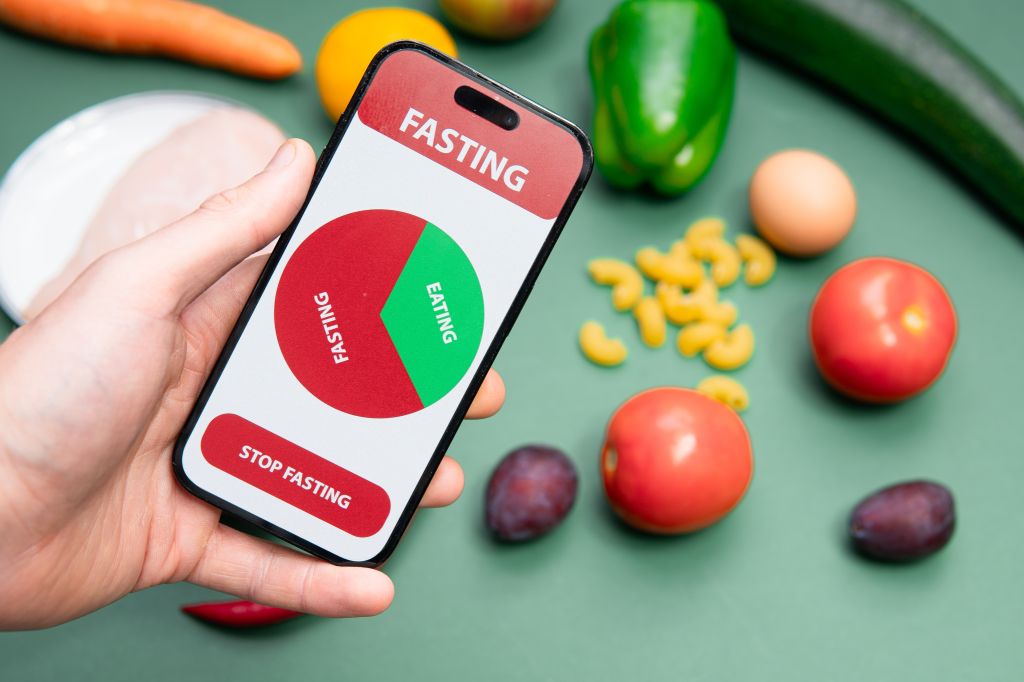
2. Practice intermittent fasting
Intermittent fasting involves alternating periods of eating windows and fasting. This meal-time pattern promotes insulin sensitivity by allowing blood sugar and insulin levels to stabilize between meals.
When combined with a nutritious low-carb Healthy Keto diet, intermittent fasting helps optimize metabolic health and promote consistent energy levels throughout the day.
3. Stay physically active
Walking or engaging in light movement can help avoid tiredness after eating by encouraging the muscles to absorb excess glucose from the bloodstream, which reduces the sleep-inducing effects of blood sugar elevations.
A study published in Nutrients found that “…a 30 min postprandial brisk walking session improves the glycemic response after meals with different carbohydrate content and macronutrient composition, with implications for postprandial exercise prescription in daily life scenarios.”
Exercise also increases gut motility and boosts oxygen to the brain, which can enhance mental clarity and reduce post-meal drowsiness.

4. Prioritize hydration
Staying hydrated before and after meals can help combat postprandial fatigue by supporting smooth digestion, optimal nutrient absorption, and healthy blood volume.
Drinking adequate amounts of water also ensures oxygen and nutrients are efficiently transported to the cells, the brain, and muscle tissues, helping reduce feelings of sluggishness.
5. Focus on restful sleep
A consistent sleep schedule is vital for maintaining a stable circadian rhythm. This helps regulate hormones that support blood sugar balance, appetite control, and metabolic hormones, including insulin and cortisol.
A study published in Healthcare found that poor sleep quality disrupts hormonal balance, leading to higher blood sugar levels after meals, fatigue, and cravings for carbohydrates and sugar.
Key takeaways
- Blood sugar fluctuations and insulin resistance are common reasons why you feel tired and fatigued after eating.
- High-carb diets, low stomach acid, and undetected food sensitivities can impair digestion and energy production, leading to post-meal drowsiness.
- Frequent eating and excess caffeine may worsen fatigue after a meal and contribute to metabolic imbalances.
- A low-carb, Healthy Keto diet in combination with intermittent fasting helps stabilize blood sugar balance and support sustained energy throughout the day.
- Regular movement, hydration, and quality sleep can all contribute to improved post-meal alertness and better metabolic health.
FAQ
- 1. Why do I feel tired and fatigued after eating?
- 2. Can certain foods make fatigue worse?
- 3. How can I tell if my blood sugar is causing my fatigue?
- 4. Does caffeine help or hurt post-meal fatigue?
- 5. What’s the best type of meal for sustained energy?
Sources
- https://www.sciencedirect.com/science/article/
- https://pubmed.ncbi.nlm.nih.gov/35268055/
- Daza EJ, Wac K, Oppezzo M. Effects of Sleep Deprivation on Blood Glucose, Food Cravings, and Affect in a Non-Diabetic: An N-of-1 Randomized Pilot Study. Healthcare (Basel). 2019;8(1):6. https://pubmed.ncbi.nlm.nih.gov/31881721/
Related Articles
-
Does Fasting Help with Inflammation?
 Diet
DietDoes Fasting Help with Inflammation?
At a glance Fasting is a powerful tool for reducing inflammation and supporting overall health. By promoting fat burning and activating cellular repair processes, fasting can help lower pro-inflammatory markers.…06/05/2026 -
How to Get All Essential Nutrients in One Meal
 Diet
DietHow to Get All Essential Nutrients in One Meal
At a glance OMAD follows a 23:1 fasting pattern where all food is eaten within a single one-hour window each day. While OMAD doesn’t have strict food requirements, food quality…02/20/2026 13.2k views -
Does OMAD (One Meal a Day) Slow Metabolism?
 Diet
DietDoes OMAD (One Meal a Day) Slow Metabolism?
At a glance OMAD is a fasting method that consolidates daily calorie intake into one meal, extending fasting to approximately 23 hours. Because metabolic efficiency primarily depends on dietary composition,…01/16/2026 17.7k views -
8 Benefits of OMAD (One Meal a Day)
 Diet
Diet8 Benefits of OMAD (One Meal a Day)
At a glance One meal a day (OMAD) is a form of intermittent fasting that involves eating within a one-hour window and fasting for the remaining 23 hours. This approach…04/09/2025 190k views -
When Is the Best Time to Eat OMAD (One Meal a Day)?
 Diet
DietWhen Is the Best Time to Eat OMAD (One Meal a Day)?
At a glance Eating one meal a day (OMAD) is an intermittent fasting technique that can offer several metabolic benefits when planned effectively. The timing of your eating window and…04/09/2025 24.8k views -
OMAD Every Other Day: Benefits, Risks, and How To
 Diet
DietOMAD Every Other Day: Benefits, Risks, and How To
At a glance One Meal a Day (OMAD) every other day combines a 23-hour fasting period with an alternate-day fasting schedule, allowing just one meal every two days. This prolonged…04/09/2025 20.8k views -
The 6 Stages of Fasting
 Diet
DietThe 6 Stages of Fasting
At a glance Fasting triggers a cascade of metabolic changes that support weight loss, improve brain function, and promote cellular health. As the body transitions from using blood sugar for…04/09/2025 18.1k views


