


At a glance
Eating protein in large amounts can make you feel sleepy as it affects insulin levels, blood sugar balance, and energy-making pathways. Especially lean proteins and refined protein sources are quickly digested and can cause hormonal shifts that trigger post-meal fatigue. Choosing protein sources that include nourishing fats supports more stable energy and better metabolic balance.
Does protein make you sleepy? Yes, eating too much protein can trigger metabolic and hormonal fluctuations that can lead to tiredness, especially if protein is lean or paired with refined carbohydrates.
Discover why large amounts of protein can trigger sleepiness and find out how to beat post-meal fatigue with simple dietary adjustments.
Does protein make you sleepy?
Yes, a high-protein diet can lead to changes in energy levels throughout the day, and many people notice increased tiredness after eating meals rich in protein.
Digesting foods high in protein can shift energy toward digestion and away from other functions. This redirection of energy may cause a drop in alertness or make you feel tired.
“The breakdown of proteins into individual amino acids can trigger changes in metabolic pathways and brain chemistry and influence neurotransmitter release,” explains Dr. Berg. “This can greatly affect energy-making processes and cause sleepiness.”
While protein intake may not always cause fatigue, it may be beneficial to adjust your macronutrient ratios and meal composition if you regularly experience sleepiness after eating protein-rich meals.
Watch the video below to learn why you may get sleepy after eating protein.
What causes tiredness after eating protein?
While it’s widely known that sugars and carbohydrates raise blood sugar levels and trigger insulin release, it’s less commonly recognized that large amounts of protein can have a similar effect.
Protein is broken down into amino acids, which require insulin to enter tissues, especially muscle cells, which explains why the body releases insulin in response to protein intake.
In addition to facilitating cellular amino acid uptake, insulin lowers blood sugar, which can lead to a lack of available energy and contribute to feelings of fatigue or sleepiness.
This drop in blood glucose, especially after a high-protein meal, may also reduce mental alertness and cause the body to feel sluggish.
Furthermore, eating more protein than the body needs triggers a metabolic process known as gluconeogenesis, during which the liver starts to convert protein into blood sugar.
This is the body’s way of processing excessive amounts of amino acids, which, unlike fatty acids, can’t be stored.
However, gluconeogenesis can raise blood sugar concentrations beyond the body’s energy needs, which triggers additional insulin release to restore balance and maintain normal glucose levels.
These blood sugar fluctuations bring sudden shifts in energy, often leading to post-meal fatigue, brain fog, or irritability, especially in individuals with insulin resistance or poor blood glucose regulation.

Protein sources to avoid
To support normal blood sugar levels and sustained energy levels, it’s crucial to be cautious with certain protein sources that may contribute to hormonal changes linked to tiredness and fatigue.
Protein supplements, especially those containing sugars or artificial ingredients, as well as low-fat protein powders such as whey protein isolate, are quickly broken down and absorbed. This can lead to rapid blood sugar fluctuations and insulin release, greatly increasing the risk of energy crashes.
In addition, refined protein sources, including processed meats, protein bars, and soy-based meat alternatives, have poor nutritional value and often contain synthetic additives, which can disrupt metabolic functions and energy-making processes.
Lean proteins such as skinless chicken breast, turkey, egg whites, or low-fat fish may seem like a healthy choice. However, these options lack healthy fats and are rapidly digested, thereby triggering sudden fluctuations in blood sugar and insulin levels.
Combining protein-rich foods, especially lean proteins, with refined or processed carbohydrates is another common cause for feeling sleepy after a meal.
Dietary carbohydrates rapidly flood the bloodstream with glucose, and when paired with lean proteins, the body’s insulin response is even more pronounced.
This sharp surge in insulin may cause blood sugar levels to drop too quickly, leading to a sudden decline in energy, linked to drowsiness, brain fog, and the urge to nap shortly after eating.
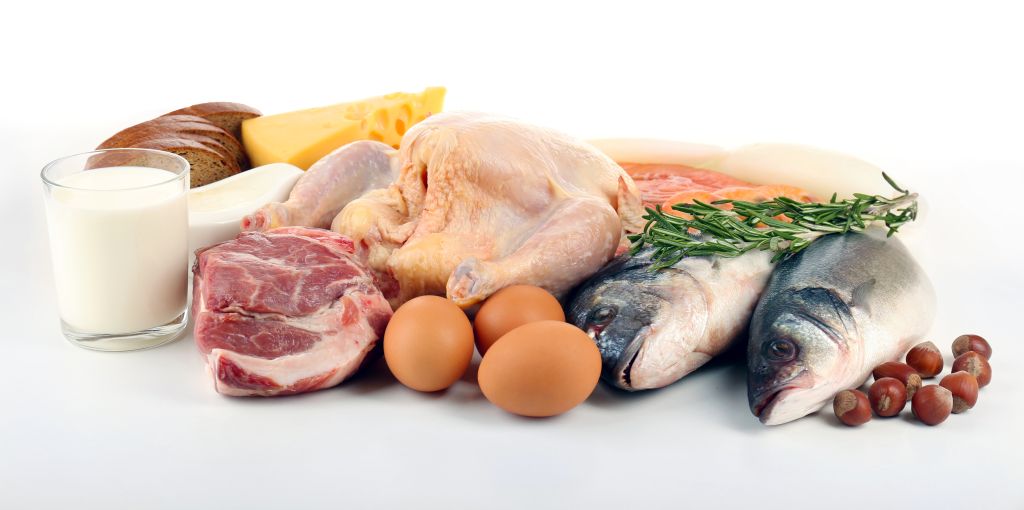
The best protein sources
The best protein sources are those that not only support muscle maintenance and healthy body weight but also help maintain balanced blood sugar levels.
Unlike highly processed or overly lean options, whole food proteins combined with healthy fats digest more slowly, promote satiety, and provide a steady release of energy.
These nutrient-dense options help preserve lean body mass and reduce blood sugar spikes, making them ideal for supporting metabolic health.
Animal proteins, in particular, offer all essential amino acids and are naturally rich sources of B vitamins, as well as iron, and zinc, all of which are vital to promoting a healthy body.
Some of the best protein sources include:
- Pasture-raised eggs
- Oily fish such as salmon, tuna, sardines, and mackerel
- Chicken breast or thighs with skin
- Pork shoulder or pork belly
- Lamb
- Beef cuts such as ribeye, chuck, or ground beef with higher fat content
- Liver and other organ meats
- Plain full-fat Greek yogurt
- Full-fat cottage cheese
- Shellfish, including shrimp, crab, and mussels
Choosing protein sources that naturally contain healthy fats not only helps promote stable blood sugar levels but also enhances the protein’s bioavailability.
Evidence published in Food Hydrocolloids found that “Protein digestibility was affected by protein type and fat content. The increasing fat content significantly improved the digestibility of pork protein from 80% to 86% and chicken protein from 69% to 87%.” 1

How much protein do you need?
Individual protein requirements depend on several factors, including body composition, activity level, age, and overall health goals.
The human body requires protein for building and repairing tissues, maintaining lean muscle mass, supporting enzymes, and facilitating hormone production.
A healthy protein intake typically ranges from 3 to 6 ounces (85 to 170 grams) per meal, or more for those who are physically active or have higher muscle mass.
In addition, research published in The Journal of Nutrition, Health and Aging suggests that older adults, as well as those recovering from surgery or major infections, may benefit from increasing protein consumption to meet the body’s heightened amino acid demand.2
On the other hand, evidence published in Clinical Nutrition emphasizes that individuals with poor kidney function should decrease protein intake, as amino acid metabolism can place additional strain on already compromised kidneys.3
This highlights that optimal protein intake requires careful consideration of medical conditions, lifestyle factors, age, and health goals to support crucial bodily functions and maintain long-term well-being.

Tips for lasting energy
Steady energy depends on maintaining a healthy digestive system and metabolic balance, and making simple dietary changes can support these processes by stabilizing blood sugar levels and improving nutrient absorption.
Here are three steps you can take to promote lasting energy.
1. Support digestive functions
Protein digestion begins in the stomach, where stomach acid and digestive enzymes start breaking down the long-chain protein molecule into small amino acids.
To support this process, maintain healthy stomach acidity by taking a diluted apple cider vinegar drink before meals and incorporating fermented foods into your diet.
It’s also crucial to avoid a very low-sodium diet, as it can limit the body’s hydrochloric acid production and reduce stomach acid levels.
2. Follow Healthy Keto®
Following a Healthy Keto® diet can support lasting energy by emphasizing nutrient-dense, whole foods that balance healthy fats, moderate protein, and low carbohydrates.
This meal plan helps stabilize blood sugar and insulin levels, preventing the spikes and crashes that often cause post-meal fatigue and sleepiness.
By shifting the body to use fat as its primary fuel source, Healthy Keto supports steady energy throughout the day.
Additionally, this optimized version of the ketogenic diet encourages the intake of nutrient-dense vegetables and essential electrolyte minerals, which enhance overall health linked to sustained mental clarity and physical endurance.
3. Practice intermittent fasting
Intermittent fasting can also support steady energy levels by giving the body regular periods without food. This allows insulin levels to stabilize and reduces blood sugar fluctuations.
This fasting protocol also promotes fat burning and improves metabolic flexibility, helping the body efficiently switch between fuel sources.
By reducing meal frequency, intermittent fasting also helps improve digestion and supports the body’s ability to resolve inflammation, which is associated with better mental focus and sustained physical energy.
Key takeaways
- Excess protein intake can trigger insulin release and blood sugar fluctuations, which can lead to tiredness after eating.
- Lean protein sources and protein powders, especially when paired with refined carbs or sugars, are more likely to cause post-meal energy crashes.
- Whole food proteins, which naturally include nourishing fats, such as those found in eggs, fatty fish, and beef, promote steady energy and mental focus.
- Supporting metabolic and digestive health with apple cider vinegar, a Healthy Keto diet, and intermittent fasting can further promote stable energy levels and overall well-being.
FAQ
- 1. Does protein make you sleepy?
- 2. What foods make you tired?
- 3. How much protein is too much?
- 4. Does protein powder make you tired?
- 5. What is the best food for energy?
Sources
- “The effect of fat content in food matrix on the structure, rheological properties and digestive properties of protein – ScienceDirect.” sciencedirect.com. https://www.sciencedirect.com/science/article/abs/pii/S0268005X21008808 ↩︎
- “The effect of protein malnutrition on the capacity for protein synthesis during wound healing – ScienceDirect.” sciencedirect.com. https://www.sciencedirect.com/science/article/pii/S1279770723025484 ↩︎
- “Effect of low-protein diet on kidney function and nutrition in nephropathy: A systematic review and meta-analysis of randomized controlled trials.” ScienceDirect. https://www.sciencedirect.com/science/article/abs/pii/S0261561419331668 ↩︎
Related Articles
-
Grass-Fed vs. Grain-Fed: What’s the Difference?
 Food and Drink
Grass-Fed vs. Grain-Fed: What’s the Difference?
At a glance Grass-fed and grain-fed beef differ in how cattle are raised and fed throughout their lives. These feeding practices can influence the nutritional characteristics, flavor, texture, and overall…07/30/2026 -
Carnivore Diet: Weight Loss Tips, Benefits, and Risks
 Diet
DietCarnivore Diet: Weight Loss Tips, Benefits, and Risks
At a glance The carnivore diet relies solely on animal-based foods, eliminating all plants and carbohydrate sources. This shift can support weight regulation, stabilize blood sugar levels, and help lower…02/20/2026 5.3k views -
Is There Potassium in Meat? Comparing Sources
 Diet
DietIs There Potassium in Meat? Comparing Sources
At a glance Potassium plays a vital role in maintaining muscle function, nerve signaling, and fluid balance. However, many people are unaware that there’s potassium in meats, which offer varying…01/16/2026 7.1k views -
Red Meat: Benefits and Disadvantages Explained
 Nutrition
Red Meat: Benefits and Disadvantages Explained
At a glance Red meat offers essential nutrients such as protein, iron, zinc, and B vitamins that support muscle repair, energy metabolism, and brain health. However, nutritional quality varies widely,…01/08/2026 7.5k views -
Are Sunflower Seeds Keto-Friendly?
 Keto
KetoAre Sunflower Seeds Keto-Friendly?
At a glance Sunflower seeds are naturally low in net carbs and can be an excellent addition to a nutritious keto diet when used in moderation. Incorporating keto-friendly seeds and…12/08/2025 34.8k views -
10 Healthy Party Foods Everyone Will Love
 Diet
Diet10 Healthy Party Foods Everyone Will Love
At a glance Healthy party foods offer familiar flavors while supporting a low-carb lifestyle built around nutrient-dense ingredients, helping you stick to your health and wellness goals at celebrations. Here…12/05/2025 -
How Much Protein Do I Need?
 Diet
DietHow Much Protein Do I Need?
If you're wondering, "How much protein do I need?" the answer depends on factors such as your weight, body composition, activity level, and health status. Learn how to calculate your…11/28/2025 14.1k views -
Protein Basics: Benefits, Sources, and Daily Intake
 Nutrition
Protein Basics: Benefits, Sources, and Daily Intake
At a glance Protein is a vital macronutrient that supports tissue strength, hormone regulation, and healthy metabolism. Although many foods contain protein, their quality and absorption can vary significantly, making…04/09/2025 22.2k views -
Best Sources of Protein on Keto
 Nutrition
Best Sources of Protein on Keto
At a glance Protein is an essential macronutrient that supports muscle growth, hormone balance, and tissue repair. On a keto diet, the best sources of protein are high-quality, minimally processed…04/09/2025 20.2k views -
Is Hummus Keto-Friendly?
 Keto
KetoIs Hummus Keto-Friendly?
At a glance Hummus is a nutrient-dense dip made from chickpeas, tahini, olive oil, and lemon, and it can fit into a ketogenic diet when consumed in moderation. Although chickpeas…04/09/2025 35.6k views


