

At a glance
Craving salt at night may signal an underlying sodium deficiency or electrolyte imbalance, often linked to stress, poor hydration, or low sodium intake. Sodium plays a critical role in nerve signaling, muscle function, and energy production. Understanding why nighttime salt cravings occur can help restore mineral balance and reduce reliance on ultra-processed salty foods.
Why do I crave salt at night? Late-night salt cravings can be more than a passing urge and may be a sign of stress, poor lifestyle habits, or sodium deficiency.
Low sodium levels can lead to cravings and cause weakness, irritability, and fatigue. If left unaddressed, this imbalance can escalate into more serious health issues over time.
Learn how sodium impacts your muscles, nerves, and energy production, and explore four ways to curb nighttime salt cravings without turning to ultra-processed foods.
What is sodium?
Sodium is an essential electrolyte critical for numerous bodily functions, including energy production, muscle contractions, fluid balance, nutrient absorption, and nerve signaling.
This naturally occurring mineral is primarily harvested from underground salt mines and evaporated seawater and used to produce a variety of salts.
Though most people consider sodium synonymous with table salt, table salt is actually a compound of sodium and chloride, containing approximately 40 percent sodium and 60 percent chloride by weight.
That said, standard granular table salt often contains the highest sodium content among culinary salts, although it’s also highly refined. Heat treatment, bleaching, and the use of anti-caking agents are all standard practices of conventional salt-refining processes.
Not only does this strip the salt of naturally occurring trace minerals that support healthy electrolyte function, but it also introduces potentially harmful ingredients that may undermine overall health.
According to research published in the Journal of Nutrition & Food Sciences, while unrefined salts typically contain less sodium, they often retain more minerals than conventional table salt, which may support a more balanced intake of electrolytes.
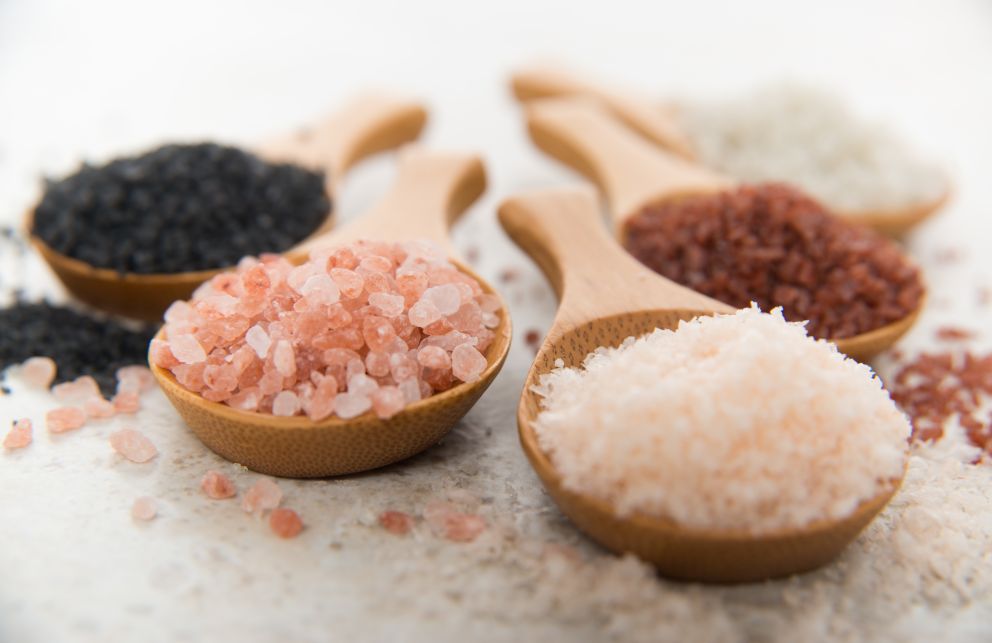
Unrefined artisanal salts such as pink Himalayan salt, sea salt, Celtic salt, and Hawaiian red alaea sea salt can include a broad spectrum of minerals such as magnesium, calcium, potassium, iron, and zinc, in addition to sodium.
Watch the video below to learn what causes salt cravings at night.
Why do I crave salt at night?
Craving salt at night is often a sign of an underlying sodium deficiency.
This can result from dietary changes, adrenal stress, electrolyte imbalances, overhydration, a low-sodium diet, or mineral loss through sweat.
When sodium levels drop, the adrenal glands release aldosterone, a hormone that tells the body to retain salt, often triggering cravings.
If you’re under chronic stress or not consuming enough salt during the day, your body may increase cravings at night as a signal to replenish this essential mineral.
More signs of sodium deficiency
If your body consistently lacks sodium, you might experience a range of symptoms beyond salt cravings.
Common signs of sodium deficiency include:
- Headaches
- Nausea
- Fatigue or weakness
- Muscle cramps
- Feeling dizzy or faint
- Falling or fainting
- Heat intolerance
- Insomnia
- Confusion
- Loss of appetite
- Low blood pressure
Sodium deficiency can sometimes coincide with adrenal insufficiency, a condition known as Addison’s disease. In this condition, the adrenal glands fail to produce enough hormones to regulate sodium levels, contributing to persistent salt cravings, low energy, and various deficiency symptoms.
In severe cases, low blood sodium can lead to hyponatremia, a serious condition marked by seizures, coma, or even death.
If you suspect you have a sodium-related issue, especially alongside medical conditions such as digestive and kidney diseases, consult a healthcare professional for personalized guidance before making changes to your sodium intake.
The problem with low-sodium diets
Low sodium intake can disrupt several vital physiological processes.
Sodium is essential for maintaining the sodium-potassium pump, a critical biochemical mechanism that maintains cellular voltage, fluid balance, and nutrient transport across cell membranes.
Dr. Berg explains, “When sodium levels are low, the sodium-potassium pump struggles to move sodium out of cells and potassium into cells, which can lead to long-term health problems.”
When this pump is compromised, nerve signals slow, muscles weaken, and cellular energy production declines, leading to symptoms such as fatigue, brain fog, cramps, and poor physical endurance.
Furthermore, chronically elevated aldosterone levels, caused by low sodium diets, can worsen inflammation and oxidative stress and interfere with cellular glucose uptake, potentially contributing to insulin resistance and metabolic syndrome over time.
Aldosterone also accelerates potassium loss, further weakening the sodium-potassium pump and negatively impacting metabolic balance, mood regulation, and cardiovascular health.
Research published in the BMJ found that extremely low sodium intake correlates with a significantly higher risk of cardiovascular events and mortality.
The researchers emphasized that electrolyte balance, particularly the ratio of sodium to potassium, is essential for health. They concluded, “Combined moderate sodium intake with high potassium intake is associated with the lowest risk of mortality and cardiovascular events.”
Tips to stop salt cravings at night
If you’re regularly craving salt before bed, it may be your body’s way of signaling a mineral imbalance.
Here are four tips to help reduce cravings naturally.
1. Increase your daily salt intake
Many people underestimate how much salt they need for optimal energy and nerve function.
The average person should aim to incorporate 2 to 2.5 teaspoons of unrefined salt in their daily meals.
This amount can help reduce nighttime salt cravings and maintain healthy sodium levels, potentially preventing issues such as elevated aldosterone release and fatigue while minimizing the risk of excessive salt intake.
2. Prioritize potassium-rich foods
Balancing sodium and potassium levels is critical to keeping the adrenal glands healthy, which helps reduce and prevent cravings for salty snacks.
Leafy greens, salmon, mushrooms, and avocados are all excellent sources of potassium and other essential minerals the body requires to maintain electrolyte balance.
This also helps avoid the pitfalls of consuming too much sodium combined with too little potassium intake, which can interfere with muscle and nerve function and may lead to high blood pressure.

3. Stay properly hydrated
Drinking large amounts of plain water can flush out essential minerals, including sodium, which can leave you feeling weak and fatigued.
To better support mineral balance, add a pinch of sea salt to your water or choose mineral water over highly purified distilled water.
4. Practice stress reduction
Chronic stress or lack of adequate sleep can trigger hormonal imbalances that disrupt electrolyte balance and trigger cravings for salty snacks.
To help manage stress and support your body’s mineral balance, consider incorporating stress reduction techniques such as breathing exercises, stretching, spending time in nature, engaging in regular physical activity, and prioritizing restful sleep.
These practices help regulate stress hormones and support overall adrenal and endocrine health.
Key takeaways
- Nighttime salt cravings are often a sign of low sodium levels or electrolyte imbalance.
- Sodium is essential for nerve signaling, muscle contractions, fluid balance, and cellular energy production.
- Low-sodium diets can impair the sodium-potassium pump, contributing to fatigue, cramps, and brain fog.
- Unrefined salts provide sodium along with trace minerals that support better electrolyte balance.
- Managing hydration, stress, and potassium intake can help reduce salt cravings and support overall metabolic health.
FAQ
- 1. Why do I crave salt at night?
- 2. What deficiency causes salt cravings?
- 3. Is it bad to eat salty foods at night?
- 4. Does salt break a fast?
- 5. What type of salt is healthiest?
Sources
- Carapeto C, Brum S, Rocha MJ. Which table salt to chose? J Nutr Food Sci. 2018;8(4):701. doi:10.4172/2155-9600.1000701. https://core.ac.uk/download/pdf/303045058.pdf
- O’Donnell M, et al. Joint association of urinary sodium and potassium excretion with cardiovascular events and mortality: prospective cohort study. BMJ. 2019;364:l772. doi:10.1136/bmj.l772. https://www.bmj.com/content/364/bmj.l772
Related Articles
-
Why You Crave Salt: 7 Causes
 Minerals
Why You Crave Salt: 7 Causes
At a glance Sodium is essential for supporting healthy nerve function, muscle contractions, and fluid balance. When sodium levels are imbalanced due to dietary, lifestyle, or other personal factors, it…06/11/2026 -
Powder vs. Capsule Electrolyte Supplements
 Supplements
Powder vs. Capsule Electrolyte Supplements
At a glance Electrolytes are essential minerals that support fluid balance, nerve and muscle function, and energy production. Electrolyte powders may be more efficient at supporting optimal mineral levels, while…05/14/2026 -
Muscle Twitching on Keto: Causes and What to Do
 Diet
DietMuscle Twitching on Keto: Causes and What to Do
At a glance Muscle twitching is common when first starting keto and is often linked to shifts in fluid balance, electrolyte minerals, and digestive function as insulin levels remain steady.…03/19/2026 22.3k views -
Electrolyte Supplements: Forms and How to Choose
 Minerals
Electrolyte Supplements: Forms and How to Choose
At a glance Electrolytes are essential minerals that support fluid balance, nerve signaling, and muscle function. Electrolyte supplements are available in several forms, and choosing a balanced formula optimized for…03/06/2026 -
The Sodium Myth: What You Should Know About Salt Intake
 Nutrition
The Sodium Myth: What You Should Know About Salt Intake
At a glance Sodium plays a key role in fluid balance, nerve signaling, and muscle function, and its role in health is often misunderstood. Common sodium myths make intake confusing,…01/16/2026 19.3k views -
Is Your Sodium-Potassium Ratio Off? Why It Matters
 Nutrition
Is Your Sodium-Potassium Ratio Off? Why It Matters
At a glance Maintaining a healthy sodium-potassium ratio is crucial for supporting normal blood pressure, fluid balance, and muscle and nerve function. Most people consume far more sodium than potassium,…04/09/2025 17.6k views -
Himalayan Pink Salt vs. Sea Salt: Which Is Better?
 Nutrition
Himalayan Pink Salt vs. Sea Salt: Which Is Better?
At a glance Himalayan pink salt and sea salt both provide minerals that support health. However, Himalayan salt is sourced from ancient deposits, while sea salt is obtained from modern…04/09/2025 16.9k views -
Electrolyte Powder: Benefits, How to Use, and Signs of Imbalance
 Nutrition
Electrolyte Powder: Benefits, How to Use, and Signs of Imbalance
At a glance Electrolytes are essential minerals that regulate hydration, muscle and nerve function, and cellular energy. Diet, stress, and lifestyle factors can deplete these minerals, leading to fatigue and…04/08/2025 18.1k views -
Celtic Salt: Benefits You Can’t Ignore
 Health concerns
Celtic Salt: Benefits You Can’t Ignore
At a glance Celtic salt is a mineral-rich sea salt valued for its natural trace elements and lower processing compared to regular table salt. When used in moderation, it may…04/08/2025 17.6k views -
Does Salt Break a Fast? Benefits of Sodium While Fasting
 Diet
DietDoes Salt Break a Fast? Benefits of Sodium While Fasting
At a glance Does salt break a fast? No, salt doesn’t break a fast and is crucial for maintaining electrolyte and fluid balance, especially during fasting. Sodium helps minimize muscle…04/08/2025 13k views


