

At a glance
While spinach does contain some iron, it provides the non-heme form, which is poorly absorbed. Iron is essential for oxygen transport, energy production, and cognitive health, making adequate intake critical. Understanding the difference between heme and non-heme iron can help you choose foods that better support healthy iron levels.
Does spinach have iron? Yes, spinach does contain iron, but certain factors limit how much your body can absorb and use.
Discover the key differences between heme and non-heme iron, explore the best dietary sources, and learn how to optimize iron absorption to support overall health and well-being.
Why is iron important?
Iron is an essential mineral needed to produce hemoglobin, a critical protein in red blood cells that carries oxygen throughout the body.
Insufficient iron levels can disrupt optimal oxygen transport, leading to anemia and associated symptoms such as fatigue, weakness, and impaired cellular function.
Iron also plays a crucial role in energy production within the body, as cells need oxygen to generate adenosine triphosphate (ATP). ATP is the body’s primary energy currency needed for all cellular functions, including muscle contraction, nerve signaling, and enzyme activity.
Furthermore, iron promotes cognitive health by supporting the production of neurotransmitters such as dopamine, serotonin, and norepinephrine, which regulate mood, motivation, focus, and the body’s stress response.
This explains why low iron levels are associated with brain fog, poor concentration, and mood disorders, including depression and anxiety.
Additionally, iron acts as a cofactor for several enzymes involved in cell division, repair, and immune function, making it especially important during growth, development, pregnancy, and recovery.
How much iron you need to support optimal levels depends on several factors, including age, gender, and health status.
Generally, according to the National Institutes of Health (NIH), the average adult male should obtain around 8 mg of iron per day, while adult women require approximately 18 mg daily.
Watch the video below to learn why spinach is one of the worst sources of iron.
Heme vs. non-heme iron
In nature, iron exists in a heme iron form and a non-heme iron form. The key difference between these two types of iron lies in how efficiently the body can absorb and utilize them.
Heme iron is derived from animal-based foods and is highly bioavailable, meaning the body can absorb it more efficiently without requiring additional conversion steps.
In contrast, plant sources of iron, such as whole grains, legumes, spinach, artichokes, and fortified cereals, contain the non-heme form of this mineral.
Non-heme iron is less readily absorbed and is often bound to phytates, lectins, and oxalates, a group of plant-derived antinutrients that can further reduce iron’s bioavailability.
Research published in the European Journal of Nutrition found that children with depleted iron levels experienced a more significant rise in hemoglobin levels when receiving heme iron compared to non-heme iron.
Does spinach have iron?
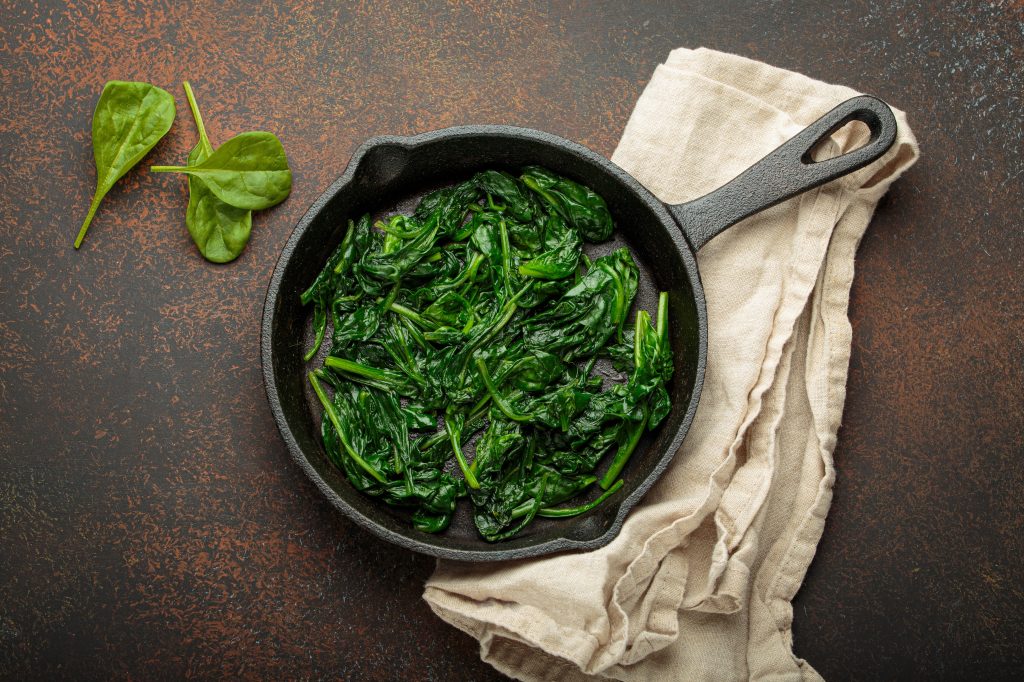
According to the USDA, one cup of raw spinach provides about one milligram of iron, though it’s in the non-heme form, and much of it is bound by antinutrients.
Given that the daily iron intake recommendations range between 8 and 18 mg for adult men and women, respectively, spinach isn’t a significant iron source.
Still, spinach is a rich source of vitamin E, beta-carotene, and antioxidants, such as lutein, zeaxanthin, and quercetin, which support eye health, help reduce inflammation, and strengthen immune function.

Iron deficiency
Modern diets and lifestyles often make it challenging to get enough iron, leaving many people at risk of iron deficiency.
Causes
Several factors can reduce or block intestinal iron absorption, including phytates, lectins, oxalates, and tannins commonly found in red wine, coffee, tea, cocoa, and plant foods.
Excess calcium intake in combination with iron-rich meals can also hinder iron absorption as calcium competes with other minerals for absorption in the intestines.
Additionally, certain groups have increased iron demands. Pregnant women need more iron to support the expansion of their blood volume, while women of reproductive age lose iron due to menstrual blood loss.
Infants and children also require more iron during growth spurts, while older adults may face digestive changes that limit absorption.
Symptoms
Iron deficiency develops gradually, often with subtle early signs. As it worsens, symptoms become more apparent and can impact various aspects of health.
Common symptoms of iron deficiency include:
- Weakness and fatigue
- Dizziness
- Chest pain
- Shortness of breath
- Rapid heart rate
- Gastrointestinal problems
- Brain fog
- Hair loss
- Brittle nails
- Skin issues
- Frequent infections
- Poor body temperature control
- Cold hands and feet
- Unusual cravings for ice or dirt
Severe deficiency can lead to iron deficiency anemia, which can worsen fatigue, cause pronounced weakness, and potentially result in serious health complications.
If you suspect low iron or anemia or show signs of iron deficiency, consult a healthcare provider for a thorough health evaluation and personalized recommendations.
3 great sources of iron
To ensure your body receives adequate iron, it’s essential to choose foods that provide heme iron and support efficient absorption.
Here are three excellent sources of dietary iron.
1. Shellfish
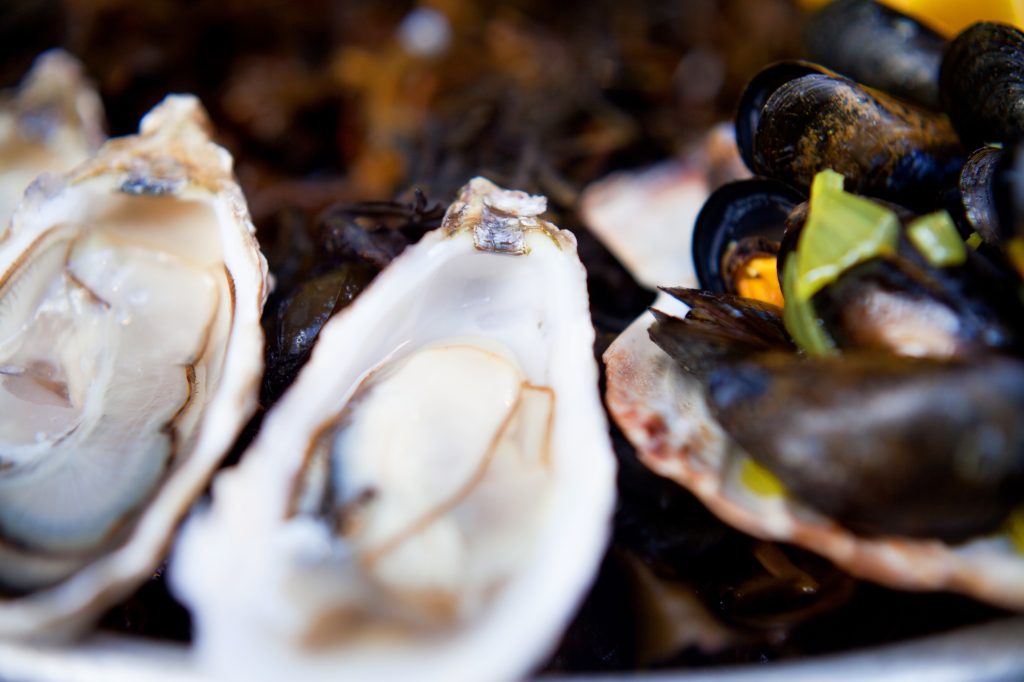
Shellfish, particularly oysters and mussels, are a standout source of heme iron. Three large oysters can provide an impressive 6.9 mg of iron, while three ounces (85 grams) of mussels offer 5.7 mg of iron.
Oysters are also rich in high-quality protein, zinc, and other trace minerals essential for metabolic health and immune support.
2. Organ meat
Organ meats, such as liver and kidney, are some of the most nutrient-dense foods available.
Not only do they provide as much as 5 mg of heme iron per 3.5-ounce (100-gram) serving, but they’re also exceptionally high in vitamins A, B9, and B12, as well as other essential minerals, including potassium, zinc, and copper.
3. Red meat
Red meat, particularly grass-fed beef, can supply around 2.7 milligrams of iron in just four ounces (115 grams).
Red meat also contains other essential nutrients such as vitamin B12, zinc, and all nine essential amino acids, all of which help sustain muscle function and promote metabolic processes.
How to maximize iron absorption
One of the best ways to increase iron absorption is to prioritize animal-based heme iron sources, such as beef, organ meats, or seafood. Incorporating meals that pair non-heme sources with animal products can also help boost iron absorption.
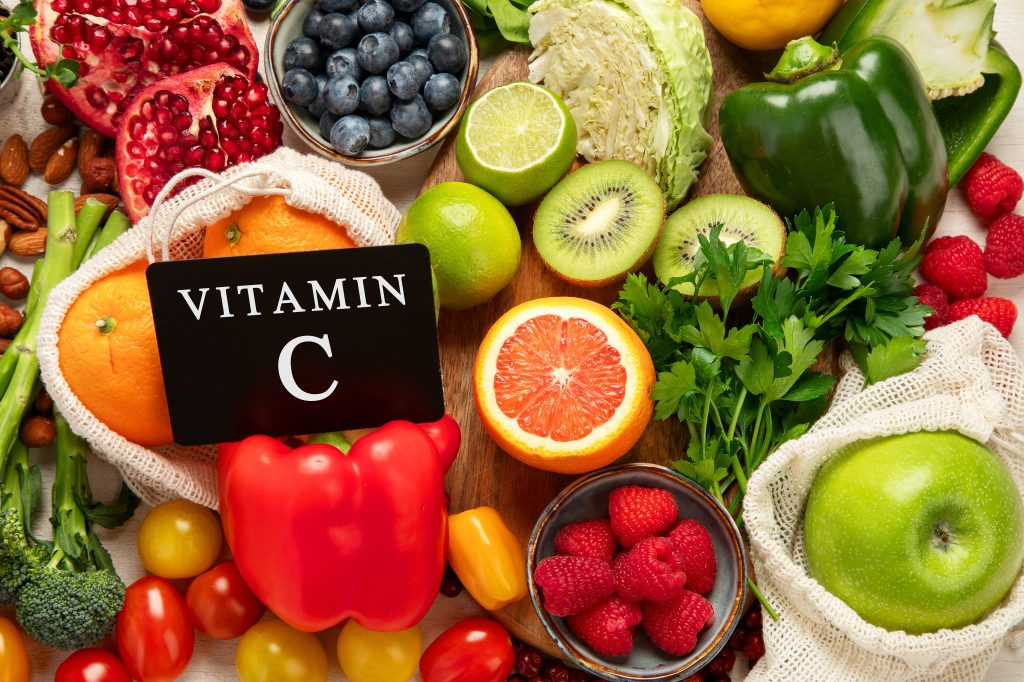
Additionally, including vitamin C-rich foods, such as bell peppers or raw sauerkraut, can help convert non-heme iron into a more absorbable form and prevent its binding with inhibitors.
Lightly cooking spinach and other leafy greens can also help reduce their antinutrient content, while soaking and fermenting beans or grains helps free up iron bound to phytates.
Finally, avoid drinking coffee or tea and consuming dairy too soon after iron-rich meals, as these contain inhibitors and antinutrients that can interfere with iron absorption.
“It’s important to note that the body doesn’t efficiently eliminate excess iron, and both deficiency and overload can be harmful,” Dr. Berg explains. “It’s crucial to get the right amount from high-quality food sources and nutritionally balanced meals.”
Key takeaways
- Spinach contains iron, but it is non-heme iron, which is less efficiently absorbed by the body.
- Antinutrients such as oxalates and phytates in spinach further limit iron absorption.
- Heme iron from animal foods such as red meat, organ meats, and shellfish is more bioavailable and easier for the body to use.
- Pairing plant-based iron sources with vitamin C-rich foods can help improve absorption.
- Maintaining balanced iron intake is essential, as both deficiency and excess iron can negatively impact health.
FAQ
- 1. What’s the difference between heme and non-heme iron?
- 2. What vegetable is highest in iron?
- 3. What foods raise iron levels quickly?
- 4. Is meat or spinach better for iron?
- 5. What is spinach high in?
Sources
- https://ods.od.nih.gov/factsheets/Iron-HealthProfessional/
- https://link.springer.com/article/10.1007/s00394-024-03564-y
- https://fdc.nal.usda.gov/food-search/?query=168462
Related Articles
-
5 Iron-Rich Foods
 Nutrition
5 Iron-Rich Foods
At a glance Iron is an essential mineral that supports red blood cell production, oxygen transport, energy levels, and immune health. Both iron deficiency and iron overload can harm the…03/19/2026 -
Can Iron Tablets Make You Feel Sick?
 Nutrition
Can Iron Tablets Make You Feel Sick?
At a glance Iron tablets can make you feel sick by irritating the intestines, altering the gut microbiome, and potentially damaging intestinal cells. While iron is essential in trace amounts,…02/13/2026 6.5k views -
7 Common Signs of Vitamin Deficiencies in Nails
 Nutrition
7 Common Signs of Vitamin Deficiencies in Nails
At a glance Nails can serve as a biological record of your health, as changes in nail strength, shape, color, or texture may signal nutrient deficiencies. Supporting optimal nutrient levels…01/23/2026 33.4k views -
15 Signs You Are Iron Deficient
 Nutrition
15 Signs You Are Iron Deficient
At a glance Iron deficiency often stems from dietary patterns or inadequate iron absorption, and low iron stores can lead to symptoms that can significantly impact day-to-day life. Recognizing early…04/09/2025 37.3k views -
Zinc Toxicity: Are You Taking Too Much?
 Nutrition
Zinc Toxicity: Are You Taking Too Much?
At a glance Zinc is an essential nutrient, but excessive intake can disrupt healthy mineral levels and lead to zinc toxicity. Understanding safe dosage levels and recognizing early signs of…04/09/2025 12.2k views -
Iron Deficiency Anemia: Symptoms and Causes
 Nutrition
Iron Deficiency Anemia: Symptoms and Causes
At a glance Iron is an essential mineral that supports the production of hemoglobin and facilitates oxygen transport. Iron deficiency anemia often results from malabsorption, blood loss, or low stomach…04/09/2025 12.6k views -
Discolored or Dry Lips Can Indicate Vitamin Deficiency
 Health concerns
Discolored or Dry Lips Can Indicate Vitamin Deficiency
At a glance Discolored, dry lips often signal underlying nutritional deficiencies. Infections, certain cosmetics, and excessive supplement use may also contribute to cracking. A nutrient-dense diet rich in healthy fats…04/08/2025 36.4k views


