

At a glance
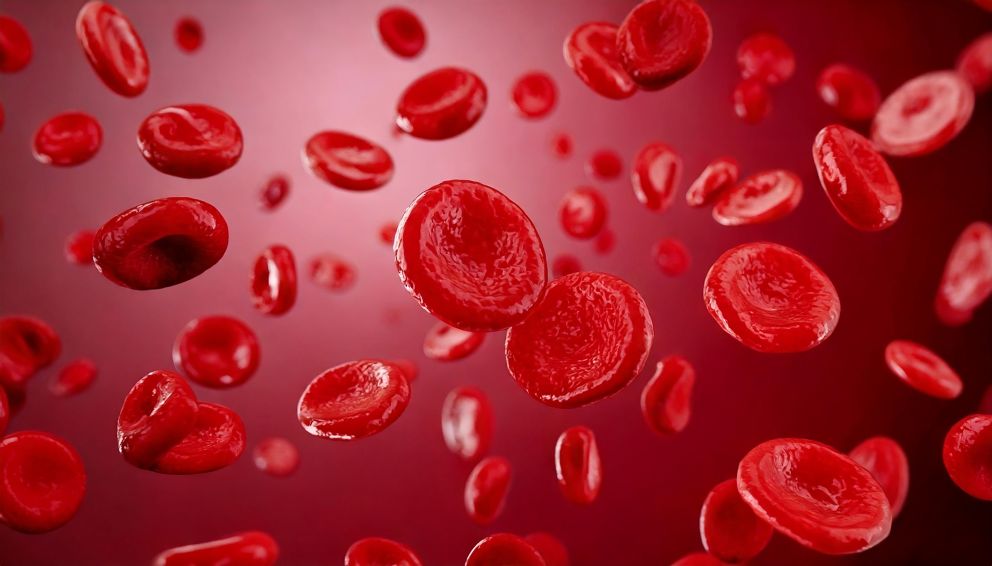
Iron is an essential mineral that supports red blood cell production, oxygen transport, energy levels, and immune health. Both iron deficiency and iron overload can harm the body, underscoring the need for balance. Discover five iron-rich foods, learn how iron absorption works, and understand why maintaining healthy iron levels is important for overall well-being.
Iron is essential for producing healthy red blood cells, which transport oxygen throughout the body and thereby support optimal energy levels, cognitive function, and immune health.
Discover five iron-rich foods and how to maximize absorption, and learn why maintaining iron balance is crucial for overall health.
Why your body needs iron
Iron is a key component of the proteins hemoglobin in red blood cells and myoglobin in muscle tissues, where it facilitates oxygen transport, storage, and cellular uptake for energy production.
This essential mineral also helps bind to and transport carbon dioxide to the lungs for exhalation, supporting overall respiratory function.
When iron stores are low, red blood cells struggle to transport oxygen efficiently. This can impair energy production and lead to fatigue, weakened immunity, and cognitive impairment.
Iron is also crucial for producing adenosine triphosphate (ATP), the body’s primary energy currency. ATP supports nearly every cellular function, including nerve signaling, DNA and RNA synthesis, metabolic processes, and muscle contractions.
Additionally, iron is involved in numerous enzymatic processes, such as collagen synthesis, cell division and repair, and neurotransmitter production, which influence mood stability, immune function, and brain health.
A study published in Pediatrics examined the long-term cognitive effects of iron deficiency in early childhood.
The researchers found that children with chronic iron deficiency scored significantly lower in cognitive assessments, particularly in visual processing and understanding spoken language, even after their iron levels improved.
These findings underscore the importance of early detection and treatment of iron deficiency to support optimal cognitive development, especially in young children.
Watch the video below to discover how iron status can affect your hair, skin, and nails.
Understanding iron overload
Maintaining balanced iron levels is crucial. While iron deficiency can be a significant concern, getting too much iron can also be harmful.
Iron overload occurs when excess iron accumulates in the body’s tissues and organs, which can lead to significant damage.
Dr. Berg explains, “Iron gravitates toward damaged tissues, and in inflamed areas like the heart, brain, and nervous system, it can trigger oxidative stress and worsen inflammation.”
The primary cause of iron overload is a mutation in the homeostatic iron regulator gene, causing excessive absorption and storage, a condition known as hemochromatosis.
Iron overload can also develop from repeated blood transfusions or chronic liver conditions, including alcoholic liver disease or hepatitis, which interfere with iron regulation.
Excessive intake of iron-fortified cereals, bread, and pasta can also lead to dangerous iron accumulation, as these foods often contain large amounts of synthetic iron that isn’t easily excreted.
The National Institutes of Health (NIH) recommends that adults consume 8 to 18 milligrams of iron daily. However, just one serving of breakfast cereal can provide as much as 18 milligrams.

Signs of iron deficiency
Iron deficiency is one of the most widespread nutrient deficiencies, affecting a large proportion of the population.
Common symptoms of iron deficiency include:
- Weakness and fatigue
- Dizziness
- Chest pain
- Shortness of breath
- Rapid heart rate
- Gastrointestinal problems
- Brain fog
- Hair loss
- Brittle nails
- Skin issues
- Frequent infections
- “Symptoms and Cause of Restless Leg Syndrome | Dr. Berg.” drberg.com. https://www.drberg.com/blog/the-real-cause-of-restless-legs-syndrome
- Poor body temperature control
- Cold hands and feet
- Craving non-food items like ice, dirt, or clay
Prolonged deficiency can progress to iron deficiency anemia, severely impairing oxygen transport and leading to extreme fatigue, cognitive decline, and increased infection risk. Chronic deficiency may also contribute to cardiovascular issues and overall health decline.
How much iron an individual needs varies based on age, gender, and health status. If you suspect an iron deficiency or anemia, consult a healthcare professional for a proper diagnosis and personalized treatment plan.
5 iron-rich foods
To maintain optimal health and iron balance, it’s essential to consume an adequate amount of nutritious and iron-rich foods.
Here are five of the top sources of dietary iron.
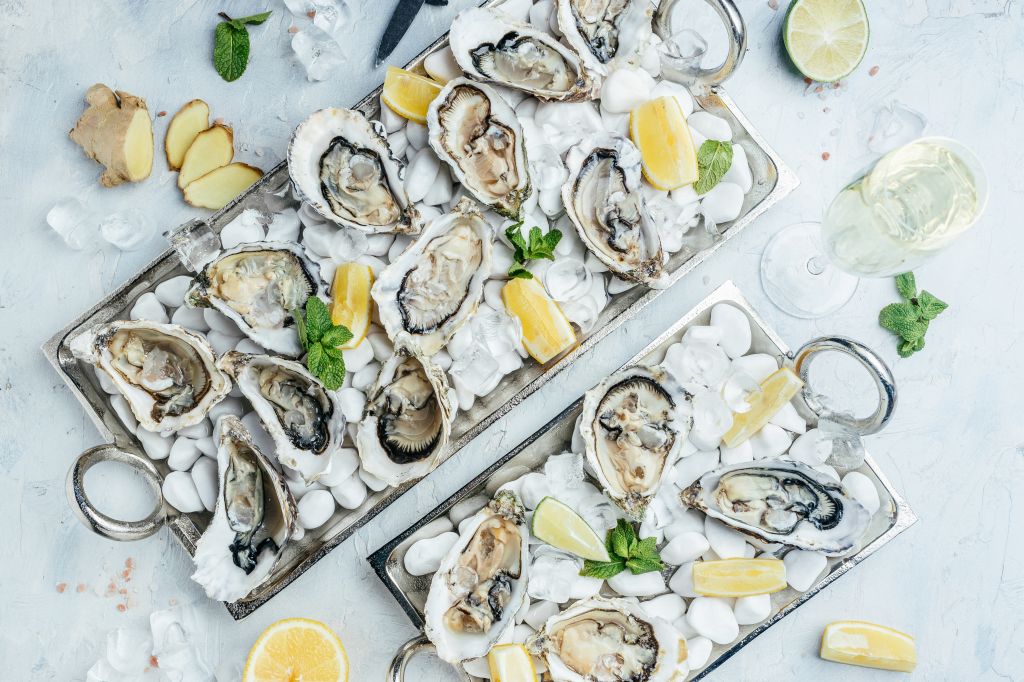
1. Shellfish
Shellfish, especially mollusks, are among the richest sources of highly bioavailable iron.
Three large oysters provide 6.9 milligrams of iron while also offering other essential nutrients, including vitamin B12, zinc, and copper.
Mussels offer similar benefits, with just three ounces (85 grams) contributing 5.7 milligrams of iron and other trace minerals that support mineral balance and overall health.
2. Organ meat
Organ meats, including liver, kidney, heart, and brain, are another excellent source of bioavailable vitamins and minerals, including iron.
A single 3.5-ounce (100-gram) serving of organ meat can provide approximately 5 milligrams of highly absorbable heme iron, vitamins A, B6, and B12, and other essential minerals, including selenium, potassium, zinc, and copper.

3. Grass-fed beef
Grass-fed beef provides around 2.7 milligrams of iron per 4-ounce (115-gram) serving.
Unlike conventionally raised beef, grass-fed varieties offer higher levels of omega-3 fatty acids and antioxidants, making them a superior choice for overall health and nutrient status.
4. Dark chocolate
High-quality dark chocolate is surprisingly rich in iron. A 4-ounce (115-gram) bar of unsweetened dark chocolate can contain up to 8 milligrams of iron, making it one of the highest plant-based sources.
However, plant-based non-heme iron is less readily absorbed than the heme iron found in animal foods.
To enhance iron absorption, choose chocolate with minimal added sugar and consume it with vitamin C-rich foods such as bell peppers or citrus fruits. This helps convert non-heme iron into a more absorbable form.
5. Pumpkin seeds
Sprouted pumpkin seeds are a nutrient-dense source of iron, providing 4.5 milligrams per quarter-cup (30 grams).
Sprouting reduces phytic acid, an antinutrient that inhibits mineral uptake, which allows the body to absorb plant-based iron more effectively.
Alongside iron, pumpkin seeds provide manganese, phosphorus, magnesium, potassium, and zinc. They also contain tryptophan, a precursor to serotonin, which plays a vital role in mood regulation, sleep quality, and stress reduction.
What depletes iron?
Several factors can actively deplete iron levels or interfere with its retention, increasing the risk of deficiency.
Blood loss is one of the most significant causes of iron depletion since iron is a key component of hemoglobin.
Heavy periods, surgery, injury, and conditions such as ulcers or gastrointestinal bleeding can rapidly drain iron stores. Pregnancy also increases iron demands, making a deficiency more likely if iron intake isn’t sufficient.
Intense physical activity, particularly endurance exercise, accelerates iron loss through sweat and increases red blood cell turnover.
Certain dietary factors can further contribute to iron depletion. Tea and coffee contain tannins and caffeine, which can inhibit iron absorption and increase urinary iron loss.
Calcium competes with iron for absorption, and excessive dairy intake in combination with iron-rich meals may negatively impact iron status.
Diets focused on plant-based foods, though not directly depleting iron, can make it harder to replenish stores due to the reduced bioavailability of non-heme iron.
Research published in The Lancet Haematology reveals that in 2021, dietary iron deficiency was responsible for 66 percent of the 1.92 billion anemia cases worldwide.
Additionally, natural chelators such as phytates in grains and legumes and oxalates in spinach and nuts can bind to iron, reducing its absorption and potentially contributing to long-term deficiency.
Key takeaways
- Iron is essential for oxygen transport, energy production, cognitive function, and immune support.
- Iron deficiency is common and can lead to fatigue, weakened immunity, and impaired mental performance.
- Heme iron from animal foods such as shellfish, organ meats, and grass-fed beef is more easily absorbed than plant-based non-heme iron.
- Iron overload can be harmful and may result from genetic conditions, excessive intake, or iron-fortified foods.
- Supporting iron balance requires choosing nutrient-dense iron sources and optimizing absorption through diet.
FAQ
- 1. What are the top iron-rich foods?
- 2. What do you crave when your iron is low?
- 3. Is spinach a good source of iron?
- 4. Are eggs high in iron?
- 5. What depletes iron from your body?
Sources
- “404_PAGE.” publications.aap.org. https://publications.aap.org/pediatrics/article/150/6/e2021055926/190098/Chronic-Iron-Deficiency-and-Cognitive-Function-in?autologincheck=redirected
- “Iron – Consumer.” ods.od.nih.gov. Iron – Consumer. ods.od.nih.gov.
- “404_PAGE.” thelancet.com. https://www.thelancet.com/journals/lanhae/article/PIIS2352-3026(23)00160-6/fulltext
Related Articles
-
Does Spinach Have Iron?
 Nutrition
Does Spinach Have Iron?
At a glance While spinach does contain some iron, it provides the non-heme form, which is poorly absorbed. Iron is essential for oxygen transport, energy production, and cognitive health, making…02/26/2026 3.9k views -
Can Iron Tablets Make You Feel Sick?
 Nutrition
Can Iron Tablets Make You Feel Sick?
At a glance Iron tablets can make you feel sick by irritating the intestines, altering the gut microbiome, and potentially damaging intestinal cells. While iron is essential in trace amounts,…02/13/2026 6.5k views -
7 Nail Changes That May Be Linked to Nutrient Deficiencies
 Nutrition
7 Nail Changes That May Be Linked to Nutrient Deficiencies
At a glance Nails can serve as a biological record of your health, as changes in nail strength, shape, color, or texture may signal nutrient deficiencies. Supporting optimal nutrient levels…01/23/2026 33.4k views -
15 Signs You Are Iron Deficient
 Nutrition
15 Signs You Are Iron Deficient
At a glance Iron deficiency often stems from dietary patterns or inadequate iron absorption, and low iron stores can lead to symptoms that can significantly impact day-to-day life. Recognizing early…04/09/2025 37.3k views -
Zinc Toxicity: Are You Taking Too Much?
 Nutrition
Zinc Toxicity: Are You Taking Too Much?
At a glance Zinc is an essential nutrient, but excessive intake can disrupt healthy mineral levels and lead to zinc toxicity. Understanding safe dosage levels and recognizing early signs of…04/09/2025 12.2k views -
Iron Deficiency Anemia: Symptoms and Causes
 Nutrition
Iron Deficiency Anemia: Symptoms and Causes
At a glance Iron is an essential mineral that supports the production of hemoglobin and facilitates oxygen transport. Iron deficiency anemia often results from malabsorption, blood loss, or low stomach…04/09/2025 12.6k views -
Discolored or Dry Lips Can Indicate Vitamin Deficiency
 Health concerns
Discolored or Dry Lips Can Indicate Vitamin Deficiency
At a glance Discolored, dry lips often signal underlying nutritional deficiencies. Infections, certain cosmetics, and excessive supplement use may also contribute to cracking. A nutrient-dense diet rich in healthy fats…04/08/2025 36.4k views


