


At a glance
Dry fasting and water fasting are two distinct methods of fasting that influence hydration, metabolism, and cellular renewal in different ways. When practiced safely, both can support energy balance and natural detoxification, but hydration and nutrient status play a crucial role in minimizing potential risks.
Dry fasting vs. water fasting—what are the risks, and which is the better fasting routine?
While dry fasting involves avoiding both food and water, water fasting allows the consumption of water only during the fasting period.
Here’s how you can maximize the benefits of fasting while minimizing potential side effects.
Benefits of fasting
Fasting does more than just promote weight loss, as it initiates a powerful cascade of healing processes that support cellular repair, energy production, brain function, and metabolic health.
Whether you choose intermittent fasting or extended fasts, allowing your body time without processing and metabolizing food can unlock a wide range of health benefits.
Here are some of the top health benefits of fasting:
- Promotes brain cell regeneration
- Enhances cellular energy production
- Triggers natural repair and detoxification processes
- Stimulates stem cell production
- Reduces inflammation
- Supports normal cellular functions
- Enhances the body’s antioxidant capacity
- Improves stress resilience
- Stimulates body fat loss
- Strengthens immune system defenses
One of the most powerful benefits of fasting is autophagy, also referred to as the body’s internal housekeeping system.
During autophagy, the body clears out malfunctioning proteins and regenerates new, healthy ones, which can help improve various physiological functions, including metabolic processes, enzyme activity, and nerve signal transmission.
Many people fear that fasting leads to muscle loss. However, the opposite is true. Fasting triggers the release of human growth hormone (HGH), which helps preserve muscle mass and promotes fat burning instead of protein breakdown.
Watch the video below to learn more about dry fasting and its potential health risks.
Dry fasting vs. water fasting
Let’s take a look at the differences between dry fasting and water fasting.
What is dry fasting?
Dry fasting, also known as absolute fasting, involves abstaining from both food and all fluids, including water.
Soft dry fasting allows external use of water for activities like washing or brushing teeth, while hard dry fasting avoids any contact with water entirely.
Ramadan is a well-known form of dry fasting observed for spiritual reasons, during which individuals refrain from food and water from sunrise to sunset.
While this practice is rooted in religious tradition, a study published in the Journal of Research Medical Science revealed several health advantages of this fasting method.1
Potential health benefits of Ramadan fasting include:
- Lower inflammatory markers
- Increased production of immune-supporting white blood cells
- Enhanced digestive system health
- Better metabolic health
- Improved microbial gut diversity
- Fewer markers of oxidative stress
- Lower risk of chronic diseases
What is water fasting?
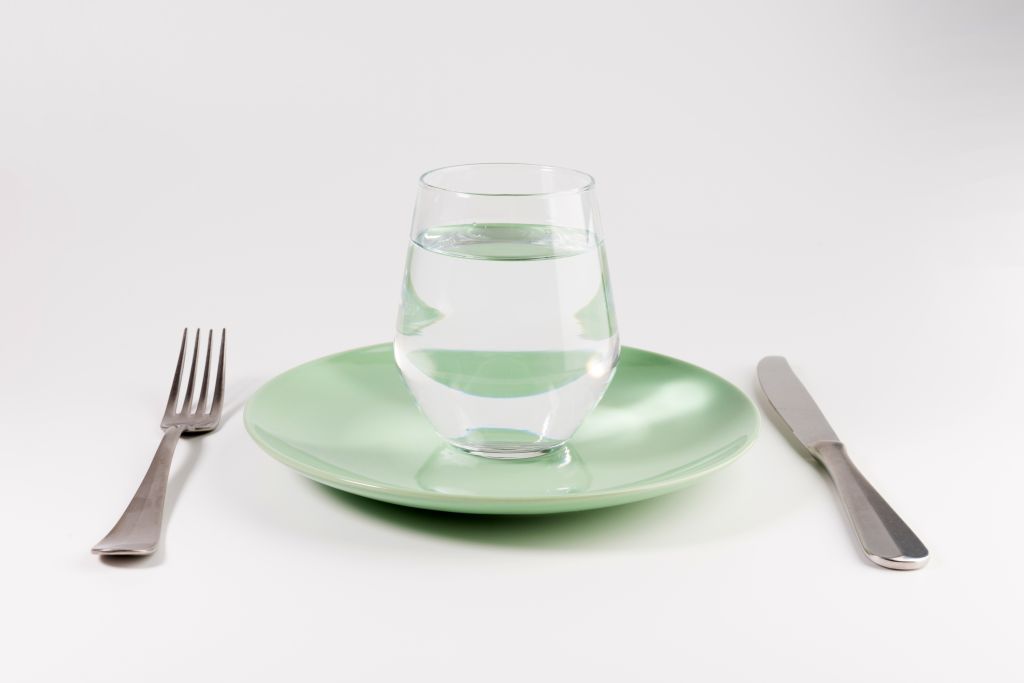
A water fast, also known as a wet fast, involves consuming only water. While water fasting shares many of the same potential benefits as dry fasting, it can also pose risks, especially when combined with poor dietary habits.
“Modern diets are often depleted of essential vitamins and minerals,” explains Dr. Berg. “This leaves many people with low nutrient reserves, which can become a concern during fasting, as the body still requires minerals to function properly.”
Water allows you to fast for longer periods, but may still lead to electrolyte loss, dehydration, and nutrient imbalances.
Research published in the National Library of Medicine found that participants practicing an eight-day water fast experienced several health improvements. However, they also had significant reductions in calcium, sodium, magnesium, and potassium, four key electrolyte minerals.2

The dangers of dry fasting and water fasting
Fasting offers several health benefits, but there are potential risks to consider, particularly for those with poor nutritional status or certain health issues.
Common fasting-related side effects include weakness, digestive issues, and fatigue. Prolonged fasting for more than 48 hour fasting can increase the risk of fainting, dehydration, electrolyte imbalances, and abnormal heart rhythms.
To minimize the risks of side effects, it’s recommended to start with intermittent fasting routines and gradually increase the duration. Begin with a 24-hour fast, then extend it to 36 hours after a few weeks.
Long periods of dry fasting are especially dangerous as they can lead to severe dehydration, electrolyte deficiencies, and other life-threatening complications.
Water fasting, while slightly safer, can still result in mineral imbalances and dehydration. Always listen to your body and consult a healthcare professional before undertaking prolonged fasting.
Furthermore, prolonged fasting isn’t recommended for pregnant or breastfeeding women, nor for individuals looking to gain weight. Fasting during these times can also disrupt essential nutrient intake, which is vital for both maternal health and proper growth and development.
Importance of replenishing nutrients for safe fasting
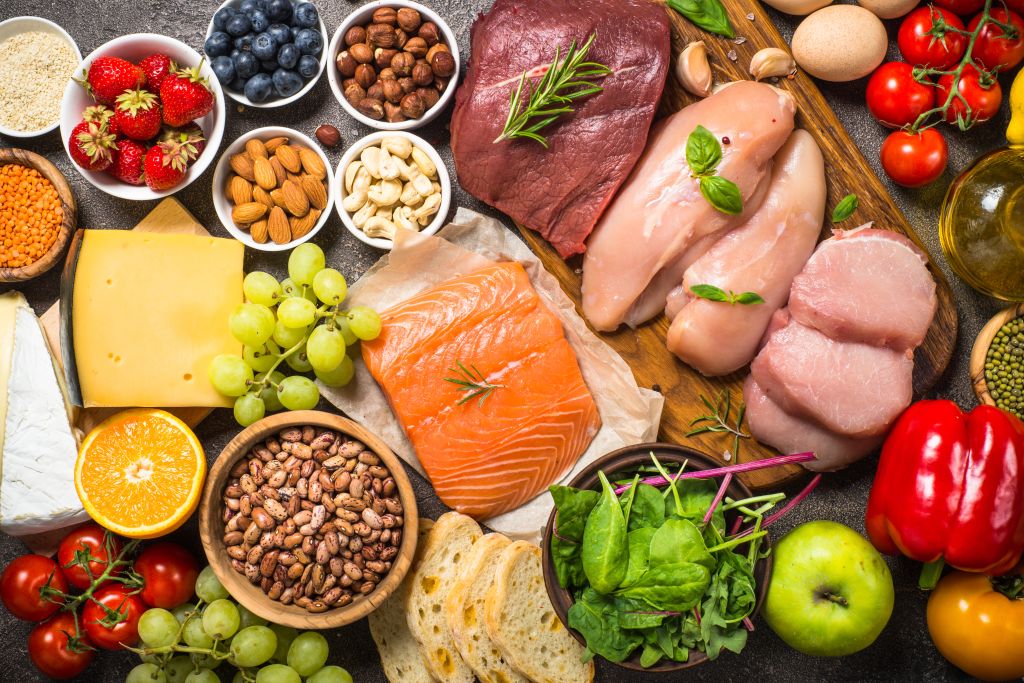
When fasting, it’s essential to nourish your body with the vitamins, minerals, and essential nutrients it needs to function optimally, especially during prolonged fasts.
A nutrient-dense diet, such as Healthy Keto®, ensures the body can sustain prolonged fasting periods and maintain energy levels.
Homemade vegetable broth is an excellent way to provide your body with vital minerals while fasting.
Simmering vegetables and spices such as kale, Swiss chard, celery, parsley, onion, garlic, leeks, cabbage, and turmeric for 90 minutes allows the minerals to break down into the liquid, creating a rich, nourishing broth.
Drinking about 2.5 liters of vegetable broth daily during a fast can help replenish minerals, curb your appetite, and support your weight loss goals.
Green tea is also beneficial, offering antioxidants and supporting steady energy levels, helping to maintain focus and vitality without breaking the metabolic fasting state.
Additionally, avoid breaking your fast with a large meal. Instead, gradually reintroduce food to prevent refeeding syndrome, a potentially dangerous condition that can occur when food is reintroduced too quickly after prolonged fasting.
Refeeding syndrome can lead to rapid shifts in electrolyte and fluid concentrations, which may cause symptoms such as weakness, fatigue, and even heart problems in severe cases.
A healthy, nutrient-dense diet before and after fasting helps ensure your body receives the nutritional support it needs for optimal health and safe fasting practices.
Key takeaways
- Dry fasting restricts both food and fluids, while water fasting allows only water.
- Both can support fat burning, cellular renewal, and metabolic efficiency when done correctly.
- Dehydration, electrolyte loss, and fatigue are common risks with improper fasting.
- Maintaining hydration, replenishing electrolytes, and breaking the fast with nutrient-dense foods help ensure a safe transition.
- Water fasting is generally considered safer for longer periods, while dry fasting should be kept short and closely monitored.
FAQ
- 1. What is water fasting?
- 2. What is dry fasting?
- 3. Why shouldn’t you dry fast?
- 4. How many hours can you do dry fasting?
- 5. Is dry fasting more beneficial?
- 6. What are the dangers of water fasting?
- 7. What are the dangers of dry fasting?
- 8. How long can I do water fasting?
- 9. Can dry fasting make you dehydrated?
- 10. Should I drink water while fasting?
- 11. Can you lose weight by dry fasting?
- 12. Can a dry fast damage your kidneys?
- 13. Why is my urine yellow while dry fasting?
- 14. Can I have lemon water while water fasting?
- 15. Can I drink water while doing intermittent fasting?
Sources
- Rouhani MH, Azadbakht L. Is Ramadan fasting related to health outcomes? A review on the related evidence. J Res Med Sci. 2014;19(10):987-92. https://pmc.ncbi.nlm.nih.gov/articles/PMC4274578/ ↩︎
- Ogłodek E, Pilis Prof W. Is Water-Only Fasting Safe?. Glob Adv Health Med. 2021;10:21649561211031178. doi:10.1177/21649561211031178 https://pmc.ncbi.nlm.nih.gov/articles/PMC8369953/ ↩︎
Related Articles
-
Potential Side Effects of Fasting and How to Avoid Them
 Diet
DietPotential Side Effects of Fasting and How to Avoid Them
At a glance Fasting is widely used to support metabolic health and weight management. While many people tolerate this eating pattern well, others may experience side effects of fasting. Understanding…01/23/2026 11.7k views -
Why You’re Not Losing Weight on Keto
 Diet
DietWhy You’re Not Losing Weight on Keto
At a glance Ketosis is a metabolic state where the body shifts from using carbohydrates to burning fat for energy. It occurs when carbohydrate intake drops low enough for the…12/12/2025 7.6k views -
Why Do You Feel Cold While Fasting?
 Diet
DietWhy Do You Feel Cold While Fasting?
At a glance Fasting involves voluntarily abstaining from food and calorie-containing drinks to allow the body to shift from digestion to fat burning and restoration. As the body enters ketosis,…04/09/2025 126.6k views -
5 Causes of Intermittent Fasting Fatigue
 Diet
Diet5 Causes of Intermittent Fasting Fatigue
At a glance Fatigue is a frequent early side effect of intermittent fasting as the body transitions from using glucose to fat for energy. Low blood sugar, dehydration, electrolyte imbalance,…04/09/2025 103.2k views -
Intermittent Fasting: Snacks and Tips While Fasting
 Diet
DietIntermittent Fasting: Snacks and Tips While Fasting
At a glance Intermittent fasting supports fat-burning and overall metabolic health, and maintaining a nutrient-rich diet during eating windows can make fasting periods more comfortable. While intermittent fasting snacks will…04/09/2025 20k views -
Feeling Weak While Fasting? Causes and Remedies
 Diet
DietFeeling Weak While Fasting? Causes and Remedies
At a glance Fasting can promote impressive metabolic benefits, but some people experience temporary fatigue or weakness as their body adapts to burning fat for fuel. If you’re feeling weak…04/09/2025 17.4k views -
What Breaks a Fast?
 Diet
DietWhat Breaks a Fast?
At a glance Protein, carbohydrates, and sugars raise blood glucose and stimulate insulin release, which breaks a fast. When practiced correctly, intermittent fasting supports metabolic health, weight loss, and cognitive…04/09/2025 43.3k views -
What Causes Diarrhea after Fasting and How to Avoid It
 Health concerns
What Causes Diarrhea after Fasting and How to Avoid It
At a glance Diarrhea after fasting can occur when food is reintroduced too quickly or with hard-to-digest foods. In some cases, improper refeeding may also trigger refeeding syndrome. Gradually reintroducing…04/09/2025 20k views -
What Can I Drink During a Fast?
 Diet
DietWhat Can I Drink During a Fast?
At a glance Whether liquids break a fast depends on their ingredients and the type of fasting method practiced. Drinks with little to no calories, such as water, black coffee,…04/09/2025 64.1k views -
Does Splenda Break a Fast? Sucralose While Fasting
 Diet
DietDoes Splenda Break a Fast? Sucralose While Fasting
At a glance Although Splenda is calorie-free, it can break a fast by affecting blood sugar and insulin levels. Splenda may also negatively impact metabolic and gut health, contribute to…04/08/2025 15.4k views