

At a glance
Itching can be triggered by changes on the skin’s surface or by factors such as everyday stress and hormonal imbalances. Common triggers include allergic reactions, inflammatory conditions, psychological influences, and certain medications. As a result, itching may vary in intensity, duration, and location, and persistent itching may signal the need for closer attention.
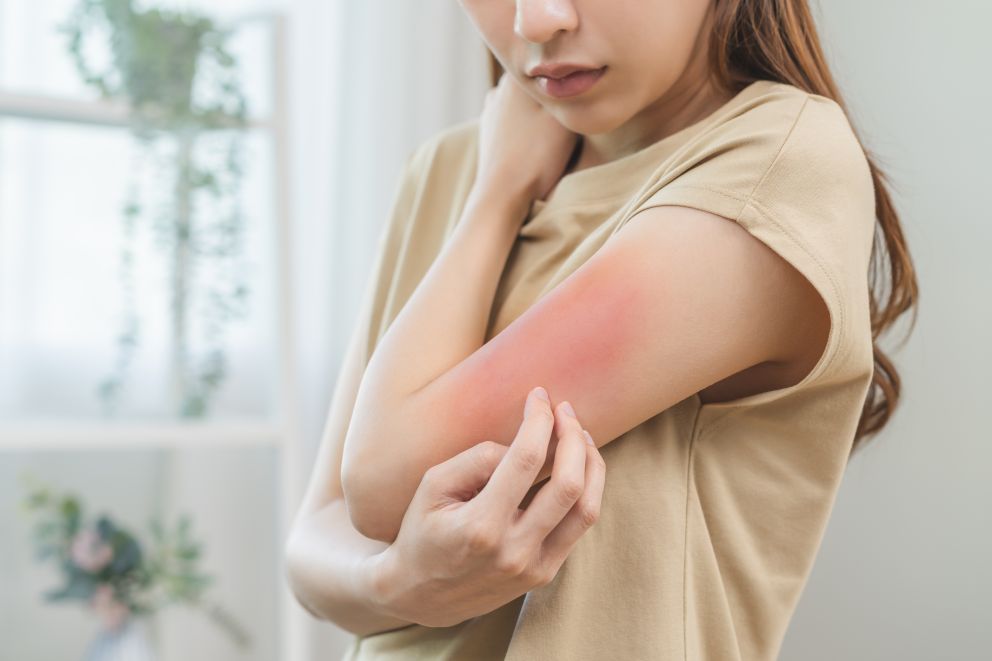
Itching is a common discomfort that can range from mildly annoying to uncomfortably distracting, often signaling that something in the body or environment is triggering irritated skin.
In many cases, prolonged exposure to environmental irritants, allergens, or dry environments can trigger or exacerbate symptoms.
Understanding the causes of itching can help explain why it may appear suddenly, linger, or affect specific areas of the skin, making it easier to choose effective strategies to calm the irritation.
5 causes of itching
Itching, also known as pruritus, can affect anyone and may originate at the skin’s surface or be linked to underlying changes within the body.
Here are five common causes of itching, along with practical ways to manage the discomfort.
1. Dry skin
A dry epidermal layer can cause rough, flaky, or cracked skin and is a common cause of persistent and long-lasting itching.
Research published in Acta Dermato-Venereologica found that dry skin commonly occurs in conjunction with skin conditions such as xerosis, atopic dermatitis, and psoriasis.
These issues are often associated with changes in how the skin sheds cells and regulates moisture. This can leave the surface feeling tight and uncomfortable and increase the likelihood of ongoing itching, particularly in dry or low-humidity environments.
To reduce discomfort, focus on gentle skin care by using lukewarm water instead of hot water, keeping showers brief, and gently patting the skin dry rather than rubbing it.
Applying fragrance-free moisturizers to damp skin and wearing loose, breathable fabrics instead of synthetic clothing can also help maintain moisture and reduce friction that worsens irritation.
2. Allergic reactions
Allergic reactions and sensitivities can occur after exposure to substances such as poison ivy, insect bites, environmental irritants, or specific foods, often resulting in redness and intense itching.
Easing discomfort begins with carefully cleansing the skin to remove any residue, followed by applying cold compresses in short intervals to help calm inflammation.
Identifying and avoiding individual food-related triggers using a food diary, along with keeping the skin cool and minimizing scratching, can help the skin settle more comfortably as the reaction resolves.
3. Inflammatory conditions
Certain inflammatory skin conditions, including atopic dermatitis, a type of eczema, are common causes of red, dry, and scaly patches on the skin.
This inflammation disrupts the skin barrier, making it more sensitive to irritants, allergens, and environmental factors, which can trigger flare-ups.
Managing dermatitis effectively typically involves moisturizing regularly, avoiding triggers, and using natural treatments such as aloe vera, coconut oil, or chamomile to help reduce inflammation and itchiness.
Following an anti-inflammatory diet, especially when paired with intermittent fasting, may help support overall skin health by reducing systemic inflammation that can contribute to flare-ups.

4. Psychological factors
Itching can be exacerbated by psychological factors, particularly in individuals with conditions such as eczema, psoriasis, and urticaria.
These disorders are often associated with heightened stress responses, anxiety, or emotional strain, which can intensify nerve signaling in the skin and make itching feel more severe or persistent.
“Scratching itself has been linked to psychological issues such as obsessive-compulsive disorder and body dysmorphic disorder. These conditions can lead to excessive and compulsive scratching, which in turn can cause further damage to the skin and worsen itching,” explains Dr. Berg.
To manage the psychological causes of itching, incorporating relaxation techniques such as deep breathing practices, spending time in nature, and connecting with loved ones can help reduce stress levels and promote overall well-being.
5. Medications
Certain medications may increase histamine release, alter nerve signaling, and contribute to dehydration, all of which can heighten skin dryness and sensitivity.
Drugs commonly associated with an increased risk of skin problems include certain antibiotics, pain medications, blood pressure drugs, and cholesterol-lowering medicines.
Medication-related itching may begin soon after starting a new prescription or develop gradually with continued use, making the connection less obvious at first.
Paying attention to when symptoms appear, how widespread the itching becomes, and whether other changes occur can provide helpful context when discussing concerns with a healthcare professional.
Supportive steps, such as keeping the skin cool, avoiding overheating, and using gentle, fragrance-free skin products, can help alleviate daily discomfort.
Watch the video below to learn more about the common causes of skin itching.
When to see a doctor
While most itching often improves on its own, chronic pruritus shouldn’t be ignored.
If discomfort persists for more than six weeks, becomes severe, or appears alongside other symptoms such as night sweats, unexplained fatigue, fever, or swelling, it may signal an underlying condition that requires medical evaluation.
An itchy rash that spreads, changes color, or interferes with daily activities is another reason to seek professional guidance.
Additionally, if the discomfort doesn’t improve with basic care such as using a moisturizing cream, taking lukewarm baths, or avoiding known triggers, a healthcare provider can help identify possible health conditions.
Depending on the situation, next steps may include discussing supportive options, such as ultraviolet light–based approaches or additional testing, to better identify underlying causes.
Key takeaways
- Itching, also called pruritus, may originate at the skin’s surface or reflect internal changes, which helps explain why symptoms can vary in both intensity and duration.
- There are many possible causes of itching, including dry skin, allergic reactions, inflammatory skin conditions, psychological stress, and certain medications, each of which affects the skin barrier or nerve signaling in different ways.
- Gentle skin care, cooling strategies, and effective stress management practices can support daily comfort and help maintain skin balance.
- Persistent itching, spreading rashes, or symptoms lasting more than six weeks may warrant medical evaluation to rule out underlying conditions.
FAQ
- 1. What are the most common causes of itching?
- 2. Can diet or nutrient deficiencies contribute to itching?
- 3. What are natural ways to relieve itching at home?
- 4. When should I be worried about itching?
Source
Related Articles
-
Niacinamide vs. Niacin Supplements
 Nutrition
Niacinamide vs. Niacin Supplements
At a glance Niacinamide and niacin are both forms of vitamin B3, but there are key differences in how they function in the body. Niacin is associated with flushing and…07/03/2026 -
Does Bone Broth Break a Fast?
 Diet
DietDoes Bone Broth Break a Fast?
At a glance While bone broth is often considered fasting-friendly, it does contain calories and amino acids that can interrupt the metabolic state of fasting. While it’s rich in collagen,…03/27/2026 -
HPV Skin Tags: Causes and What to Do
 Health concerns
HPV Skin Tags: Causes and What to Do
At a glance While both skin tags and warts can be linked to human papillomavirus (HPV), they differ in appearance and how they affect the body. Targeted dietary and lifestyle…03/13/2026 16.6k views -
What Is the Top Cause of Rosacea?
 Health concerns
What Is the Top Cause of Rosacea?
At a glance Rosacea is a chronic skin condition marked by facial redness and discomfort. The cause of rosacea extends beyond the skin, with growing research highlighting the connection between…02/20/2026 8.1k views -
5 Natural Remedies for Ringworm and Prevention Tips
 Natural remedies
5 Natural Remedies for Ringworm and Prevention Tips
At a glance Ringworm is a common and highly contagious fungal skin infection that thrives in warm, moist environments. It can affect many areas of the body and is easily…02/06/2026 8.3k views -
8 Green Tea Benefits for Skin Health
 Skin health
8 Green Tea Benefits for Skin Health
At a glance Green tea is a rich source of antioxidants and polyphenols, including EGCG, which has profound skin health benefits. The anti-inflammatory, antimicrobial, and anti-aging properties of green tea…02/06/2026 19.6k views -
Dark Spots on Skin: Causes and Natural Remedies
 Health concerns
Dark Spots on Skin: Causes and Natural Remedies
At a glance While dark spots on skin are a normal part of aging, they may also reflect poor lifestyle and dietary habits, and can be improved with targeted changes.…01/22/2026 6.5k views -
Does Vitamin D Help with Acne?
 Skin health
Does Vitamin D Help with Acne?
At a glance Vitamin D plays important roles in immune regulation, microbial balance, and sebaceous gland activity, all of which may lower the risk of acne. Maintaining adequate sunlight exposure…01/08/2026 36.7k views -
Psoriasis Relief: Everyday Habits for Healthier Skin
 Health concerns
Psoriasis Relief: Everyday Habits for Healthier Skin
At a glance Psoriasis is an inflammatory skin condition marked by red, itchy, and scaly patches caused by rapid skin cell buildup. Symptoms can range from mild irritation to widespread…12/11/2025 5.3k views -
5 Spider Vein Natural Remedies
 Health concerns
5 Spider Vein Natural Remedies
At a glance Spider veins are often influenced by genetics, hormonal shifts, and circulatory factors. Natural remedies that support healthy circulation and vein integrity, combined with targeted lifestyle habits, may…11/20/2025 19.6k views


