

At a glance
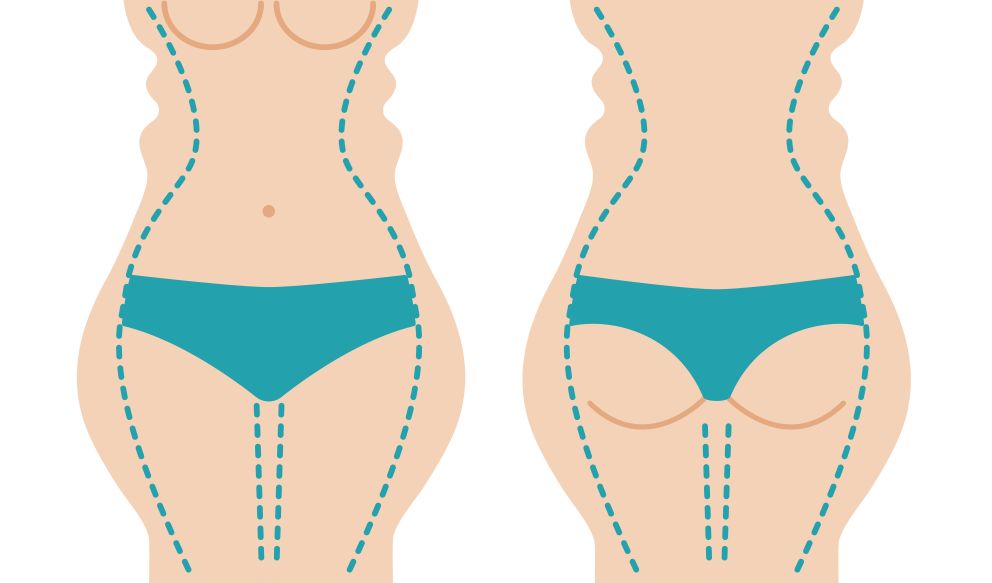
An ovary body type is primarily driven by high estrogen levels, which promote fat storage around the hips, thighs, and lower abdomen. This body type is strongly influenced by exposure to environmental estrogen-like compounds, which can disrupt normal hormonal balance. Supporting healthy estrogen levels through supportive dietary and lifestyle habits can help promote more balanced hormones and may improve weight-loss outcomes over time.
Struggling to lose weight despite your best efforts? It might be time to shift your strategy.
If you tend to gain weight in your lower body—especially around the hips, thighs, and below the belly button—and show signs of estrogen dominance, you may have an ovary body type.
Discover the best dietary strategies to balance hormones naturally and learn how to reduce fat storage, curb cravings, and restore metabolic health.
The five body types explained
There are five body types—thyroid, adrenal, ovary, liver, and pancreas—each characterized by distinct patterns of fat storage, hormonal imbalances, and metabolic challenges.
Understanding your body’s unique shape and how it responds to hormones is key to effective weight management.
Let’s take a look at the five hormonal body types.
1. Liver body type
The liver body type is often recognized by a prominent, rounded belly, sometimes referred to as a pot belly, that may even be present in individuals who aren’t overweight otherwise.
This body composition is typically linked to low levels of human growth hormone (HGH), a key hormone that helps regulate fat-burning. When HGH levels drop, losing weight becomes much more challenging.
Liver body types are commonly associated with liver dysfunction, including fatty liver disease, cirrhosis, or hepatitis. These issues can stem from viral infections, alcohol use, or non-alcoholic fatty liver disease (NAFLD), often driven by poor diet and metabolic imbalances.
For individuals with a liver body type, reducing or eliminating alcohol and focusing on liver-supportive foods can play a crucial role in restoring balance and improving overall health.
2. Adrenal body type
The adrenal body type is generally characterized by a sagging belly that isn’t directly linked to overeating or poor diet. Instead, it’s driven by elevated levels of cortisol, which is the body’s primary stress hormone.
People with an adrenal body type typically have a heightened response to stress, which can make traditional weight loss methods less effective. In addition, chronic stress may lead to poor sleep, anxiety, brain fog, and powerful cravings, further compounding fat storage and weight gain.
To support weight loss and promote optimal adrenal function, it’s essential to focus on stress reduction by prioritizing sleep and engaging in calming activities such as walking, stretching, and deep-breathing exercises.
3. Thyroid body type
The thyroid body type is characterized by overall, evenly distributed weight gain, rather than fat accumulating in one specific area. People with this body type often struggle with fatigue, cold sensitivity, and a sluggish metabolism.
While low thyroid function is commonly associated with this body type, poor liver health may also be an underlying cause.
The liver plays a vital role in converting inactive thyroid hormones into their active form. When liver function is impaired, this conversion slows, which can lead to hypothyroidism.
For those with this body type, it’s essential to support both thyroid and liver health by prioritizing iodine- and selenium-rich foods, managing stress, limiting goitrogenic foods, and reducing processed foods and refined sugars.
4. Pancreas body type
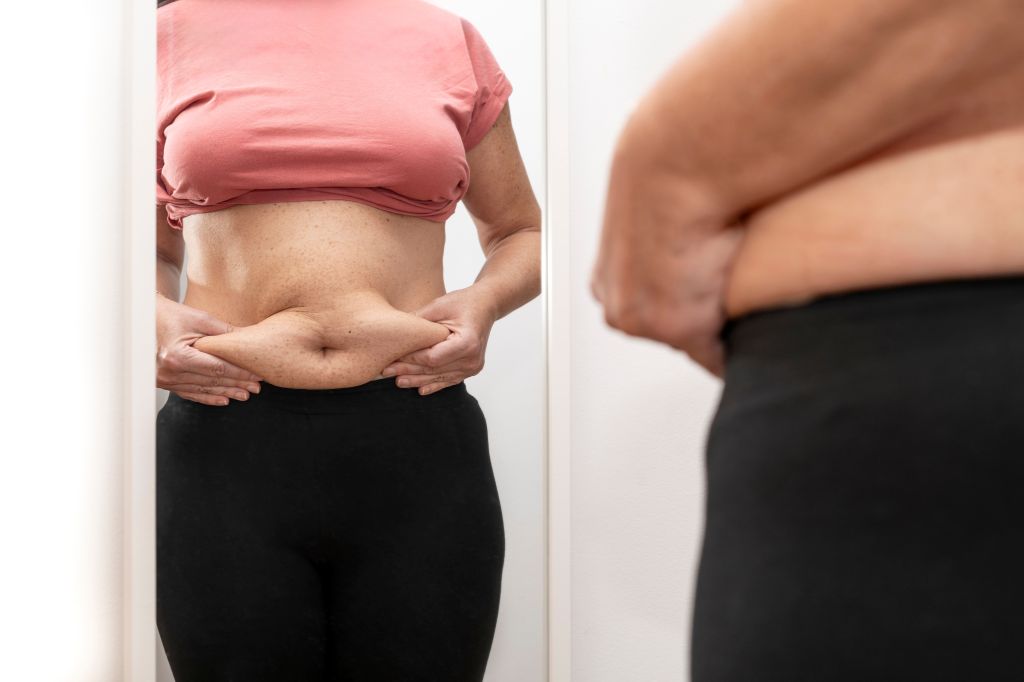
Although the pancreas body type can resemble the adrenal body type in appearance, particularly with weight around the midsection, the underlying cause differs.
The adrenal type is driven by chronic stress and elevated cortisol. In contrast, the pancreas body type is primarily influenced by markers of poor metabolic health, including insulin imbalances and insulin resistance.
Most individuals with this body type experience blood sugar fluctuations and insulin resistance, which are linked to a diet high in refined carbohydrates, sugars, and processed foods.
Insulin resistance blocks fat-burning hormones and makes it hard to lose weight effectively. To achieve lasting results, it’s essential to identify your body type and tailor your nutrition and lifestyle to support healthy insulin function and restore hormonal balance.
5. Ovary body type
The ovary body type is characterized by weight gain concentrated in the hips, thighs, lower abdomen, and sometimes the breasts and arms. Due to the role of ovarian hormones, this pattern is specific to women.
“At the core of this body type is estrogen dominance, an imbalance where estrogen levels are disproportionately high compared to other hormones,” explains Dr. Berg. “Women with this imbalance often experience heavy periods and are at increased risk of fibroids and ovarian cysts.”
Environmental factors play a significant role in the development of this body type, especially exposure to endocrine disruptors, which are chemical compounds that mimic estrogen.
These are commonly found in pesticides, herbicides, soy products, hormonal birth control, and many everyday items, contributing to hormone imbalances associated with the ovarian body type.
Watch the video below to discover how to address an ovary body type.
Ovary body type symptoms
The ovary body type is primarily driven by estrogen dominance, a hormonal imbalance in which estrogen levels are too high relative to other hormones, such as progesterone.
Excess estrogen can interfere with multiple systems, including thyroid function and reproductive health, and often makes it especially difficult to lose weight.
Common symptoms associated with an ovary body type include:
- Fat storage in the hips, thighs, and lower belly
- Heavy or painful periods
- Uterine fibroids
- Premenstrual syndrome (PMS)
- Headaches around the menstrual cycle
- Cravings for dairy, fried, or fatty foods
- Facial hair growth
- Thyroid dysfunction
- Difficulty losing weight despite diet and exercise
- Hot flashes and night sweats
If left unaddressed, estrogen dominance can lead to further hormonal imbalances and trigger a shift toward the adrenal body type after menopause, especially if the adrenal glands are already strained.
This has been confirmed by evidence published in Neuroscience, suggesting that estrogen imbalances can interfere with normal adrenal functions, increasing the risk of poor stress regulation and abnormal cortisol release.1
If you are concerned about your hormonal health or experience symptoms associated with the ovary body type, it’s crucial to consult a healthcare provider for proper evaluation and personalized treatment options.

What should I do for the ovary body type?
If you have an ovary body type, managing estrogen levels through beneficial dietary and lifestyle changes is essential for hormonal balance and effective weight loss.
Here are six steps you can take to address an ovary body type.
1. Prioritize cruciferous vegetables
Cruciferous vegetables are powerful allies for balancing estrogen and should be a cornerstone of the ovary body type diet.
These vegetables are rich in compounds that aid hormone detoxification, making them especially helpful for naturally reducing excess estrogen. Kale, broccoli, Brussels sprouts, and cabbage are among the most effective choices.
Research published in Current Developments in Nutrition investigated the link between estrogen balance and cruciferous vegetable intake.2
The authors highlight, “Cruciferous vegetables have been shown to modulate estrogen metabolism, which may, at least partly, explain the benefit of cruciferous vegetable intake on pre- and postmenopausal women.”
2. Combine Healthy Keto® with intermittent fasting
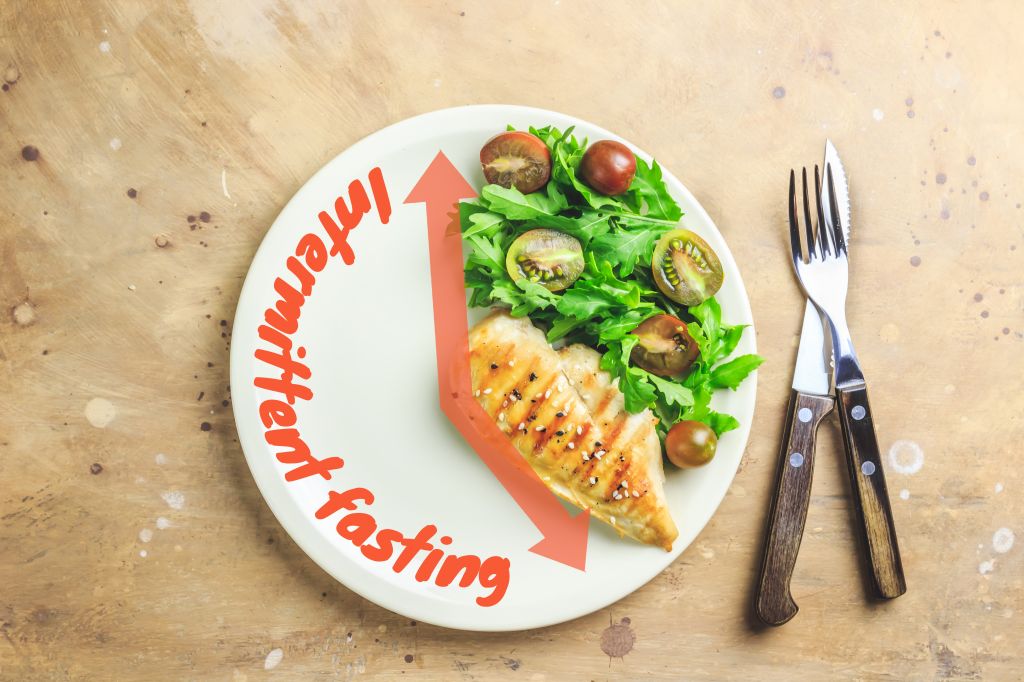
For those with an ovary body type, combining a nutritious low-carb diet such as Healthy Keto® with intermittent fasting can be a powerful approach to balancing hormones and promoting fat loss.
The Healthy Keto plan emphasizes high-quality fats and moderate protein intake while limiting carbohydrates, which helps stabilize blood sugar and lower insulin levels—two key factors for reducing estrogen dominance.
Healthy Keto also prioritizes nutrient-dense whole foods that support liver detoxification and minimize exposure to endocrine disruptors commonly found in processed foods.
Intermittent fasting complements this dietary approach as prolonged periods of caloric restriction force the body to tap into stored body fat to generate energy, which supports healthy weight loss and can promote hormonal balance.
3. Avoid soy products
It’s recommended that individuals with an ovary body type avoid soy products such as soy milk and soybean oil, as they may raise estrogen levels in the body.
Unlike traditional fermented soy used in some cultures, most Western soy products contain soy protein isolate, a concentrated and highly processed form of soy.
About 95 percent of soy protein isolates are genetically modified and are commonly found in packaged foods such as cereals, protein bars, and plant-based meat alternatives.
While inexpensive to produce, this type of soy has been linked to hormonal imbalances and may contribute to the development of an ovary body type and associated weight gain.

4. Choose grass-fed and organic produce
Estrogen imbalance can be worsened by consuming foods that contain added hormones, such as conventionally raised dairy, red meat, and other animal proteins.
These products often come from animals treated with synthetic hormones to speed growth or increase milk production. However, these hormones can enter your system and disrupt your natural hormonal balance.
To support optimal hormone regulation, choose organic, pasture-raised, or grass-fed options whenever possible. These high-quality animal products are raised without added hormones or antibiotics, making them better choices for individuals with an ovary body type.
5. Minimize exposure to synthetic hormones
Minimizing exposure to synthetic hormones can help reduce estrogen dominance by lowering your overall estrogenic load.
Xenoestrogens are a group of chemical compounds that mimic estrogen and are found in plastics, pesticides, personal care products, and certain non-organic animal products.
Research published in the International Journal of Molecular Science reports that these compounds can disrupt the endocrine system, contributing to hormone imbalances and making it harder for the body to regulate natural estrogen levels.3
Key takeaways
- The ovary body type is primarily attributed to disproportionately high estrogen levels, which encourage fat storage in the hips, thighs, and lower abdomen.
- Exposure to environmental estrogen-like compounds can worsen estrogen dominance and contribute to this body type’s characteristic symptoms.
- Common signs of an ovary body type include heavy or painful periods, PMS, cravings, fibroids, ovarian cysts, and difficulty losing weight.
- Supporting hormone balance through the consumption of cruciferous vegetables, organic and hormone-free foods, and minimizing exposure to synthetic hormones and endocrine disruptors can help reduce the estrogen load.
- Combining a nutrient-dense Healthy Keto diet with intermittent fasting may further support balanced estrogen levels, stable insulin, and more effective fat-loss results.
FAQ
- What is an ovary body type?
- What should people with an ovary body type eat?
- What are the five body types?
- What does it mean to be an ovary body type?
- What is estrogen dominance?
- What are the signs of estrogen dominance?
- How can I tell if I have high estrogen?
- What foods should I avoid if I have estrogen dominance?
- What causes the ovary body type?
- How can I fix my ovary body type?
Sources
- https://pmc.ncbi.nlm.nih.gov/articles/PMC5837863/ ↩︎
- https://pmc.ncbi.nlm.nih.gov/articles/PMC5998357/ ↩︎
- https://pmc.ncbi.nlm.nih.gov/articles/PMC11594813/ ↩︎
Related Articles
-
What to Eat After a 72-Hour Fast and What to Avoid
 Diet
DietWhat to Eat After a 72-Hour Fast and What to Avoid
At a glance A 72-hour fast shifts the body toward greater reliance on stored fat and changes how nutrients are handled when eating is resumed. Reintroducing food afterward can affect…09/18/2026 -
Fasting Hunger Waves: How to Ride Them Out
 Diet
DietFasting Hunger Waves: How to Ride Them Out
At a glance Intermittent fasting may support weight loss, fat burning, and metabolic health by lowering insulin levels and shifting the body toward using fat stores for fuel. Fasting hunger…09/10/2026 -
7 Common Intermittent Fasting Myths Debunked
 Diet
Diet7 Common Intermittent Fasting Myths Debunked
At a glance Intermittent fasting is an increasingly popular dietary pattern that is often misunderstood. Many common concerns surrounding intermittent fasting, including muscle loss, hormonal disruption, and metabolic slowdown, are…09/03/2026 -
What Is Time-Restricted Eating?
 Diet
DietWhat Is Time-Restricted Eating?
At a glance Time-restricted eating is a form of intermittent fasting that limits meals to a consistent daily eating window. This approach focuses on when food is consumed rather than…08/13/2026 -
Does Intermittent Fasting Affect Your Metabolism?
 Diet
DietDoes Intermittent Fasting Affect Your Metabolism?
At a glance Intermittent fasting impacts metabolism by shifting the body towards ketosis, improving insulin sensitivity, and enhancing metabolic flexibility. While fasting can support weight management and metabolic efficiency, results…07/23/2026 -
What Is the Best Meal Timing for Stable Energy?
 Diet
DietWhat Is the Best Meal Timing for Stable Energy?
At a glance Meal timing can influence daily alertness, hunger cues, and blood sugar patterns. The body processes food according to internal rhythms that affect insulin, digestion, and metabolic activity.…07/17/2026 -
Fasting and Cancer: What to Know
 Fasting
Fasting and Cancer: What to Know
At a glance Fasting has been increasingly studied for its potential role in cancer prevention and support during treatment. By influencing cellular metabolism, promoting autophagy, and modulating immune function, fasting…07/16/2026 -
36-Hour Fasting: Benefits, Safety, and How It Works
 Diet
Diet36-Hour Fasting: Benefits, Safety, and How It Works
At a glance A 36-hour fast is a prolonged fasting strategy that shifts the body into ketosis, promoting fat burning, improved insulin sensitivity, and cellular repair through autophagy. These metabolic…06/25/2026 -
Does Fasting Help with Inflammation?
 Diet
DietDoes Fasting Help with Inflammation?
At a glance Fasting is a powerful tool for reducing inflammation and supporting overall health. By promoting fat burning and activating cellular repair processes, fasting can help lower pro-inflammatory markers.…06/05/2026 -
Does Chewing Gum Break a Fast?
 Fasting
Does Chewing Gum Break a Fast?
At a glance Whether or not gum breaks a fast depends on its ingredients. Sugary gum raises insulin and can break a fast outright. Some sugar-free gum is acceptable, but…05/29/2026


