


At a glance
Coconut oil and olive oil are two heart-healthy, keto-friendly fats that each offer unique benefits. While coconut oil provides medium-chain triglycerides (MCTs) for quick energy and antimicrobial support, olive oil is a rich source of fatty acids and polyphenols that help reduce inflammation and protect cellular functions.
Coconut oil and olive oil have received much attention for their health benefits in recent years and are two of the most popular cooking oils on the market.
Let’s talk about why coconut and olive oils are heart-healthy, keto-friendly fats that deserve a spot in your kitchen.
Benefits of coconut oil
Coconut oil is derived from the meat of mature coconuts, offering a light, delicate flavor and excellent heat stability, making it ideal for cooking, baking, and pan-frying—plus, it’s keto-friendly.
As for coconut milk, yes, it’s also keto-friendly. Both coconut milk and coconut oil are excellent additions to keto, providing healthy fats while being low in carbs.
Here are four impressive health benefits of coconut oil.
1. Promotes heart health
You may have heard that coconut oil is high in saturated fat and not heart-healthy, but this is a common misconception.
In fact, research published in Nutrients indicates that coconut oil can help increase levels of high-density lipoprotein (HDL) cholesterol, widely regarded as the good cholesterol, as it plays a key role in protecting your arteries and supporting heart health.1
2. Help strengthen the immune system
Coconut oil is a rich source of lauric acid, a fatty acid with profound health benefits, especially in relation to supporting the body’s immune defenses.
Lauric acid helps boost immune function and possesses antimicrobial properties that help protect against harmful microorganisms, including Escherichia coli and Helicobacter pylori as well as common stomach viruses.
3. Supports brain health
Coconut oil is an exceptional source of medium-chain triglycerides (MCTs), a group of saturated fatty acids with potential benefits for brain health.
Compared to other fats, MCTs are more easily digested and quickly turned into ketones in the liver.
Because brain cells prefer ketones to sugar as a fuel source, MCTs have been linked to better brain function and overall cognition.
4. Promotes steady energy levels
Consuming coconut oil can support steady energy levels, which is primarily linked to its high MCT content.
In contrast to long-chain fats, MCTs are rapidly absorbed by the liver and converted into ketones, which serve as a quick and efficient source of energy for the body.
Ketones offer a more stable and sustained source of energy, unlike the rapid spikes and crashes in blood sugar levels that often follow carbohydrate consumption.
Watch the video below to learn more about the impressive benefits of coconut and olive oil.
Benefits of olive oil
Olive oil is extracted from ripe olives and is known for its rich, fruity flavor with a subtle peppery finish, making it ideal for salad dressings, dips, and light sautéing.
As a cornerstone of the Mediterranean diet, olive oil has been widely researched for its high concentrations of health-promoting polyphenols.
A study published in the International Journal of Molecular Science summarizes: “Polyphenolic compounds are abundant in olive oil. They are powerful antioxidants displaying anticancer, anti-angiogenic, and anti-inflammatory properties.”2
Here are three health benefits of olive oil.
1. Supports heart health
According to evidence published in Critical Reviews in Food Science and Nutrition, regular olive oil consumption is associated with a lower incidence of coronary heart disease.3
This benefit is thought to be largely due to olive oil’s high concentration of polyphenols that may help protect blood vessels, reduce oxidative stress, and support healthy cholesterol levels.
In addition, nearly 80 percent of olive oil consists of the monounsaturated fat oleic acid, which is known to support heart health and may also positively influence genes involved in inflammation.
2. Helps lower inflammation
Despite its omega-6 content, olive oil is considered a powerful anti-inflammatory food due to its high concentration of polyphenols.
While omega-6 fatty acids are often associated with promoting inflammation, the unique phenolic compounds in olive oil have been shown to exhibit antioxidant, anti-inflammatory, and immune-supporting properties.
Research published in Current Pharmaceutical Design highlights oleocanthal, a polyphenol found exclusively in olive oil, for its notable anti-inflammatory effects, which have been compared to those of ibuprofen in reducing inflammatory markers.4
3. Supports cellular health
Polyphenols found in olive oil are potent antioxidants that support the body’s ability to protect DNA, proteins, and cells from oxidative damage.
These antioxidant effects have been linked to better cell function and cellular longevity as well as a reduced risk of chronic health conditions, including prostate and colon cancers.
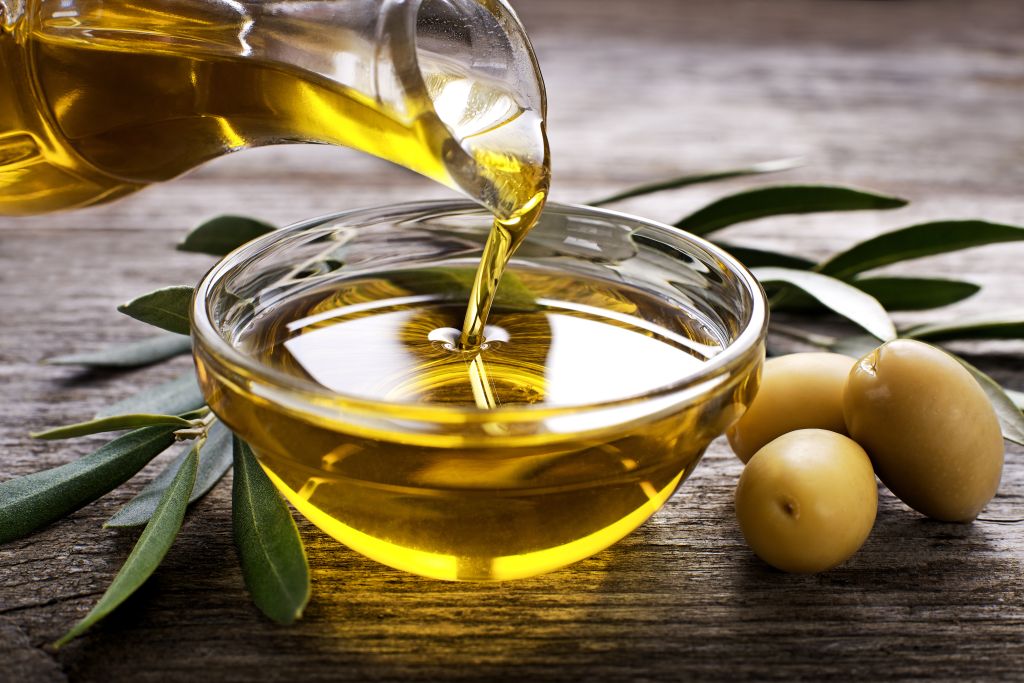
Coconut oil and olive oil compared
Both olive oil and coconut oil are excellent sources of healthy fats, and fit well into a keto diet, offering roughly the same calorie content per serving.
Rather than labeling one as healthier, each oil brings unique benefits to the table. Including both in a nutritious ketogenic diet can help provide a broader spectrum of nutrients that support heart, brain, and overall health.
Coconut oil has a mild, neutral flavor and is highly heat-stable, making it ideal for high-heat cooking methods such as frying, roasting, and baking.
Olive oil, rich in monounsaturated fatty acids and polyphenols, is best suited for low to medium-heat cooking or used raw in dressings, dips, and drizzles.
Key takeaways
- Coconut oil offers MCTs that are rapidly converted into ketones, supporting steady energy, brain function, and cognitive health.
- Olive oil provides monounsaturated fats and polyphenols that help reduce inflammation and oxidative stress.
- Both oils are keto-friendly and can be regularly incorporated into a nutrient-rich, low-carb diet.
- Coconut oil is best suited for high-heat cooking, while olive oil is ideal for low-heat cooking, marinades, and salad dressings.
- It’s recommended to choose minimally processed options, such as virgin coconut oil and extra-virgin olive oil, for maximum nutritional benefits.
FAQ
- 1. Is coconut oil healthy?
- 2. Is olive oil healthy?
- 3. Which is better, coconut oil or olive oil?
- 4. Can I use coconut oil for cooking?
- 5. Is eating coconut oil every day healthy?
- 6. Is olive oil good for heart health?
- 7. Is olive oil keto-friendly?
- 8. Is coconut oil keto-friendly?
- 9. Can I have coconut oil while fasting?
- 10. What type of olive oil is best?
Sources
- https://www.ncbi.nlm.nih.gov/pmc/articles/PMC8148021/ ↩︎
- https://pmc.ncbi.nlm.nih.gov/articles/PMC5877547/ ↩︎
- https://pubmed.ncbi.nlm.nih.gov/12058980/ ↩︎
- https://pubmed.ncbi.nlm.nih.gov/21443487/ ↩︎
Related Articles
-
Best Cooking Oils: Healthy Options for High-Heat Cooking
 Food and Drink
Best Cooking Oils: Healthy Options for High-Heat Cooking
At a glance The best cooking oils offer different advantages depending on how they are used in the kitchen. Factors such as smoke point, fatty acid composition, flavor, and processing…08/20/2026 -
What Is the Difference Between Virgin and Extra Virgin Olive Oil?
 Superfoods
What Is the Difference Between Virgin and Extra Virgin Olive Oil?
At a glance Virgin and extra virgin olive oils are both extracted from olives using mechanical methods, but extra virgin olive oil (EVOO) meets stricter quality standards. EVOO contains higher…03/06/2026 8.5k views -
Natural Pain Relief: Lifestyle and Nutrition Tips
 Health concerns
Natural Pain Relief: Lifestyle and Nutrition Tips
At a glance Natural pain relief focuses on dietary and lifestyle strategies that help manage discomfort and pain. Factors such as a poor diet, stress, and sedentary habits can worsen…02/26/2026 3.9k views -
7 Healthiest Foods and Why Your Body Needs Them
 Nutrition
7 Healthiest Foods and Why Your Body Needs Them
At a glance Eating nutrient-dense, minimally processed foods is crucial for maintaining long-term health, as they support digestion, cardiovascular function, energy production, and immune balance. Discover seven of the healthiest…01/08/2026 41.6k views -
Real vs. Fake Olive Oil: How to Tell the Difference
 Nutrition
Real vs. Fake Olive Oil: How to Tell the Difference
At a glance There are several ways to determine if olive oil is truly olive oil, including checking its labeling, packaging, aroma, and taste. Fake olive oil is blended with…12/04/2025 17.4k views -
What Is a Gallbladder Flush, and Is It Safe?
 Health concerns
What Is a Gallbladder Flush, and Is It Safe?
At a glance Gallbladder flushes are promoted as natural methods to clear gallstones and thick bile, but they can trigger significant digestive distress and may impair normal gallbladder function. Emphasizing…11/20/2025 18.3k views -
Six Fascinating Benefits of Ozonated Olive Oil
 Nutrition
Six Fascinating Benefits of Ozonated Olive Oil
At a glance Ozonated olive oil provides strong antibacterial, antiviral, and antifungal effects that promote wound healing, reduce infection naturally, and lower inflammation. It’s typically applied topically once or twice…04/09/2025 17.7k views -
Are Olives Keto-Friendly?
 Keto
KetoAre Olives Keto-Friendly?
At a glance Olives can easily fit into a ketogenic diet due to their low carbohydrate content and abundance of healthy fats. This unique fruit also delivers a rich profile…04/08/2025 2.6k views


