

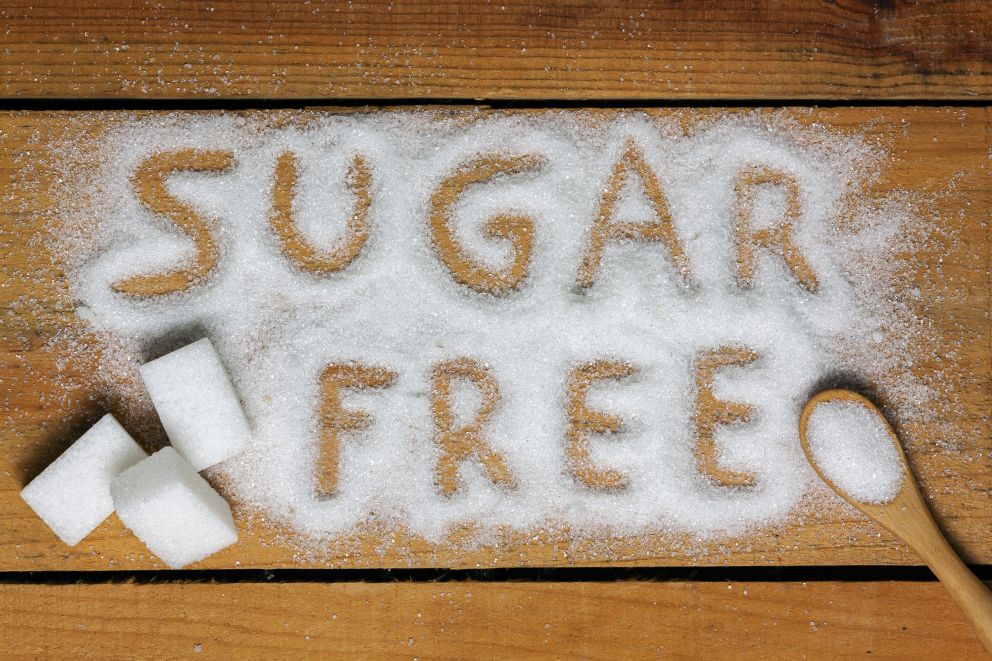
At a glance
Sugar-free labels are commonly used on packaged foods and beverages to indicate minimal sugar content per serving. However, this claim is based on specific labeling criteria and does not always reflect how a product is formulated or consumed. Differences in serving sizes, ingredient composition, and processing methods can influence how these products fit into an overall dietary pattern.
While health-conscious individuals may know to avoid obviously sugary foods like breakfast cereals or sugar-sweetened beverages like soft drinks and energy drinks, it can be hard to avoid sugar in other products without understanding label claims.
Sugar-free label claims are common on packaged foods, but they don’t always reflect how a product affects insulin levels.
Explore how sugar-free claims work and how to interpret nutrition facts more accurately in order to maintain a healthy diet.
What does “sugar-free” mean on a label?
A sugar-free label is a regulated claim defined by the U.S. Food and Drug Administration (FDA). To qualify, a product must contain less than 0.5 grams of sugar per serving.
This threshold applies to both naturally occurring sugars and added sugars. However, because the requirement is based on serving size, products may still contain significant amounts of sugar when consumed in larger portions.
The sugar-free label does not reflect whether sweetness has been introduced during processing, and it differs from claims such as “sugar added” or “no sugar added,” which follow separate labeling criteria.
The nutrition facts provide additional context by listing total sugars per serving. This total includes both naturally occurring sugars, such as those found in fruit or dairy, and sugars added during processing.
Because serving sizes can vary significantly between products, evaluating both the nutrition facts and ingredient list helps clarify a product’s actual sugar content.
Watch the video below to learn about alternative sweeteners.
“No sugar added” vs. “sugar-free”
Both the terms “no sugar added” and “sugar-free” are regulated label claims, but they reflect different aspects of a product’s sugar content.
A “no sugar added” claim indicates that no sugars were introduced during processing or preparation. However, these products may still contain naturally occurring sugars, such as those found in fruit, dairy, or concentrated fruit sources.
Serving size influences how sugar content is represented on the nutrition facts.
Because of this distinction, products labeled as having no sugar added may contain more total sugars per serving than those labeled sugar-free.
Why sugar-free label claims can be misleading
Research published in Nutrients found that roughly 75% of consumers who read food labels report checking sugar content, highlighting how strongly sugar-related claims influence product perception.
Sugar-free claims are often used on packaged foods to suggest lower sugar intake or fewer total calories, attracting customers seeking to reduce their consumption of sugar. However, this labeling does not account for how replacement ingredients influence blood sugar or overall metabolic response.
Sugar is often replaced with alternative or artificial sweeteners to maintain taste and texture. Some alternative sweeteners—particularly certain sugar alcohols such as maltitol—may affect blood glucose levels, while many artificial sweeteners have little to no direct glycemic impact.
Because sugar-free labeling is based on serving size, small amounts of sugar per serving can accumulate when multiple servings are consumed. This can make total sugar intake more difficult to assess across multiple foods or portions.
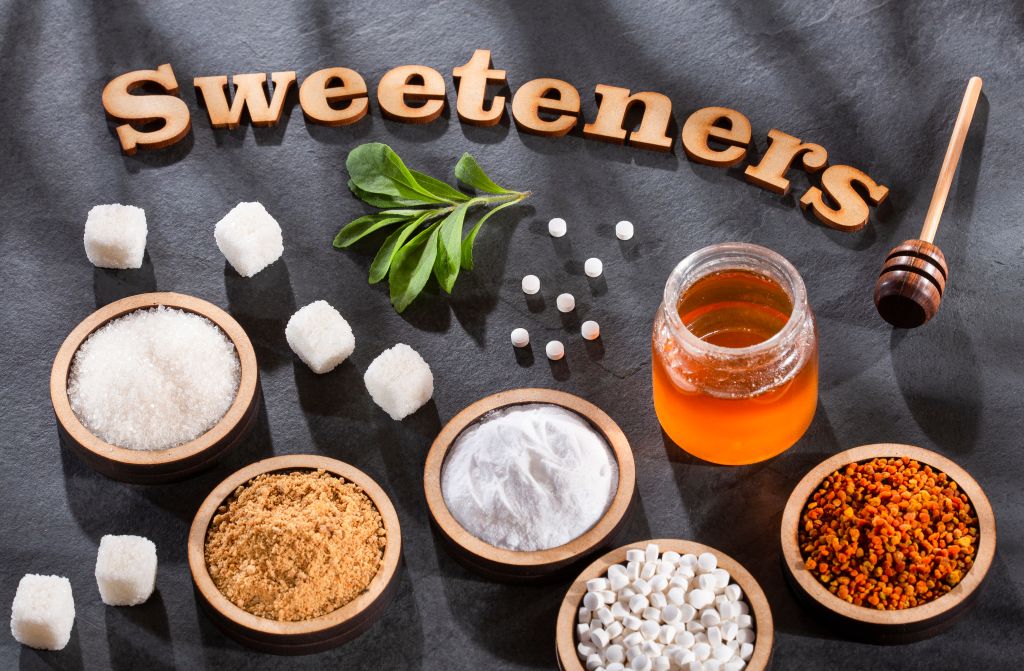
Common ingredients found in sugar-free products
Sugar-free products often contain a range of ingredients designed to replicate the sweetness and texture of sugar while meeting labeling requirements.
Common ingredients found in sugar-free products include the following:
- Maltodextrin
- Sugar alcohols, such as erythritol, xylitol, and sorbitol
- Artificial sweeteners, such as aspartame, sucralose, and saccharin
- Natural alternative sweeteners, such as stevia and monk fruit
- Modified starches and dextrins
Some products may also include natural fruit sugars, such as fruit drinks, juices, or fruit juice concentrates, which can contribute high amounts of natural sugars while still aligning with “no sugar added” claims.
Alternative sweeteners vary in how they affect the body. Some sweeteners, such as stevia and monk fruit, are used in small amounts and generally have minimal impact on blood sugar. Other alternatives may affect insulin levels and digestion differently.
“Consuming large amounts of sugar alternatives, including sugar alcohols, may contribute to digestive issues such as bloating, fluid retention, and diarrhea, and can disrupt the gut microbiome,” explains Dr. Berg. “While they may be useful during the transition away from sugar, they are best used occasionally rather than as a regular part of the diet.”
Refined carbohydrates, such as maltodextrin and certain starches, are not classified as sugar on food labels but can raise blood glucose levels rapidly due to their high glycemic index.
Additionally, a study published in Cellular and Molecular Gastroenterology and Hepatology found that maltodextrin may promote intestinal inflammation and disrupt the protective mucus layer in the gut.
Because these ingredients are not classified as sugar on labels, the ingredient list provides important context about a product’s composition.
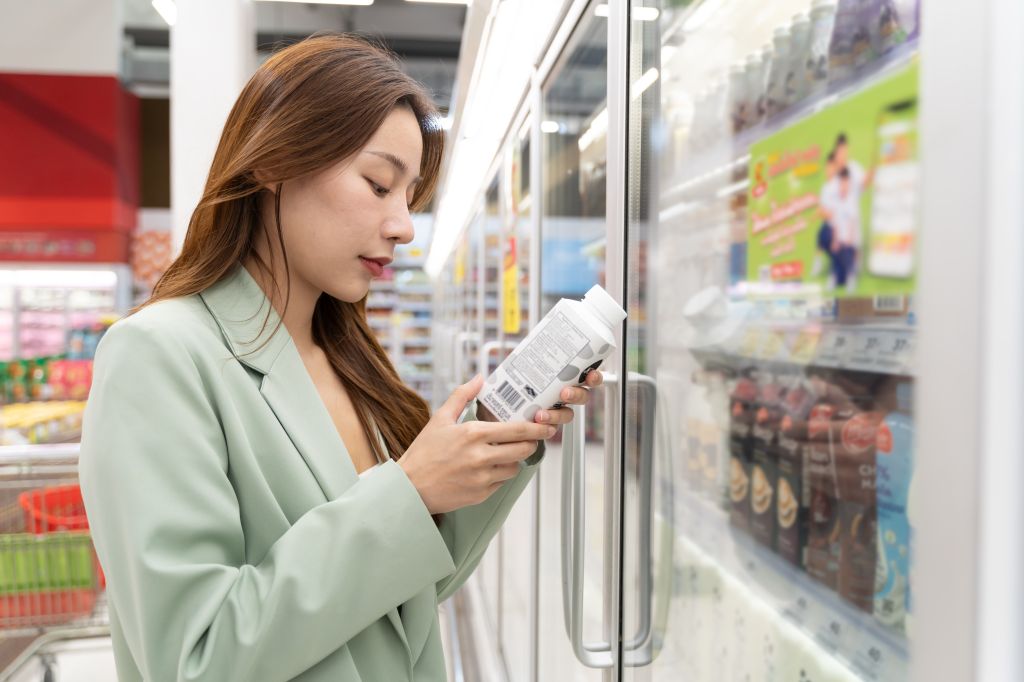
What to look for when reading a label
Reading sugar-free labels requires evaluating more than just front-of-package claims.
The nutrition facts and ingredient list offer key details that can support more informed choices.
Here are three factors to consider when evaluating a sugar-free product.
1. Serving size
Serving size determines whether a product qualifies for a sugar-free label. Because sugar-free labeling is based on per-serving thresholds, total sugar intake can increase when multiple servings are consumed.
Many packaged foods use small serving sizes to meet labeling criteria, even though typical portions are larger.
Reviewing how many servings are actually consumed provides a more accurate estimate of total sugar intake.
2. Total sugars and carbohydrates
The nutrition facts list total sugars, which include both naturally occurring sugars and added sugars.
Products that qualify as sugar-free may still contain carbohydrates that influence blood sugar levels. Starches and certain sweeteners contribute to total carbohydrate content and can affect metabolic response.
Evaluating total sugars alongside overall carbohydrate content provides a clearer picture of potential blood glucose impact and whether a product contains too much sugar for your health goals.
3. Ingredient list
Ingredients are listed in descending order by weight, making the first few ingredients the most significant contributors to the product.
Sugar-free products can contain alternative sweeteners, refined starches, or additives that replace sugar’s texture and provide a sweet taste. Some of these ingredients are not classified as sugar on the nutrition label but may still affect blood sugar.
Aside from the most common types of refined sugar (brown sugar, white sugar, cane sugar, and table sugar), there are many other sweeteners commonly found in ingredient lists. Some of the most common ones to look out for include high-fructose corn syrup, allulose, saccharin, aspartame, sucralose, honey, and molasses.
Reviewing the ingredient list on food packages alongside the nutrition facts label offers a more complete view of the product’s formulation.
Key takeaways
- Sugar-free labels indicate a product contains less than 0.5 grams of sugar per serving, not that it is entirely free of sugar.
- Many sugar-free products contain alternative sweeteners or refined carbohydrates that may still affect blood sugar.
- Serving size influences how sugar content is represented on the nutrition facts.
- Reviewing serving sizes, ingredient lists, and nutrition facts can provide a more accurate understanding of how much added sugar and natural sugar a product contains.
FAQ
- 1. Can a product be labeled sugar-free and still affect blood sugar?
- 2. Does sugar-free mean carbohydrate-free?
- 3. What ingredients are commonly used in sugar-free products?
- 4. Are sugar-free products healthy?
- 5. Do products labeled “no added sugar” spike insulin?


