

At a glance
Keto-friendly sauces and condiments can help support ketosis by keeping overall carbohydrate intake within the limit of 20 to 50 grams per day. Choosing options made with fats, herbs, and simple ingredients may support satiety and consistent energy levels. Being mindful of hidden sugars and thickeners can also help keep carb intake in check.
Sauces and condiments can add variety and depth to meals, but many contain hidden sugars and starches that spike blood sugar levels.
Choosing the right kind of toppings helps maintain lower carb intake while still adding flavor and variety to everyday meals.
Discover which keto-friendly sauces and condiments can safely be consumed on a low-carb diet, as well as what ingredients to avoid.
What is a keto diet?
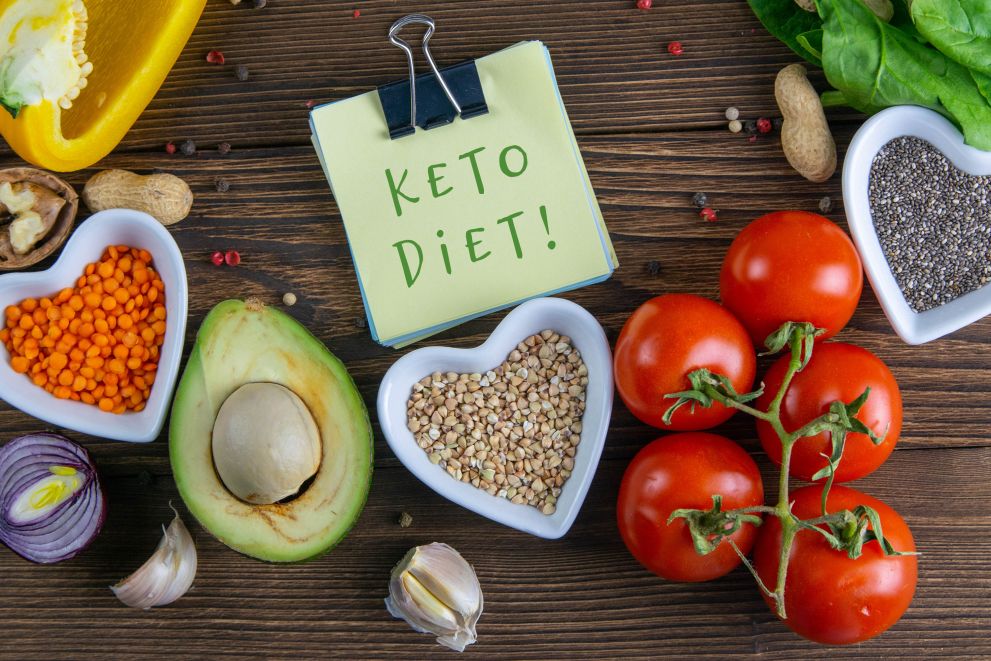
A ketogenic diet is a high-fat, low-carb eating approach that shifts the body into ketosis, a state in which fat is used as the primary fuel source instead of glucose.
This metabolic shift may support weight management, help maintain balanced blood sugar levels, and influence gut microbiome balance.
To achieve ketosis, research published in StatPearls found that individuals must limit their “carbohydrate intake to 20 to 50 grams daily, with moderate protein and 60% to 75% of calories from fat.”
Within this carb range, small additions like sauces and condiments can significantly impact daily intake if not carefully chosen, making it important to monitor ingredients closely to maintain your target metabolic state.
Watch the video below to learn how to choose the best keto-friendly condiments.
Benefits of using keto condiments and sauces
Low-carb sauces and condiments can make transitioning to a keto lifestyle easier by helping you maintain familiar tastes without the carb overload.
Below are the key benefits of incorporating low-carb sauces and condiments into your keto meals.
Supports satiety
Many keto sauces and condiments contain healthy fats from natural ingredients such as oils, butter, and heavy cream.
“Because fat digests more slowly, it helps delay stomach emptying and supports fullness signals, keeping you satisfied for longer,” explains Dr. Berg.
Therefore, replacing high-carb sauces like honey mustard and regular barbecue sauce with fat-based options such as sour cream and mayonnaise can help stabilize appetite and reduce cravings, especially when paired with a nutrient-dense meal.
Reduces insulin spikes
Ready-made condiments, including regular ketchup, ranch dressing, and teriyaki, often contain added sugars that can spike insulin levels and take the body out of ketosis.
Even small servings of some condiments may contribute several grams of carbohydrates, which can add up quickly throughout the day.
Fortunately, low-carb alternatives are typically made without artificial sweeteners or use healthier options like stevia or monk fruit.
These substitutes may help reduce insulin spikes, making it easier to stay consistent with Healthy Keto®.
Increases meal variety
Using low-carb sauces and condiments introduces a range of flavors that can make simple dishes more enjoyable and less repetitive, making it easier to stay on a low-carb eating plan.
Options like creamy dressings, spicy sauces, and vinegar-based blends can be used in multiple ways, including as marinades, dips, and toppings for proteins and vegetables.
These sauces also allow for easy customization, especially when made at home, giving you control over ingredients as you create flavorful meals.
Seven best keto condiments and sauces
Many everyday sauces contain added sweeteners and preservatives, which can make low-carb eating more challenging.
Here are seven keto-friendly options that can make meals tasty and guilt-free.
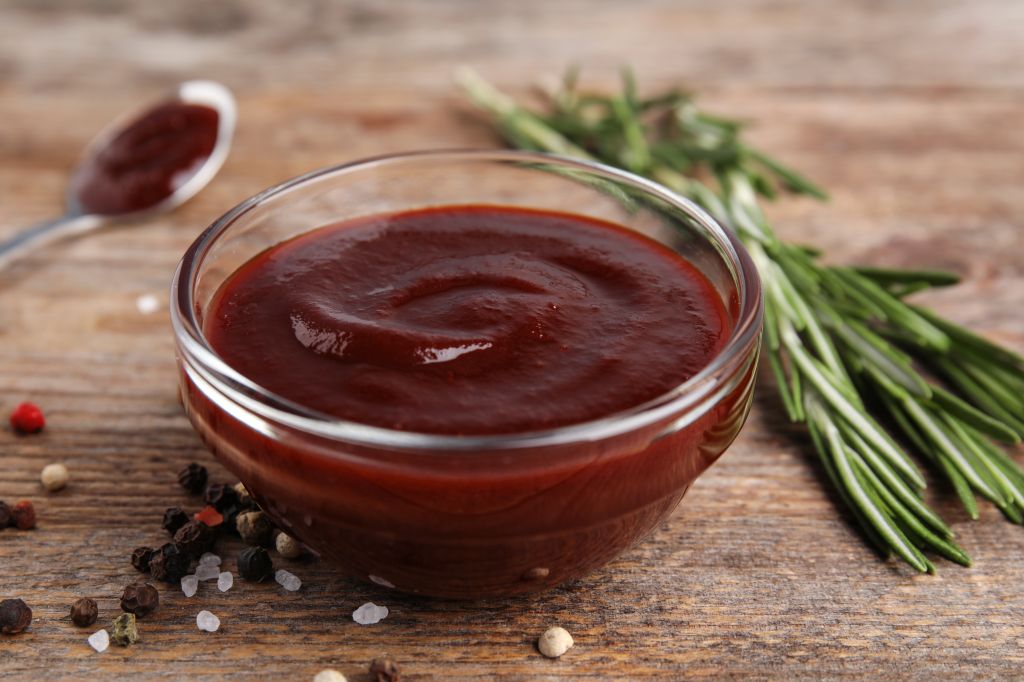
1. Low-carb BBQ sauce
Traditional BBQ sauce contains added sugars such as molasses, maple syrup, corn syrup, and brown sugar.
These ingredients are simple sugars that digest quickly, causing rapid rises and drops in blood glucose that can affect energy levels and appetite.
Choosing alternatives made with tomato paste, vinegar, spices, and sugar-free sweeteners like xylitol or monk fruit provides a similar taste without spiking glucose levels.
2. Hot sauce
Hot sauce is typically made from vinegar, salt, and chili peppers, delivering a spicy kick with little to no added sugars or starches.
The main ingredient, chili peppers, contains capsaicin, which is the compound responsible for their spiciness. Capsaicin may also influence metabolic processes.
A study published in Chemical Senses suggests that capsaicin may help your body burn more calories and increase fat burning—especially when consumed in higher amounts.
3. Mustard
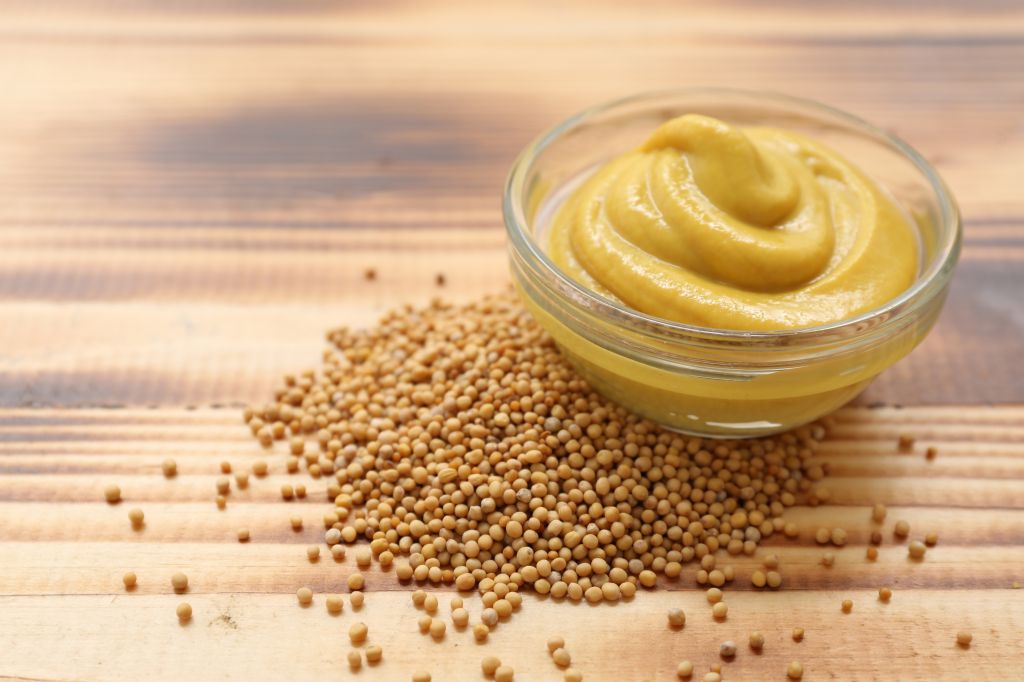
Mustard is a condiment made from ground mustard seeds. It is commonly used in dressings, marinades, and as a topping for meats and vegetables.
According to the U.S. Department of Agriculture (USDA), mustard has 5.3 grams of carbs per 100 grams, making it a suitable condiment for a low-carb diet.
Mustard seeds also contain compounds such as glucosinolates and omega-3 fatty acids, which contribute to normal biological functions.
However, some mustard brands may include added sugars or starches, making it important to read nutrition labels carefully to help prevent unnecessary blood sugar spikes.
4. Sour cream
Sour cream brings a mild, slightly tart taste that helps balance bold or spicy foods, making it a common addition to tacos, chili, baked dishes, and dips.
Produced through the fermentation of cream, sour cream may contain beneficial bacteria that support a healthy gut microbiome and normal digestion.
However, some commercially produced varieties are pasteurized after fermentation, which reduces the levels of beneficial bacteria.
Therefore, choosing products labeled “live and active cultures” can help ensure you get the full health benefits that sour cream offers.
5. Mayonnaise
Mayonnaise is made by emulsifying egg yolks with oil and an acid such as apple cider vinegar or lemon juice.
This process creates a thick, stable spread that works well in dips, dressings, and protein-based meals.
Additionally, the fat in mayonnaise helps support the absorption of fat-soluble vitamins such as A, D, E, and K, which are found in many vegetables.
However, some store-bought options contain processed oils, additives, or hidden sugars, making them unsuitable for a keto diet.
Preparing mayonnaise at home with eggs, quality oil, and simple seasonings provides a safe option for those avoiding hidden sugars, seed oils, and starches.
6. Coconut aminos
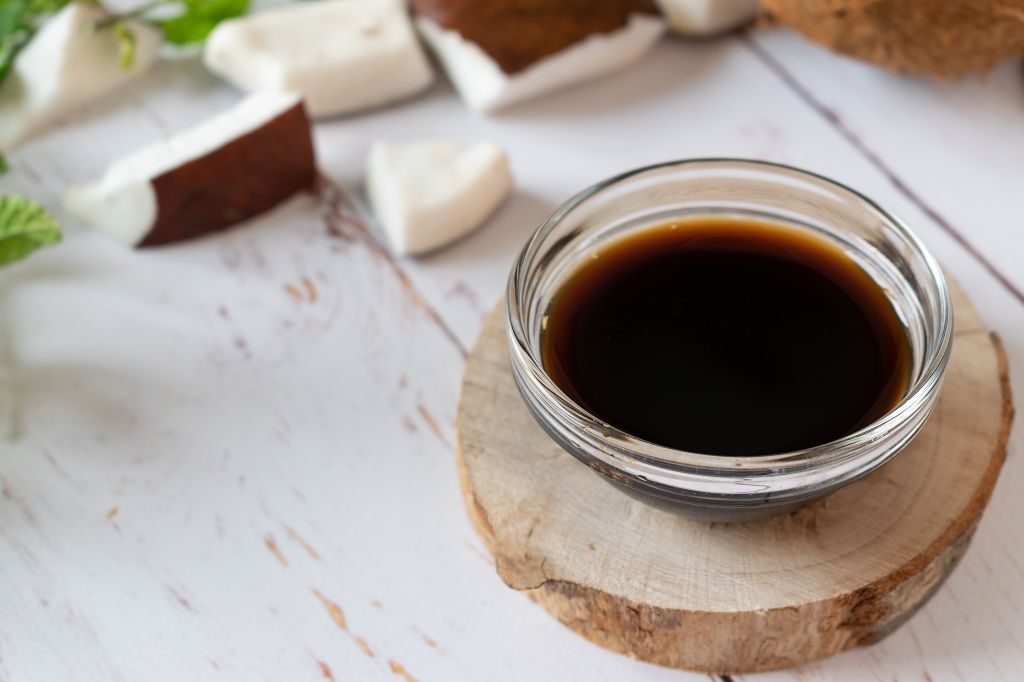
Coconut aminos deliver a mild, slightly sweet, savory taste that works well in stir-fries, marinades, and dipping sauces.
Made from the sap of coconut blossoms, this liquid seasoning is typically lower in sodium than soy sauce and has a glycemic index of around 35, which is associated with a slower effect on blood sugar levels.
As a soy-free and gluten-free option, it’s a practical choice for those avoiding common allergens while still adding depth to meals.
7. Tomato sauce
When combined with herbs, minced garlic, and avocado oil, sugar-free tomato sauce creates a rich, savory base that complements a variety of meals, including zucchini noodles, meat dishes, casseroles, and low-carb pizzas.
Not only does tomato sauce add depth to meals, but it also offers many health benefits.
Tomatoes contain lycopene, an antioxidant associated with protecting cells from oxidative stress. In addition, tomatoes provide vitamin C, which supports the immune system and helps maintain healthy skin.
To reduce excess carbs and processed ingredients, it’s important to avoid brands that add sugars or preservatives. It may be best to make tomato sauce at home to avoid consuming any added sugar or carbs.
Remember that consuming too much tomato sauce may exceed your daily carb limit, so it’s important to keep track of how much you are adding to dishes.
Ingredients to avoid
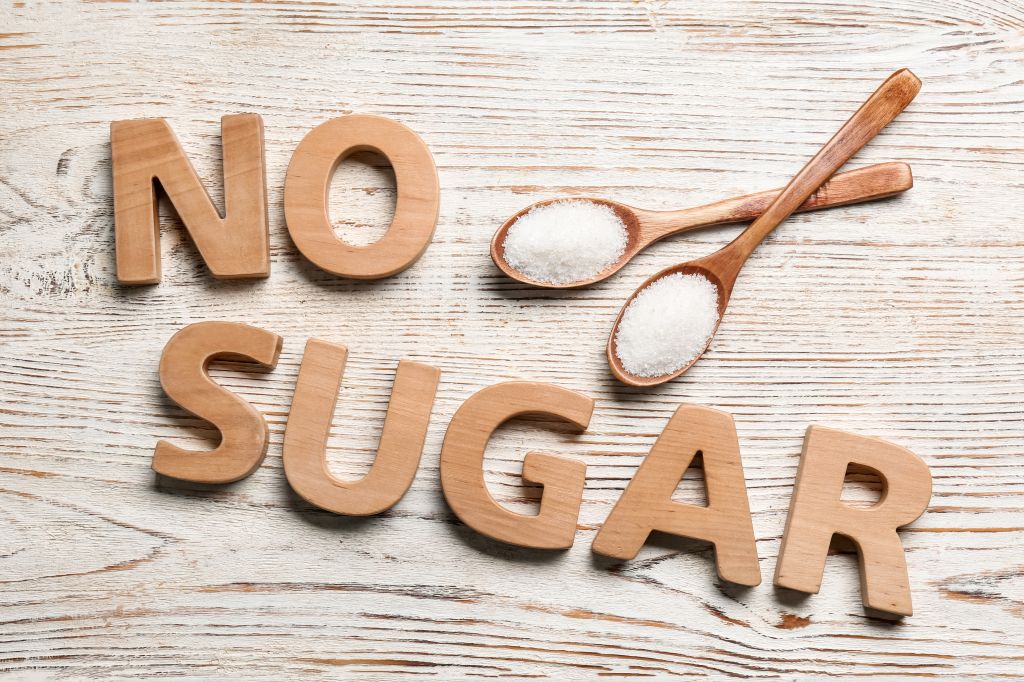
Packaged and prepared foods often contain more sugar and carbs than most people expect. These hidden carbs can add up quickly, making it important to read nutritional labels before purchasing.
Added sugars such as cane sugar, brown sugar, high-fructose corn syrup, honey, and molasses increase total carb count and can make it harder to stay within daily targets.
Moreover, starch thickeners, including cornstarch, modified food starch, potato starch, and flour, contribute carbs that can quickly add up in sauces and processed foods.
Additionally, many pre-made products labeled “low-fat” or “light” replace fat with ingredients such as starches, refined carbs, and additives to improve texture and shelf life.
Frequent consumption of certain additives—particularly some emulsifiers—has been linked to changes in gut microbiota and potential metabolic effects. Making your own condiments and sauces is one of the best ways to ensure your food doesn’t contain unhealthy ingredients.
Avoiding these ingredients helps individuals stay on track with their keto goals and promotes better overall dietary quality by placing the focus on avoiding unnecessary additives and hidden carbs.
Key takeaways
- Keto-friendly condiments and sauces are an easy way to add variety to meals while keeping keto goals on track.
- Replacing traditional condiments with options like coconut aminos and sugar-free sauces can help reduce intake of hidden carbs.
- Avoid sugars, starches, and “light” or “low-fat” products, as they often contain fillers that increase carb intake and negatively affect ketosis.
FAQ
- 1. What condiment has no carbs?
- 2. What can I use to dip on a keto diet?
- 3. Can I do a keto diet if I have high cholesterol?
- 4. What are keto-friendly spices and seasonings?


