

At a glance
Xanthan gum and guar gum are low-carb, high-fiber thickening agents often used in keto and gluten-free recipes. Both have zero net carbs and enhance texture and stability in baked goods and sauces. Choosing organic, non-genetically modified varieties is key to minimizing exposure to harmful additives and supporting a Healthy Keto® lifestyle.
Xanthan Gum vs. Guar Gum—what’s the difference, and are they keto-friendly?
Both xanthan and guar gum are low-carb binding and thickening agents that serve as popular substitutes for high-carb ingredients such as flour and cornstarch.
Discover the differences between xanthan gum and guar gum, comparing their nutritional value, effects on health, and suitability for maintaining ketosis.
Xanthan gum
Xanthan gum was developed in the early 1960s as a biodegradable thickening agent to replace synthetic materials in various agriculture and food production applications.
Today, xanthan gum has proven to be an extremely versatile ingredient that is now utilized in many industries, such as cosmetics, pharmaceuticals, and oil drilling, in addition to food production.
What is it?
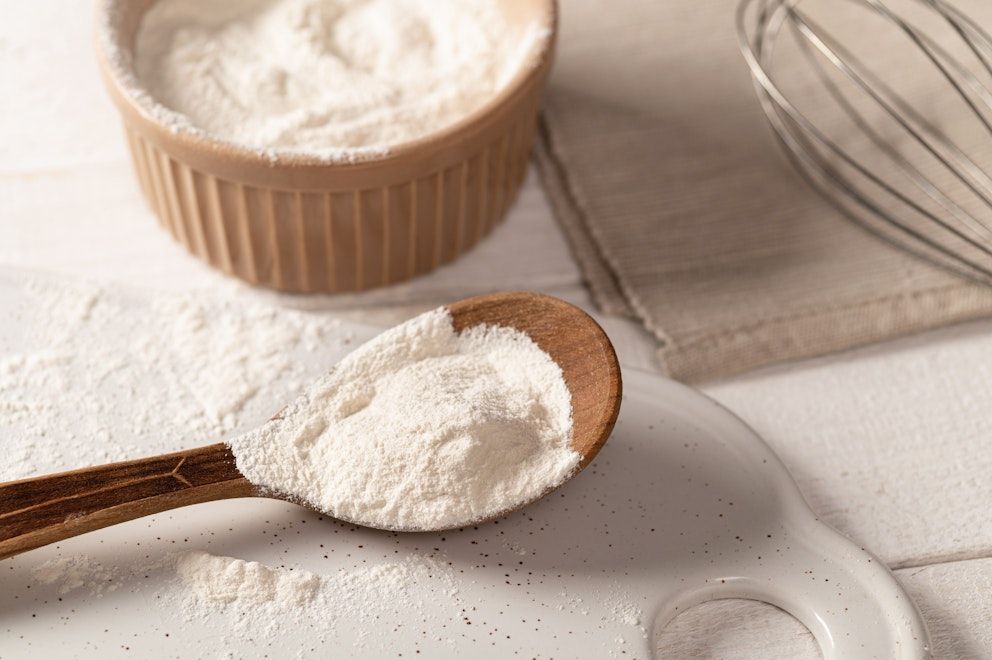
Xanthan gum, often misspelled as xanthum gum or xantham gum, is a powdery substance produced by fermenting glucose derived primarily from corn and using a bacterial strain known as Xanthomonas campestris.
Used as a thickener and emulsifier for liquids, xanthan gum powder serves as a highly effective substitute for gluten in carbohydrate-rich flours like wheat, rye, or barley.
Uses
Xanthan gum’s gluten-like properties play a prominent role in creating ketogenic and gluten-free baked goods.
This enables those following carbohydrate or gluten-restrictive diets to prepare bakery items that resemble the texture and structure of their glutenous counterparts.
Because xanthan gum helps bind wet and dry ingredients, it proves especially useful in gluten-free bread baking and helps make comparable wheat flour alternatives such as gluten-free biscuits, pizzas, and cakes that require elasticity and chewiness.
Xanthan gum also emulsifies wet ingredients, making it an excellent choice for low-carb sauces, dressings, and pastry fillings.
Carbs
Two teaspoons (nine grams) of xanthan gum contains around seven grams of carbohydrates in the form of soluble fiber.
Given that soluble fiber is not digested and absorbed into the body, xanthan gum effectively results in a net carb content of zero.
Taste
Xanthan gum is tasteless and does not affect the flavor of foods it is added to, making it a preferred thickener in both sweet and savory dishes.
Watch the video below to learn more about the differences between xanthan gum and guar gum.
Guar gum
Guar gum has been used for centuries as an integral ingredient in traditional culinary and medicinal practices.
What is it?
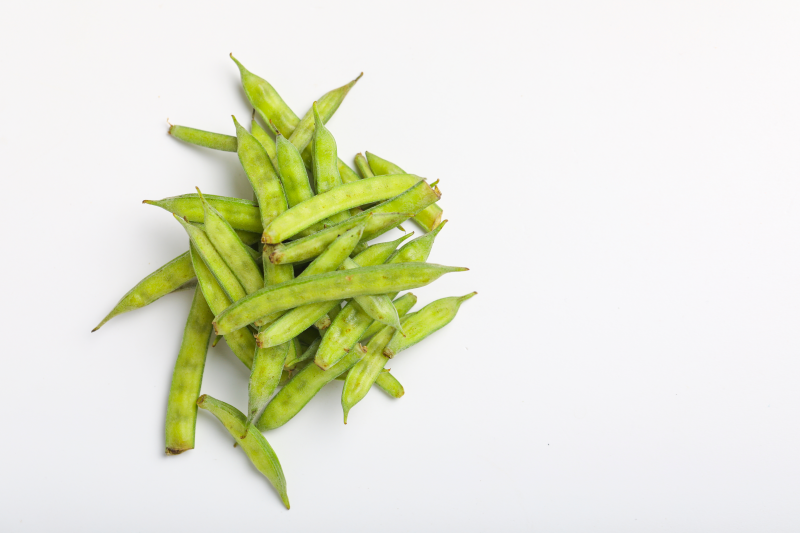
Guar gum, derived directly from the guar bean, is a versatile thickener and stabilizer used in a wide range of recipes and industrial applications such as pharmaceuticals, cosmetics, paper production, textiles, and oil well drilling.
Uses
In the kitchen, guar gum is used to make various food products such as salad dressings, sauces, cheeses, and beverages.
Guar gum helps create keto-friendly bread and is a common ingredient found in gluten-free flour and dairy-free products.
In baking, guar gum is known for yielding a softer, more delicate texture, ideal for baked goods requiring a gentle, fluffy consistency, such as muffins, scones, and quick breads.
While it can also effectively thicken soups and stews, guar gum is a particularly effective ingredient in ice cream making due to its ability to maintain a smooth texture while preventing crystallization.
In addition to its culinary uses, guar gum’s ability to thicken and stabilize makes it an invaluable ingredient in cosmetics, where it enhances the feel and shelf-life of products.
Research published in the Journal of Food Science and Technology found that guar gum offers a variety of potential health benefits.1
These include mitigating irritable bowel syndrome (IBS) symptoms, lowering cholesterol by improving bile production, reducing high blood glucose levels by slowing carbohydrate absorption and supporting weight loss by improving satiety.
Taste
Similar to xanthan gum, guar gum is tasteless and doesn’t impart any flavor to the recipe it’s used in.
Carbs
A nine-gram serving of guar gum contains 8.1 grams of carbohydrates in the form of fiber, making it a zero net carb ingredient.
Xanthan gum vs. guar gum: Which is healthier?
Xanthan gum and guar gum are popular food additives with several potential health benefits, including improved digestion, blood sugar regulation, and weight management.
However, recent studies have noted potential concerns about the effects of both xanthan gum and guar gum on the gut microbiome and overall health.
Evidence published in Current Developments in Nutrients found that guar gum can alter the gut microbiota in ways that may increase susceptibility to gastrointestinal inflammatory conditions, including colitis.2
Moreover, xanthan gum is derived from crops that may have been exposed to high concentrations of herbicides and pesticides, frequently used in large-scale industrial farming.
Dr. Berg explains, “Non-organic staple crops such as soy and corn often contain residues of pesticides, herbicides, and insecticides, which can have detrimental health impacts and are linked to various chronic diseases, cancer, hormonal imbalances, and infertility.”
Research published in Toxics supports the notion that these chemicals can be detrimental to the body, leading to health problems such as disruptions to the endocrine system, alterations in the gut microbiome, increased risk of chronic inflammation, and reproductive issues.3
A study in the Journal of Pediatric Gastroenterology and Nutrition also found that xanthan-based thickeners could cause necrotizing enterocolitis, a severe gastrointestinal disease affecting infants.4
Determining which option is healthier primarily depends on the source and quality of the product.
Because guar beans don’t tend to contain genetically modified organisms (GMOs), choosing an organic guar gum product is generally considered the best choice.
Research on the long-term health effects of both guar gum and xanthan gum is limited, and it’s recommended to consult a healthcare professional before adding these ingredients to your diet, especially if you are preparing meals for young children and babies.
Can you use xanthan and guar gum on keto?
Because of their high fiber content, both xanthan gum and guar gum have zero net carbs, making them suitable ingredients for those following a low-carb diet.
However, it’s recommended to choose organic and non-GMO certified products, which is a cornerstone of Healthy Keto®.
Healthy Keto is a nutritious high-fat diet that advocates avoidance of non-organic and GMO-containing produce to minimize the potential health risks associated with genetically modified foods that are often exposed to pesticides and herbicides.
Key takeaways
- Xanthan and guar gum are keto-friendly as they contain zero net carbs due to their high fiber content.
- Both are relatively tasteless and versatile ingredients typically used as binders and thickeners in low-carb and gluten-free cooking and baking.
- While both are considered safe, excessive intake may disrupt gut balance or trigger digestive issues.
- Organic and non-GMO options are preferred to minimize exposure to potentially harmful pesticides.
- Guar gum appears slightly gentler on the digestive system, while xanthan gum provides more elasticity in a variety of baked goods.
FAQ
- 1. Why do people avoid xanthan gum?
- 2. Does xanthan gum have an aftertaste?
- 3. Guar gum vs. xanthan gum: what’s the difference?
- 4. How many carbs are in xanthan and guar gum?
- 5. Can I use xanthan gum and guar gum on keto?
- 6. Is xanthan gum GMO?
- 7. Can you substitute guar gum for xanthan gum?
- 8. Are xanthan gum and guar gum gluten-free?
- 9. Can I use xanthan or guar gum as an alternative for baking powder?
Sources
- https://www.ncbi.nlm.nih.gov/pmc/articles/PMC3931889/ ↩︎
- https://www.ncbi.nlm.nih.gov/pmc/articles/PMC9194036/ ↩︎
- https://www.ncbi.nlm.nih.gov/pmc/articles/PMC6789507/ ↩︎
- https://www.ncbi.nlm.nih.gov/pmc/articles/PMC10158338/#:~:text=Xanthan%2Dbased%20thickeners%20have%20been,constipation%20and%20excessive%20weight%20gain. ↩︎
Related Articles
-
What Are the Best and Worst Carbs?
 Nutrition
What Are the Best and Worst Carbs?
At a glance Carbohydrates can be a source of energy for the body, but their nutritional value can vary widely depending on the source. Some carbohydrate foods supply fiber, vitamins,…07/30/2026 -
Can You Drink Coffee While Fasting?
 Diet
DietCan You Drink Coffee While Fasting?
At a glance Fasting involves limiting food intake so the body can use stored energy and maintain steady metabolic function. Coffee can be consumed during a fast, and plain black…06/19/2026 -
Sugar Alcohols: What They Are and How They Affect Digestion
 Food and Drink
Sugar Alcohols: What They Are and How They Affect Digestion
At a glance Sugar alcohols are low-calorie sweeteners commonly used in sugar-free foods, chewing gum, desserts, and other processed foods. Unlike regular sugar, many sugar alcohols are not fully absorbed…05/21/2026 -
What Is Modified Food Starch?
 Foods to avoid
What Is Modified Food Starch?
At a glance Modified food starch is a widely used food additive and thickening agent. However, it may affect metabolic balance and gut health, particularly when consumed as part of…05/14/2026 -
How to Break a Weight Loss Plateau: 9 Simple Ways
 Keto
KetoHow to Break a Weight Loss Plateau: 9 Simple Ways
At a glance Weight loss plateaus typically occur when the body adapts to dietary and lifestyle changes, resulting in reduced energy requirements. Factors such as insulin resistance, poor sleep, and…05/08/2026 -
Keto on a Budget: Tips and Foods to Eat
 Diet
DietKeto on a Budget: Tips and Foods to Eat
At a glance A ketogenic diet can be maintained using simple, affordable whole foods rather than expensive specialty products. Prioritizing versatile ingredients and planning meals strategically can help reduce grocery…04/24/2026 -
How Many Calories Break a Fast?
 Fasting
How Many Calories Break a Fast?
At a glance Fasting keeps insulin levels low, allowing the body to burn stored fat and activate cellular repair processes. While any amount of calories technically breaks a fast, different…04/16/2026 -
Muscle Twitching on Keto: Causes and What to Do
 Diet
DietMuscle Twitching on Keto: Causes and What to Do
At a glance Muscle twitching is common when first starting keto and is often linked to shifts in fluid balance, electrolyte minerals, and digestive function as insulin levels remain steady.…03/19/2026 22.3k views -
What Is the Difference Between Virgin and Extra Virgin Olive Oil?
 Superfoods
What Is the Difference Between Virgin and Extra Virgin Olive Oil?
At a glance Virgin and extra virgin olive oils are both extracted from olives using mechanical methods, but extra virgin olive oil (EVOO) meets stricter quality standards. EVOO contains higher…03/06/2026 8.5k views -
Too Much Keto Weight Loss? What to Do If You’re Too Skinny
 Diet
DietToo Much Keto Weight Loss? What to Do If You’re Too Skinny
At a glance Keto weight loss often occurs rapidly during the early adaptation phase, primarily due to fluid loss rather than immediate fat reduction. While fat loss is expected, ongoing…03/06/2026 10.2k views


