

At a glance
Uterine fibroids are benign growths influenced by estrogen dominance and inflammation. Dietary changes can play a crucial role in managing fibroids, and certain nutrient-dense foods can help balance hormones, support liver detoxification, and naturally reduce uterine tissue growth.
Uterine fibroids are linked to elevated estrogen levels, and prioritizing certain foods can help regulate hormone levels, reduce inflammation, and support overall uterine health.
Learn about the best foods to shrink fibroids naturally and discover the dietary changes and healthier habits that may help manage fibroid symptoms and support reproductive health.
What are fibroids?
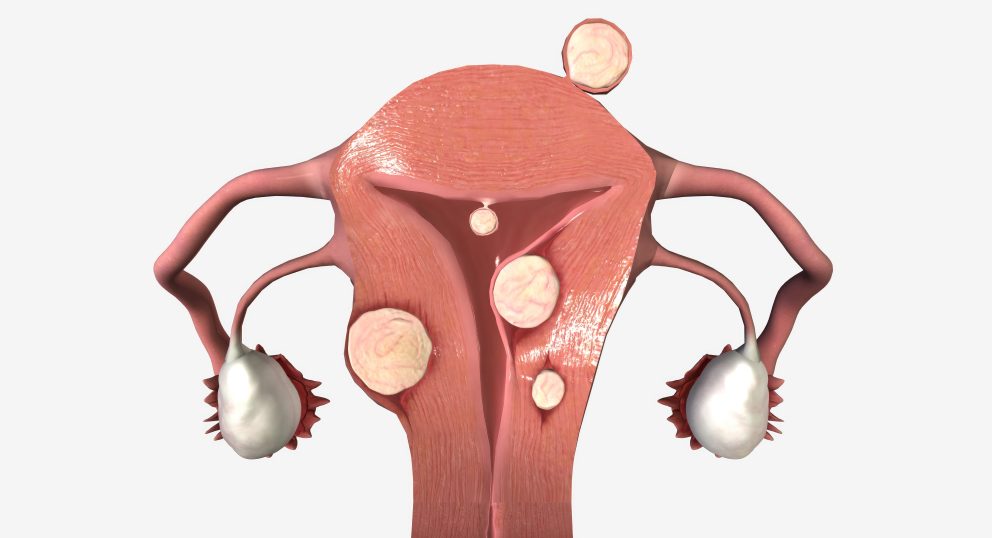
Fibroids are benign tumors that develop as a result of unusual tissue growth affecting the uterine lining. This can lead to symptoms such as pelvic pain, heavy menstrual bleeding, painful periods, and, in some cases, unexplained weight gain, back pain, or anemia.
Uterine fibroid size can vary, ranging from small growths to large masses that can deform or alter the shape of the uterus and significantly impact a woman’s health and well-being.
The development of uterine fibroids is believed to be influenced by hormones, particularly estrogen, which stimulates growth and development within uterine tissues.
Excess estrogen levels, often linked to poor liver function, high body fat, chronic stress, and a diet high in estrogenic foods, can trigger an abnormal proliferation of uterine cells, significantly increasing fibroid risk.
According to research published in Fertility and Sterility, uterine fibroid development affects one out of four premenopausal women and presents a major cause of reproductive issues and infertility.
There’s currently no cure for fibroids, and most healthcare providers approach the management of mild cases with lifestyle changes and medications to regulate hormone balance.
More severe cases may require a hysterectomy or uterine fibroid embolization, a minimally invasive procedure that aims to shrink fibroids by blocking their blood supply.
Watch the video below to discover some of the best foods to shrink fibroids naturally.
Can you use food to shrink fibroids?
Evidence published in Nutrients highlights that dietary habits can influence fibroid growth, suggesting that making beneficial diet changes may reduce fibroid symptoms and even help shrink fibroids naturally.
As certain foods have been found to increase the body’s estrogen levels, they can potentially exacerbate hormone imbalances and contribute to the growth of fibroids.
In addition, processed foods, added sugars, and refined carbohydrates can cause weight gain and metabolic imbalances, which have been linked to an increased risk of reproductive disorders such as polycystic ovarian syndrome (PCOS) and fibroids.
In contrast, a diet rich in antioxidants and anti-inflammatory foods, such as berries, non-starchy vegetables, and healthy fats, can help support hormone balance, reduce inflammation, and promote overall uterine health.
Focusing on minimally processed, nutrient-dense whole foods can help maintain healthy digestion, reduce inflammation, and regulate hormone levels, all of which may support natural fibroid reduction.
The best foods to help shrink fibroids
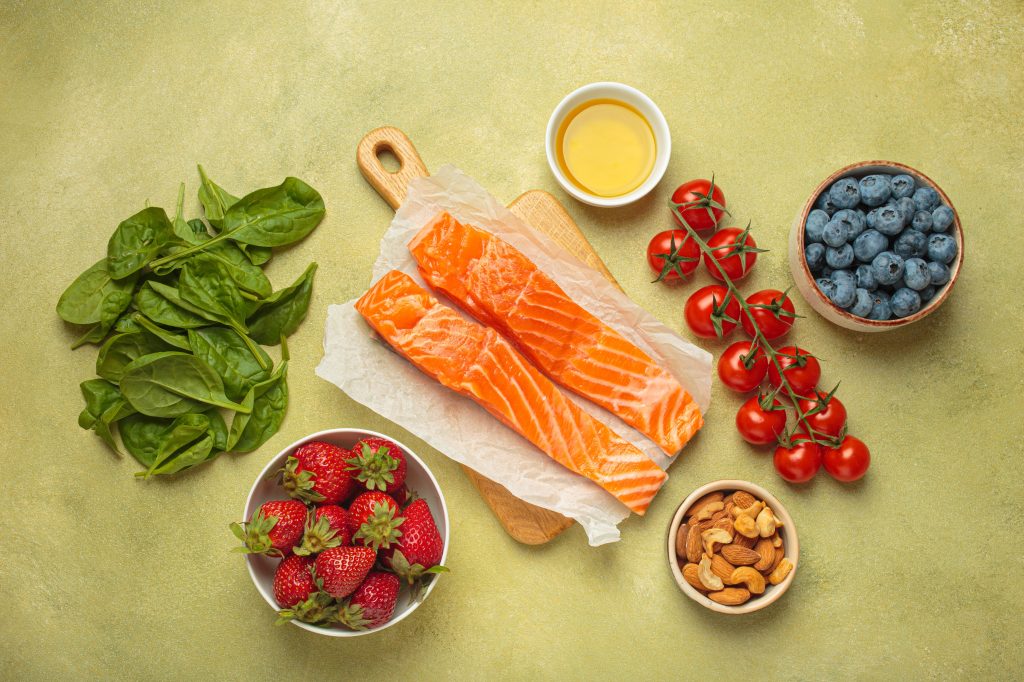
In addition to prioritizing a hormone-balancing and anti-inflammatory diet, regularly including foods that may help slow fibroid growth can further support uterine health.
Here are five of the best fibroid-friendly foods.
1. Cruciferous vegetables
A study published in Nutrients investigated the benefits of cruciferous vegetables for uterine fibroid management, summarizing, “Cruciferous vegetables are particularly beneficial in the prevention of uterine fibroids.”
The authors discuss that cruciferous vegetables such as broccoli, cauliflower, and Brussels sprouts contain natural compounds known as indoles, which have been found to help balance hormone levels.
In addition, cruciferous vegetables support a healthy liver, which plays a critical role in eliminating and detoxifying excessive estrogen concentrations—a key factor in fibroid growth.
Including these nutrient-dense vegetables in a targeted fibroid diet can help maintain hormonal balance and potentially alleviate symptoms.
2. Allium vegetables
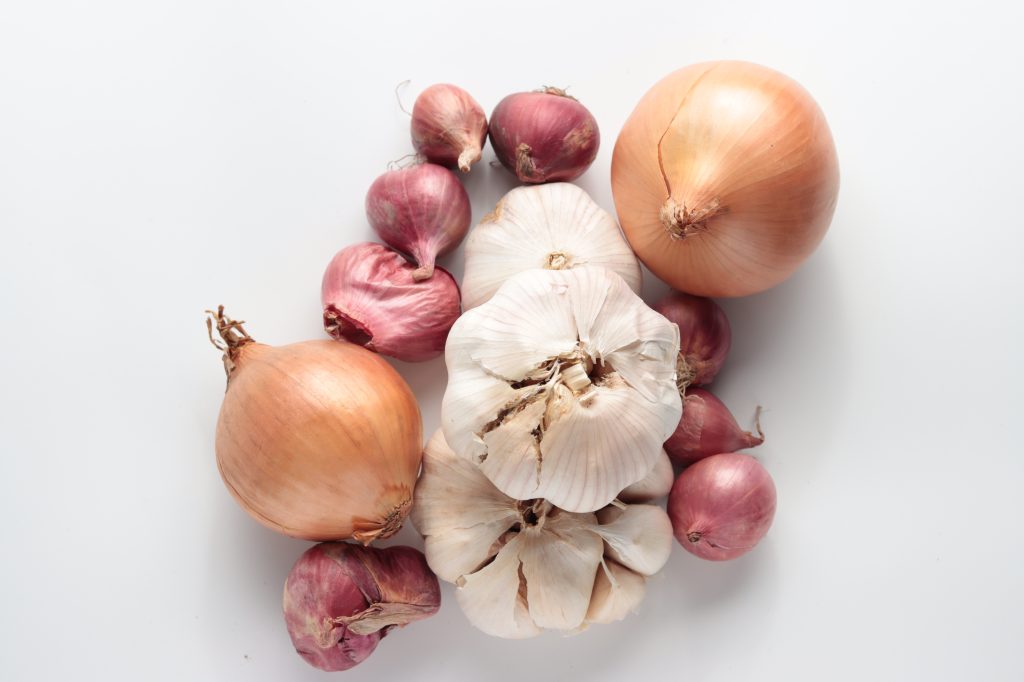
Allium vegetables, such as onion, garlic, and shallots, offer numerous health benefits, including supporting hormone balance naturally.
These foods contain exceptionally high concentrations of organosulfur compounds that help modulate estrogen metabolism, thereby reducing the risk of estrogen dominance and associated health issues.
In addition, these bioactive compounds are believed to inhibit abnormal cell proliferation, which may directly slow uterine tissue growth.
3. Berries
Berries such as strawberries, blackberries, cranberries, and raspberries are rich sources of ellagic acid. This potent polyphenol has anti-proliferative effects, meaning it may inhibit the growth of abnormal uterine cells, potentially slowing fibroid development.
In addition, ellagic acid is a strong antioxidant that helps reduce inflammation and supports healthy estrogen metabolism, making berries a valuable part of a fibroid-friendly diet aimed at shrinking fibroids naturally.
4. Oily fish
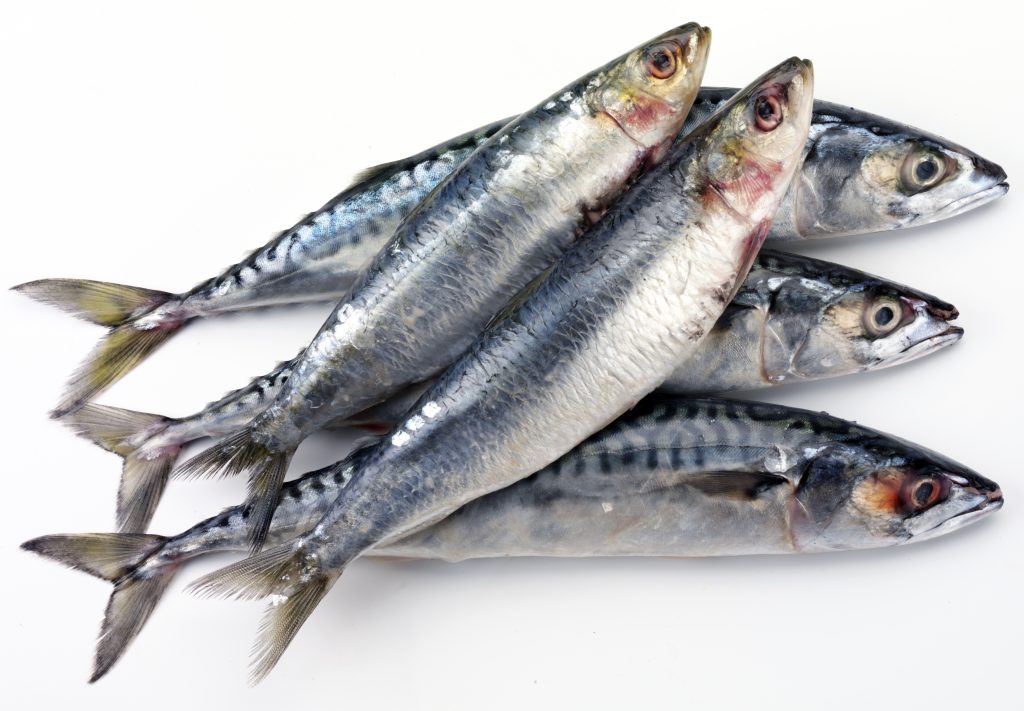
Oily fish, including salmon, tuna, mackerel, and sardines, are excellent sources of omega-3 fatty acids, a group of health-promoting fats with powerful anti-inflammatory properties.
In addition, research published in the Journal of Cellular Physiology found that regular intake of omega-3 fats can alter the fatty acid composition of uterine cells, which helps reduce inflammation and change cell membrane properties, potentially slowing fibroid growth.
5. Peppermint
Eating fresh peppermint or drinking peppermint tea may help support uterine health and manage fibroid-related symptoms by promoting the body’s ability to regulate abnormal tissue growth in the uterine lining.
It’s believed that peppermint’s high concentrations of ursolic acid, a natural compound with anti-inflammatory and anti-proliferative properties, may help slow fibroid growth and support hormonal balance.

Foods to avoid if you have fibroids
Foods that lack essential nutrients crucial for maintaining hormonal balance, and those that may contribute to excessive estrogen levels, can worsen fibroid growth and associated symptoms.
Here are four of the worst foods for fibroids.
1. Cheese
Cheese and other dairy products, especially conventional non-organic options, often come from cows treated with synthetic growth hormones to increase milk production.
These hormones are similar to human growth hormones and may contribute to higher estrogen activity, thereby stimulating fibroid growth and related symptoms such as bloating and heavy menstrual bleeding.
2. Soy
Research published in Nutrition Research found that higher dietary intake of soy products appears to increase the risk of uterine fibroids.
Soy contains phytoestrogens, which are plant compounds that can mimic the effects of estrogen. Excessive soy consumption can disrupt hormonal balance and promote fibroid growth, especially in estrogen-sensitive women.
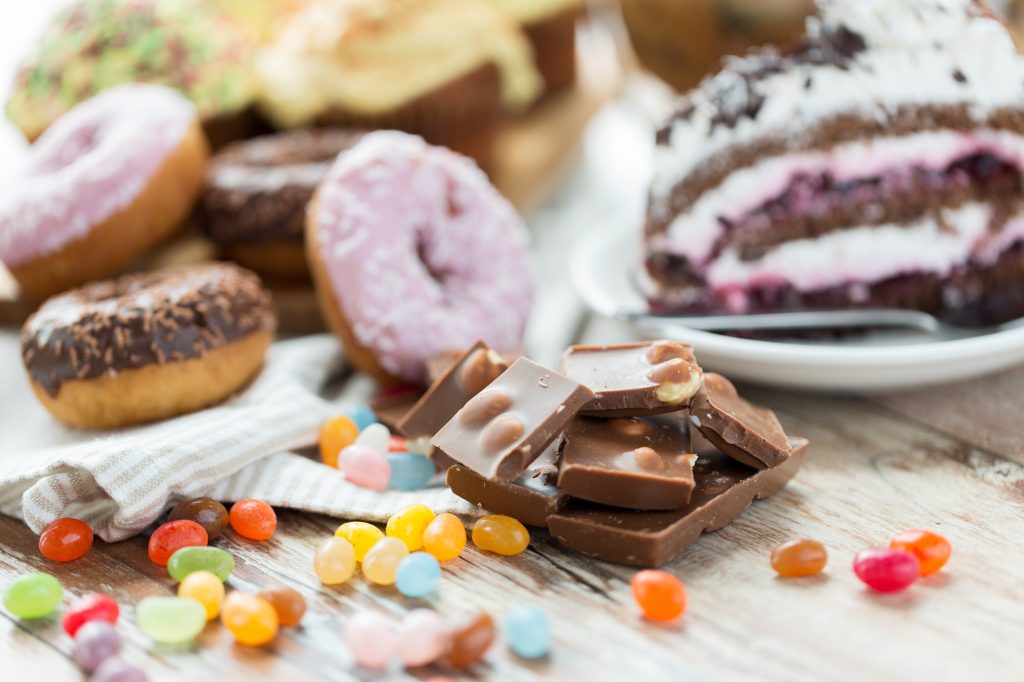
3. Refined carbohydrates
Eating foods that contain sugar or carbohydrates triggers blood sugar fluctuations, which stimulate the release of insulin to regulate blood glucose levels.
While insulin is vital for blood sugar control, chronically high insulin levels can increase estrogen production and stimulate fibroid growth.
This may explain why a high-carb diet appears to increase the risk of fibroids and other hormone-related health issues, such as PCOS or endometriosis.
4. Processed foods
A diet high in processed foods has been linked to a higher risk of developing fibroids. These foods typically contain unhealthy fats, refined sugars, and additives that can promote inflammation and disrupt hormone balance.
Regular consumption of packaged snacks, fried foods, processed meats, and fast food can also contribute to weight gain and insulin resistance, both of which may increase estrogen levels and promote fibroid growth.
Healthy lifestyle tips if you have fibroids
In addition to a healthy diet and regular physical activity, making targeted lifestyle adjustments can help balance hormones naturally and potentially slow fibroid growth.
Here are three diet and lifestyle tips for managing fibroids.
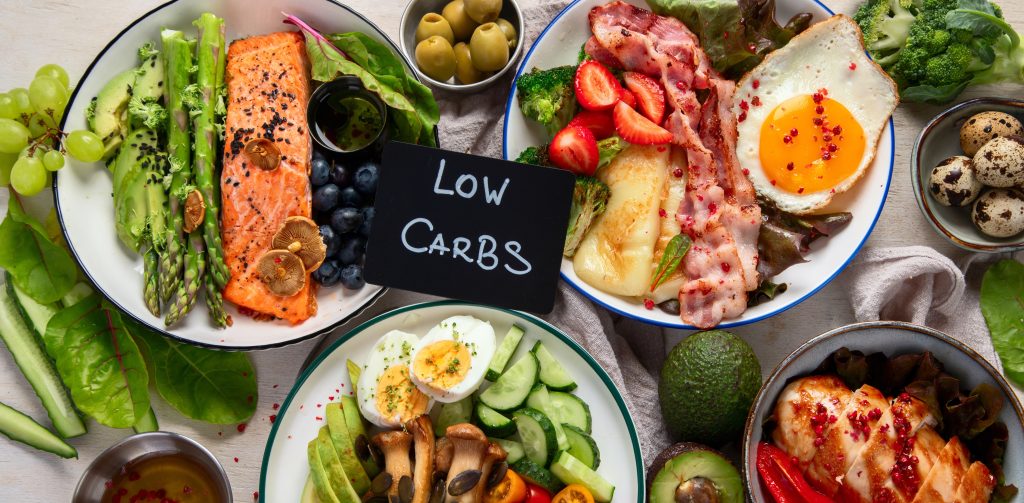
1. Follow Healthy Keto®
Research published in Nutrients supports the therapeutic benefits of carbohydrate restrictions for women with uterine fibroids.
This makes following a nutrient-focused low-carb meal plan, such as Healthy Keto®, an excellent strategy to help prevent and manage uterine fibroids.
In addition to limiting carbohydrates, Healthy Keto emphasizes minimally processed and nutrient-rich foods, high-quality fats, and moderate protein intake to promote overall hormonal balance.
By supporting balanced blood sugar and insulin levels, this dietary approach can help reduce elevated estrogen, which is a key driver of fibroid growth.
2. Practice intermittent fasting
Intermittent fasting involves alternating between periods of caloric restriction and time-restricted eating windows during which all meals of the day are consumed.
This mealtime schedule, especially if combined with a Healthy Keto diet, supports metabolic and hormonal balance as well as stable blood sugar levels critical for the management of uterine fibroids.
Intermittent fasting also stimulates cellular repair and can help reduce inflammation, further supporting overall hormonal balance and reproductive health.
3. Maintain healthy vitamin D levels
According to a study published in Epidemiology, women with vitamin D deficiency are at greater risk of developing fibroids than those who maintain healthy levels.
Vitamin D plays a crucial role in regulating the immune system, reducing inflammation, and supporting balanced hormone production, all of which can influence fibroid growth.
This highlights the importance of regular sunlight exposure, which is the body’s primary source of vitamin D.
Foods such as oily fish, organ meats, and pasture-raised egg yolks also provide moderate amounts of vitamin D, which can help maintain optimal levels, especially when combined with regular sunlight exposure.
Key takeaways
- Fibroid growth can be triggered by estrogen dominance, poor liver function, and inflammation.
- Cruciferous and allium vegetables, berries, oily fish, and peppermint can support hormone balance and may help shrink fibroids.
- Processed foods, conventional dairy products, refined carbohydrates, sugar, and soy products can contribute to hormone imbalances and exacerbate fibroid symptoms.
- Following a Healthy Keto diet, practicing intermittent fasting, and maintaining optimal vitamin D levels further promote estrogen regulation and overall uterine health.
FAQ
- 1. What are the best foods to shrink fibroids?
- 2. How can I shrink my fibroids naturally?
- 3. What can I drink to reduce fibroids?
- 4. Does losing weight help with fibroids?
- 5. Can intermittent fasting help with fibroids?
Sources
- Harris HR, Petrick JL, Rosenberg L. The epidemiology of uterine fibroids: Where do we go from here?. Fertility and Sterility. 2022;117(4):841-842. doi:10.1016/j.fertnstert.2022.01.037 https://www.fertstert.org/article/S0015-0282%2822%2900111-X/fulltext
- “The Role of Nutrition in Pathogenesis of Uterine Fibroids.” PMC. https://pmc.ncbi.nlm.nih.gov/articles/PMC10708302/
- “Empowering Strategies for Lifestyle Interventions, Diet Modifications, and Environmental Practices for Uterine Fibroid Prevention; Unveiling the LIFE UP Awareness.” PMC. https://pmc.ncbi.nlm.nih.gov/articles/PMC10975324/
- Islam MS, Castellucci C, Fiorini R, et al. Omega‐3 fatty acids modulate the lipid profile, membrane architecture, and gene expression of leiomyoma cells. Journal of Cellular Physiology. 2018;233(9):7143-7156. doi:10.1002/jcp.26537 https://onlinelibrary.wiley.com/doi/10.1002/jcp.26537
- Qin H, Lin Z, Vásquez E, et al. High soy isoflavone or soy-based food intake during infancy and in adulthood is associated with an increased risk of uterine fibroids in premenopausal women: a meta-analysis. Nutrition research (New York, N.Y.). 2019;71:30-42. doi:10.1016/j.nutres.2019.06.002 https://pubmed.ncbi.nlm.nih.gov/31668644/
- “Therapeutic Carbohydrate Restriction as a Metabolic Modality for the Prevention and Treatment of Abnormal Uterine Bleeding.” PMC. https://pmc.ncbi.nlm.nih.gov/articles/PMC10490487/
- Baird DD, Hill MC, Schectman JM, et al. Vitamin d and the risk of uterine fibroids. Epidemiology (Cambridge, Mass.). 2013;24(3):447-53. doi:10.1097/EDE.0b013e31828acca0 https://pubmed.ncbi.nlm.nih.gov/23493030/
Related Articles
-
Craving Chocolate? Here’s What It Could Mean
 Deficiencies
Craving Chocolate? Here’s What It Could Mean
At a glance Regular chocolate cravings may signal estrogen imbalances, elevated cortisol levels, or depleted magnesium stores. Choosing organic dark chocolate with higher cacao content can help satisfy cravings while…04/03/2026 -
How Estrogen Levels Change During Menopause
 Health concerns
How Estrogen Levels Change During Menopause
At a glance Estrogen levels fluctuate before menopause and decline after a woman’s final period, shaping how the body functions during midlife and beyond. These changes can trigger common menopausal…03/06/2026 10.4k views -
The Best Tips for a Heavy Period or Menstrual Cycle
 Health concerns
The Best Tips for a Heavy Period or Menstrual Cycle
At a glance Painful, heavy menstrual periods are often linked to estrogen dominance influenced by high-carbohydrate diets, dairy intake, and hormonal contraceptives. Adopting a ketogenic diet, consuming targeted nutrients, and…01/16/2026 7.1k views -
Top Causes of Hair Loss and Natural Solutions
 Health concerns
Top Causes of Hair Loss and Natural Solutions
At a glance Hair loss can result from stress, hormonal imbalances, nutrient deficiencies, genetic predisposition, and damage to the scalp or follicles. Understanding the top causes of hair loss and…04/09/2025 49.9k views -
Prostate Enlargement: Causes and Symptoms
 Health concerns
Prostate Enlargement: Causes and Symptoms
At a glance Prostate enlargement is a common condition characterized by prostate tissue growth and various urinary symptoms that generally affects older men. While typically benign, untreated prostate enlargement can…04/09/2025 31.1k views -
Hormonal Acne Diet Tips, Causes, and Remedies
 Health concerns
Hormonal Acne Diet Tips, Causes, and Remedies
At a glance Hormonal acne can be influenced by various lifestyle factors, including high-carb eating, chronic stress, and certain food sensitivities. Supportive dietary and lifestyle strategies can help promote clearer,…04/09/2025 39.6k views -
Pregnenolone: Benefits and Side Effects
 Health concerns
Pregnenolone: Benefits and Side Effects
At a glance Pregnenolone supports the production of all major steroid hormones in the body. Maintaining balanced pregnenolone levels is vital for brain health, energy, stress resilience, and hormonal stability,…04/09/2025 6.3k views -
Best and Worst Foods to Have on Your Period
 Health concerns
Best and Worst Foods to Have on Your Period
At a glance The foods you eat can influence how your body feels and functions during menstruation. While nutrient-dense whole foods support hormonal balance and replenishment, certain choices, such as…04/09/2025 9.7k views


