

At a glance
The free intermittent fasting plan offers a simple, step-by-step approach to help you ease into fasting and understand how it supports better health. Establish consistency, enhance metabolic balance, and gain confidence in your fasting routine.
Intermittent fasting has become a popular strategy to improve health, promote weight loss, and support brain function.
However, navigating the wealth of information available can be daunting when starting a fasting routine. This free intermittent fasting plan is here to cut through the complexity and provide a straightforward path to long-term success.
This intermittent fasting guide ensures that you understand both the how and why behind each step, empowering your fasting journey with knowledge and confidence.
What is intermittent fasting?
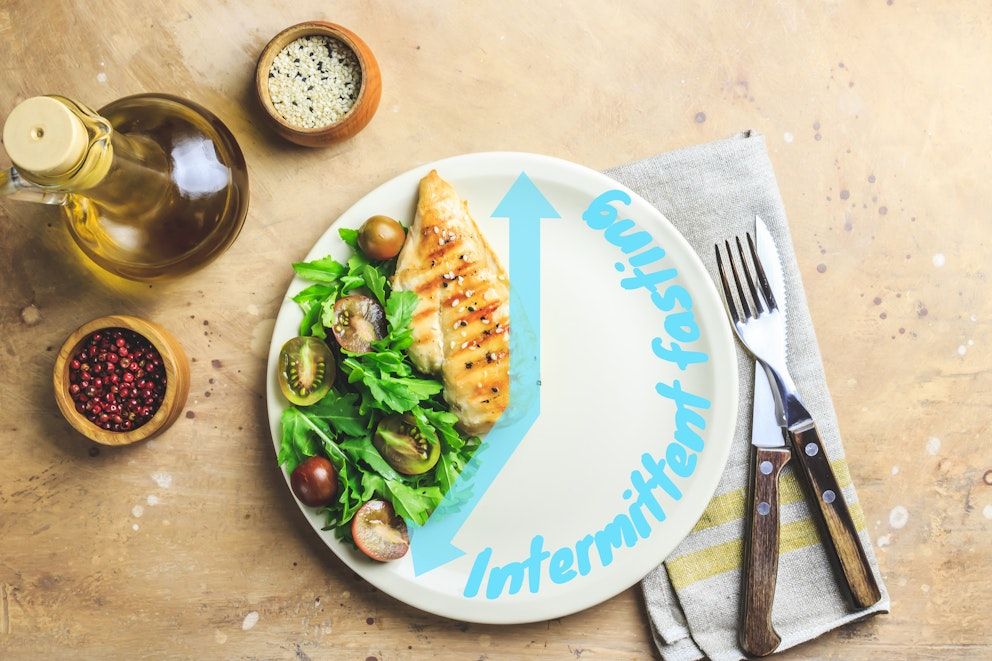
Intermittent fasting is a strategic method of eating and fasting throughout the day.
During fasting periods, the body benefits from an extended break from digestion, which can’t be achieved with conventional eating patterns comprising several meals a day and snacks.
There are many intermittent fasting techniques, such as one meal a day (OMAD), alternate-day fasting, the 5:2 diet, and time-restricted eating, which is the most popular.
The most common intermittent fasting eating pattern is the 16:8 time-restricted eating interval. This type of fast involves consuming all your meals within an eight-hour eating window and fasting for the remaining 16 hours.
Watch this video to learn more about how to do intermittent fasting.
Why do intermittent fasting?
Fasting can trigger various beneficial metabolic processes, including fat burning, cell renewal, and improved insulin sensitivity.
“One of the best things you can do for your health is intermittent fasting. It can help manage and prevent so many health problems by addressing the deeper root causes, such as insulin resistance and mitochondrial damage,” says Dr. Berg.
Here are three health benefits of intermittent fasting.
1. Improves metabolic health
Intermittent fasting involves eating during a time-restricted window and fasting for the remainder of the day. During periods of fasting, blood sugar levels remain stable. This reduces the body’s need for insulin, which is associated with various metabolic benefits.
According to research published in the International Journal of Endocrinology, intermittent fasting has been shown to improve blood sugar and cholesterol levels, promote weight loss, and enhance insulin sensitivity in patients with metabolic disorders.1
2. Cell renewal and regeneration
Around the 16-hour mark of a fast, the body triggers autophagy, a process that recycles old, damaged cells and helps eliminate pathogens. This can reduce the risk of several diseases, including infections, neurodegenerative disorders, and cancer, while promoting longevity.
A study published in Nutrients summarizes the benefits of intermittent fasting, “Time-restricted feeding (TRF) is a novel form of intermittent fasting that improves cardiometabolic health, slows tumor progression, delays aging, and increases lifespan.”2
3. Weight loss
Intermittent fasting helps facilitate several metabolic processes that contribute to successful weight management, including enhancing mitochondrial function, hormone regulation, and insulin sensitivity.
Furthermore, by stabilizing insulin levels, intermittent fasting can help relieve post-meal fatigue, leaving you with better focus and more energy throughout the day.

Who shouldn’t do intermittent fasting
Although it’s associated with profound health benefits, intermittent fasting may not be the right choice for everyone.
Because pregnant and breastfeeding women have a heightened need for nutrients and calorie intake, they should avoid intermittent fasting unless instructed by a medical professional.
Additionally, you should avoid fasting if you are underweight, have a history of disordered eating, or are taking certain medications, such as antidiabetic drugs or insulin.
Always consult your healthcare provider before starting a new dietary regimen, especially if you have an underlying medical condition or are taking prescription medication.

Potential risks of intermittent fasting
While intermittent fasting can trigger several healing mechanisms throughout the body, it’s essential to understand the potential dark side of fasting.
A common mistake many people make while practicing fasting is failing to consume enough nutrient-dense foods during their eating window.
Lack of adequate nutrient intake can lead to deficiencies associated with symptoms such as fatigue, dizziness, nausea, and mood swings.
This underscores the importance of combining intermittent fasting with a nutrient-dense diet such as Healthy Keto® that focuses on organic produce, high-quality protein, and healthy fats to maximize the benefits of fasting and maintain optimal nutrient levels.

Get started with this free intermittent fasting plan
If you’re new to fasting, How does Intermittent Fasting work? is a free downloadable guide that will serve as an invaluable resource that gives you knowledge and confidence.
Delivered straight into your inbox, this simple and comprehensive guide provides a fundamental understanding of the mechanisms behind intermittent fasting and how to ease into the process to achieve long-term success.
This intermittent fasting plan provides detailed insight into each phase of fasting and explains how you can successfully extend your fasting periods to reach your health goals.
Understanding the science behind fasting helps you to make informed choices and empowers you to stay motivated and on track with your fasting routine.
Key takeaways
- Intermittent fasting supports metabolic balance and healthy weight management.
- The 16:8 time-restricted eating window is the most commonly practiced fasting method.
- Adequate nutrient intake during eating periods is essential to avoid fatigue, dizziness, and mood changes.
- Utilize the free intermittent fasting plan to learn the best way to incorporate intermittent fasting into your lifestyle.
FAQ
- 1. Is there a free intermittent fasting plan?
- 2. How do you start intermittent fasting as a beginner?
- 3. Is there a free day in intermittent fasting?
- 4. Is it better to fast for 12 or 16 hours?
- 5. What are the best hours for intermittent fasting?
- 6. Can you do the keto diet while practicing intermittent fasting?
Sources
- Yuan X, Wang J, Yang S, et al Effect of Intermittent Fasting Diet on Glucose and Lipid Metabolism and Insulin Resistance in Patients with Impaired Glucose and Lipid Metabolism: A Systematic Review and Meta-Analysis. International journal of endocrinology. 2022;2022:6999907. doi:10.1155/2022/6999907 https://www.ncbi.nlm.nih.gov/pmc/articles/PMC8970877/ ↩︎
- MDPI. https://www.mdpi.com/2072-6643/11/6/1234 ↩︎
Related Articles
-
Fasting on Workdays: A Practical Approach
 Diet
DietFasting on Workdays: A Practical Approach
At a glance Time-restricted eating may be one of the most practical forms of intermittent fasting for busy workdays. When paired with the right dietary strategy, a consistent fasting schedule…09/24/2026 -
What to Eat After a 72-Hour Fast and What to Avoid
 Diet
DietWhat to Eat After a 72-Hour Fast and What to Avoid
At a glance A 72-hour fast shifts the body toward greater reliance on stored fat and changes how nutrients are handled when eating is resumed. Reintroducing food afterward can affect…09/18/2026 -
Fasting Hunger Waves: How to Ride Them Out
 Diet
DietFasting Hunger Waves: How to Ride Them Out
At a glance Intermittent fasting may support weight loss, fat burning, and metabolic health by lowering insulin levels and shifting the body toward using fat stores for fuel. Fasting hunger…09/10/2026 -
7 Common Intermittent Fasting Myths Debunked
 Diet
Diet7 Common Intermittent Fasting Myths Debunked
At a glance Intermittent fasting is an increasingly popular dietary pattern that is often misunderstood. Many common concerns surrounding intermittent fasting, including muscle loss, hormonal disruption, and metabolic slowdown, are…09/03/2026 -
What Is Time-Restricted Eating?
 Diet
DietWhat Is Time-Restricted Eating?
At a glance Time-restricted eating is a form of intermittent fasting that limits meals to a consistent daily eating window. This approach focuses on when food is consumed rather than…08/13/2026 -
Does Intermittent Fasting Affect Your Metabolism?
 Diet
DietDoes Intermittent Fasting Affect Your Metabolism?
At a glance Intermittent fasting impacts metabolism by shifting the body towards ketosis, improving insulin sensitivity, and enhancing metabolic flexibility. While fasting can support weight management and metabolic efficiency, results…07/23/2026 -
What Is the Best Meal Timing for Stable Energy?
 Diet
DietWhat Is the Best Meal Timing for Stable Energy?
At a glance Meal timing can influence daily alertness, hunger cues, and blood sugar patterns. The body processes food according to internal rhythms that affect insulin, digestion, and metabolic activity.…07/17/2026 -
Fasting and Cancer: What to Know
 Fasting
Fasting and Cancer: What to Know
At a glance Fasting has been increasingly studied for its potential role in cancer prevention and support during treatment. By influencing cellular metabolism, promoting autophagy, and modulating immune function, fasting…07/16/2026 -
36-Hour Fasting: Benefits, Safety, and How It Works
 Diet
Diet36-Hour Fasting: Benefits, Safety, and How It Works
At a glance A 36-hour fast is a prolonged fasting strategy that shifts the body into ketosis, promoting fat burning, improved insulin sensitivity, and cellular repair through autophagy. These metabolic…06/25/2026 -
Does Fasting Help with Inflammation?
 Diet
DietDoes Fasting Help with Inflammation?
At a glance Fasting is a powerful tool for reducing inflammation and supporting overall health. By promoting fat burning and activating cellular repair processes, fasting can help lower pro-inflammatory markers.…06/05/2026


