


At a glance
Choosing nutrient-dense foods can help improve the quality of your meals while reducing reliance on ultra-processed products. Whole foods such as seafood, leafy greens, berries, and grass-fed meats provide a wide range of vital nutrients that support normal body functions and make meals satisfying.
The foods you eat directly influence your energy levels, immune function, and overall health.
Incorporating nutrient-dense foods in your diet can help support bodily functions by supplying vitamins, minerals, and healthy fats without excess sugar or heavily processed additives.
Discover which foods provide the greatest nutritional value and simple ways to include them in your daily meals.
What does nutrient-dense mean?
Nutrient-dense foods provide high amounts of beneficial compounds such as amino acids, fatty acids, antioxidants, and fiber relative to their calorie content.
These nutrients help support metabolism, immune function, tissue maintenance, and overall health.
For this reason, the USDA’s 2025 to 2030 Dietary Guidelines for Americans emphasize whole foods such as vegetables, proteins, dairy, and healthy fats while limiting heavily processed foods to improve overall diet quality.
Avoiding highly processed foods is key to a healthy eating plan, as they are often high in empty calories, added sugars, and refined carbohydrates that provide fewer beneficial nutrients per serving.
It is important to speak with a healthcare provider before making any changes to your diet, especially if you suffer from heart disease or any other chronic conditions.
Watch the video below to learn about the healthiest foods to include in your diet.
Seven best nutrient-dense foods to eat
Whether you’re improving your eating habits or supporting weight loss, nutrient-dense foods can help improve the quality of your meals.
The following seven foods are among the best options for increasing intake of essential nutrients.
1. Eggs
Eggs are among the most nutrient-dense foods because they provide essential vitamins and minerals, including vitamin D, choline, selenium, and riboflavin.
These nutrients play important roles in energy production, nervous system function, immune health, and the maintenance of normal bone structure.
In addition, eggs contain compounds with antioxidant, anti-inflammatory, and antimicrobial properties that contribute to normal cellular processes.
Their balance of protein and fats also makes eggs a versatile ingredient that can be included in a wide variety of meals and recipes, such as omelets, frittatas, and salads.
2. Salmon
Salmon is rich in omega-3 fatty acids and offers protein, vitamins B and D, and selenium. Together, these compounds help support brain function, muscle maintenance, cardiovascular function, and overall well-being.
Moreover, research published in Atherosclerosis found that daily salmon consumption was associated with changes in several markers linked to heart health, including blood pressure, triglycerides, low-density lipoprotein (LDL) cholesterol, and high-density lipoprotein (HDL) cholesterol.
These markers are commonly measured to assess blood fat levels and how well the heart and blood vessels function.
3. Leafy greens
Incorporating leafy greens into your meal rotation offers many health benefits, as these vegetables are rich in antioxidants, fiber, and essential nutrients.
Spinach, kale, arugula, and Swiss chard contain vitamins A, C, and K along with beta-carotene, folate, magnesium, and potassium.
Compounds found in these vegetables help support immune health, muscle and nerve function, hydration balance, collagen production, and normal blood clotting.
4. Avocados
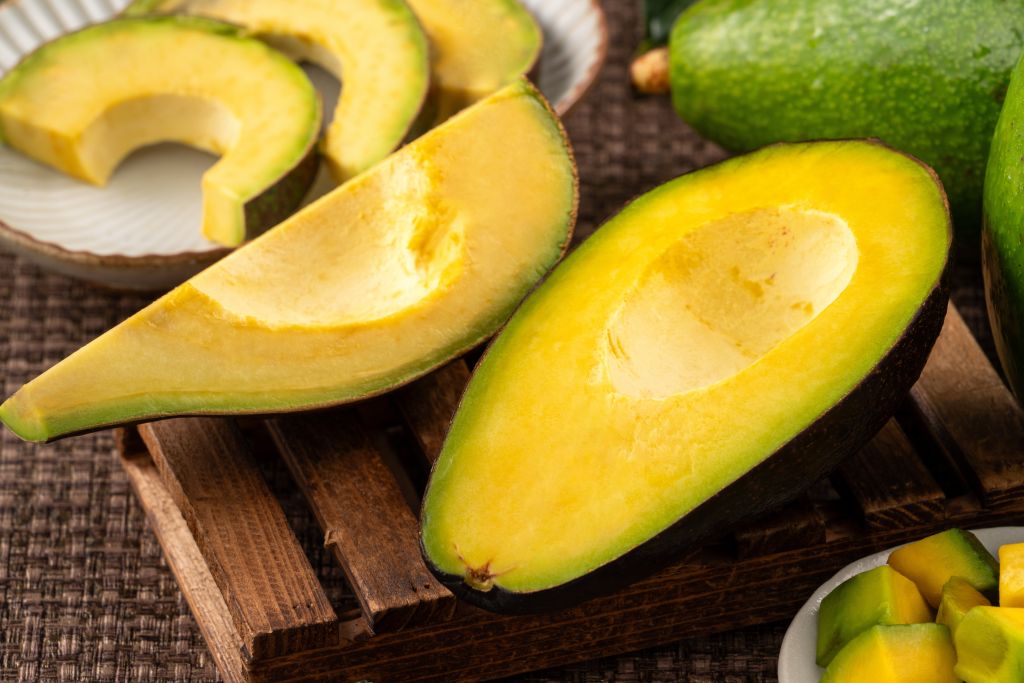
Creamy and versatile, avocados contain a unique combination
of fiber and healthy fats that can help make meals more filling and nutrient-rich.
Avocados are also a source of other nutrients like vitamin E, potassium, folate, and magnesium, which help maintain hydration balance and support normal muscle function.
Unlike many nutrient-poor processed spreads or toppings, avocados provide these healthy compounds without added sugars or refined ingredients.
5. Berries
Berries such as blueberries, raspberries, strawberries, and blackberries provide natural sweetness along with vitamin C, fiber, and a variety of antioxidant compounds.
Compared to many processed snacks and desserts, whole berries contain no added sugars while offering more nutritional value per serving.
A study published in Molecules found that the deep red, blue, and purple colors of many berries are due to anthocyanins, which are water-soluble pigments commonly studied for their role in protecting the body from oxidative stress.
Oxidative stress occurs when unstable molecules called free radicals accumulate faster than the body can neutralize them, potentially leading to cellular damage.

6. Grass-fed meats
Grass-fed meats provide B vitamins, protein, iron, zinc, and selenium. These nutrients are involved in energy production, immune function, and muscle maintenance.
Meats that are grass-fed typically contain higher levels of conjugated linoleic acid (CLA) and omega-3 fatty acids than conventionally raised meats.
This is supported by evidence published in Foods, which found that beef from pasture-based diets generally has a more favorable fat composition.
Grass-fed beef, lamb, and bison can be paired with vegetables, herbs, and healthy fats to create meals with high levels of nutrient density.
7. Organ meats
Organ meats, including liver, heart, and kidney, are rich sources of important nutrients like vitamin A, iron, copper, selenium, and choline.
These compounds help support red blood cell production, nervous system activity, oxygen transport, and normal cellular function.
Because of their concentrated nutrient profile, organ meats are typically eaten in smaller portions and can be incorporated into dishes such as stews, soups, pâtés, and ground meat blends.

How to add nutrient-dense foods to your diet
Improving the quality of your meals often starts with small, practical changes rather than completely changing your eating habits.
Here are several effective ways to include more minimally processed foods in your daily routine.
Make simple ingredient swaps
One easy way to add more nutrient-dense foods to your diet is to replace packaged foods and refined grains with more whole-food options.
For example, zucchini noodles can replace traditional pasta, mashed cauliflower offers an alternative to processed potato products, and sliced cucumbers or bell peppers offer a fresh alternative to chips.
Cook meals at home
Preparing meals at home gives you more control over the ingredients, cooking methods, and portion sizes used in your food.
This can make it easier to incorporate vegetables, herbs, and quality protein sources while reducing added sugars and refined ingredients.
Simple cooking methods such as roasting, grilling, sautéing, and baking can also enhance flavor and texture without relying on additives.

Read the list of ingredients
Many packaged products contain hidden sources of sugar, starches, artificial flavorings, and processed oils that can lower the overall nutritional value of a meal.
Ingredients lists are ordered by quantity, which means the first few ingredients in the list usually make up most of the product.
Choosing foods with recognizable ingredients and minimal additives can help improve diet quality and reduce intake of ultra-processed foods.
Add more variety to your meals
Since foods provide varying nutrients, rotating options such as seafood, leafy greens, berries, avocados, and grass-fed meats throughout the week can help create more nutritious meals.
“Eating a wider range of minimally processed foods may support digestive health by increasing intake of diverse fibers and plant compounds,” explains Dr. Berg.
Using fresh herbs, varied cooking techniques, and new meal combinations can introduce new flavors and textures while keeping meals focused on whole foods.
Simple recipes with nutrient-dense ingredients
Preparing nutritious dishes doesn’t have to be complicated or time-consuming.
Many nutrient-dense meals can be prepared in a single pan, casserole dish, or skillet, simplifying cooking and reducing preparation time.
Here are several easy recipes featuring a variety of nutrient-dense ingredients:
- Simple Keto Cabbage and Salmon Bowl
- Easy Keto Cheeseburger Casserole
- Delicious Keto Quiche
- Keto Sesame Shrimp Stir Fry
- Garlic Lemon Halibut
- Keto Tuna Stuffed Avocado
- Keto Lemon Garlic Butter Steak and Spinach
Key takeaways
- Nutrient-dense foods provide vitamins and minerals without added sugars or heavily processed ingredients.
- Foods such as eggs, leafy greens, and fatty fish can help improve the nutritional quality of meals.
- Small dietary changes, including cooking meals at home and reading ingredient lists, can make nutrient-dense eating more practical.
FAQ
- 1. What is the single most nutrient-dense food?
- 2. What are some cheap, nutrient-dense foods?
- 3. What are the best nutrient-dense sides?
- 4. Are eggs a nutrient-dense food?


