

At a glance
Alcohol can interfere with ketosis, even if it’s low in carbs. The liver prioritizes ethanol detoxification over ketone production, which can quickly stop fat-burning. Getting back into ketosis after drinking alcohol can take several days, depending on alcohol intake, metabolic flexibility, and overall diet quality.
Although alcohol has no carbs, it’s a toxin, and the liver prioritizes the detoxification of ethanol over other metabolic functions, which inhibits fat-burning and ketosis.
How long it takes to get back into ketosis after drinking alcohol depends on how much alcohol you drink and how quickly your liver cleanses ethanol. However, it typically takes between 48 and 72 hours to restart ketosis after consuming alcohol.
Learn about the impact of ethanol on your overall health and why alcohol counteracts the many health benefits of the keto diet and intermittent fasting.
Does alcohol contain carbs?
While pure alcohol, or ethanol, is carb-free, most alcoholic beverages contain carbs.
Ethanol is typically made by fermenting high-carb grains or fruits such as sugar cane and grapes. However, not all carbohydrates and sugars are broken down during the fermentation process, leaving residual carbs in the final product.
In addition, many types of alcohol are flavored with sugars and syrups or are mixed with sugary soft drinks and fruit juices.
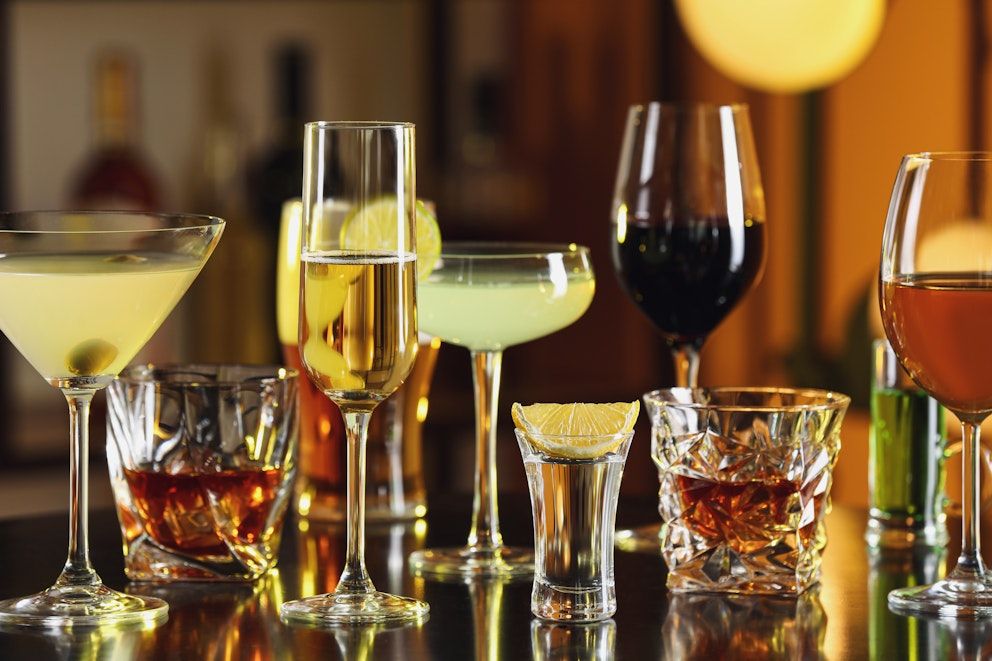
Here is the average carb content of common alcoholic beverages:
- Beer: 10 to 15 grams per 12-ounce (355 ml) serving
- Wine: 2 to 4 grams per 5-ounce (148 ml) serving
- Champagne: 3 to 6 grams per 5-ounce serving
- Margarita: 19 grams per 5-ounce serving
- Gin and tonic: 25 grams per 8-ounce (240 ml) serving
- Bloody Mary: 15 grams per 8-ounce serving
- Liquor: 10 to 20 grams per 1-ounce (30 ml) serving
Consuming alcoholic drinks can stop you from achieving successful keto dieting results, even if they aren’t high-carb.
Watch the video below to learn how much alcohol will stop weight loss and ketosis.
Can alcohol kick you out of ketosis?
Yes, drinking alcohol affects your metabolism and can potentially kick you out of ketosis.
While ethanol doesn’t contain carbohydrates and technically won’t impact your blood glucose levels, alcohol still affects ketone production.
The body perceives ethanol as a toxin, and the liver prioritizes alcohol detoxification over most other metabolic processes.
Research published in The Journal of Hepatology found that ethanol inhibits certain liver enzymes needed to oxidize fatty acids. Impaired fat burning means that your liver can’t produce ketones, pushing you out of ketosis quickly.1
In addition, alcohol can trigger powerful carb and sugar cravings and, at the same time, impair judgment and self-control, which may lead to overeating carb-rich meals and exceeding your daily net carb count.
This explains why alcohol consumption interferes with ketosis, slows down the process of losing weight, and negates many of the metabolic benefits of the ketogenic diet.

How long to get back into ketosis after drinking alcohol?
How long it takes to get back into ketosis after drinking alcohol depends on several factors, including the type and quantity of alcohol consumed, how flexible your metabolism is, and your overall dietary habits.
Alcohol is typically cleared from the body within a few hours, but that doesn’t mean your body re-enters ketosis straightaway.
Alcoholic drinks are often high in carbs and spike blood glucose and insulin levels. It can take your body a considerable time to deplete elevated blood sugar and lower insulin levels to switch your metabolism back into a fat-burning state.
While it’s difficult to predict an exact timeframe, it typically takes 48 to 72 hours after drinking alcohol to resume ketone production and restart ketosis.
To get back into ketosis faster, it’s best to strictly limit your net carb intake, drink plenty of water, engage in physical activity, and consume healthy fats and medium-chain triglycerides (MCTs).
Six reasons to avoid alcohol
Despite impressive efforts made by the alcohol industry to sell alcohol as a heart-healthy and health-promoting beverage, the scientific evidence largely agrees that alcohol has no health benefits.
Research published in Nature Medicine suggests, “Alcohol consumption is a major risk factor for poor physical and mental health, accounting for about 3 million deaths and over 130 million disability-adjusted life years worldwide.”2
Regular alcohol consumption has been linked to an increased risk of several serious health conditions, including liver cirrhosis, stroke, heart disease, cancers, cataracts, gastric ulcers, and mental health conditions.
In addition, alcohol can be highly addictive, and excessive or prolonged alcohol use can lead to alcohol dependency.
If you are concerned about your alcohol consumption, it’s crucial to consult with a healthcare professional, therapist, or addiction counselor to assess your situation and find appropriate treatment options.
Here are six reasons why it’s best to avoid alcohol!
1. Premature death
A study published in Nature found that non-drinkers had an average lifespan of almost seven years more than regular drinkers.3
Ethanol is a toxic compound that impairs the normal function of cells, tissues, and organs. Regular alcohol consumption interferes with countless cellular processes, causes liver damage, increases the risk of DNA damage and cancer, and is linked to high blood pressure and heart disease.
2. Impaired liver health
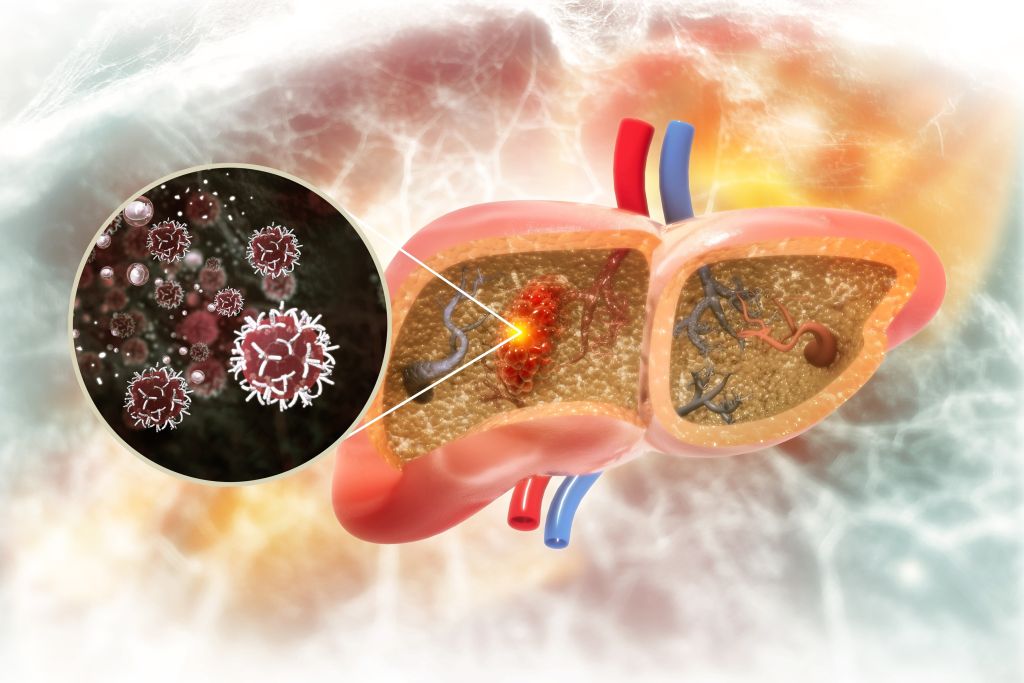
Alcohol is primarily metabolized in the liver, which generates toxic byproducts. One of them is acetaldehyde, a harmful compound that can trigger inflammation and impact liver cell function.
Regular alcohol consumption can lead to chronic liver inflammation and impaired energy-making processes and may cause fatty liver disease, alcoholic hepatitis, and cirrhosis.
3. Increased cancer risk
Alcohol is highly toxic and classified as a carcinogen.
Acetaldehyde can directly damage DNA and inhibit your cells’ ability to repair damaged genetic material. Alcohol increases the risk of several cancers, including breast, prostate, liver, stomach, colon, oral, and esophageal cancer.
4. Nutrient deficiencies
Frequent alcohol use can cause or worsen nutrient deficiencies even if you consume a balanced diet.
Alcohol can damage the lining of the intestines, which impairs the absorption of essential nutrients such as magnesium, calcium, potassium, and zinc.
Alcohol also interferes with B vitamin metabolism, especially folate, vitamin B1, and vitamin B12, which are essential for energy production, nervous system function, and DNA synthesis.
5. Weight gain
Alcohol is high in calories and, at the same time, inhibits the conversion of fats into energy, which can lead to the accumulation of liver fat and gaining weight on keto.
Alcohol consumption has been found to negatively impact several crucial physiological systems needed to maintain a healthy weight, including healthy sleep patterns, hormonal balance, and the diversity of the intestinal microflora.
6. Poor sleep
Alcohol significantly disrupts regular sleep cycles, causes fragmented sleep, and suppresses rapid eye movement (REM) sleep, which is vital for cellular repair and recovery.
Sleep deprivation has been linked to obesity, metabolic diseases, weak immune defenses, and hormone imbalances, and may increase your risk of heart disease and cancer.
Can you drink hard liquor while fasting?
Hard liquor, such as rum, gin, vodka, and whiskey, shouldn’t be consumed while fasting.
Although it’s carb-free, ethanol contains seven calories per gram, almost double the amount of one gram of carbs, and drinking hard liquor is considered breaking a fast.
Consuming alcohol during your fasting blocks weight loss and inhibits autophagy, a vital process that helps the body eliminate dysfunctional and damaged cellular components.
Key takeaways
- Alcohol is a toxin that strains the liver and disrupts its normal functions, including ketone production and fat burning.
- Returning to ketosis after drinking alcohol typically takes around 48 to 72 hours.
- Alcohol can trigger powerful carb cravings, impair judgment, and slow weight loss.
- Chronic alcohol consumption increases risks for liver damage, nutrient deficiencies, cancer, and premature death.
- To get back into ketosis faster, it’s crucial to focus on low-carb meals, prioritize hydration and physical activity, and incorporate MCT-rich fats.
FAQ
- 1. Does drinking alcohol kick you out of ketosis?
- 2. How long does it take to restart ketosis after I drink alcohol?
- 3. How do you jumpstart ketosis in one day?
- 4. Can I have low-carb alcohol on keto?
- 5. Can I have hard liquor while fasting?
- 6. Is hard alcohol low-carb?
- 7. How many carbs are in alcohol?
- 8. How many glasses of wine can I have while on a keto diet?
- 9. Does alcohol increase ketosis on a ketogenic diet?
- 10. How many drinks kick you out of ketosis?
Sources
- https://www.sciencedirect.com/science/article/pii/S0168827818325212 ↩︎
- https://www.nature.com/articles/s41591-023-02383-8 ↩︎
- https://www.nature.com/articles/s41598-022-11427-x ↩︎
Related Articles
-
Fasting on Workdays: A Practical Approach
 Diet
DietFasting on Workdays: A Practical Approach
At a glance Time-restricted eating may be one of the most practical forms of intermittent fasting for busy workdays. When paired with the right dietary strategy, a consistent fasting schedule…09/24/2026 -
7 Common Intermittent Fasting Myths Debunked
 Diet
Diet7 Common Intermittent Fasting Myths Debunked
At a glance Intermittent fasting is an increasingly popular dietary pattern that is often misunderstood. Many common concerns surrounding intermittent fasting, including muscle loss, hormonal disruption, and metabolic slowdown, are…09/03/2026 -
Walking After Meals: Why Post-Meal Walks Matter
 Healthy lifestyle
Walking After Meals: Why Post-Meal Walks Matter
At a glance Post-meal habits can influence how the body responds after eating. During this period, digestion, blood sugar balance, insulin activity, and circulation all shift to help the body…08/13/2026 -
What Is Time-Restricted Eating?
 Diet
DietWhat Is Time-Restricted Eating?
At a glance Time-restricted eating is a form of intermittent fasting that limits meals to a consistent daily eating window. This approach focuses on when food is consumed rather than…08/13/2026 -
Ketones vs. Glucose: How Your Body Uses Fuel
 Diet
DietKetones vs. Glucose: How Your Body Uses Fuel
At a glance Ketones and glucose are two fuels the body can use, but they are produced and used under different metabolic conditions. Glucose is closely tied to carbohydrate intake,…08/13/2026 -
Blood Sugar Spikes: What Causes Them and Tips for Balance
 Blood sugar and insulin
Blood Sugar Spikes: What Causes Them and Tips for Balance
At a glance Blood sugar spikes are rapid increases in blood glucose that often happen after eating foods high in sugar or refined carbohydrates. While a temporary rise in blood…07/23/2026 -
Does Intermittent Fasting Affect Your Metabolism?
 Diet
DietDoes Intermittent Fasting Affect Your Metabolism?
At a glance Intermittent fasting impacts metabolism by shifting the body towards ketosis, improving insulin sensitivity, and enhancing metabolic flexibility. While fasting can support weight management and metabolic efficiency, results…07/23/2026 -
What Is the Best Meal Timing for Stable Energy?
 Diet
DietWhat Is the Best Meal Timing for Stable Energy?
At a glance Meal timing can influence daily alertness, hunger cues, and blood sugar patterns. The body processes food according to internal rhythms that affect insulin, digestion, and metabolic activity.…07/17/2026 -
36-Hour Fasting: Benefits, Safety, and How It Works
 Diet
Diet36-Hour Fasting: Benefits, Safety, and How It Works
At a glance A 36-hour fast is a prolonged fasting strategy that shifts the body into ketosis, promoting fat burning, improved insulin sensitivity, and cellular repair through autophagy. These metabolic…06/25/2026 -
What Is NEAT? The Daily Movement That Adds Up
 Healthy lifestyle
What Is NEAT? The Daily Movement That Adds Up
At a glance Non-exercise activity thermogenesis (NEAT) refers to the energy expenditure from all movement outside of sleeping, eating, and structured exercise. These everyday actions, from household chores to walking…06/12/2026


