


At a glance
How much water you need to drink depends on your body size, age, activity level, environment, and overall health. True hydration relies on both water intake and balanced electrolyte levels, which help regulate body fluids and maintain normal hydration status. Drinking too little water throughout the day can lead to dehydration, but drinking too much water can dilute sodium and other minerals in the body, which can create serious health problems.
Many people have heard they need eight glasses of water a day for good health, but water needs vary widely. The amount of water you should drink depends on your body weight, what you eat, and other personal factors such as age, lifestyle, and overall health.
Discover what it means to be truly hydrated, why it’s important not to force fluid intake, and simple tips to stay comfortably hydrated throughout the day.
What does it mean to be hydrated?
Being hydrated means maintaining a healthy balance of fluids and minerals to support normal physiological functions.
Water is essential for human life and helps regulate body temperature, maintain energy levels, lubricate joints, support circulation, and remove waste through urine and bowel movements. Even mild dehydration can contribute to overheating, digestive discomfort, unclear thinking, and mood changes.
Roughly two‑thirds of the water in your body is stored inside cells, and one‑third circulates through blood and in the fluid around tissues.
Electrically charged minerals called electrolytes help regulate the balance of water in and out of cells. These minerals also help maintain electrical signaling in nerves and muscles and support healthy pH balance throughout the body.
When electrolytes such as sodium, potassium, magnesium, calcium, and chloride are within healthy ranges, cells can retain water where it’s needed, nerves can fire properly, and muscles work efficiently.
When electrolytes become imbalanced—due to mineral deficiencies, overhydration, heavy sweating, illness, or dehydrating substances like alcohol and high‑sugar drinks—it can contribute to uncomfortable and potentially dangerous physical symptoms.
Watch the video below to learn how hydration requirements vary from person to person.
Can you drink too much water?
“A truly hydrated body has the right balance of fluids and electrolytes, not just a high water intake,” explains Dr. Berg. “If you drink too much plain water, you can actually dilute key electrolytes, which may disrupt fluid balance and contribute to dangerous swelling or tissue dysfunction.”
Under normal conditions, healthy kidneys can excrete up to about 0.7 to 1.0 liters of water per hour—roughly 3 to 4 cups. Rapidly drinking more than this, especially over a short period and without adequate electrolytes, can overwhelm the kidneys and dilute sodium in the bloodstream.
This dangerous dilution of sodium is called hyponatremia, a potentially life‑threatening condition.
Mild symptoms of low sodium can include the following:
- Headache
- Low energy
- Nausea
- Irritability
- Muscle discomfort
More severe instances of hyponatremia can cause confusion, seizures, and, in extreme cases, coma or death.
Because of this, drinking according to thirst, rather than forcing a fixed amount of water, is often a safe default for most healthy people, especially when paired with a diet that provides enough minerals.
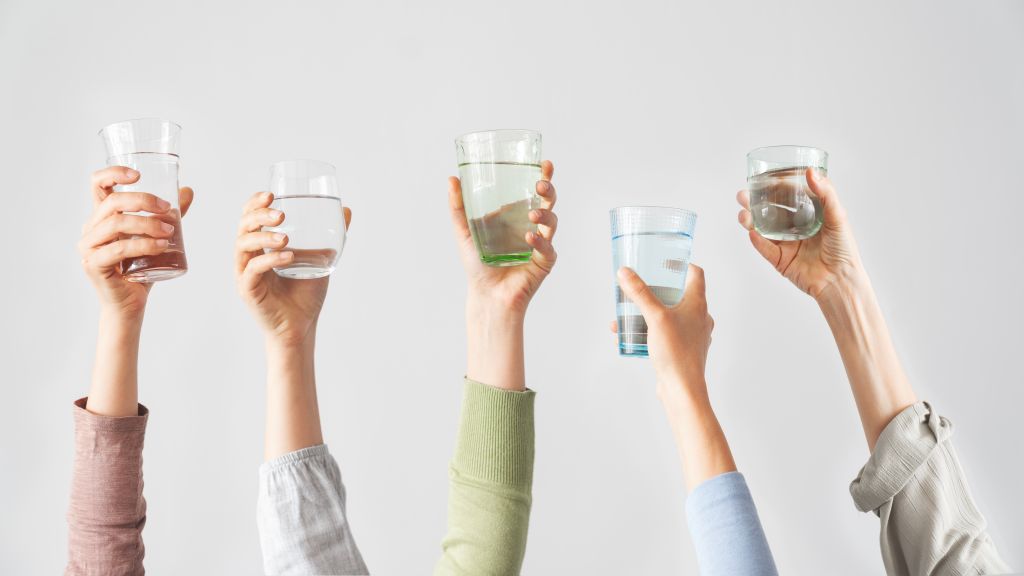
Understanding individual hydration needs
The amount of water a person should drink varies based on lifestyle, environment, and overall health. Understanding these differences can help you match intake to your body’s needs.
Here are four important variables that contribute to individual hydration needs.
1. Body size and composition
Larger bodies hold more total water and generally require more fluid to maintain balance. Lean tissue is more water‑dense than fat tissue, so two people at the same weight can have different baseline needs depending on their muscle mass.
2. Diet and lifestyle
Diet affects hydration more than many people realize. Whole foods such as vegetables, fruits, and quality proteins provide both water and nutrients that support fluid balance, while highly processed foods often deliver a lot of sodium and very little potassium.
Those who primarily consume a standard American diet high in ultra-processed foods (UPFs) regularly have high sodium and low potassium levels. People who practice fasting or follow a Healthy Keto® diet are much less likely to face similar imbalances.
Lower insulin and glycogen levels increase the amount of sodium and water lost through the kidneys, which can increase the risk of electrolyte depletion if minerals are not replaced. This is why electrolyte drinks or mineral‑rich foods are often considered essential parts of these protocols to help support fluid and mineral balance.
Maintaining a healthy sodium-to-potassium ratio is crucial because these minerals work together to help regulate fluid movement in and out of cells. When that balance is off, the body struggles to handle fluids efficiently, which can contribute to long‑term health risks.
Generally, a sodium-to-potassium ratio of approximately 1:2 is often considered favorable, though individual needs vary based on activity level, climate, and health status.
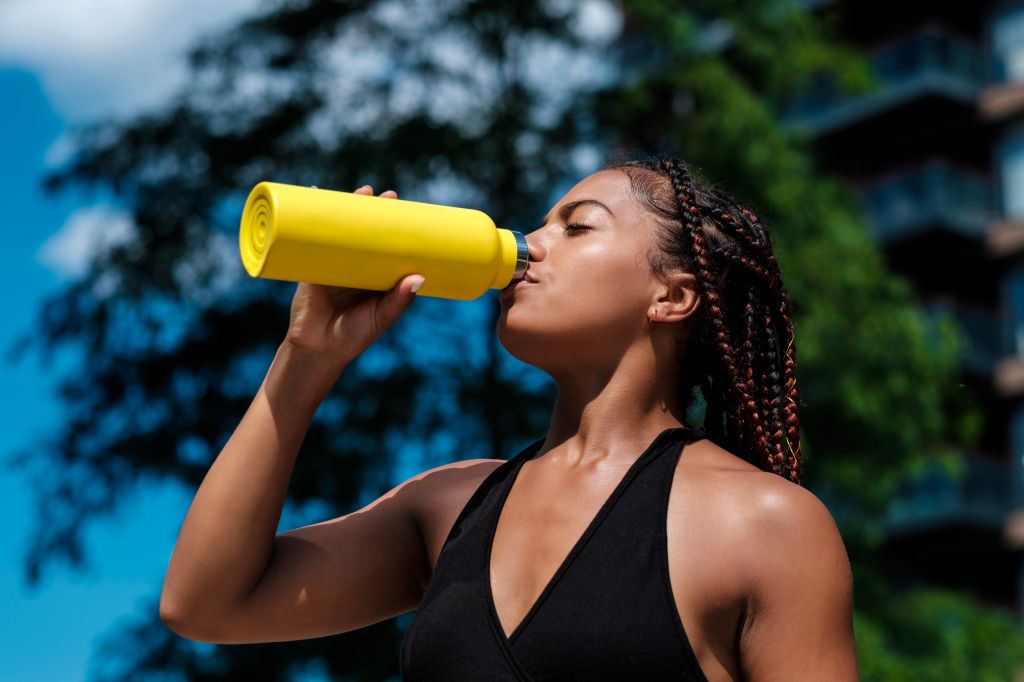
3. Activity and climate
People who sweat more—including athletes, those with physically demanding jobs, and individuals in hot or humid environments—naturally lose more fluid and minerals.
While it’s important for these individuals to stay vigilant about hydration, hyperawareness of potential dehydration can sometimes lead to excessive fluid intake.
For example, research published in The New England Journal of Medicine found that 13 percent of marathon runners tested had hyponatremia and identified excessive fluid intake as a significant predictor of the condition, regardless of whether the runners consumed plain water or electrolyte-enhanced sports drinks.
Because hydration needs vary significantly among high-performing athletes, research published in the Journal of Athletic Training suggests that an individualized hydration plan based on sweat rate and electrolyte losses may be a beneficial strategy to help guide healthy fluid balance.
4. Age and health status
Thirst is a helpful signal for many healthy adults, but it becomes less reliable in some situations. For many older adults, thirst perception and the kidneys’ ability to concentrate urine may decline, making dehydration easier to miss.
Chronic conditions such as diabetes, heart failure, and chronic lung disease, along with certain medications and reduced kidney function, can all alter fluid and electrolyte handling. People with these conditions should discuss their intake targets with a healthcare professional.
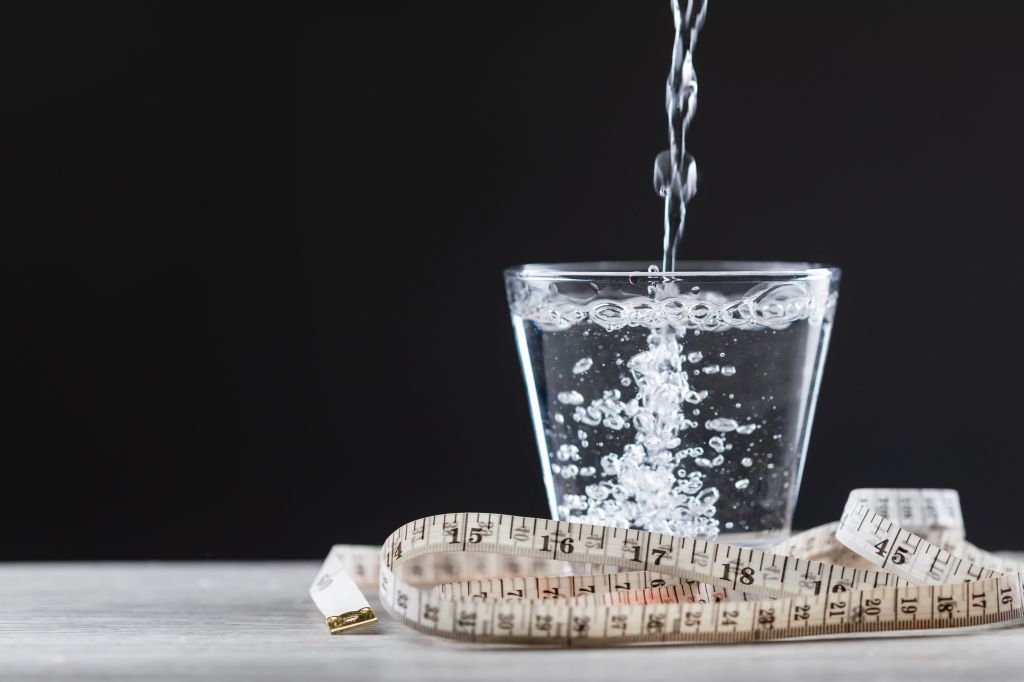
Can water help you lose weight?
Water itself doesn’t directly burn fat, but staying adequately hydrated can support healthy weight management and metabolic health in several important ways.
Research published in Physiology & Behavior highlights that people who consistently drink enough water tend to show better weight‑related outcomes and more favorable metabolic markers, such as blood sugar and insulin regulation, than those who habitually under‑hydrate.
Thirst signals can sometimes be mistaken for hunger, which is one reason drinking water before eating can help clarify true appetite and reduce unnecessary snacking that could contribute to weight gain.
Replacing sugary beverages with water or a zero-sugar alternative can also support weight loss by reducing overall sugar intake, which in turn supports fat burning and hormonal balance.
Together, these considerations suggest that proper hydration as part of a healthy diet and low-sugar intake can help create an internal environment that supports steady weight and metabolic health.

How to stay hydrated throughout the day
Staying hydrated does not mean forcing yourself to drink water all day long. In most cases, a better approach is to spread fluids naturally throughout the day and choose beverages and foods that support fluid balance.
Here are four practical ways to increase daily water intake without making hydration feel like a chore.
1. Eat more fresh, whole foods
Hydration doesn’t come only from a glass. It’s estimated that roughly 20 percent of daily water intake comes from food. Many whole foods—especially vegetables, low‑sugar fruits, and quality proteins—have a high water content that your body can use for hydration.
Prioritizing these over dry, ultra‑processed foods like cookies and chips naturally increases fluid intake while also providing fiber, vitamins, and minerals that support fluid balance.
2. Avoid ultra-processed foods and beverages
Limiting ultra‑processed foods and sugary drinks is one way to help prevent dehydration. These products can drive cravings and contribute to mineral imbalances and fluid loss, making it more challenging to stay hydrated throughout the day.
3. Prepare your beverages in advance
Carry a reusable water bottle with your favorite zero‑sugar electrolyte drink, or pre‑mix a pitcher in the fridge so it’s ready when you need it. Choose options sweetened with stevia, monk fruit, or allulose instead of added sugars, which may contribute to dehydration.
You can also make a homemade electrolyte drink using whole-food ingredients, such as avocado, lemon, berries, and sea salt.
4. Drink before you eat
Drink a glass of water or warm herbal tea before meals to help distinguish thirst from hunger and support digestion, especially if you tend to snack when you actually feel thirsty.
Key takeaways
- Adequate hydration depends on both fluid intake and electrolyte balance, not just drinking water.
- How much water you need varies with your body, diet, environment, age, and activity level, as well as the total intake of fluids and minerals from drinks and foods.
- Drinking excessive amounts of water too quickly can dilute sodium and lead to dangerous fluid imbalances.
- Drinking enough water can help support weight loss by replacing sugary drinks, lowering calorie intake, and potentially reducing overeating when consumed before meals.
- Preparing hydration beverages in advance, drinking before you eat, and choosing more moisture‑ and mineral‑rich whole foods can help you stay comfortably hydrated throughout the day.
FAQ
- 1. How much water should you drink?
- 2. Is clear urine a sign that I’m perfectly hydrated?
- 3. Do coffee, tea, milk, and sparkling water count toward hydration?
- 4. Is drinking water the only way to stay hydrated?
- 5. Does staying hydrated help you lose weight?


