

At a glance
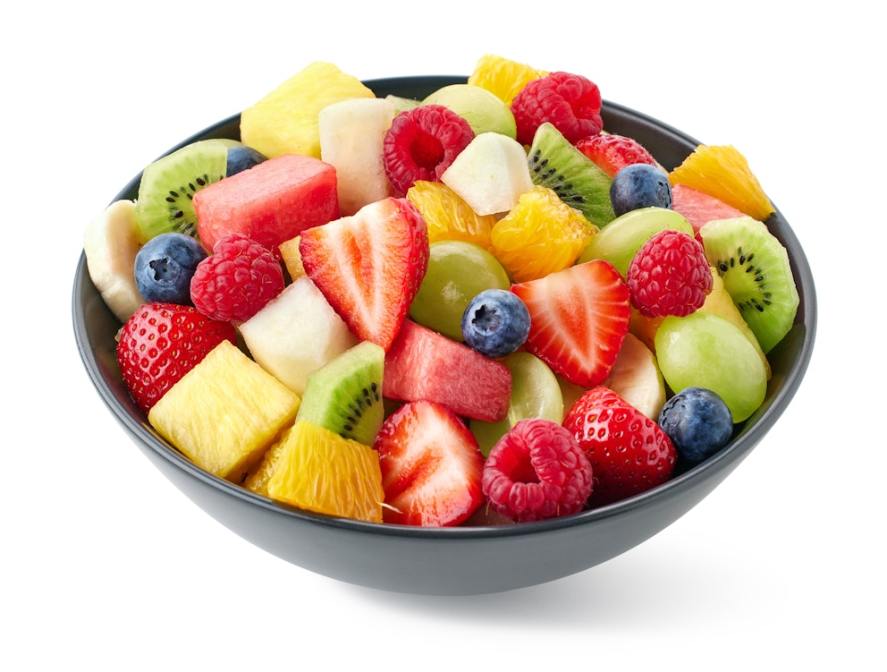
Fruit can fit into a keto diet when chosen carefully and eaten in moderation. Most fruits are high in natural sugars that can raise blood glucose levels and interfere with ketosis. However, low-carb options such as berries, lemons, and limes are suitable alternatives. These keto-friendly fruits offer vitamin C, fiber, and antioxidants, which support metabolic health and overall wellness.
The keto diet is a low-carb, low-sugar diet that triggers a metabolic state known as ketosis by focusing on healthy fats and moderate amounts of protein.
Though fruits are rich in essential nutrients, antioxidants, and fiber, most contain too many carbohydrates and can quickly interfere with fat-burning, making them unsuitable for a ketogenic lifestyle.
Discover six non-keto fruits to avoid and find out which ones you can enjoy in moderation when following a low-carb diet.
Can I have fruit on a keto diet?
The keto diet aims to put the body into the fat-burning state of ketosis, which can be achieved by reducing daily carb intake to less than 50 grams of net carbs.
A Healthy Keto® diet avoids sugars and limits carb intake while prioritizing the consumption of healthy fat, moderate protein, and plenty of non-starchy vegetables.
Most fruits are high in fructose, a simple sugar classified as carbohydrate. This explains why you could quickly get kicked out of ketosis if you eat fruit on a low-carb diet.
Many fruits also have a high glycemic index (GI), which is a measure of how quickly a specific food raises blood glucose levels. This highlights fruits’ potential to trigger blood sugar and insulin spikes, which interfere with fat-burning and can contribute to weight gain and insulin resistance.
Insulin resistance is a serious metabolic imbalance in which the body can’t effectively control blood sugar and is associated with various diseases, including non-alcoholic fatty liver disease (NFLD), obesity, diabetes, and polycystic ovarian syndrome (PCOS).
While keto dieters can enjoy low-carb fruits such as berries and tart citrus fruits, they should consume them in moderation to avoid exceeding their daily carb count limit.
Watch the video below to learn more about fruits on the ketogenic diet.
6 non-keto fruits to avoid
While many fruits are generally considered healthy, they’re typically too high in carbohydrates compared to non-starchy vegetables, making them less than ideal choices for those on keto.
Additionally, fruits with high GI rankings, such as bananas, grapes, and watermelon, can raise blood sugar levels significantly. This can lead to energy crashes, brain fog, and mood swings throughout the day.
Here are six high-sugar fruits to avoid on keto.
1. Apples
Apples are a good source of vitamin C and fiber, which support digestion and promote a diverse microbiome. However, many modern apple varieties have been cultivated to have higher sugar content to appeal to consumers.
On average, one large apple contains:
- 26 g total carbohydrates
- 3 g fiber
- 23 g net carbs
“Many apples have been modified to contain more fructose to make the fruit sweeter,” explains Dr. Berg. “The Honeycrisp apple, first introduced during the 90s, contains excessive amounts of sugar compared to traditional apples, which were more tart.”
However, some apple products, such as apple cider vinegar, are acceptable on the keto diet and may even help regulate blood sugar levels, optimize digestion, and promote natural liver cleansing.
2. Oranges
While oranges are rich in vitamins and minerals, their carbohydrate and sugar content makes this popular citrus fruit unsuitable for a low-carb diet.
A single orange contains:
- 22 g total carbohydrates
- 4 g fiber
- 18 g net carbs
Orange juice is even higher in carbs due to the lack of fiber, which leads to a higher overall sugar content and more significant blood sugar spikes compared to whole oranges.
One cup of orange juice contains:
- 25 g total carbohydrates
- 0 g fiber
- 25 g net carbs
3. Bananas
Bananas are often recommended for their potassium content, which helps support various bodily functions, including muscle contractions and nerve function.
However, bananas aren’t the best potassium sources and are carb-heavy fruits that can quickly interfere with fat-burning and disrupt ketosis.
According to data from the U.S. Department of Agriculture (USDA), one large banana contains:1
- 31 g total carbohydrates
- 4 g fiber
- 27 g net carbs
4. Grapes
Although grapes are rich in nutrients, they’re also high in sugar and easy to overconsume, which can lead to significant spikes in blood sugar levels.
One cup of grapes contains:
- 30 g total carbohydrates
- 1 g fiber
- 29 g net carbs
It’s also important to note that raisins are considerably higher in carbs than fresh grapes, as the dehydration process concentrates the grapes’ natural sugar content.
One small box of raisins contains:
- 32 g total carbohydrates
- 1 g fiber
- 31 g net carbs
5. Pineapples
Pineapples are often grilled, added to salsas, or incorporated into desserts to add a tropical flair to recipes. Though delicious, pineapples aren’t suitable for those following a ketogenic diet.
According to data released by the USDA, one cup of pineapple chunks contains:2
- 20 g total carbohydrates
- 1 g fiber
- 19 g net carbs
6. Watermelon
Watermelon is a hydrating fruit composed of 90 percent water. Though melon is lower in carbs than other non-keto fruits, it’s often consumed in large quantities, which can quickly exceed your macro limits.
One cup of watermelon balls contains:
- 12 g total carbohydrates
- 1 g fiber
- 11 g net carbs
Keto-friendly fruits to enjoy
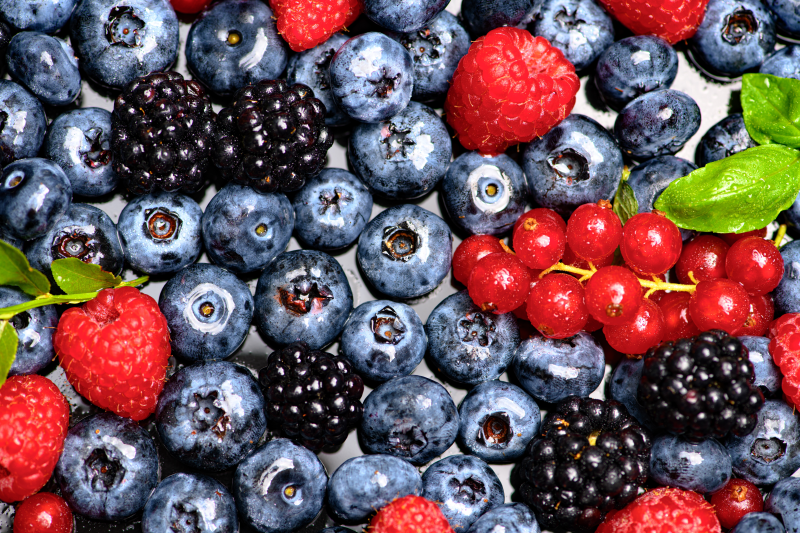
Tart, fibrous fruits, such as lemons, limes, and berries, are significantly lower in carbohydrates than other fruits and can be incorporated into various keto recipes or enjoyed as an after-meal treat.
Here’s the carbohydrate content of keto-approved fruit per 1.5 ounces (47 grams).
Limes:
- 5 g total carbohydrates
- 2 g fiber
- 3 g net carbs
Lemons
- 5 g total carbohydrates
- 2 g fiber
- 3 g net carbs
Raspberries:
- 6 g total carbohydrates
- 3 g fiber
- 3 g net carbs
Blackberries
- 5 g total carbohydrates
- 2 g fiber
- 3 g net carbs
Strawberries:
- 6 g total carbohydrates
- 2 g fiber
- 4 g net carbs
Blueberries:
- 7 g total carbohydrates
- 2 g fiber
- 5 g net carbs
Tart cherries:
- 5 g total carbohydrate
- 1 g fiber
- 4 g net carbs
These low-carb fruits are all on the Healthy Keto-approved food list as they won’t significantly impact blood sugar levels, especially when consumed after fibrous vegetables such as kale, broccoli, Brussels sprouts, collard greens, or asparagus.
These vegetables help slow the absorption of carbohydrates, further minimizing any potential impact on blood sugar and insulin levels.
In addition, coconut milk and coconut oil are acceptable on a keto diet, with one cup of coconut milk containing just one gram of net carbs and zero grams of sugar.
Health benefits of keto-friendly fruit
Adding moderate amounts of keto-approved fruit to a low-carb diet has several benefits, such as better blood sugar control, increased fiber intake, and enhanced immune defenses.
Consuming berries has been shown to decrease post-meal blood sugar spikes and improve insulin sensitivity, thereby promoting a healthy body weight and overall metabolic balance.
A study published in The Journal of Nutrition found that berries significantly reduced the postprandial insulin response, which is associated with better glycemic control and a lower risk of insulin resistance and diabetes.3
Low-carb fruits are an excellent source of dietary fiber, which supports bowel health by softening stool and providing fuel for the gut microbiome. A diverse intestinal microflora can help fortify immunity, enhance nutrient absorption, and support hormonal balance.
Additionally, berries and keto-approved citrus fruits provide a rich source of vitamin C, flavonoids, and polyphenols, a group of natural antioxidants that combat free radicals.
By neutralizing these unstable molecules, these fruits can help reduce oxidative stress and chronic inflammation, which are contributing factors to premature aging, cancer, and heart disease.
Key takeaways
- Non-keto fruits such as apples, bananas, watermelon, pineapples, grapes, oranges, and dried fruits, including raisins, are high in carbohydrates and should be avoided on a ketogenic diet.
- These high-carb fruits can elevate blood sugar levels and disrupt ketosis, slowing the body’s ability to burn fat efficiently.
- Lower-carb options, such as berries, lemons, and limes, can be enjoyed in moderation for their antioxidant benefits, nutrient density, and ability to help stabilize blood sugar levels.
FAQ
1. What are non-keto fruits?
2. Is fruit high in carbs?
3. Can I have fruit on a low-carb diet?
4. Why can’t you eat certain fruit on keto?
5. What fruit is best to have on keto?
Sources
- https://fdc.nal.usda.gov/fdc-app.html#/food-details/173944/nutrients ↩︎
- https://fdc.nal.usda.gov/fdc-app.html#/food-details/169124/nutrients ↩︎
- https://pubmed.ncbi.nlm.nih.gov/23365108/ ↩︎
Related Articles
-
What Is Modified Food Starch?
 Foods to avoid
What Is Modified Food Starch?
At a glance Modified food starch is a widely used food additive and thickening agent. However, it may affect metabolic balance and gut health, particularly when consumed as part of…05/14/2026 -
How to Break a Weight Loss Plateau: 9 Simple Ways
 Keto
KetoHow to Break a Weight Loss Plateau: 9 Simple Ways
At a glance Weight loss plateaus typically occur when the body adapts to dietary and lifestyle changes, resulting in reduced energy requirements. Factors such as insulin resistance, poor sleep, and…05/08/2026 -
Keto on a Budget: Tips and Foods to Eat
 Diet
DietKeto on a Budget: Tips and Foods to Eat
At a glance A ketogenic diet can be maintained using simple, affordable whole foods rather than expensive specialty products. Prioritizing versatile ingredients and planning meals strategically can help reduce grocery…04/24/2026 -
How Many Calories Break a Fast?
 Fasting
How Many Calories Break a Fast?
At a glance Fasting keeps insulin levels low, allowing the body to burn stored fat and activate cellular repair processes. While any amount of calories technically breaks a fast, different…04/16/2026 -
Muscle Twitching on Keto: Causes and What to Do
 Diet
DietMuscle Twitching on Keto: Causes and What to Do
At a glance Muscle twitching is common when first starting keto and is often linked to shifts in fluid balance, electrolyte minerals, and digestive function as insulin levels remain steady.…03/19/2026 22.3k views -
What Is the Difference Between Virgin and Extra Virgin Olive Oil?
 Superfoods
What Is the Difference Between Virgin and Extra Virgin Olive Oil?
At a glance Virgin and extra virgin olive oils are both extracted from olives using mechanical methods, but extra virgin olive oil (EVOO) meets stricter quality standards. EVOO contains higher…03/06/2026 8.5k views -
Too Much Keto Weight Loss? What to Do If You’re Too Skinny
 Diet
DietToo Much Keto Weight Loss? What to Do If You’re Too Skinny
At a glance Keto weight loss often occurs rapidly during the early adaptation phase, primarily due to fluid loss rather than immediate fat reduction. While fat loss is expected, ongoing…03/06/2026 10.2k views -
Why You’re Not Losing Belly Fat on Keto
 Diet
DietWhy You’re Not Losing Belly Fat on Keto
At a glance Shedding stubborn belly fat may require more than cutting carbs. Insulin levels, stress hormones, liver function, and muscle mass all influence how efficiently your body can access…02/20/2026 13k views -
Carnivore Diet: Weight Loss Tips, Benefits, and Risks
 Diet
DietCarnivore Diet: Weight Loss Tips, Benefits, and Risks
At a glance The carnivore diet relies solely on animal-based foods, eliminating all plants and carbohydrate sources. This shift can support weight regulation, stabilize blood sugar levels, and help lower…02/20/2026 5.3k views -
Why Am I Craving Fatty Foods? 3 Reasons
 Diet
DietWhy Am I Craving Fatty Foods? 3 Reasons
At a glance Cravings for fatty foods are often linked to bile insufficiency, impaired fat digestion, and underlying hormonal or nutritional demands that signal the body’s need for more fat.…02/12/2026


