


At a glance
Acupressure offers a simple, hands-on approach to promoting physical comfort, which may help soothe sore throat pain. While it’s not a substitute for a medical evaluation, acupressure can be a convenient and natural option to help alleviate a painful throat.
Acupressure has been a core technique of traditional Chinese medicine for millennia. It’s believed that stimulating certain points on the body can trigger endorphin release and enhanced blood flow, which support the body’s natural healing processes.
Discover a simple acupressure technique you can use at home, along with natural remedies to help relieve sore throat pain.
What is acupressure?
Acupressure is a technique that uses the hands or handheld tools to apply gentle pressure to specific points on the body. It shares the same foundational principles as acupuncture but uses external pressure rather than needles.
Targeting specific acupressure points helps stimulate the nervous system and releases endorphins, which are neurotransmitters involved in pain modulation and mood regulation.
Additionally, acupressure seeks to alleviate blockages or tension points that contribute to bodily discomfort, and many people report improved physical comfort after acupoint stimulation.
When performed correctly, acupressure poses a low risk of side effects, making it an appealing option for those seeking natural, non-invasive ways to promote throat comfort.
Evidence published in Medicine indicates that acupoint stimulation can offer pain relief and help support throat comfort in patients who have recently undergone surgery requiring anesthesia and intubation.
The researchers stated: “Compared with the no or sham acupoint stimulation, the true acupoint stimulation was associated with a reduced incidence and decreased severity of postoperative sore throat (POST).”
Watch the video below to learn how to use acupressure to soothe a sore throat.
Key acupressure point for sore throat relief
The back of the neck contains several acupressure points that, in both traditional systems and modern bodywork, are associated with neck and throat comfort.
In traditional Chinese medicine, two commonly referenced points are Gallbladder 20, also known as Wind Pool, and Bladder 10, also known as Heavenly Pillar. These points are located where the upper neck muscles, nerves, and lymphatic pathways meet.
Modern bodywork approaches, such as trigger point therapy, also focus on this region because tight tissues in the back of the neck can be linked with discomfort in nearby areas, including the throat.
These techniques also align with the gate control theory of pain, which shows that pressure applied to one area can help reduce pain signals traveling from a nearby region through shared nerve pathways.
“When tension and irritation build up in the front of the throat, the tissues and nerves at the back of the neck often become tight and congested,” explains Dr. Berg. “Applying pressure to these tissues may help improve local circulation and relieve blockages that can contribute to discomfort.”
One practical way to use these concepts is to follow a simple anatomical guideline:
Gently apply pressure on the back of the neck roughly opposite the area where the throat feels uncomfortable.

How to apply acupressure to manage a sore throat
First, locate where your throat feels sore or irritated, often around the voice box. Then imagine a straight line from that spot around to the back of your neck.
Using your middle finger and thumb, press into the back of the neck at that matching level. Use your other hand to support your forehead and apply steady, comfortable pressure. You can also do this while lying down, using gravity or a simple acupressure tool to help apply pressure.
You may find a tender spot that feels more sensitive than the sore throat itself. This often marks an area of tension. Hold gentle pressure for about one to two minutes, or as long as it feels comfortable.
If there is no relief, adjust your fingers slightly higher or lower. You can also focus more on the left or right side, depending on where tightness feels most noticeable.

When acupressure may not be enough
While acupressure can be a helpful tool for mild throat discomfort caused by strain or irritation, many sore throats result from viral or bacterial infections, such as the common cold or strep throat. These often require additional support and medical evaluation for appropriate treatment.
Consult a healthcare professional if your sore throat is accompanied by:
- Trouble breathing
- Inability to swallow fluids
- High fever
- Persistent cough
- Stomach discomfort
- Red or swollen tonsils
- Swollen neck glands
- Rapidly worsening throat pain
- Symptoms that last longer than a week without improvement.
Other natural remedies to ease a sore throat
Acupressure pairs well with other supportive home remedies that may help soothe a sore throat and promote overall comfort.
Sore throats caused by microbial infections may be managed with certain herbal teas. Traditional herbs, when combined with warm liquids, can help relax the throat muscles and offer antimicrobial and anti-inflammatory properties.
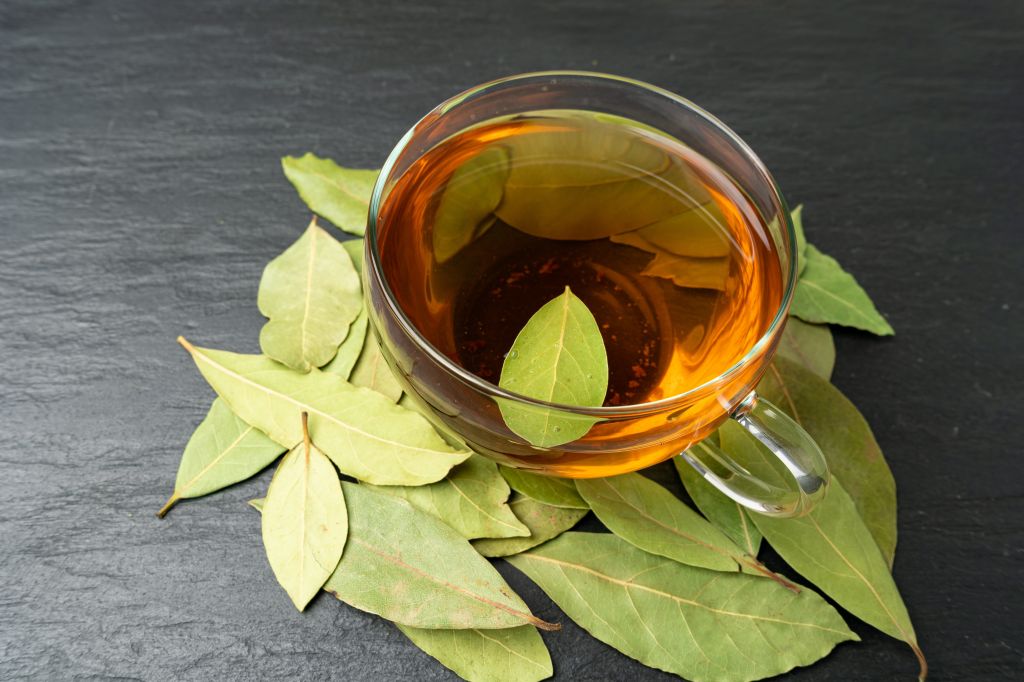
Bay leaf tea is an excellent option for alleviating sore throats associated with upper respiratory tract infections, as it contains compounds with antibacterial and antiviral properties.
To prepare bay leaf tea, add two large bay leaves to two cups of boiling water, and steep for four minutes. Adding a cinnamon stick can enhance flavor, as well as provide additional comfort and mild antimicrobial support.
Peppermint tea offers menthol, which can create a cooling, numbing sensation that may temporarily ease sore throat discomfort.
Adding raw honey to hot tea can enhance the taste while providing soothing throat-coating and mild antibacterial properties.
Salt water gargles are another widely used sore throat remedy. Dissolving half a teaspoon of sea salt in a glass of warm water and gargling may help thin phlegm and create conditions that are less favorable for potentially harmful microbes that contribute to throat soreness and painful swallowing.
Key takeaways
- Acupressure uses gentle pressure on specific points to support circulation, nerve signaling, and physical comfort.
- Traditional and modern bodywork systems both identify the back of the neck as an important area for addressing neck- and throat-related tension.
- Applying pressure on the back of the neck opposite where the throat feels sore may help ease local tension and can offer fast pain relief.
- Other natural remedies to manage sore throat symptoms include bay leaf tea, peppermint tea, and warm saltwater gargles.
- Severe or persistent symptoms should be evaluated by a healthcare professional for guidance on how to treat sore throat pain and discomfort.
FAQ
- 1. Can acupressure help with a sore throat?
- 2. How long does it take to feel relief when using acupressure?
- 3. How often can you use acupressure?
- 4. Is acupressure safe?
Source
1. https://pmc.ncbi.nlm.nih.gov/articles/PMC11132372
Related Articles
-
Food Intolerance Symptoms and How to Identify Patterns
 Digestive health
Food Intolerance Symptoms and How to Identify Patterns
At a glance Food intolerance symptoms can be difficult to connect to a particular food because they don’t always happen immediately after eating. Reactions may depend on portion size, food…07/30/2026 -
Zinc Supplements: Forms and How to Choose
 Nutrition
Zinc Supplements: Forms and How to Choose
At a glance Zinc is an essential trace mineral involved in hundreds of enzymatic reactions that influence immune activity, cellular functions, and hormone regulation. Understanding the differences in formulation, dosage,…04/10/2026 -
How to Help Reduce Cancer Risk – 10 Natural Ways
 Health concerns
How to Help Reduce Cancer Risk – 10 Natural Ways
At a glance Cancer risk is strongly influenced by diet and lifestyle factors that affect inflammation, metabolic health, immune surveillance, and cellular repair. Strategies such as carbohydrate restriction, fasting, regular…04/03/2026 5.4k views -
How to Get Rid of Toenail Fungus – 3 Natural Solutions
 Health concerns
How to Get Rid of Toenail Fungus – 3 Natural Solutions
At a glance Toenail fungus is a common nail infection often linked to environmental exposure to infectious microbes, nail injury, and poor metabolic or immune health. Natural topical solutions and…03/13/2026 33.6k views -
HPV Skin Tags: Causes and What to Do
 Health concerns
HPV Skin Tags: Causes and What to Do
At a glance While both skin tags and warts can be linked to human papillomavirus (HPV), they differ in appearance and how they affect the body. Targeted dietary and lifestyle…03/13/2026 16.6k views -
Can Iron Tablets Make You Feel Sick?
 Nutrition
Can Iron Tablets Make You Feel Sick?
At a glance Iron tablets can make you feel sick by irritating the intestines, altering the gut microbiome, and potentially damaging intestinal cells. While iron is essential in trace amounts,…02/13/2026 6.5k views -
Benefits of Colostrum for Babies and Adults
 Nutrition
Benefits of Colostrum for Babies and Adults
At a glance Colostrum is the first milk produced after birth and delivers concentrated nutrients, immune factors, and growth compounds that support a newborn’s early development. This nutrient dense milk…02/13/2026 13.3k views -
What Are Viral and Bacterial Infections? Differences Explained
 Health concerns
What Are Viral and Bacterial Infections? Differences Explained
At a glance Viral and bacterial infections are caused by different pathogens and require distinct approaches for treatment and prevention. While viruses invade cells and typically resolve on their own,…02/12/2026 2.4k views -
Ear Infection Home Remedies: 8 Natural Solutions
 Immune health
Ear Infection Home Remedies: 8 Natural Solutions
At a glance Ear infections can cause pressure, discomfort, and temporary hearing changes, often triggered by viral or bacterial infections. Over-the-counter options may relieve symptoms, but often don’t address the…01/16/2026 26.9k views -
How to Clear Phlegm From Lungs – 7 Natural Ways
 Health concerns
How to Clear Phlegm From Lungs – 7 Natural Ways
At a glance Phlegm forms when the airways become irritated or inflamed, leading to thick mucus that’s hard to clear. Understanding what triggers excess phlegm and how to support airway…01/08/2026 11.8k views


