

At a glance
Dextrose is a simple sugar that rapidly raises blood sugar and insulin levels, making it unsuitable for a ketogenic diet. Alternative low-carb sweeteners may offer a better option for maintaining ketosis and balanced energy.
Dextrose is a sweetener that can quickly push you over your daily carb limit on keto if you’re not careful. Find out why you should avoid dextrose on keto and which low-carb sweeteners you should use instead!
What is dextrose?
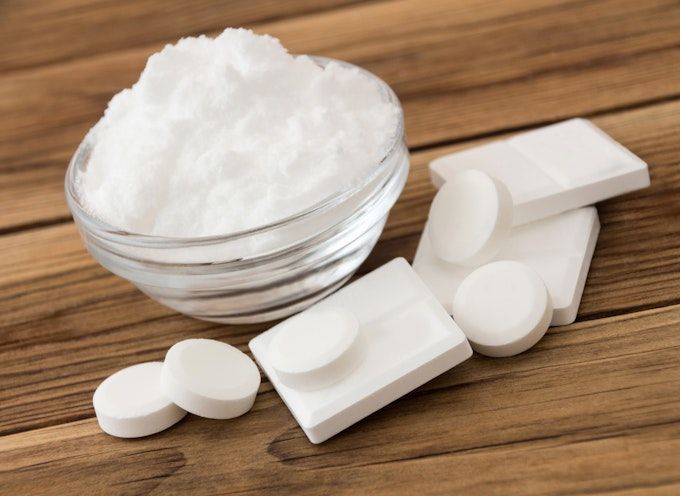
Dextrose is a carb and acts just like table sugar. It will raise blood sugar quickly, causing your insulin levels to spike. Dextrose will kick you out of ketosis, switching your metabolism from fat-burning to using carbs for energy instead.
Dextrose is very high in net carbs and is often produced from GMO corn or wheat and should not be a part of your Healthy Keto® diet.
How much dextrose can you have on keto?
Dextrose is generally not considered keto-friendly but some very small amounts may be okay. To stay in ketosis, you must stick to 20 to 50 grams of carbs per day. One teaspoon of dextrose contains 4 grams of net carbs.
Because dextrose often is used in processed foods and as a filler, it’s important to read nutrition labels. Also, remember that dextrose is low in nutritional value. Don’t waste your daily net carbs on processed foods with little to no health benefits.
Is dextrose keto-friendly? While small amounts may not kick you out of ketosis, dextrose is not optimal for your keto lifestyle.
Should you use sweeteners on keto?
Sugar cravings do happen, particularly in the early days of your keto diet. Once your body adapts to fat-burning, cravings will diminish. This study confirms that following a ketogenic diet leads to less hunger and cravings compared to a low-fat diet.1
If you have the occasional sweet tooth, there are several keto-friendly alternative sweeteners you can use. Watch the video below to learn about ideal sweeteners for your keto recipes.
Healthy Keto-approved sweeteners
To make sugar substitutes or artificial sweeteners a keto-friendly choice for you, they must hit a few criteria. They should:
- Be low carb or zero carb
- Have a low glycemic index and not raise your blood sugar significantly
- Not cause gastrointestinal discomfort
- Be able to be heated safely
- Have an established safety record
Here are four keto-friendly sweeteners that meet these criteria.
1. Stevia
Stevia is a natural sweetener derived from the leaves of the stevia plant. Often used in keto dessert recipes, stevia is 200 times sweeter than regular sugar but contains zero carbs and zero calories.
Stevia isn’t just an excellent keto-friendly sweetener. A study published in 2022 found that stevia lowers blood pressure, improves kidney function, and benefits liver health.2
Choose an organic stevia product that has been minimally processed and does not contain fillers (read those labels!). Add liquid stevia to carbonated water to make your own keto-friendly sodas.
2. Monk fruit
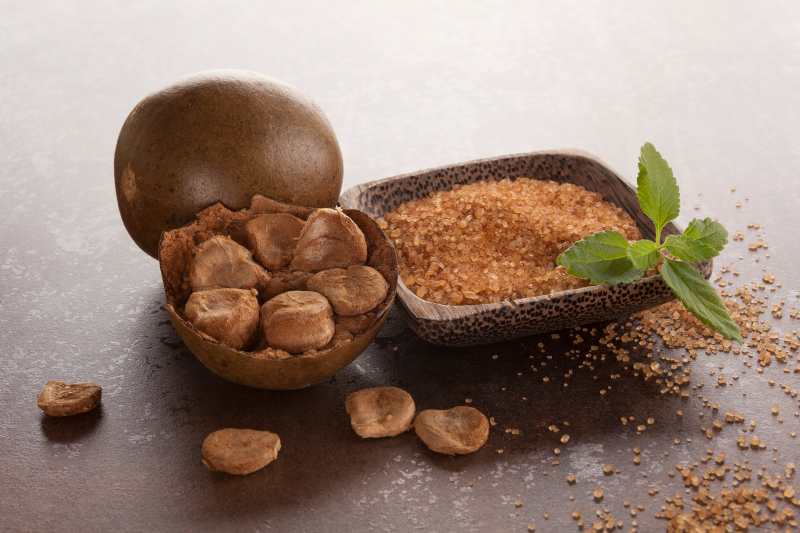
Monk fruit is a no-carb, no-calorie sweetener. Gaining increasing popularity, you will not struggle to find monk fruit to use in your keto recipes. Monk fruit is an ideal keto-friendly sweetener to help balance your blood sugar and support weight loss.
3. Erythritol
Erythritol, a type of sugar alcohol, has a similar structure to pure sugar, making it a powerful sugar substitute. Your body doesn’t digest this zero-carb sweetener, keeping your blood sugar balanced and your insulin healthy.
One of erythritol’s big selling points is that it leaves no bitter aftertaste and has a flavor profile similar to sugar.
4. Xylitol
Xylitol is a natural, low-carb sugar alcohol extracted from the bark of birch trees. It’s as sweet as table sugar but has minimal impact on your blood sugar levels. Small amounts of carbs in xylitol will count towards your daily net carbs.
Sweeteners to avoid on keto
We have looked at keto-friendly sweeteners, but which ones should you avoid? Understanding which sweeteners to avoid helps you to make smart and confident choices for your keto diet. Here are three types of sweeteners to stay away from on keto!
1. Refined sugar
Refined sugar, also known as table sugar, simple sugar, brown sugar, and high fructose corn syrup, are all unsuitable for a keto diet. These processed sugars are high in net carbs, have a high glycemic index, kick you out of ketosis, and prevent you from losing weight.
Naturally derived sugars like honey, agave, maple, or date syrups fall under the same category as refined sugars and should not be included in your keto diet recipes or keto products.
You may have heard that brown sugar and coconut sugar are healthy, but this isn’t true. There are only small amounts of vitamins and minerals in these products. Following the Healthy Keto diet will ensure you get all the nutrients your body needs without high-net carb foods.
2. Maltitol
Maltitol, a sugar alcohol, has a glycemic index almost as high as pure sugar. It will throw your blood sugar and insulin out of balance, making maltitol unsuitable for keto.
3. Artificial sweeteners (aspartame, saccharin, and sucralose)
Artificial sweeteners are in most sugar-free food products and diet sodas. These sweeteners may cause you to retain water (affecting body weight), increase your resistance to insulin, and alter your intestinal microflora.
Key takeaways
- Dextrose is a fast-acting sugar that can rapidly raise blood sugar levels and disrupt ketosis.
- It’s often produced from GMO corn or wheat and isn’t considered Healthy Keto® approved.
- Keto-friendly sweeteners, such as stevia, monk fruit, erythritol, and xylitol, may help satisfy cravings without significantly affecting blood sugar levels.
- Artificial and high-glycemic sweeteners like maltitol, aspartame, and sucralose should be avoided on a ketogenic diet, as they can raise insulin or impact gut balance.
- Checking ingredient labels can help identify hidden sugars and maintain steady carb control.
FAQ
- 1. Can I have dextrose on keto?
- 2. Can I have dextrose while fasting?
- 3. How much dextrose will kick me out of ketosis?
- 4. What is the glycemic index?
- 5. How high is dextrose on the glycemic index?
- 6. Is dextrose a carb?
- 7. Is dextrose a sugar?
- 8. How much dextrose can I have on keto?
- 9. What sugar substitutes will kick me out of ketosis?
- 10. Is dextrose with maltodextrin keto-friendly?
- 11. Is stevia with dextrose keto-friendly?
- 12. Is dextrose safe on a low-carb diet?
Sources
- McClernon FJ, Yancy WS, Eberstein JA, Atkins RC, Westman EC. The effects of a low-carbohydrate ketogenic diet and a low-fat diet on mood, hunger, and other self-reported symptoms. Obesity (Silver Spring). 2007;15(1):182-7. doi:10.1038/oby.2007.516 https://pubmed.ncbi.nlm.nih.gov/17228046/ ↩︎
- Kasti AN, Nikolaki MD, Synodinou KD, et al. The Effects of Stevia Consumption on Gut Bacteria: Friend or Foe?. Microorganisms. 2022;10(4). doi:10.3390/microorganisms10040744 https://pmc.ncbi.nlm.nih.gov/articles/PMC9028423/ ↩︎
Related Articles
-
What Are the Best and Worst Carbs?
 Nutrition
What Are the Best and Worst Carbs?
At a glance Carbohydrates can be a source of energy for the body, but their nutritional value can vary widely depending on the source. Some carbohydrate foods supply fiber, vitamins,…07/30/2026 -
Can You Drink Coffee While Fasting?
 Diet
DietCan You Drink Coffee While Fasting?
At a glance Fasting involves limiting food intake so the body can use stored energy and maintain steady metabolic function. Coffee can be consumed during a fast, and plain black…06/19/2026 -
Sugar Alcohols: What They Are and How They Affect Digestion
 Food and Drink
Sugar Alcohols: What They Are and How They Affect Digestion
At a glance Sugar alcohols are low-calorie sweeteners commonly used in sugar-free foods, chewing gum, desserts, and other processed foods. Unlike regular sugar, many sugar alcohols are not fully absorbed…05/21/2026 -
What Is Modified Food Starch?
 Foods to avoid
What Is Modified Food Starch?
At a glance Modified food starch is a widely used food additive and thickening agent. However, it may affect metabolic balance and gut health, particularly when consumed as part of…05/14/2026 -
How to Break a Weight Loss Plateau: 9 Simple Ways
 Keto
KetoHow to Break a Weight Loss Plateau: 9 Simple Ways
At a glance Weight loss plateaus typically occur when the body adapts to dietary and lifestyle changes, resulting in reduced energy requirements. Factors such as insulin resistance, poor sleep, and…05/08/2026 -
Keto on a Budget: Tips and Foods to Eat
 Diet
DietKeto on a Budget: Tips and Foods to Eat
At a glance A ketogenic diet can be maintained using simple, affordable whole foods rather than expensive specialty products. Prioritizing versatile ingredients and planning meals strategically can help reduce grocery…04/24/2026 -
How Many Calories Break a Fast?
 Fasting
How Many Calories Break a Fast?
At a glance Fasting keeps insulin levels low, allowing the body to burn stored fat and activate cellular repair processes. While any amount of calories technically breaks a fast, different…04/16/2026 -
Muscle Twitching on Keto: Causes and What to Do
 Diet
DietMuscle Twitching on Keto: Causes and What to Do
At a glance Muscle twitching is common when first starting keto and is often linked to shifts in fluid balance, electrolyte minerals, and digestive function as insulin levels remain steady.…03/19/2026 22.3k views -
What Is the Difference Between Virgin and Extra Virgin Olive Oil?
 Superfoods
What Is the Difference Between Virgin and Extra Virgin Olive Oil?
At a glance Virgin and extra virgin olive oils are both extracted from olives using mechanical methods, but extra virgin olive oil (EVOO) meets stricter quality standards. EVOO contains higher…03/06/2026 8.5k views -
Too Much Keto Weight Loss? What to Do If You’re Too Skinny
 Diet
DietToo Much Keto Weight Loss? What to Do If You’re Too Skinny
At a glance Keto weight loss often occurs rapidly during the early adaptation phase, primarily due to fluid loss rather than immediate fat reduction. While fat loss is expected, ongoing…03/06/2026 10.2k views


