


At a glance
Natural pain relief focuses on dietary and lifestyle strategies that help manage discomfort and pain. Factors such as a poor diet, stress, and sedentary habits can worsen pain, while nutrient-rich foods, anti-inflammatory compounds, and lifestyle practices such as fasting and cold exposure can help reduce pain sensitivity and support overall well-being.
Increasingly more individuals are exploring alternative treatment options to manage pain, reduce reliance on pharmaceutical drugs, and prevent their associated side effects.
Discover seven lifestyle and nutrition tips for natural pain relief, and learn why poor dietary habits can worsen inflammation and contribute to a wide range of chronic diseases.
What is natural pain relief?
Traditional therapy approaches utilize over-the-counter drugs, nonsteroidal anti-inflammatory drugs (NSAIDs), or steroid medications to relieve pain as a first-line treatment.
However, while these pharmaceutical interventions can help block pain signals, they don’t address the underlying cause and are often associated with side effects, making long-term use problematic.
Natural pain relief refers to strategies that support the body’s ability to manage discomfort while addressing dietary and lifestyle factors that may worsen pain.
A more natural approach to pain relief often involves a combination of dietary changes, relaxation techniques, and lifestyle interventions.
In addition, food-based remedies that offer active compounds with anti-inflammatory and analgesic properties are often included to help calm inflammation and support the body’s natural healing processes.
Rather than masking symptoms, natural pain relief aims to address inflammation, muscle tension, and stress. These factors can exacerbate muscle pain, joint discomfort, migraines, low back pain, and many other sources of uncomfortable symptoms.
Watch the video below to discover six of the best natural pain killers.
How nutrition and lifestyle affect the body’s pain response
Your diet and lifestyle choices not only influence long-term disease risk but also affect how the body processes pain and can worsen discomfort that may seem unrelated at first.
For example, diets high in processed foods often lack the essential nutrients required for healthy nerve signaling, muscle repair, and the regulation of inflammation.
Excessive intake of sugar and refined carbohydrates can disrupt blood sugar balance, contribute to weight gain, and impair metabolic health, all of which promote chronic inflammation and may heighten pain sensitivity.
Constant blood sugar fluctuations can also worsen conditions such as neuropathic pain, trigger migraine headaches, and contribute to flare-ups in those with inflammatory bowel disease.
In addition, regular consumption of omega-6 fatty acids through the widespread use of refined seed oils can disrupt the body’s inflammatory balance and pain signalling.
Research published in the Journal of Clinical Medicine highlights the importance of nutrition in pain management, stating, “Nutrition is the top modifiable lifestyle factor for chronic non-communicable diseases, including chronic pain.”
Lifestyle factors such as chronic stress, poor sleep, and lack of physical activity can further amplify pain signals by increasing stress hormones, impairing tissue repair, and reducing circulation.
7 tips for natural pain relief
Natural pain relief focuses on simple, practical changes that help the body manage discomfort without relying solely on medications.
However, it’s vital to discuss the use of natural pain relief alternatives with your healthcare provider, and don’t discontinue prescription medications without guidance, to ensure safety and proper management of any health conditions.
Here are seven tips to manage pain and discomfort naturally.
1. Use extra virgin olive oil daily
Evidence published in Nature found that extra-virgin olive oil (EVOO) is an exceptionally rich source of oleocanthal, a phenolic compound that offers pain-relieving properties similar to those of ibuprofen.
This may explain why EVOO has been used for centuries in folk medicine to manage muscle pain, discomfort associated with knee osteoarthritis, rheumatoid arthritis, and other musculoskeletal conditions.
It’s crucial to opt for authentic EVOO and incorporate it into your daily routine to maximize its potential pain-relieving effects. EVOO is ideal for dressing salads, drizzling over vegetables, or as a finishing oil for cooked dishes.
2. Regularly incorporate turmeric
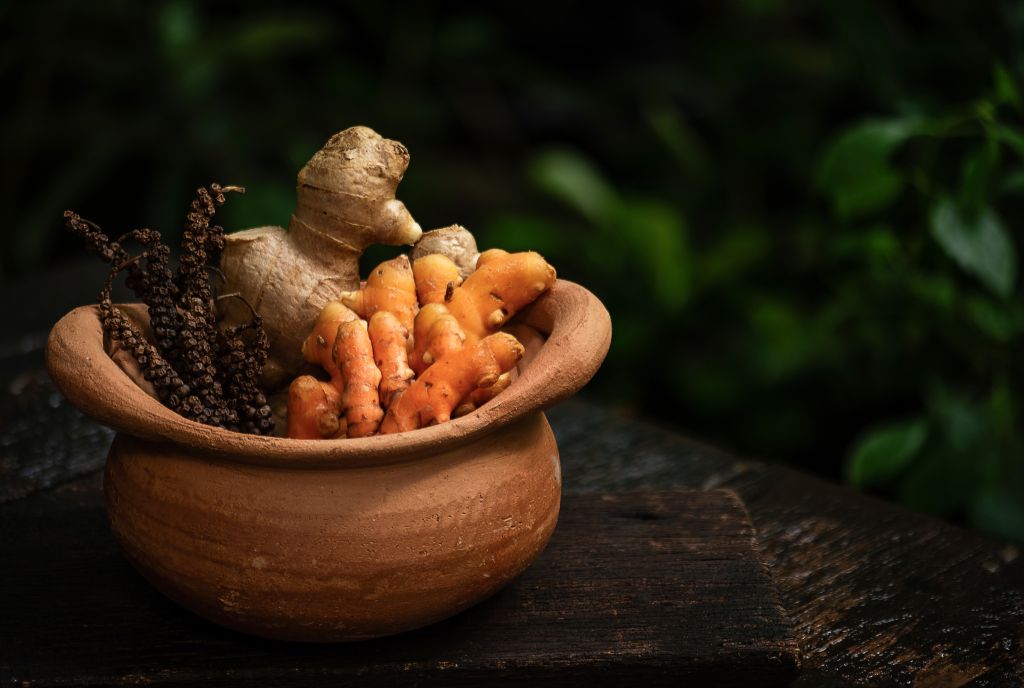
Turmeric root contains curcumin, a bioactive pigment that gives this popular spice its golden color and offers potential anti-inflammatory and pain-relieving benefits.
Widely used in herbal remedies, turmeric can help balance inflammation and may support relief from joint soreness, musculoskeletal pain, and other discomforts.
When paired with an anti-inflammatory diet, adding turmeric to meals or smoothies, or enjoying turmeric tea is an excellent natural pain management strategy.
3. Prioritize foods rich in omega-3 fatty acids
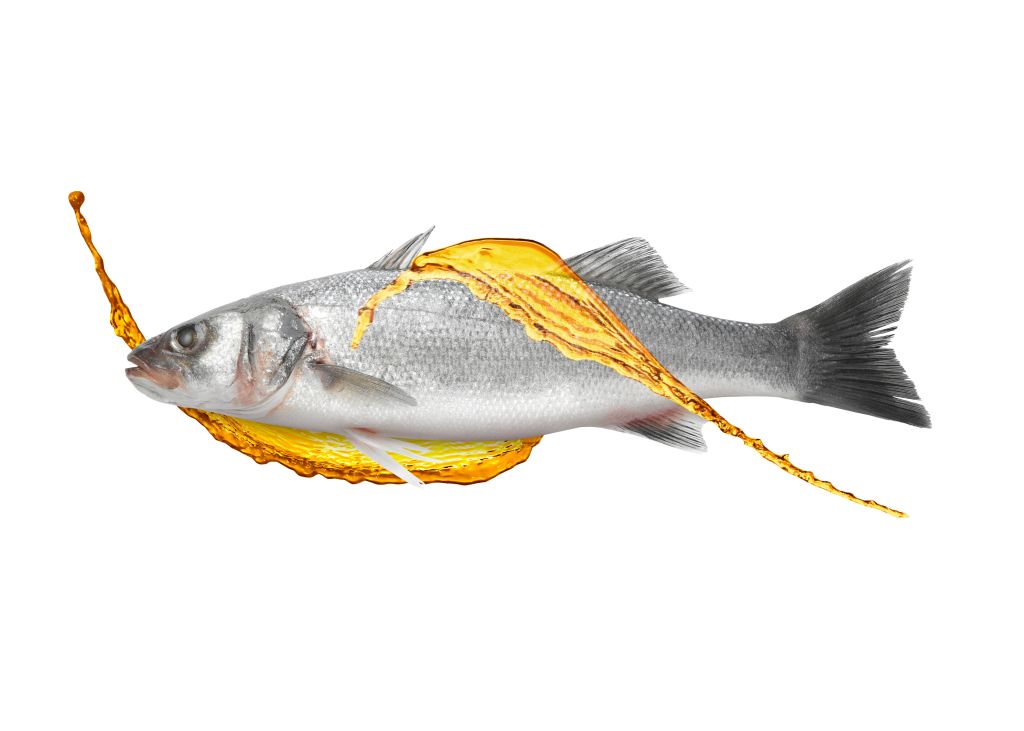
Omega-3 fatty acids are a group of anti-inflammatory lipids found predominantly in oily fish such as salmon, mackerel, and sardines.
Regularly including these foods in your diet can help reduce inflammation, manage pain throughout the body, and support joint and muscle health.
This has been confirmed by a study published in Clinical Nutrition, which found that adults who regularly consumed oily fish reported an overall lower incidence of pain than those who rarely or never ate these foods.
4. Add ginger to your routine
Ginger contains various active compounds, including gingerol and shogaol, which can help block specific inflammatory pathways and reduce the production of prostaglandins and cytokines that contribute to pain and swelling.
“In addition to having shown therapeutic potential to ease musculoskeletal pain, ginger may also help manage gastrointestinal discomfort,” explains Dr. Berg. “Ginger’s active compounds can reduce nausea by relaxing intestinal muscles and decreasing irritation in the gut lining.”
Ginger root is available fresh or in dried powdered form and can be added to a variety of soups, stews, smoothies, and other dishes. It can also be enjoyed as soothing ginger tea or ginger shots for a more concentrated source of its potentially pain-relieving and anti-inflammatory agents.

5. Practice fasting
Both intermittent and prolonged fasting routines have been shown to help lower inflammation and improve metabolic functions, which can strengthen the body’s ability to manage pain.
Fasting triggers cellular repair processes such as autophagy, reduces the release of pro-inflammatory molecules, and helps stabilize blood sugar levels, all of which lower stress on tissues and nerves.
A study published in Neuromodulation: Technology at the Neural Interface investigated the potential pain-relieving benefits of fasting, summarizing, “Intermittent fasting appears to offer significant benefits for chronic pain management by reducing pain severity and inflammatory markers.”
6. Incorporate cold exposure
Practices such as cold water immersion or taking cold showers can provide therapeutic effects for muscle and joint pain.
Exposure to cold helps reduce inflammation and improve circulation, which can relieve discomfort and support recovery after intense physical activity.
Regular cold exposure has also been linked to improved hormonal balance and endorphin release, which enhances the body’s overall resilience to pain and discomfort.

7. Follow Healthy Keto®
Dietary habits play a key role in regulating the body’s inflammatory balance, which is critical in managing pain.
Processed foods, excess sugars, refined carbohydrates, and seed oils can promote the production of inflammatory molecules and intensify pain sensitivity.
This explains why a low-carb diet such as Healthy Keto®, which emphasizes minimally processed whole foods, healthy fats, and nutrient-dense proteins, can help ease joint, muscle, and nerve discomfort while promoting overall well-being.
Research published in the European Journal of Integrative Medicine supports the effectiveness of a well-formulated ketogenic diet for the management of pain.
It’s believed that the profound metabolic changes of a low-carb diet influence the nervous system and may potentially improve neuroinflammation and nervous system sensitisation, linked to chronic pain.

When to talk with your doctor
While natural pain relief strategies can be effective for mild to moderate discomfort, it’s vital to consult your healthcare provider if you experience severe pain or acute pain that interferes with daily activities.
In addition, pain accompanied by fever, loss of mobility, swelling, numbness, or unexplained symptoms may indicate an underlying condition that may require prompt medical evaluation.
Your doctor can help ensure that any natural approaches complement your overall treatment plan safely and monitor for potential drug interactions with medications you may be taking.
Key takeaways
- Prioritizing anti-inflammatory foods, a nutrient-dense diet, and beneficial lifestyle interventions can help the body manage pain and discomfort.
- Extra-virgin olive oil, turmeric, ginger, and omega-3-rich oily fish are natural remedies that may help reduce inflammation and support joint, muscle, and nerve health.
- Beneficial diet and lifestyle practices, such as fasting, cold exposure, and following a Healthy Keto diet, can support the body’s pain response and reduce discomfort.
- Severe, unexplained, or worsening pain requires medical evaluation to ensure natural strategies are safe and appropriate alongside any conventional treatment approaches.
FAQ
- 1. What is natural pain relief?
- 2. How can I reduce pain naturally?
- 3. What is the strongest natural pain reliever?
- 4. Can lifestyle changes influence pain levels?
- 5. How long does it take to get pain relief from diet and lifestyle changes?
- 6. Is movement helpful or harmful when experiencing pain?
Sources
- Ömer Elma, Katherine Brain, Huan-Ji Dong. The Importance of Nutrition as a Lifestyle Factor in Chronic Pain Management: A Narrative Review. Journal of Clinical Medicine. 2022;11(19):5950. doi:10.3390/jcm11195950 https://pmc.ncbi.nlm.nih.gov/articles/PMC9571356/
- Beauchamp GK, Keast RS, Morel D, Lin J, Pika J, Han Q, et al. Phytochemistry: ibuprofen-like activity in extra-virgin olive oil. Nature. 2005;437(7055):45-6. doi:10.1038/437045a https://pubmed.ncbi.nlm.nih.gov/16136122/
- Fish consumption, omega-3 fatty acid intake, and risk of pain: the Seniors-ENRICA-1 cohort. Clinical Nutrition. 2022;41(11):2587. doi:10.1016/j.clnu.2022.09.007 https://www.sciencedirect.com/science/article/pii/S0261561422003326
- ID# 1888883 Rethinking Nutrition and Chronic Pain Outcomes: Exploring the Role of Intermittent Fasting. Neuromodulation: Technology at the Neural Interface. 2025;28(7):S22. doi:10.1016/j.neurom.2025.08.043 https://www.sciencedirect.com/science/article/abs/pii/S1094715925003198
- Effects of a low-carbohydrate ketogenic diet on reported pain, blood biomarkers and quality of life in patients with chronic pain: A pilot randomised clinical trial rationale, study design and protocol. European Journal of Integrative Medicine. 2021;45:101346. doi:10.1016/j.eujim.2021.101346 https://www.sciencedirect.com/science/article/abs/pii/S1876382021000640
Related Articles
-
8 Unique Benefits of Turmeric Tea
 Nutrition
8 Unique Benefits of Turmeric Tea
At a glance Turmeric tea contains curcumin, a bioactive compound that offers anti-inflammatory and antioxidant effects that may support brain and heart health, improve digestion, help regulate weight, and strengthen…05/15/2026 4.4k views -
Benefits of Turmeric for Gout – Natural Gout Pain Relief
 Joint and muscle health
Benefits of Turmeric for Gout – Natural Gout Pain Relief
At a glance Turmeric contains curcumin, a natural compound with anti-inflammatory and antioxidant properties that may help ease discomfort linked to gout. Due to its bioactive properties, regularly including turmeric…02/20/2026 3.3k views -
Does Turmeric Lower Blood Pressure? Curcumin for Hypertension
 Natural remedies
Does Turmeric Lower Blood Pressure? Curcumin for Hypertension
At a glance Turmeric may support healthy blood pressure thanks to its high concentrations of curcumin, which can help relax blood vessels, support nitric oxide production, and protect against oxidative…01/16/2026 5.9k views -
Natural Remedies for Glaucoma
 Health concerns
Natural Remedies for Glaucoma
At a glance Glaucoma is a progressive eye condition that can lead to vision loss. Adopting a beneficial diet and lifestyle strategies can help support eye health. Additionally, prioritizing key…04/09/2025 20.3k views -
8 Science-Backed Benefits of Turmeric
 Nutrition
8 Science-Backed Benefits of Turmeric
At a glance Turmeric is an exceptionally rich source of curcumin, a bioactive compound that delivers powerful antioxidant and anti-inflammatory effects linked to cardiovascular health, mental well-being, and cellular protection.…04/09/2025 18.1k views -
Cooking with Turmeric: Benefits and Easy Recipes
 Nutrition
Cooking with Turmeric: Benefits and Easy Recipes
At a glance Cooking with turmeric enhances the flavor, color, and nutritional value of meals while supporting digestive, immune, and brain health. This vibrant spice, rich in curcumin, is best…04/09/2025 5.2k views -
Top Causes of Inflammation and Natural Remedies
 Health concerns
Top Causes of Inflammation and Natural Remedies
At a glance Inflammation is a silent driver of many serious health conditions, and factors such as a poor diet, stress, metabolic imbalances, sedentary behavior, and inadequate sleep are major…04/08/2025 29.1k views -
The Best Mounjaro Alternatives – Natural Options to Consider
 Health concerns
The Best Mounjaro Alternatives – Natural Options to Consider
At a glance Mounjaro is a diabetes medication that supports weight loss by supporting blood sugar balance and suppressing appetite. However, this drug has been linked to health problems, including…04/08/2025 108.8k views -
Turmeric for Weight Loss – Can Curcumin Help You Burn Fat?
 Nutrition
Turmeric for Weight Loss – Can Curcumin Help You Burn Fat?
At a glance Turmeric is a vibrant spice that may be beneficial for weight loss. Its active compounds may influence how the body manages inflammation, fat burning, and energy balance,…04/08/2025 16.3k views -
Turmeric and Ginger Benefits for Sexual Health
 Health concerns
Turmeric and Ginger Benefits for Sexual Health
At a glance Turmeric and ginger are potent botanicals that have long been valued for their ability to support sexual and reproductive health. Their active compounds, curcumin and gingerol, help…04/08/2025 10.9k views


