

At a glance
While dark spots on skin are a normal part of aging, they may also reflect poor lifestyle and dietary habits, and can be improved with targeted changes. Following a nutritious, low-carb diet, increasing antioxidant intake, and using simple home remedies can help naturally reduce the appearance of age spots. However, irregular dark spots can indicate skin cancer and require prompt medical evaluation.
Dark spots and skin discoloration are common skin concerns that often develop with age due to excessive sun exposure, hormonal changes, or metabolic imbalances.
Discover the root causes of dark spots on skin, as well as natural remedies to improve their appearance, and learn when it’s crucial to consult a doctor.
What are dark spots?
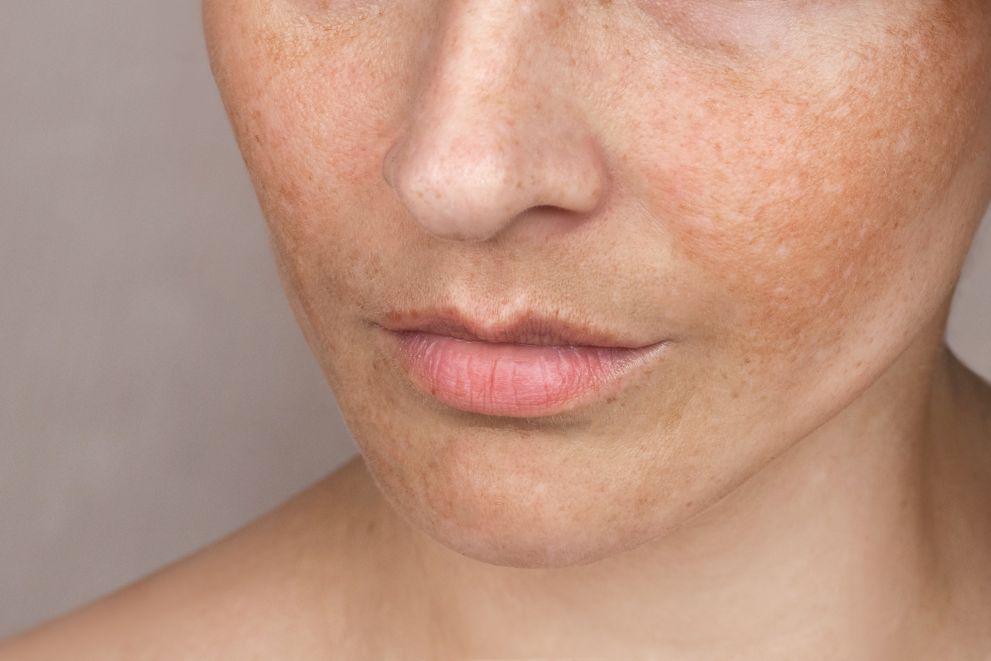
Dark spots, also known as melasma, hyperpigmentation, aging spots, or liver spots, are discolored patches of skin that appear darker than the surrounding skin, often caused by an overproduction of melanin within skin cells.
This process is driven by melanocytes, which are epidermal cells that produce melanin, the pigment that gives skin its color and helps protect it against ultraviolet (UV) radiation.
When melanocytes are overactive, excess pigment can accumulate in areas commonly exposed to the sun, such as the face, neck, shoulders, arms, and hands.
These dark spots are more prevalent and persistent in individuals with darker skin tones due to the higher activity of melanocytes in these skin types.
However, those with lighter skin tones are also prone to developing dark spots, which may become more noticeable with time but typically fade more quickly.
Watch the video below to learn more about common causes of dark spots on skin.
What causes dark spots on skin?
Dark spots are a natural result of aging, as skin cell turnover declines, allowing pigment and dead skin cells to accumulate on the surface rather than shed.
Years of UV radiation from excessive sun or tanning beds damage skin cells and prompt the skin to increase melanin production.
Nutrient deficiencies may also influence hyperpigmentation, as a lack of antioxidants, such as vitamin C, can impair the skin’s ability to neutralize free radicals.
Additionally, hormonal imbalances have been found to play a significant role in the development and severity of dark spots.
Estrogen dominance, due to factors such as pregnancy, hormone replacement therapy (HRT), or the use of birth control pills, directly activates melanocytes to create more melanin. Estrogen also increases the activity of tyrosinase, an enzyme that intensifies pigment synthesis.
Other hormones, such as insulin, can also stimulate melanocyte activity and promote uneven skin pigmentation.
Insulin resistance, a metabolic condition characterized by cellular resistance to absorbing glucose, triggers chronically elevated insulin levels that may contribute to persistent dark spots.
Finally, chronic stress can further contribute to dark spots by activating stress hormones, such as cortisol, which increases inflammation and disrupts skin barrier function.
The combination of inflammation and loss of skin barrier function can overstimulate melanocytes and impair the skin’s ability to repair itself, resulting in uneven tone and discoloration.
Tips to help reduce the appearance of dark spots
Dark spots often indicate underlying metabolic, hormonal, or inflammatory imbalances that can often be addressed through targeted dietary and lifestyle adjustments.
Here are seven tips to naturally improve the appearance of dark spots.
1. Prioritize antioxidant-rich foods
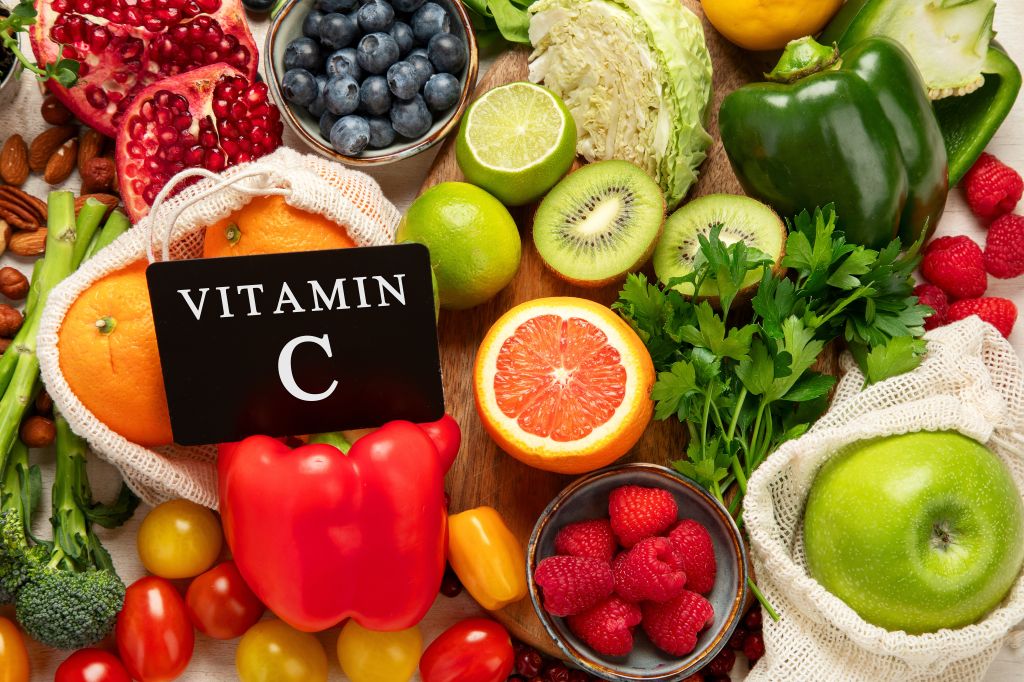
Free radical damage from UV exposure, pollution, and unhealthy lifestyle factors can stimulate excess melanin production, contributing to the formation of dark spots. This explains why dietary antioxidants, such as vitamin C and polyphenols, can play a crucial role in mitigating oxidative stress and reducing the severity of dark spots.
Vitamin C is essential for skin health, as it inhibits the enzyme tyrosinase while also supporting collagen synthesis and maintaining skin integrity. Foods rich in vitamin C include lemons, bell peppers, broccoli, and leafy greens.
In addition, various polyphenols found in cinnamon, green tea, and berries have potent antioxidant properties that may protect skin cells from damage, promote even pigmentation, and help fade dark spots when consumed as part of a nutritious diet.
2. Regularly consume cruciferous vegetables
Cruciferous vegetables, including broccoli, cauliflower, kale, and Brussels sprouts, are essential for those with estrogen-induced age spots.
These vegetables contain bioactive compounds, such as indole-3-carbinol (I3C) and diindolylmethane (DIM), that help the liver metabolize estrogen and promote hormonal balance, as well as support the clearance of harmful estrogen metabolites.
Sea kelp may also help lighten dark spots and manage estrogen dominance by blocking estrogen receptors, thereby improving the estrogen-progesterone balance and supporting hormone metabolism.
Evidence published in The Journal of Nutrition reports that dietary intake of sea kelp supports overall hormonal balance, which has been linked to a wide range of health benefits.
3. Increase your intake of B vitamins
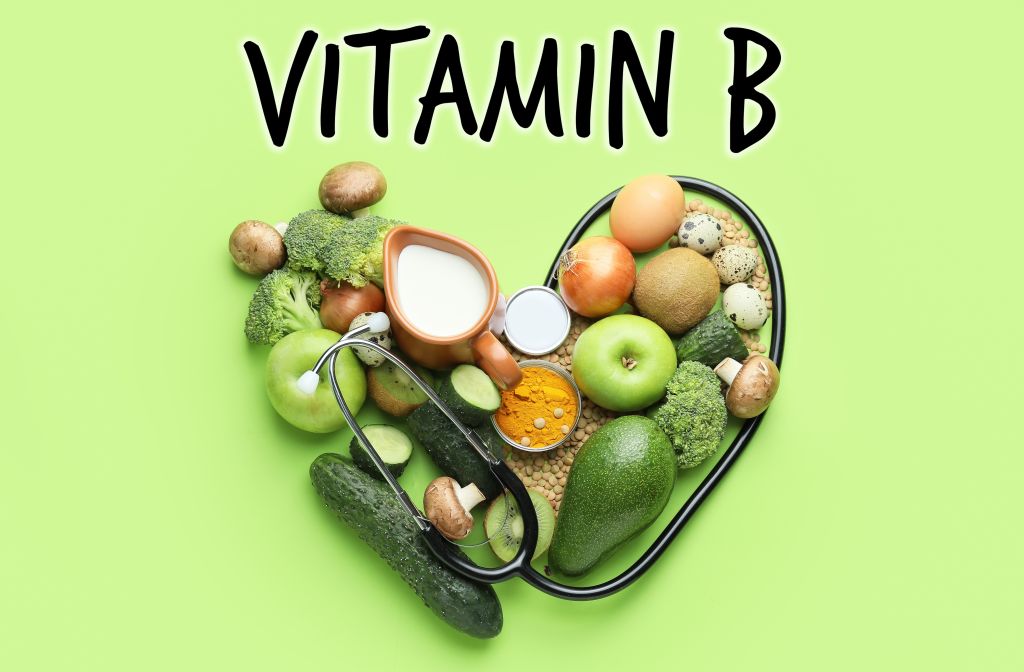
B vitamin deficiencies can impair skin regeneration, weaken barrier function, and contribute to uneven pigmentation and other skin changes.
Vitamins B3 and B12 are crucial for supporting healthy skin turnover, repairing damaged skin cells, and helping to reduce hyperpigmentation.
A healthy diet that focuses on nutrient-dense foods, such as eggs, grass-fed beef, fatty fish, and leafy green vegetables, provides bioavailable B vitamins.
These vitamins can improve the appearance of dark spots, promote a more even skin tone, and reduce post-inflammatory hyperpigmentation associated with skin conditions such as acne.
4. Support optimal vitamin D levels
Maintaining balanced vitamin D levels can help modulate inflammatory pathways that may contribute to excess melanin production through oxidative damage.
While more research is needed regarding age spots, a study published in Laboratory Investigation found that “Vitamin D insufficiency is associated with the severity of oxidative stress in vitiligo patients,” a pigmentation disorder.
The researchers demonstrated that vitamin D protects melanocytes from oxidative damage by activating cell-signaling systems that regulate cell proliferation and tissue maintenance.
In addition to consuming foods rich in vitamin D3, such as organ meats, wild-caught fish, and eggs, regular sun exposure paired with wearing protective clothing can help support healthy vitamin D levels while managing discolored skin.

5. Follow a nutritious ketogenic diet
Research published in Diabetes & Metabolism found that altered skin pigmentation is associated with insulin resistance, influencing melanocyte activity and worsening age spots.
Insulin resistance occurs when cells respond poorly to insulin and don’t effectively absorb glucose, which is primarily linked to excessive intake of sugar and carbohydrates.
A nutritious ketogenic diet limits net carbohydrate intake to less than 50 grams daily, emphasizing non-starchy vegetables, moderate protein, and healthy fats to stabilize blood sugar and insulin levels, which may improve the appearance of discolored skin.
6. Use a yogurt face mask
When used topically, plain, unsweetened, grass-fed yogurt may promote brighter-looking skin and fade superficial dark spots by encouraging skin cell turnover and balancing the microbiome.
“Plain yogurt contains lactic acid, a mild alpha-hydroxy acid that can gently exfoliate the skin and improve the appearance of hyperpigmentation over time,” explains Dr. Berg. “It also offers probiotics to strengthen the skin barrier and promote overall skin health.”
To support a radiant complexion, apply a thin layer of yogurt to the face, leave it on for approximately five minutes, and rinse thoroughly. For best results, use one to three times per week.
7. Consume zinc-rich foods
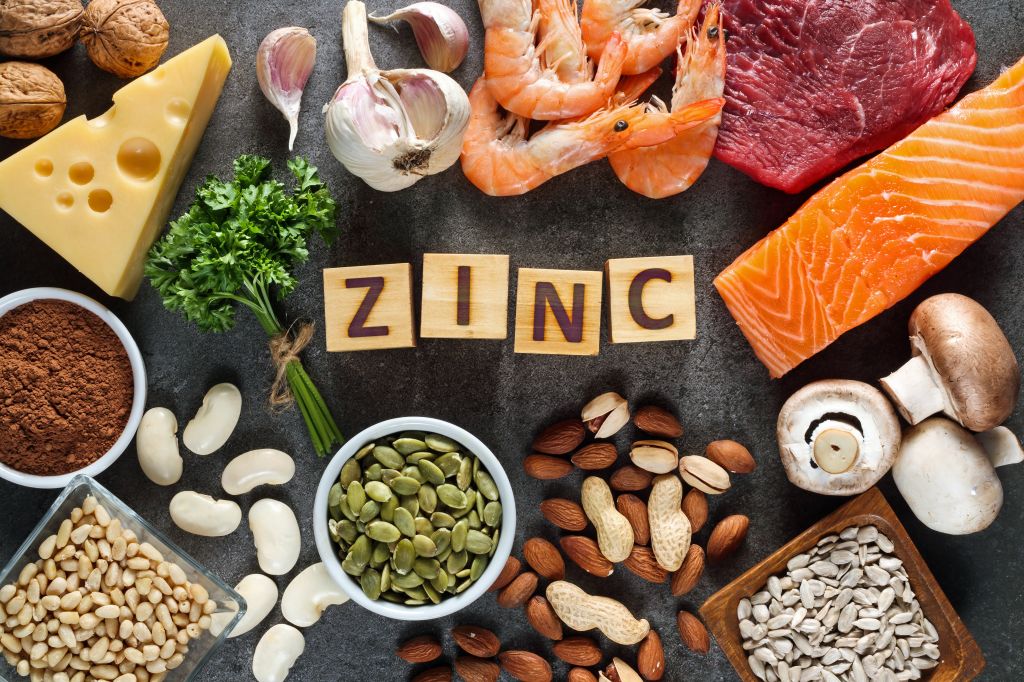
Zinc is an essential trace mineral that enhances wound healing, immune function, and inflammation regulation, all of which are vital factors for maintaining healthy skin.
Additionally, zinc plays a key role in skin repair and melanin production, reducing the risk of age spots.
A study published in the Journal of Cosmetic Dermatology found a strong association between zinc deficiency and the development of dark spots, with nearly 46 percent of patients diagnosed with the condition exhibiting low serum zinc levels.
Incorporating foods rich in zinc, such as oysters, grass-fed beef, pumpkin seeds, shellfish, and salmon, can help naturally boost intake and support skin health.
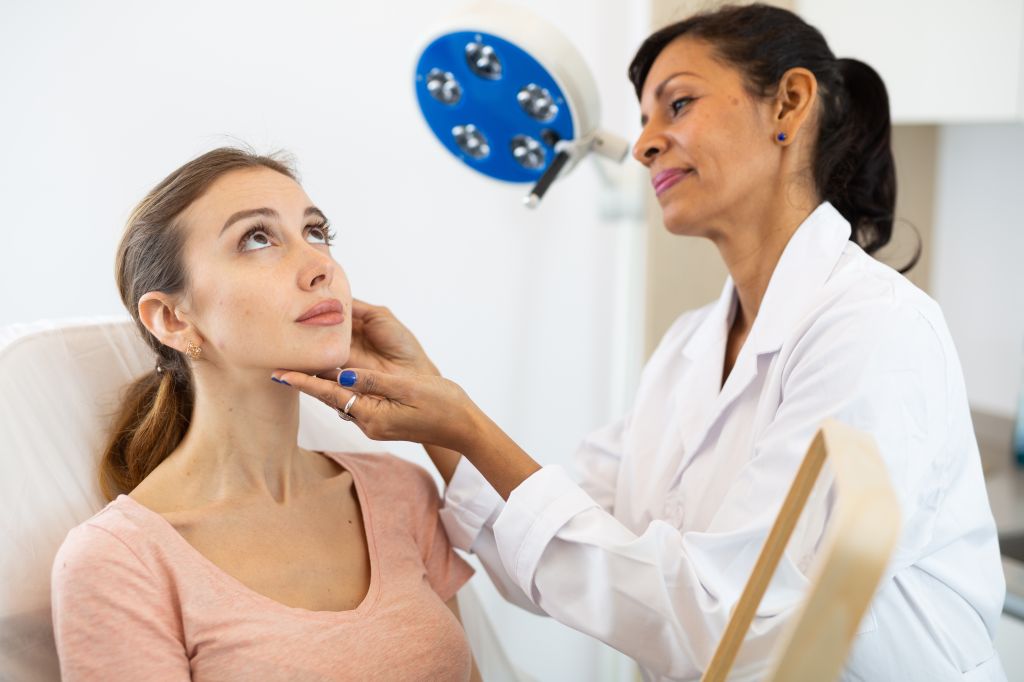
When to talk to your doctor or dermatologist
Although dark spots are a common and usually harmless sign of aging, sun exposure, or lifestyle factors, in some cases, they may indicate skin cancer, including basal cell carcinoma, squamous cell carcinoma, or melanoma.
Symptoms of skin cancer include dark spots that are:
- Asymmetrical
- Various colors
- Larger than a quarter of an inch
- Changing in size or shape
Additional warning signs include itching, bleeding, and failure to heal. If you suspect that a dark spot may be cancerous, professional evaluation and biopsy are critical for early detection and treatment.
Topical treatments, laser therapy, and chemical peels are commonly used to treat hyperpigmentation. However, your skin doctor may also help identify and address the underlying cause using a more natural approach.
Key takeaways
- Dark spots on skin, also known as melasma, often appear on the face, hands, neck, shoulders, and arms.
- These spots are often caused by aging, sun overexposure, nutrient deficiencies, hormonal imbalances, or may be a sign of an underlying condition, such as insulin resistance.
- Following a ketogenic diet rich in natural sources of antioxidants, B vitamins, vitamin D, and zinc can help replenish nutrient stores and reduce the risk of dark spots.
- Including grass-fed yogurt in your skin care routine may improve the appearance of dark spots and boost overall skin health due to its lactic acid and probiotic content.
- Consult your healthcare provider immediately if you experience spots that change in size, color, or are asymmetrical, as this could indicate skin cancer.
FAQ
- 1. What causes dark spots on skin?
- 2. What vitamin deficiency can cause dark spots?
- 3. Do dark spots go away?
- 4. Can dark spots on skin be cancerous?
Sources
- Skibola CF, Curry JD, VandeVoort C, Conley A, Smith MT. Brown Kelp Modulates Endocrine Hormones in Female Sprague-Dawley Rats and in Human Luteinized Granulosa Cells. The Journal of Nutrition. 2005;135(2):296-300. https://www.sciencedirect.com/science/article/pii/S0022316622100507
- Tang L, Fang W, Lin J, Li J, Wu W, Xu J. Vitamin D protects human melanocytes against oxidative damage by activation of Wnt/β-catenin signaling. Laboratory Investigation. 2018;98(12):1527-1537. https://www.sciencedirect.com/science/article/pii/S0023683722010625
- Nagata C, Konish K, Tamura T, et al. Skin pigmentation is inversely associated with insulin resistance in healthy Japanese women. Diabetes Metab. 2016;42(5):368-371. https://pubmed.ncbi.nlm.nih.gov/27161346/
- Rostami Mogaddam M, Safavi Ardabili N, Iranparvar Alamdari M, Maleki N, Aghabalaei Danesh M. Evaluation of the serum zinc level in adult patients with melasma: Is there a relationship with serum zinc deficiency and melasma? J Cosmet Dermatol. 2018;17(3):417-422. https://pubmed.ncbi.nlm.nih.gov/29131489/
Related Articles
-
Niacinamide vs. Niacin Supplements
 Nutrition
Niacinamide vs. Niacin Supplements
At a glance Niacinamide and niacin are both forms of vitamin B3, but there are key differences in how they function in the body. Niacin is associated with flushing and…07/03/2026 -
Does Bone Broth Break a Fast?
 Diet
DietDoes Bone Broth Break a Fast?
At a glance While bone broth is often considered fasting-friendly, it does contain calories and amino acids that can interrupt the metabolic state of fasting. While it’s rich in collagen,…03/27/2026 -
HPV Skin Tags: Causes and What to Do
 Health concerns
HPV Skin Tags: Causes and What to Do
At a glance While both skin tags and warts can be linked to human papillomavirus (HPV), they differ in appearance and how they affect the body. Targeted dietary and lifestyle…03/13/2026 16.6k views -
What Is the Top Cause of Rosacea?
 Health concerns
What Is the Top Cause of Rosacea?
At a glance Rosacea is a chronic skin condition marked by facial redness and discomfort. The cause of rosacea extends beyond the skin, with growing research highlighting the connection between…02/20/2026 8.1k views -
5 Natural Remedies for Ringworm and Prevention Tips
 Natural remedies
5 Natural Remedies for Ringworm and Prevention Tips
At a glance Ringworm is a common and highly contagious fungal skin infection that thrives in warm, moist environments. It can affect many areas of the body and is easily…02/06/2026 8.3k views -
8 Green Tea Benefits for Skin Health
 Skin health
8 Green Tea Benefits for Skin Health
At a glance Green tea is a rich source of antioxidants and polyphenols, including EGCG, which has profound skin health benefits. The anti-inflammatory, antimicrobial, and anti-aging properties of green tea…02/06/2026 19.6k views -
5 Causes of Itching and How to Get Relief
 Health concerns
5 Causes of Itching and How to Get Relief
At a glance Itching can be triggered by changes on the skin's surface or by factors such as everyday stress and hormonal imbalances. Common triggers include allergic reactions, inflammatory conditions,…01/23/2026 3.8k views -
Does Vitamin D Help with Acne?
 Skin health
Does Vitamin D Help with Acne?
At a glance Vitamin D plays important roles in immune regulation, microbial balance, and sebaceous gland activity, all of which may lower the risk of acne. Maintaining adequate sunlight exposure…01/08/2026 36.7k views -
Psoriasis Relief: Everyday Habits for Healthier Skin
 Health concerns
Psoriasis Relief: Everyday Habits for Healthier Skin
At a glance Psoriasis is an inflammatory skin condition marked by red, itchy, and scaly patches caused by rapid skin cell buildup. Symptoms can range from mild irritation to widespread…12/11/2025 5.3k views -
5 Spider Vein Natural Remedies
 Health concerns
5 Spider Vein Natural Remedies
At a glance Spider veins are often influenced by genetics, hormonal shifts, and circulatory factors. Natural remedies that support healthy circulation and vein integrity, combined with targeted lifestyle habits, may…11/20/2025 19.6k views


