

At a glance
Selenium is an essential mineral concentrated in the thyroid gland, playing a key role in hormone production, immune support, and antioxidant defense. Adequate dietary selenium intake helps convert thyroid hormones into their active forms, supports iodine balance, and aids in heavy metal detoxification.
The importance of selenium for thyroid health is often overlooked. Yet, this essential mineral plays a crucial role in thyroid hormone metabolism and may help reduce the risk of autoimmune thyroid disease.
Learn why selenium deficiency can contribute to underactive thyroid function and discover the best dietary sources of this key nutrient.
What is the thyroid?
The thyroid gland is an endocrine organ located beneath the Adam’s apple in the neck region. Its main role is to synthesize thyroid hormones, which regulate almost every aspect of the body’s metabolism.
Thyroid hormone biosynthesis is tightly controlled by an interplay between the hypothalamus and pituitary glands.
The hypothalamus signals the pituitary to release thyroid-stimulating hormone (TSH), which stimulates the thyroid gland to produce and secrete its main hormones, thyroxine (T4) and triiodothyronine (T3).
These hormones influence the rate at which the body converts food into energy, impacting weight management, temperature regulation, and overall energy levels.
Additionally, thyroid hormones play a vital role in growth and development, immune system balance, cardiovascular function, and digestive processes.
Because thyroid hormones play such a fundamental role in numerous physiological processes, impaired thyroid function can lead to a wide range of serious health issues.
Watch the video to learn why selenium is critical for individuals with autoimmune thyroiditis.
What is Hashimoto’s disease?
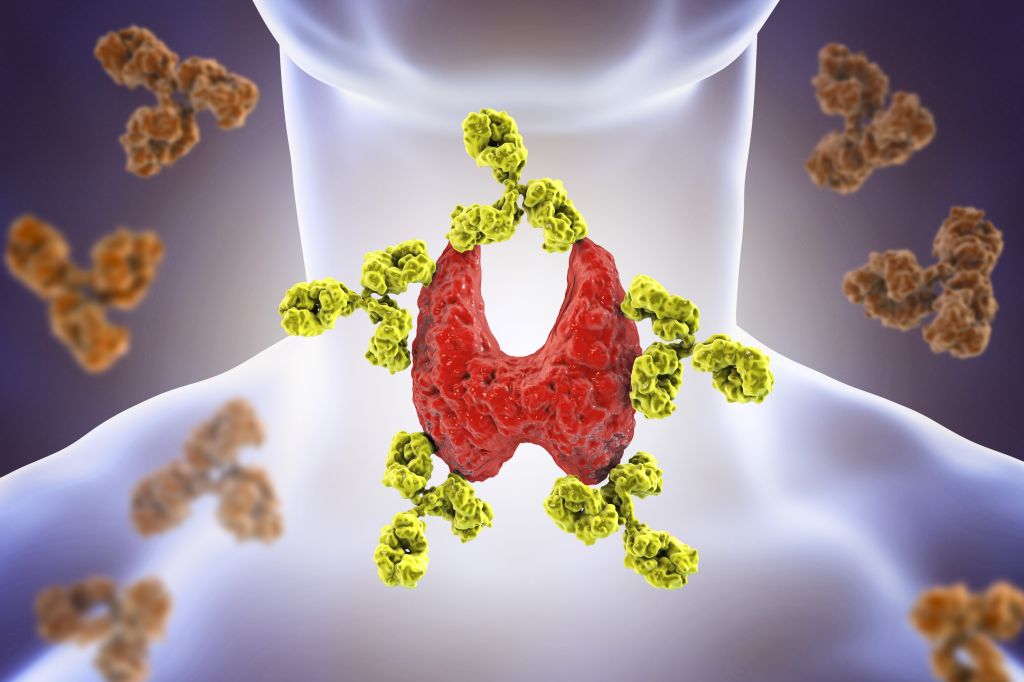
Hashimoto’s disease, also known as Hashimoto’s thyroiditis, is an autoimmune condition where the immune system mistakenly attacks the thyroid gland.
This disorder is characterized by the gradual destruction of thyroid tissue, leading to inadequate thyroid hormone metabolism and underactive thyroid function, often referred to as hypothyroidism.
According to research published in StatPearls, autoimmune-related hypothyroidism is one of the most common forms of underactive thyroid function and occurs more frequently in women aged 30 to 50.
It’s estimated that around 10 percent of women experience underactive thyroid function at some point in their lives, making it one of the most common endocrine diseases in Western countries.
Symptoms of Hashimoto’s disease are often subtle at first and may include fatigue, unexplained weight gain, sensitivity to cold, dry skin, hair loss, and constipation.
As the disease progresses, the thyroid’s ability to produce hormones diminishes, resulting in further metabolic and hormonal imbalances linked to an increased risk of cardiovascular disease, menstrual irregularities, infertility, and mental health issues.

Benefits of selenium for thyroid health
The thyroid gland contains the body’s highest concentration of selenium. This indicates its importance for maintaining optimal thyroid function and explains why a selenium deficiency can significantly contribute to various thyroid disorders.
Here are four key benefits of selenium for supporting thyroid health.
1. Promotes thyroid hormone balance
Selenium is an essential part of the enzyme iodothyronine deiodinase, which converts T4 into the more active form, T3.
Without adequate selenium, this conversion process can be impaired, leading to insufficient levels of T3, which is critical for regulating metabolic processes, energy levels, and overall physiological function.
Selenium also contributes to the activity of glutathione peroxidase, an antioxidant enzyme that protects thyroid cells from oxidative stress. This can help reduce inflammation and cellular damage linked to autoimmune attacks on thyroid tissue.
A study published in Thyroid reports that various thyroid enzymes are selenoproteins, meaning they require selenium for activation and effectiveness.
The authors conclude, “Reduced selenium levels have been observed in patients with autoimmune thyroid disease, including Hashimoto thyroiditis.”
2. Facilitates iodine balance
In addition to selenium, iodine is another vitally important nutrient for thyroid health as it serves as an essential building block for thyroid hormones.
Selenium-dependent enzymes are critical in maintaining iodine balance and ensuring that iodine can be effectively incorporated into thyroid hormones.
Specifically, these enzymes ensure that iodine is properly integrated into T4, which contains four iodine atoms, and T3, which contains three iodine atoms.
The relationship between selenium and iodine metabolism is also essential for the conversion of thyroid hormones, with selenium helping to convert inactive T4 into the active T3 form.
“Without adequate selenium, iodine deficiency can become more problematic as it impairs thyroid hormone production, exacerbating metabolic imbalances and thyroid-related disorders,” explains Dr. Berg.
3. Supports balanced immune function
Selenium is known for supporting balanced immune function, which is particularly important for individuals with autoimmune thyroid conditions such as Hashimoto’s disease.
It’s believed that selenium modulates the activity of various immune cells, which can help maintain balanced immune system function and reduce the risk of autoimmune attacks on thyroid tissue.
4. Helps detoxify heavy metals
Selenium is essential for detoxifying heavy metals, which have been found to negatively impact thyroid health.
Heavy metals such as mercury can accumulate in the body and disrupt thyroid hormone synthesis by interfering with the enzymatic processes involved in T4 to T3 conversion.
Selenium promotes heavy metal detoxification by facilitating the production of selenoproteins, which convert inorganic mercury into a less toxic form. This renders mercury less harmful and enables its elimination from the body, reducing its potential to disrupt thyroid function.
Signs of selenium deficiency
In addition to playing a critical role in thyroid function, selenium is essential for overall metabolic processes, immune system health, and antioxidant defense.
Unsurprisingly, selenium deficiency can lead to a wide range of health issues, including:
- Fatigue and weakness
- Weakened immune functions
- Thyroid issues
- Hair loss
- Mood changes
- Cognitive decline
- Reproductive problems
- Poor wound healing
- Joint pain
- Chronic inflammation
- Poor detoxification
- Skin changes
If you are concerned about your thyroid health or show signs of a selenium deficiency, it’s crucial to consult a medical professional for a thorough evaluation of your health status.
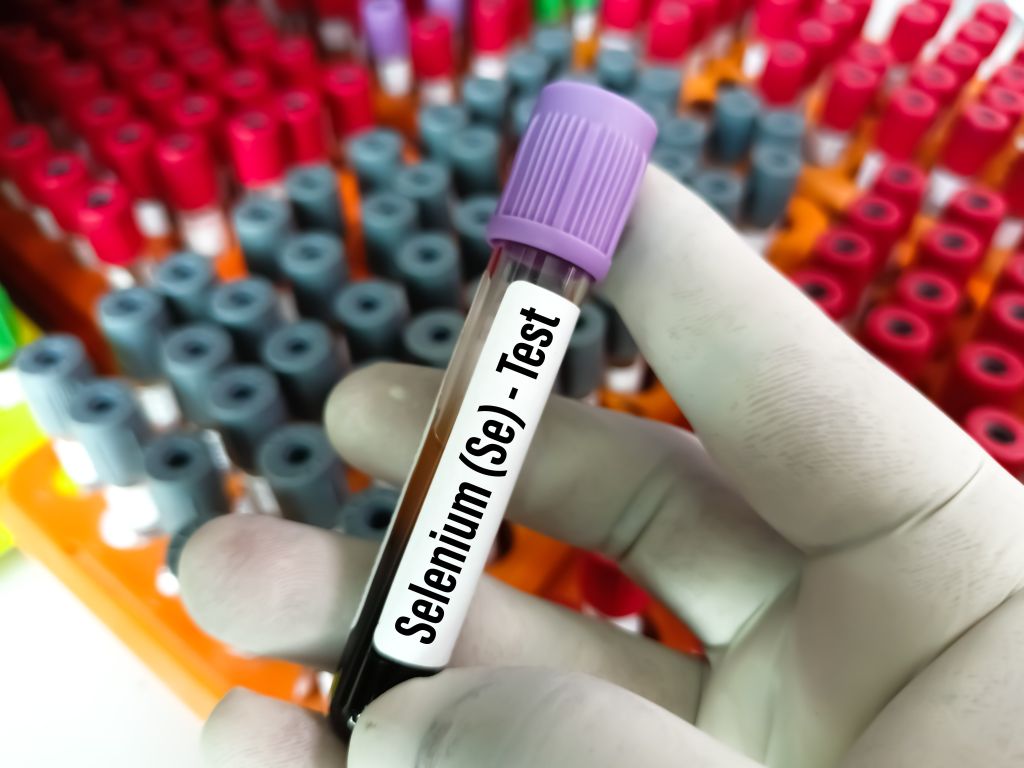
A doctor can conduct blood tests to assess selenium levels and thyroid function, which helps identify any deficiencies or imbalances that may be affecting your health.
Best sources of selenium
Maintaining optimal selenium levels relies on adequate dietary selenium intake, and it’s recommended that adults consume around 55 micrograms (mcg) per day.
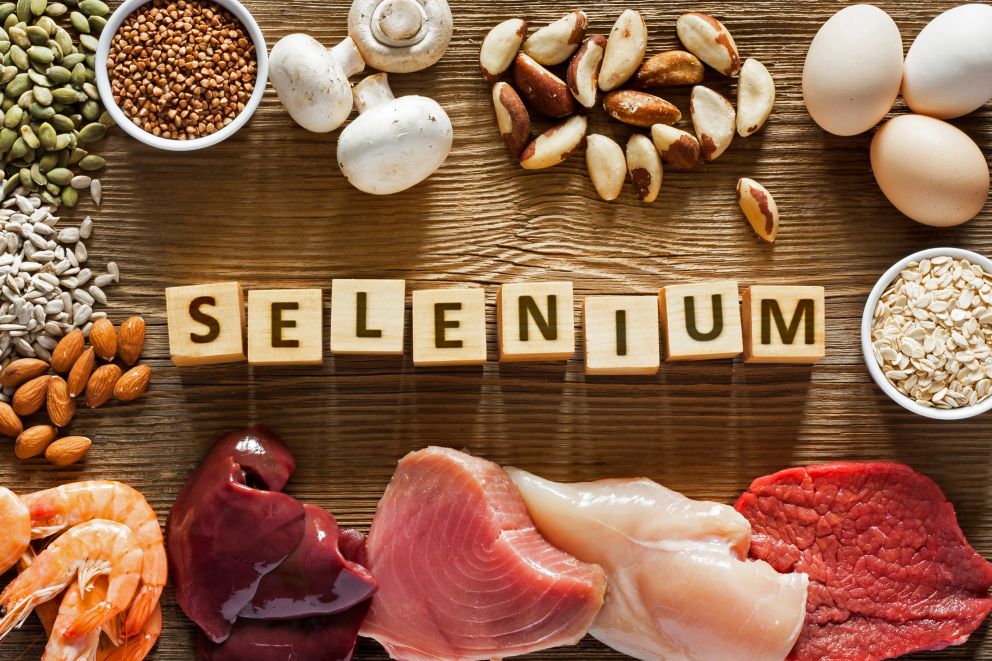
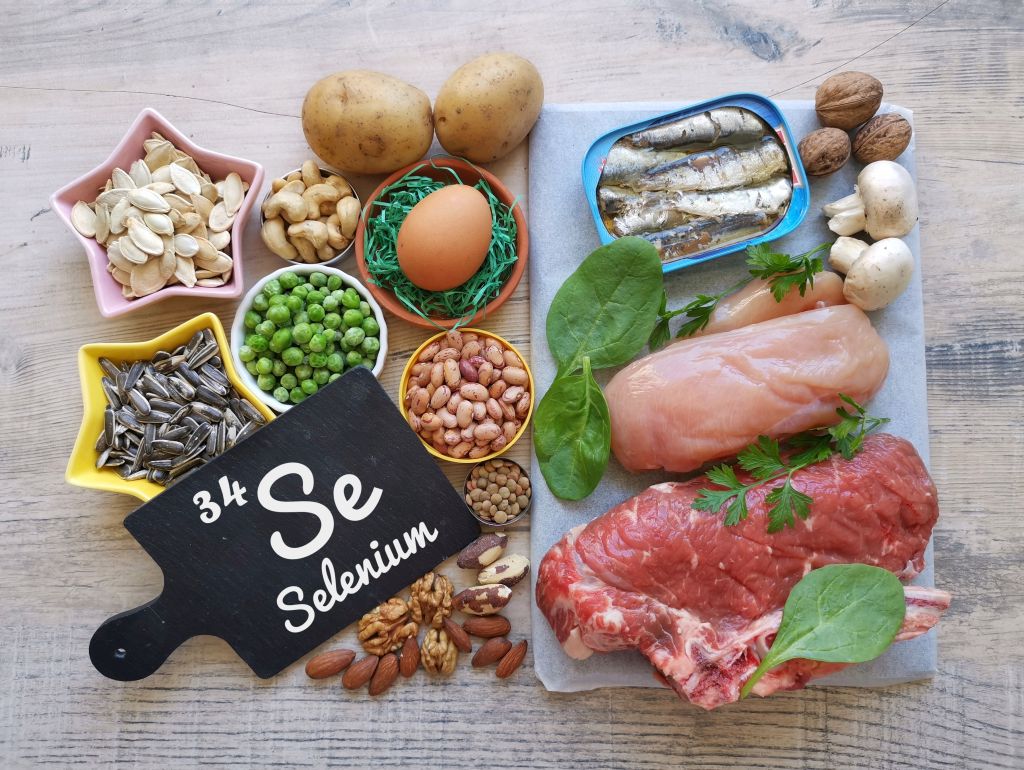
Brazil nuts are among the richest sources of selenium, with just one nut delivering more than double the recommended daily intake.
In addition to Brazil nuts, plenty of other foods, such as seafood, meat, dairy products, and eggs, help support optimal selenium balance and promote thyroid function.
Here are selenium-rich foods and their selenium content per 3 ounces (85 grams):
- Brazil nuts: 810 mcg
- Yellowfin tuna: 92 mcg
- Sardines: 45 mcg
- Halibut: 47 mcg
- Shrimp: 42 mcg
- Beef: 33 mcg
- Chicken: 24 mcg
- Turkey: 30 mcg
- Eggs: 19 mcg
- Sunflower seeds: 60 mcg
- Yogurt: 11 mcg
Key takeaways
- Selenium is critical for thyroid hormone metabolism, converting T4 into the active T3 form.
- This essential mineral supports balanced immune function, thereby reducing the risk of autoimmune attacks in conditions such as Hashimoto’s disease.
- Selenium-dependent enzymes play a crucial role in maintaining iodine balance, which is essential for balanced thyroid hormone production.
- Selenium also aids in detoxifying heavy metals, which can disrupt thyroid function.
- Dietary selenium sources include Brazil nuts, tuna, sardines, halibut, shrimp, beef, chicken, turkey, eggs, sunflower seeds, and yogurt.
FAQ
- 1. Can selenium help thyroid function?
- 2. What foods are rich in selenium?
- 3. What are the symptoms of selenium deficiency?
Sources
- https://www.ncbi.nlm.nih.gov/books/NBK459262/
- Huwiler VV, Maissen-Abgottspon S, Stanga Z, et al. Selenium Supplementation in Patients with Hashimoto Thyroiditis: A Systematic Review and Meta-Analysis of Randomized Clinical Trials. Thyroid. 2024;34(3):295-313. https://pubmed.ncbi.nlm.nih.gov/38243784/
Related Articles
-
What Is Polycystic Ovarian Syndrome (PCOS)?
 Health concerns
What Is Polycystic Ovarian Syndrome (PCOS)?
At a glance Polycystic ovarian syndrome (PCOS) is a hormonal condition characterized by immature ovarian follicles that can disrupt ovulation, menstrual cycles, and fertility. The condition is closely linked to…03/06/2026 42.3k views -
Iodine Deficiency and Ovarian Cysts: Is There a Connection?
 Health concerns
Iodine Deficiency and Ovarian Cysts: Is There a Connection?
At a glance Iodine deficiency has been linked to the development of ovarian cysts due to its effects on thyroid function, hormonal balance, and follicle development. Adequate iodine levels support…02/20/2026 52.6k views -
Top Causes of Hair Loss and Natural Solutions
 Health concerns
Top Causes of Hair Loss and Natural Solutions
At a glance Hair loss can result from stress, hormonal imbalances, nutrient deficiencies, genetic predisposition, and damage to the scalp or follicles. Understanding the top causes of hair loss and…04/09/2025 49.9k views -
The Thyroid Body Type
 Health concerns
The Thyroid Body Type
At a glance A thyroid body type is characterized by a slow metabolism, weight gain, and low energy. This body type is often associated with an underactive thyroid, which can…04/09/2025 53.1k views -
What Is LDL Cholesterol? Why It’s Not Always Bad
 Health concerns
What Is LDL Cholesterol? Why It’s Not Always Bad
At a glance LDL cholesterol is often linked to poor cardiovascular health, yet it also plays an important role in supporting cell structure, hormone production, and nerve function. Its impact…04/09/2025 33.4k views -
Hypothyroidism Diet: What to Eat and Avoid
 Health concerns
Hypothyroidism Diet: What to Eat and Avoid
At a glance Hypothyroidism refers to underactive thyroid function, which causes a slow metabolism and disrupts hormonal balance. A targeted hypothyroidism diet emphasizes nutrient-dense foods rich in iodine, selenium, and…04/09/2025 19.2k views -
Keto Ruined My Thyroid? Debunking Keto Myths
 Diet
DietKeto Ruined My Thyroid? Debunking Keto Myths
At a glance Some people worry that keto could ruin their thyroid, but research shows that a well-structured keto diet may support overall metabolic and hormonal balance when nutrients and…04/09/2025 10.4k views -
Keto and Hypothyroidism: Safety and Tips
 Health concerns
Keto and Hypothyroidism: Safety and Tips
At a glance Keto and hypothyroidism can be safely combined when approached with the right nutritional strategy. A Healthy Keto® plan emphasizes nutrient density and metabolic balance, which may help…04/09/2025 16.2k views -
Is Fluoride in Water Safe? What You Should Know
 Health concerns
Is Fluoride in Water Safe? What You Should Know
At a glance Fluoride is added to many public water systems and dental hygiene products to help reduce cavities, but long-term exposure may pose risks to overall health. Tap water…04/09/2025 9.3k views -
5 Common Thyroid Problems – Symptoms and Causes
 Health concerns
5 Common Thyroid Problems – Symptoms and Causes
At a glance The thyroid is a small gland located at the base of the neck that produces hormones essential for metabolism, energy production, and body temperature regulation. Its function…04/09/2025 45.1k views


