

At a glance
Post-meal habits can influence how the body responds after eating. During this period, digestion, blood sugar balance, insulin activity, and circulation all shift to help the body process and use nutrients. Understanding this response can help explain why light movement after meals may support metabolic health.
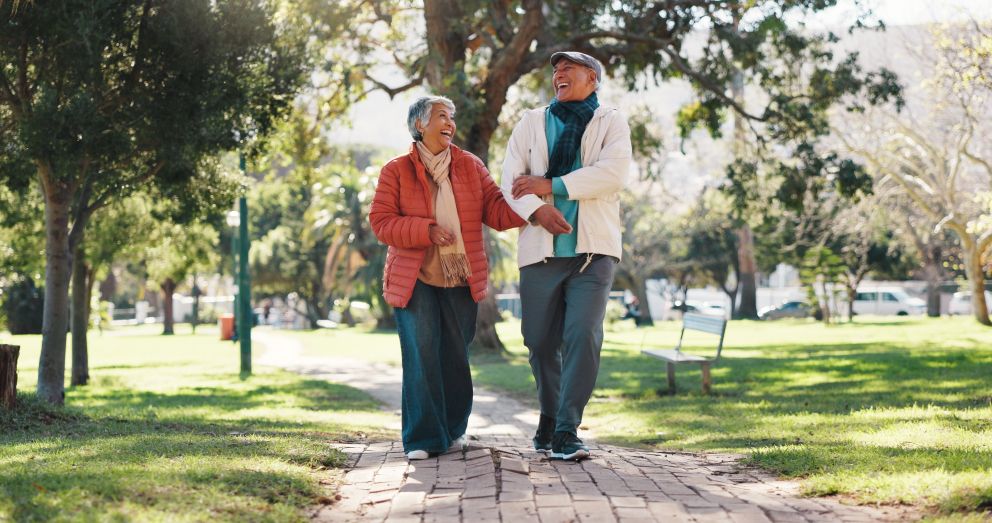
Walking after meals is a simple way to add light movement during the post-meal period, when the body is actively digesting food and managing changes in blood sugar.
This habit may support blood sugar control, digestion, and overall metabolic health when paired with a proper diet and regular exercise.
Discover why post-meal walks matter and how to add them to a healthy routine.
What is a post-meal walk?
A post-meal walk is a short, low-intensity walk taken after eating, typically within 30 minutes after a meal.
Unlike a structured walking program or a brisk walk done for cardiovascular fitness, a post-meal walk is meant to be gentle and easy to maintain. The goal is to add light movement while the body is digesting food rather than sitting for an extended period.
Walking after eating can be done outdoors, indoors, around the office, or even around the house. For many people, walking after dinner is the easiest place to start, as evening meals are often larger and followed by more sedentary time.
Watch the video below to learn more about the health benefits of walking.
What happens in the body after eating?
After a meal, the digestive system begins breaking food down into smaller compounds that can be absorbed and used immediately for energy or stored for later utilization.
Proteins are broken down into amino acids, fats are broken down into fatty acids, and carbohydrates are broken down into glucose. These nutrients pass through the intestinal lining and enter the bloodstream, where they’re transported to tissues throughout the body.
During this process, blood flow to the digestive system increases to support stomach acid production, enzymes are released, bile flows, and nutrient absorption occurs. Hormones involved in hunger, fullness, and blood sugar regulation also shift as the body determines how to process the incoming nutrients.
Blood sugar levels may rise after eating, especially after meals that contain carbohydrates. In response, the pancreas releases insulin, a hormone that helps move glucose from the bloodstream into cells, where it can be used for energy or stored for later.
This post-meal response is normal. However, meal size, food quality, digestive health, insulin sensitivity, stress levels, and physical activity patterns can all influence how efficiently the body processes nutrients after eating.
Because skeletal muscle is one of the body’s main sites for glucose use, remaining sedentary after meals may affect how the body handles the post-meal rise in blood sugar. This helps explain why even light movement after eating can influence the body’s metabolic response.
Benefits of walking after meals
Walking after meals is a simple habit that can support several areas of health beyond daily step count or weight management.
When done consistently, post-meal walks may help reinforce healthier metabolic patterns after eating.
Here are five potential benefits of walking after meals.
1. Supports blood sugar control
Walking after meals may help support blood sugar control by increasing glucose use during the post-meal period.
This is especially relevant after eating, when blood sugar levels may rise as nutrients enter the bloodstream. Muscle contractions during walking create an immediate demand for energy, which can help move glucose from the blood into muscle tissue.
Research suggests that this idea of walking after meals to lower blood sugar levels may be supported. A systematic review published in Sports Medicine found that post-meal movement timing can influence postprandial hyperglycemia, which refers to elevated blood sugar after eating.
The authors stated, “Exercise, i.e., walking, has a greater acute beneficial impact on postprandial hyperglycemia when undertaken as soon as possible after a meal rather than after a longer interval or before eating.”
2. Promotes insulin sensitivity
Insulin sensitivity refers to how effectively cells respond to insulin and take in glucose from the bloodstream.
Poor insulin sensitivity can make it harder for the body to manage the normal rise in blood sugar that occurs after eating.
“Walking after a meal can help make the body more responsive to insulin, which supports better blood sugar control,” explains Dr. Berg.
The American Diabetes Association states that physical activity can lower blood glucose for up to 24 hours or longer after exercise by making the body more sensitive to insulin.
3. Supports digestion
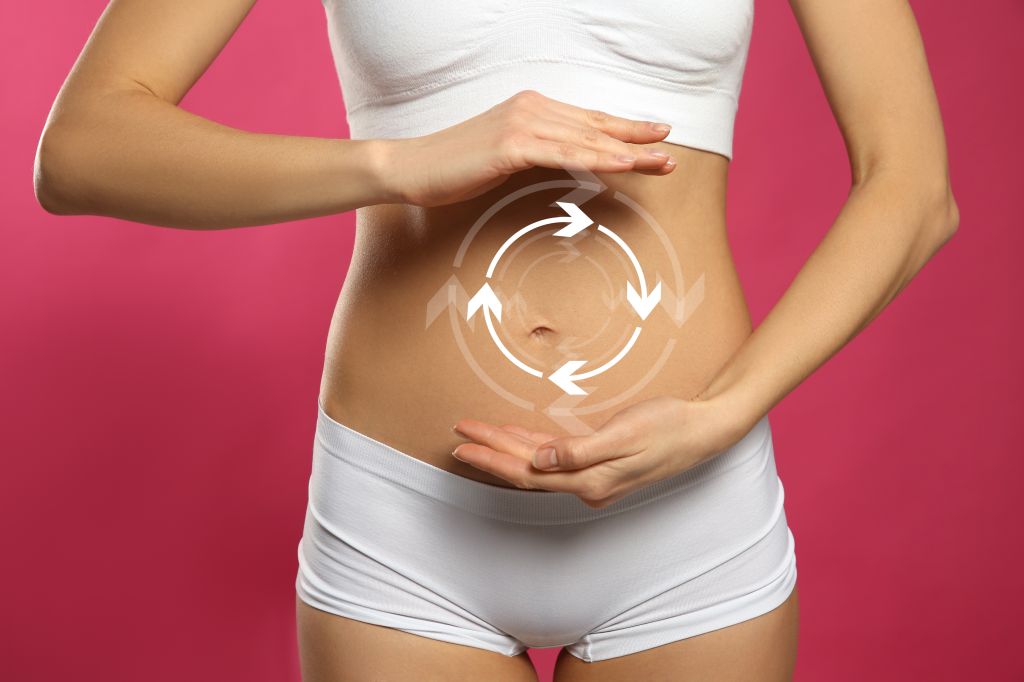
A short walk after eating may support digestion by encouraging normal movement through the stomach and intestines.
After a meal, the digestive system relies on coordinated muscle contractions, stomach acid, enzymes, and bile flow to break down food and move it through the gastrointestinal tract. Gentle movement may support this process without placing excessive stress on the stomach.
A study published in Gastroenterology and Hepatology From Bed to Bench found that short-term physical activity after meals was associated with significant improvements in gastrointestinal symptoms, including bloating, in healthy adults.
4. Helps reduce stress after meals
Walking can help support a calmer physiological state by promoting steady breathing, circulation, and nervous system balance.
This may be especially helpful after meals, as stress can interfere with digestive function and blood sugar regulation. Elevated cortisol, the body’s primary stress hormone, can influence glucose release, appetite, and metabolic balance.
5. Supports cardiovascular health
Walking after meals can support cardiovascular health by helping reduce sedentary time and increasing daily physical activity.
Regular walking is linked to several factors that support heart health, including healthy blood pressure, circulation, blood sugar balance, and weight management. These factors play an important role in long-term cardiovascular function.
A review published in Current Opinion in Cardiology found that walking may help lower blood pressure and improve other cardiovascular disease risk factors.
Tips for adding a post-meal walk to your routine
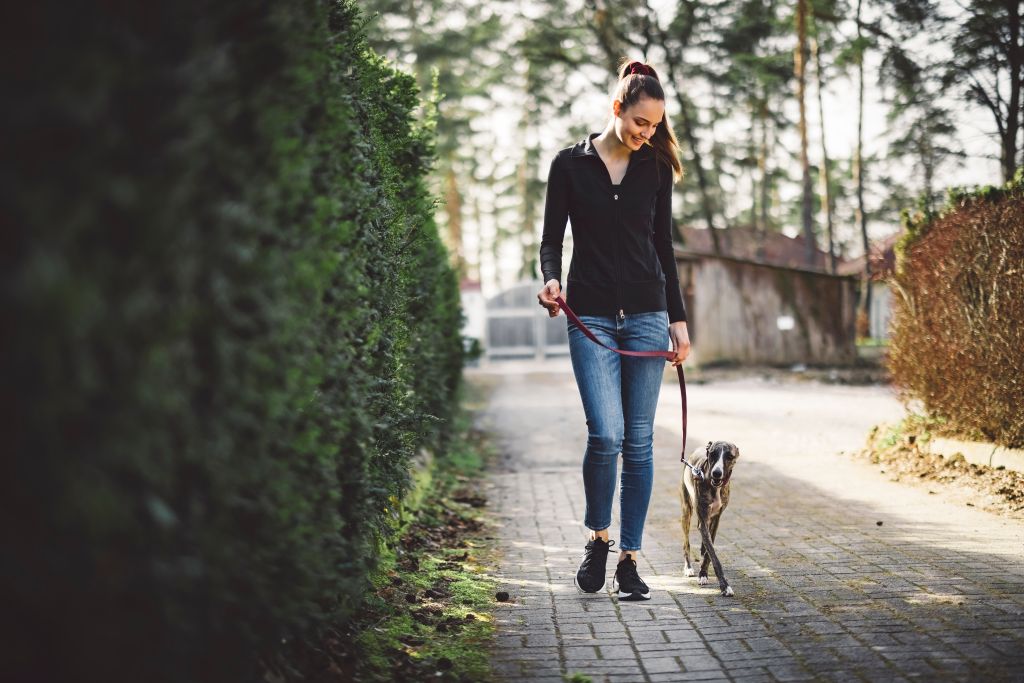
Walking after meals is easiest to maintain when it fits naturally into your existing routine. The goal is to start with a realistic habit that can be repeated consistently.
Here are five tips for adding a post-meal walk to your routine.
1. Walk soon after eating
Walking soon after eating may be especially helpful because the body is actively digesting food and managing the post-meal rise in blood sugar.
This doesn’t mean the walk needs to begin the moment a meal ends. However, walking within the first 30 minutes after eating can help support the body’s natural post-meal response.
A gentle walk is typically better tolerated than vigorous exercise during this time, especially after a larger meal.
2. Start with five to ten minutes
A post-meal walk can be short and still be useful.
Starting with five to ten minutes helps reduce prolonged sitting and makes the habit easier to repeat after meals. For those new to walking after eating, shorter walks are often more realistic than committing to a longer routine right away.
Over time, the duration can be increased based on comfort, schedule, and overall fitness level.
3. Keep the pace comfortable
Post-meal walking should feel light and sustainable, not strenuous.
A comfortable pace allows the body to move without placing unnecessary stress on the stomach while digestion is underway. This may be especially important for individuals prone to digestive issues such as gas, bloating, nausea, or stomach discomfort.
A simple guideline is to walk at a pace that still allows normal conversation.
4. Focus on your largest meal first
Walking after each meal may not be realistic for everyone. If you’re starting with one post-meal walk per day, choose the meal that is largest or most likely to be followed by sitting. For many people, this is dinner.
This approach can make the habit easier to maintain while still targeting a time when the body is processing a larger amount of food.
5. Build consistency before increasing duration
Consistency matters more than making each walk long or intense.
A short walk done regularly after meals can help establish a routine and make daily movement feel more natural. Once the habit is consistent, longer walks or a more structured walking program can be added if desired.
Key takeaways
- Walking after meals is a simple way to add light physical activity during the post-meal period, when the body is digesting food and processing nutrients.
- Post-meal walks may help support blood sugar control by encouraging active muscles to use glucose after eating.
- Walking after eating may provide even more benefits by also supporting digestion, stress regulation, insulin sensitivity, and cardiovascular health when practiced consistently.
- Starting with a short, comfortable walk after the largest meal of the day can make this habit easier to maintain.
FAQ
- 1. Is walking after meals good for you?
- 2. How long should you walk after eating?
- 3. Can walking after meals help with weight loss?
- 4. Is it better to walk before or after eating?
- 5. Can walking after meals help control blood sugar levels?


