


At a glance
Fasting involves limiting food intake so the body can use stored energy and maintain steady metabolic function. Coffee can be consumed during a fast, and plain black coffee generally doesn’t interfere with fasting. Potential effects can vary based on timing, how much coffee is consumed, and individual responses, influencing energy, focus, and the overall fasting experience.
Can you drink coffee while fasting? Yes, you can drink coffee while fasting, as long as it’s plain black coffee.
Black coffee has minimal impact on insulin or metabolism, but adding sugar or flavored creamers can interfere with fasting benefits by triggering an insulin response.
Discover how coffee affects fasting, the potential benefits of drinking coffee, and learn about other beverage options suitable for drinking during a fast.
What is fasting?
Fasting is the voluntary restriction of food intake for a defined period. It allows the body to rely on stored glucose (glycogen) for energy instead of incoming nutrients from regular food consumption.
As glycogen stores are depleted, the body shifts toward using fat for fuel. This transition is supported by a drop in insulin levels.
By undergoing this transformation, the body promotes metabolic flexibility and more stable energy use. Fasting may also activate cellular repair processes such as autophagy, which is when the body recycles and removes damaged cells.
Common fasting approaches include intermittent fasting (IF), one meal a day (OMAD), alternate-day fasting, and prolonged fasting periods lasting 24 hours or more.
During a fast, it is crucial to be mindful of what you ingest, as consuming anything that could cause an insulin spike will break it. When coffee is consumed during fasting periods, the type chosen matters for the success of the fast.
Watch the video below to learn about the potential benefits of drinking coffee.
Can you drink coffee while fasting?
Yes, plain black coffee doesn’t break a fast because it doesn’t disrupt the body’s fasting response or significantly spike insulin levels.
Research published in Current Developments in Nutrition found that black coffee doesn’t appear to impact fasting blood sugar or triglyceride levels, suggesting it’s unlikely to interfere with basic metabolic processes during a fast.
However, premade and sweetened coffee drinks often contain hidden ingredients such as syrups, artificial sweeteners, creamers, or flavorings that can lead to elevated blood sugar levels and alter the fasting response.
It’s important to choose plain, unsweetened coffee and check nutritional labels carefully to avoid ingredients that may interfere with fasting outcomes.
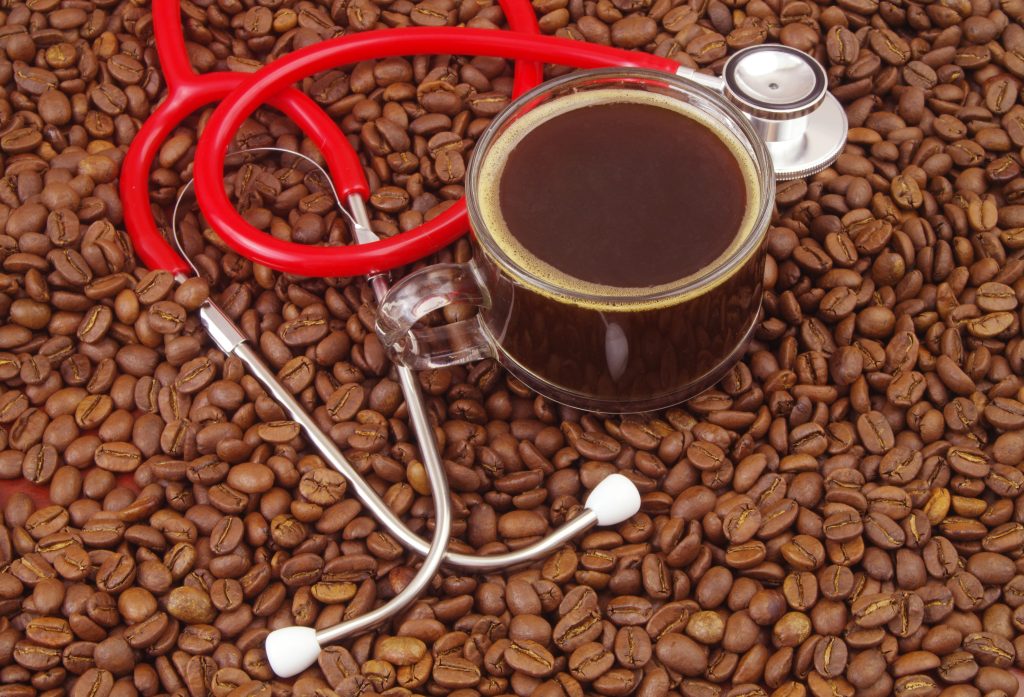
Five health benefits of drinking coffee
Coffee is one of the most widely consumed beverages, with over 60 percent of Americans drinking it daily.
During a fast, it may offer several benefits, including support for energy, focus, and appetite control.
1. Supports energy levels
Coffee contains caffeine, which stimulates the central nervous system and increases alertness during periods without food.
A study published in Cureus found that caffeine works by blocking adenosine, a brain chemical that promotes sleep and fatigue, allowing neurotransmitters like dopamine and norepinephrine to remain active.
These effects may help maintain mental clarity and productivity, especially during longer fasting periods when energy levels tend to drop. However, coffee intake is not a sustainable energy source and should not be relied on regularly for staying awake.
2. Enhances focus and alertness
Alertness and focus can improve as caffeine reduces feelings of tiredness and enhances mental clarity.
Evidence published by the Institute of Medicine shows that for healthy adults, moderate caffeine intake (around 75 to 300 milligrams) can improve attention and help maintain alertness for several hours, even with mild sleep deprivation.
At higher amounts, however, the study found an increased likelihood of tension or restlessness, while typical intake levels remain associated with improved cognitive performance. This highlights the importance of moderate intake to prevent ill effects on brain health.

3. May curb appetite
Drinking coffee during a fast may aid with appetite suppression, which is helpful for those who have not fully adjusted to fasting and still struggle with food cravings.
A study published in Obesity found that participants who consumed 200 ml of coffee with high concentrations of caffeine ate less at their next meal. These findings suggest that caffeine may support better control over food cravings during a fasting period due to appetite suppressing effects.
4. Promotes fat use
“Caffeine can increase fat burning by stimulating the release of adrenaline, which helps break down stored fat into fatty acids that the body can use for energy,” explains Dr. Berg.
By promoting the breakdown of fatty acids into a usable energy source, caffeine helps increase fat use and weight loss, which is beneficial for those hoping to use fasting for weight management.
5. May reduce inflammation
Coffee contains bioactive compounds, including polyphenols and diterpenes, that can help the body regulate inflammation.
Lower levels of inflammation are associated with improved metabolic health and reduced stress on the body during fasting.
Research published in Antioxidants highlights how compounds in coffee oils, such as cafestol and kahweol, may contribute to these effects.
These substances can help support the body’s inflammatory response and may also influence cholesterol levels.

Downsides of drinking coffee while fasting
Coffee can affect how the body responds during a fast, especially when consumed in higher amounts or on an empty stomach. Regular coffee consumption can also lead to dependence, causing headaches during periods of low-caffeine intake.
Excessive caffeine intake can overstimulate the nervous system, leading to shakiness, increased heart rate, or heightened stress response in sensitive individuals. Increased stomach acidity may also cause irritation or reflux when coffee is consumed without food.
These effects may influence comfort, sleep, and overall tolerance during fasting periods.
Excessive coffee consumption during fasting may also lead to:
- Increased nervous system stimulation
- Digestive discomfort when drunk on an empty stomach
- Disrupted sleep patterns
- Elevated stress hormone response
If, after drinking coffee, you notice any of these effects having a significant impact, it is important to consult a healthcare provider.

Other beverages to drink while fasting
Some individuals may not want to drink black coffee, but still want other beverage options that work with their fasting routine. While water remains the most effective choice for hydration, some additional beverages can provide support during a fast without introducing ingredients that may interfere with metabolic responses.
Herbal teas, such as peppermint or chamomile, are also generally fine, as they add flavor without caffeine and may promote digestion and relaxation. For a mild energy boost, green tea provides a low amount of caffeine along with compounds like catechins that may support metabolic activity.
Black tea delivers a lower caffeine content than coffee and may be easier to tolerate during fasting. When consuming tea during a fast, it is important not to use high-calorie additives like honey, table sugar, or milk, as these can spike insulin levels.
Sparkling and carbonated water can add variety while helping maintain fluid intake, as long as it contains no added sweeteners or flavors. Additionally, those on a fast can benefit from drinking an electrolyte powder, as long as it contains no sugar or other high-calorie additives.
Key takeaways
- Plain black coffee doesn’t break a fast, but added ingredients such as flavored creamers, sugar, or artificial sweeteners can interfere with fasting benefits.
- Caffeine can enhance alertness and mental performance, especially during longer fasting periods when energy levels tend to decline.
- Coffee may cause jitteriness, digestive discomfort, or sleep disruption when consumed in higher amounts.
- Other fasting-friendly beverage options include herbal teas, black tea, sparkling water, carbonated water, or a sugar-free electrolyte powder.
FAQ
- 1. What can I put in coffee that won’t break my fast?
- 2. What drinks won’t break a fast?
- 3. Can you drink coffee with milk while intermittent fasting?
- 4. What’s the best thing to drink while fasting?
- 5. Can I drink bulletproof coffee during a fast?


