


At a glance
Added sugars are often listed under many different names, which can make them difficult to recognize on ingredient lists. A single product may contain multiple types of added sugar, each listed separately, making the total amount of sugar less obvious. Understanding how these ingredients are labeled can provide greater clarity when evaluating packaged foods.
Many packaged foods contain added sweeteners listed under unfamiliar names, making it difficult to recognize how much sugar you’re actually consuming.
Understanding the most common names for added sugar can improve label awareness and help guide food choices.
Discover how to identify these ingredients and what they mean on nutrition labels.
What are added sugars?
Added sugar refers to sugars that are incorporated into foods during processing or preparation, rather than sugar that is naturally present in the food.
Common examples of added sugars include table sugar, high-fructose corn syrup, and various syrups and concentrates used in packaged products. This differs from sugars found in whole foods such as fruit and dairy, which are part of the food’s original structure.
Sugars are most commonly added to processed foods and beverages such as sweet baked goods, soft drinks, sports drinks, energy drinks, flavored yogurts, breakfast cereals, and snack products.
However, added sugars are not limited to sweet foods. They may also be found in products such as salad dressings and pasta sauces.
These added sugars can appear under a wide range of names, which can make them difficult to recognize on ingredient lists.
Watch the video below to learn how food labels can be misleading.
Why you should avoid added sugar
Added sugars are widely consumed in modern diets, particularly through processed foods and beverages. Unlike naturally occurring sugars in whole foods, added sugars are often consumed in concentrated forms and can contribute to excess overall intake.
In addition to increasing total sugar intake, added sugars are often consumed in liquid or refined forms that are less satiating, which can make it easier to consume more calories without feeling full.
A study published in Nature Reviews Endocrinology found that sugar-sweetened beverages are one of the largest contributors to added sugar intake, with a typical 12-ounce serving of soda containing 35 to 37.5 grams of sugar. Higher intake has been linked to weight gain and increased cardiometabolic risk.
The authors stated that sugar-sweetened beverages, or SSBs, “contribute to chronic disease risk through weight gain, through development of risk factors precipitated by adverse glycaemic effects, and through hepatic metabolism of excess fructose from sugars in SSBs.”

In addition to their impact on overall intake, added sugars and syrups are rapidly absorbed and can increase the delivery of glucose and fructose to the liver, where they are involved in pathways that influence triglyceride production and insulin response.
Research published in Critical Reviews in Clinical Laboratory Sciences found that eating and drinking higher amounts of added sugars, particularly sucrose and high-fructose corn syrup, is associated with elevated triglycerides, increased liver fat (which can lead to fatty liver disease), and reduced insulin sensitivity.
Higher intake of added sugars has also been linked to markers of heart health. A study published in Open Heart suggests that increased intake of added sugars, particularly fructose, may contribute to high blood pressure and the development of hypertension.

Common names for added sugars
Added sugars can appear under many different names, which makes them difficult to identify on ingredient lists.
Manufacturers may use multiple types of sugar within a single product. Because they are all listed separately on the ingredient list, this can make the total amount of added sugar in many foods less obvious.
Common names for sugars found on food labels include:
- Cane sugar
- Brown sugar
- Raw sugar
- Beet sugar
- Evaporated cane juice
- High-fructose corn syrup
- Brown rice syrup
- Barley malt syrup
- Maple syrup
- Agave nectar
- Honey
- Fruit juice concentrate
- Dextrose
- Fructose
- Glucose
- Maltose
- Sucrose
Many added sugars follow recognizable naming patterns. Words ending in “-ose,” such as glucose, fructose, and maltose, are typically forms of sugar.
These varied names, combined with the use of multiple sugar sources, can make it difficult to recognize how much added sugar a product contains at a glance.
What “no added sugar” means on a label
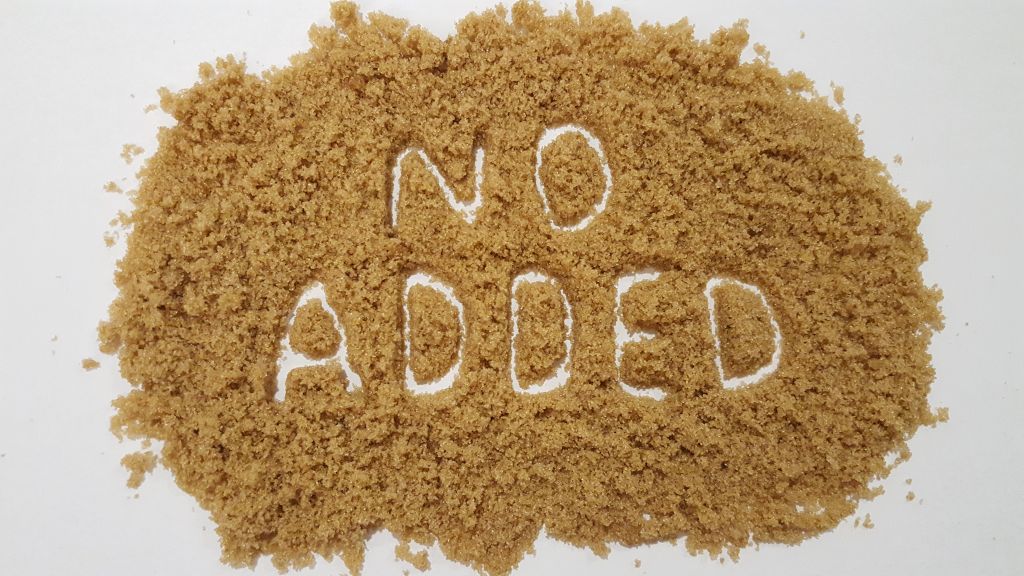
“No added sugar” is a regulated claim that indicates no sugars were added during the processing or preparation of a food product.
However, this does not mean the product is free of sugar. Foods labeled “no added sugar” may still contain naturally occurring sugars, such as those found in various fruits or dairy products like milk.
Reviewing both the ingredient list and the nutrition facts provides a more complete understanding of a product’s total sugar content, including the total grams of sugar.
Key takeaways
- Added sugars can appear under many different names on ingredient lists. This makes it easy to consume too much added sugar without realizing it.
- Consuming added sugar, particularly from sugar-sweetened beverages and sources such as sucrose and high-fructose corn syrup, has been linked to weight gain, increased cardiometabolic risk, elevated triglycerides, increased liver fat, and reduced insulin sensitivity.
- Ingredients ending in “-ose,” such as glucose, fructose, and maltose, are typically forms of sugar.
- Products labeled “no added sugar” may still contain significant amounts of total sugar, so reviewing both the ingredient list and the nutrition facts panel can provide a more complete picture.
FAQ
- 1. What are the most common names for added sugars?
- 2. Is fruit juice concentrate considered added sugar?
- 3. Why do products use multiple types of sugar?
- 4. Do natural sugars count as added sugar?