

At a glance
Modified food starch is a widely used food additive and thickening agent. However, it may affect metabolic balance and gut health, particularly when consumed as part of an ultra-processed diet. Understanding common food sources and the potential health risks of modified food starch can help you make more informed dietary choices.
Modified food starch is a common additive used for improved stability, texture, and consistency in processed foods. However, its effects on blood sugar and insulin regulation have raised concerns about metabolic health and overall well-being.
Learn how modified starch is used in food manufacturing, its possible health risks, and how to read labels to identify and avoid this potentially harmful ingredient.
What is modified food starch?
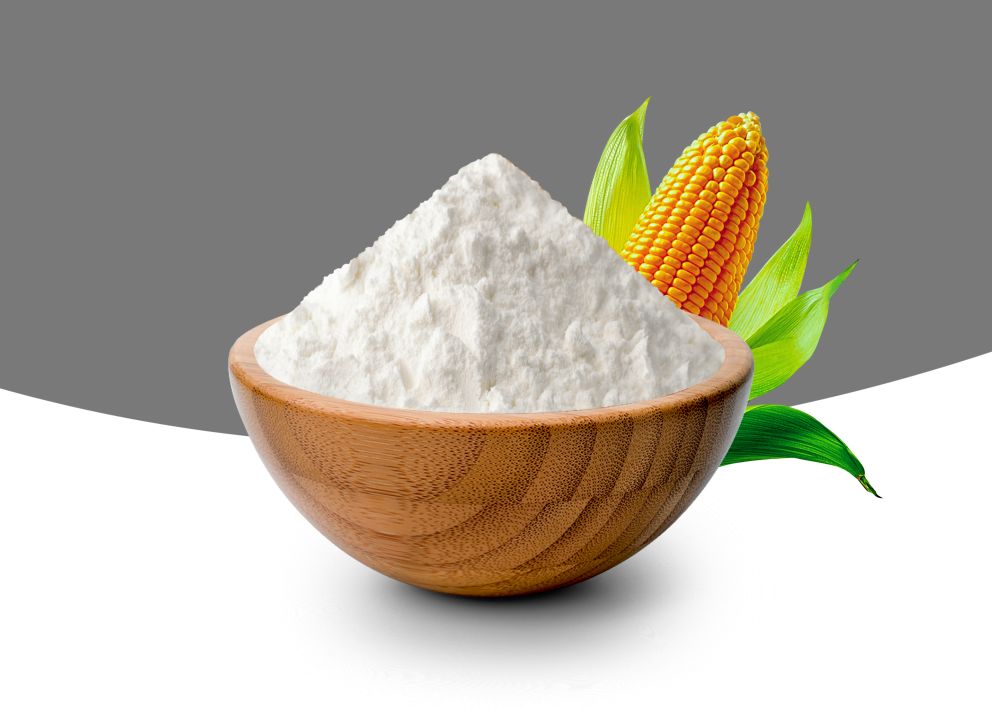
Modified food starch is a type of processed carbohydrate derived from corn, waxy maize, potatoes, or tapioca that has been physically, chemically, or enzymatically altered.
This polysaccharide differs from native starches, such as cornstarch, which remain in their natural, unmodified form after extraction. Modified cornstarch, however, is not considered native, as it is an ingredient that is heavily altered rather than merely extracted.
In most cases, modified starch is gluten-free. However, it can also be derived from wheat starch granules, in which case it must be clearly labeled as “modified wheat starch” or “modified food starch (wheat).”
Watch the video below to learn why modified food starch is worse than sugar.
Why modified food starch is used in foods
Modified food starch is widely used across many food applications, as it’s a more reliable additive and thickening agent than native starch under demanding processing conditions.
Food manufacturers create and utilize these starches as they are stable and extend the shelf life of processed and frozen foods, helping products maintain consistent texture and structure.
The freeze-thaw stability of modified food starch also helps prevent separation, sedimentation, and water loss during repeated freezing and thawing, allowing foods to better withstand temperature fluctuations during storage and transport.
Modified food starch also performs well under high heat, enabling it to thicken liquids such as sauces, soups, and gravies without breaking down or losing viscosity.
These properties help maintain the intended texture and consistency of a wide range of processed foods from production to consumption.
Concerns around modified food starch
Modified food starch is a common ingredient in processed foods, but concerns about its use have grown due to its potential effects on digestion, metabolic health, and overall food quality.
Here are five reasons you should consider removing modified food starch from your diet.
1. Lacks nutrients
Modified starch is highly refined and stripped of fiber and nutrients, resulting in ultra-processed foods (UPFs) with little to no nutritional value.
A study published in Nutrients found that UPFs account for up to 80 percent of total caloric intake in the U.S. and Canada, thereby increasing the risk of nutrient deficiencies.
The researchers concluded, “Increased UPF intake correlated with…a decrease in fiber, protein, potassium, zinc, and magnesium, and vitamins A, C, D, E, B12, and niacin.”
2. Linked to metabolic imbalances
Starch molecules are broken down into glucose during digestion, leading to rapid elevations in blood sugar and insulin levels similar to those triggered by simple sugars.
In the Standard American Diet (SAD), starch intake often exceeds fiber intake, reducing the buffering effect of dietary fiber on glucose levels and insulin responses.
This disparity may increase the risk of metabolic imbalances, including insulin resistance, obesity, and type 2 diabetes.
3. Genetically modified
Genetic modification is another concern, as the intake of genetically modified (GMO) crops has been associated with a wide range of potential health risks.
Most modified starches are derived from GMO corn contaminated with glyphosate, a chemical herbicide linked to several negative health effects.
Research published in the International Journal of Molecular Sciences found that glyphosate displayed a significant toxic effect on neurotransmission, increased oxidative stress, and may contribute to cancer development.
4. Disrupts microbial gut balance
Modified starch may alter the gut microbiota by reaching the intestines undigested, serving as a fermentable substrate for bacteria.
This can promote an imbalance between beneficial and harmful bacteria, potentially contributing to dysbiosis, small intestinal bacterial overgrowth (SIBO), and symptoms such as bloating and gas.
A study published in The Journal of the Louisiana State Medical Society found that the intake of modified food starches has been linked to diarrhea, malabsorption, and changes in gastrointestinal flora in infants and children.
5. May be contaminated with chemicals
Starches are chemically modified with oxidizing agents, such as sodium hypochlorite—commonly known as chlorine bleach—to alter their functional properties.
While this helps improve the texture and shelf life, it also produces starches that differ significantly from those found in whole foods.
“The Food and Drug Administration (FDA) recognizes modified food starch as safe, but there is limited evidence evaluating its long-term health effects,” explains Dr. Berg. “This is particularly relevant considering the quantities commonly consumed in the average American diet.”
Common foods that contain modified food starch
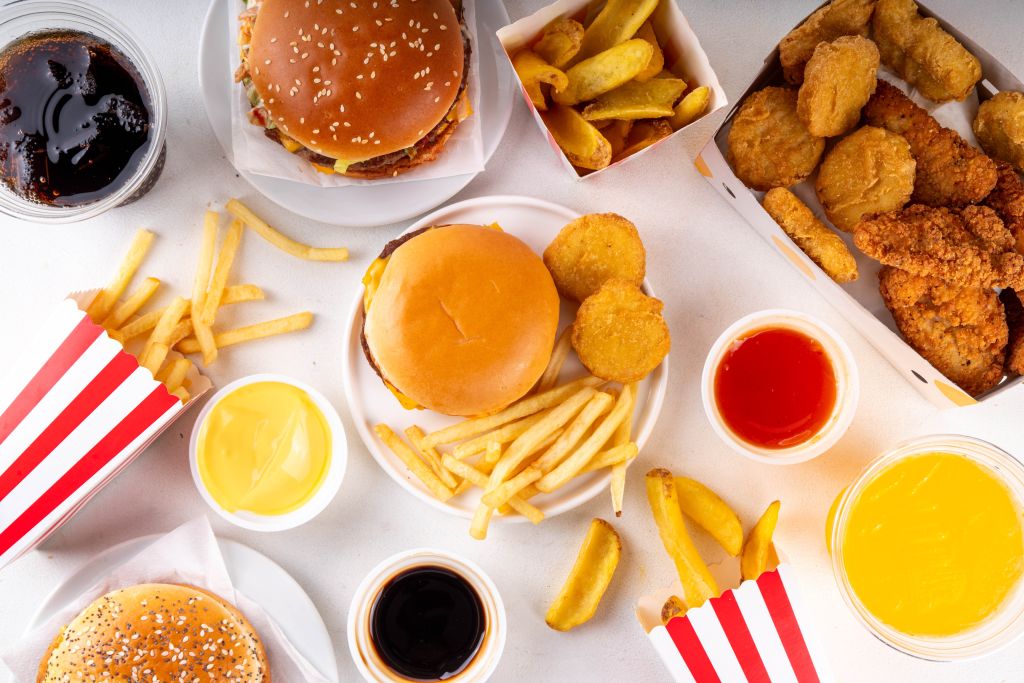
Modified starch is widely used in processed food products where texture and stability are important.
Common sources of these highly processed ingredients include packaged and convenience foods, such as canned soups, instant noodles, and frozen meals. In such foods, starches are most often used to maintain thickness and prevent separation.
It’s also frequently added to condiments, including ketchup, salad dressings, cheese sauces, and gravies.
Dairy products and dairy alternatives, such as yogurt, pudding, and ice cream, are also often formulated with modified starch to enhance creaminess.
Other foods that contain modified food starch include:
- Baby food and infant formulas
- Processed meats, such as deli meat, meat sticks, and cured meats
- Snacks, like chips, crackers, and coated nuts
- Candies and baked goods, including cakes, cookies, and pastries
How to spot modified food starch on a label
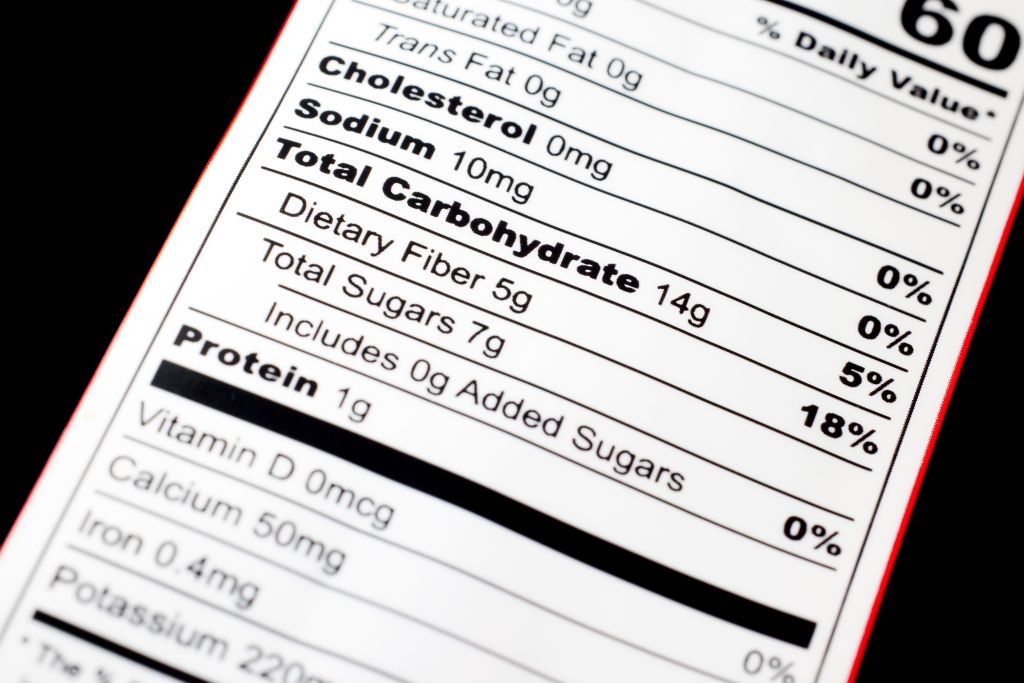
Modified food starch can be labeled under several names, making it challenging to spot this additive on food ingredient lists.
Alternative names for modified food starch include:
- Corn flour
- Corn syrup solids
- Dextrin
- Food starch or starch
- Maltodextrin
- Modified cornstarch
Carefully reading labels can help you identify hidden ingredients and make healthier choices.
However, choosing whole, minimally processed foods is the simplest way to avoid modified starches and starch derivatives.
Key takeaways
- Modified food starch is a highly processed ingredient used as a thickener to enhance texture, stability, and shelf life in many packaged and frozen foods.
- It can contribute to rapid fluctuations in blood sugar and insulin levels, increasing the risk of metabolic imbalances such as insulin resistance, obesity, and diabetes.
- Many of these starches are chemically modified with harsh chemicals, such as chlorine bleach, and are derived from glyphosate-contaminated GMO corn.
- Modified starch is found in a wide range of processed foods, including frozen meals, deli meats, baked goods, candies, packaged snacks, and baby food and formula.
- Carefully reading labels can help you identify alternative names for modified food starch, including maltodextrin, modified cornstarch, and corn syrup solids.
FAQ
- 1. What is modified food starch?
- 2. Is modified food starch bad for you?
- 3. Is modified food starch gluten-free?
- 4. Is modified food starch the same thing as maltodextrin?
- 5. Is modified food starch the same as cornstarch?


