

At a glance
Cravings for fatty foods are often linked to bile insufficiency, impaired fat digestion, and underlying hormonal or nutritional demands that signal the body’s need for more fat. Supporting liver and gallbladder function, prioritizing adequate whole-food fats, and following a Healthy Keto® diet can help reduce cravings and restore metabolic balance.
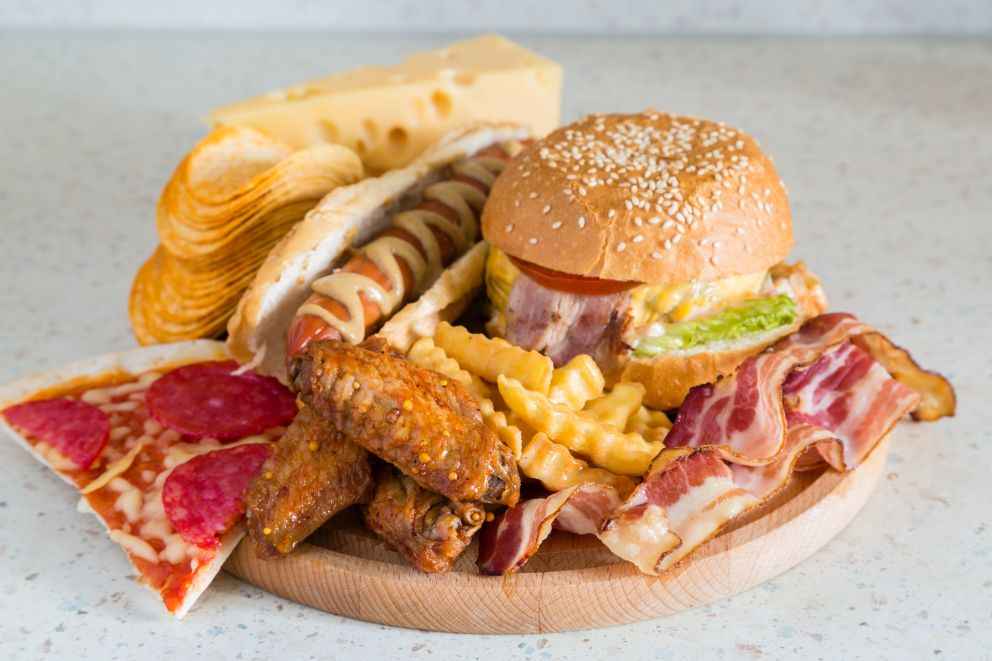
If you’ve ever asked yourself, “Why am I craving fatty foods?” even while sticking to a healthy eating plan or working toward weight loss, the answer often lies not in willpower but in underlying metabolic imbalances or nutrient deficiencies.
Discover four practical strategies to curb cravings and learn how to choose the healthiest fats to promote steady energy levels and support weight loss efforts.
What causes cravings for fatty foods?
Cravings for fatty foods often stem from underlying digestive or nutritional imbalances rather than a personal preference for highly processed foods rich in sugars and fats. Understanding potential root causes can help reduce cravings more effectively.
Here are three common reasons you may be craving fatty foods.
1. Poor bile flow
A significant contributor to cravings for high-fat foods is bile deficiency, which occurs when the liver produces insufficient amounts of bile or when gallbladder function is sluggish.
Bile is a critical digestive fluid that emulsifies dietary fats, breaking them down into smaller droplets that can be efficiently digested and absorbed in the gastrointestinal tract.
Additionally, bile acids activate receptors in the gut and brain involved in satiety and metabolic signaling, helping the body recognize fullness after a meal. A bile acid deficiency can disrupt satiety hormones and prolong hunger signals, which can lead to cravings for energy-dense, fatty foods.
2. Nutrient deficiencies
A lack of bile flow and overall poor digestive health can lead to deficiencies in essential fatty acids and fat-soluble vitamins, including A, E, D, and K. These nutrients play a critical role in hormone signaling, immune and inflammatory regulation, and brain function.
Inadequate levels of essential fatty acids and fat-soluble vitamins can activate hormonal and metabolic pathways that intensify fat cravings to restore balance.
As these nutrients are predominantly found in fatty foods, the body may increasingly crave high-fat foods to compensate for potential deficiencies.
3. Hormonal demands
Dietary fat and cholesterol serve as raw materials for the synthesis of steroid hormones, including cortisol, estrogen, progesterone, and testosterone.
When hormone production is strained due to inadequate intake of dietary fat and cholesterol, or by the consumption of highly refined inflammatory seed oils, the body may lack the structural lipids required for hormone production.
Lack of essential lipids can impair hormone synthesis and disrupt hormone signaling for normal bodily functions, triggering the body to desire high-calorie fatty foods to support endocrine function and maintain hormonal balance.
Watch the video below to learn how to manage food cravings.
Tips to curb cravings
Supporting liver function, bile production, and metabolic health through targeted dietary and lifestyle changes can help reduce fat cravings by improving digestion, enhancing nutrient absorption, and stabilizing hunger signals.
Here are four practical tips to naturally curb cravings.
1. Support liver and gallbladder health
Supporting liver and gallbladder function is central to reducing fat cravings, as these organs regulate bile production, fat digestion, and appetite signaling.
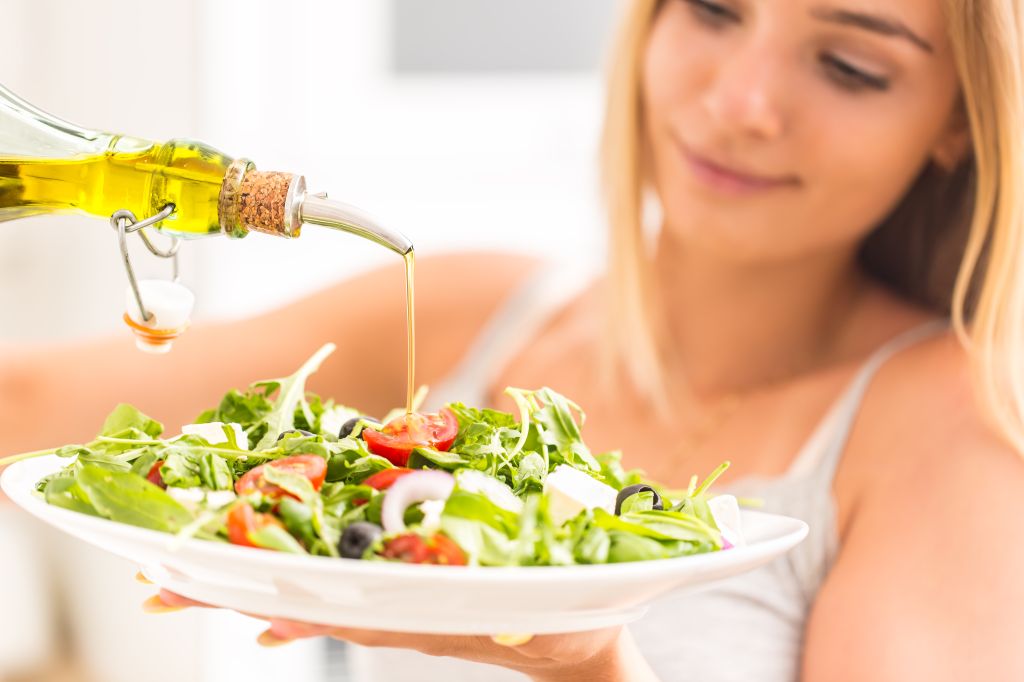
Bitter greens, including arugula, dandelion greens, and radicchio, stimulate liver enzymes involved in bile synthesis and enhance bile flow into the gallbladder and small intestine, improving fat digestion and toxin elimination.
Bioactive compounds in bitter greens also help regulate hunger hormones, such as ghrelin, further reducing cravings.
Additionally, gallbladder health requires regular intake of nourishing fats, which are necessary to stimulate gallbladder contraction and bile release. This explains why low-fat diets reduce gallbladder contraction, increasing the risk of complications such as gallbladder stones.
A study published in the International Journal of Obesity and Related Metabolic Disorders supports this, concluding, “A relatively high fat intake could prevent gallstone formation, probably by maintaining an adequate gallbladder emptying.”
This highlights the importance of sufficient intake of dietary fat in maintaining proper bile flow and gallbladder function.
2. Prioritize minimally processed and nourishing fats
Unlike ultra-processed fatty foods, which are often combined with refined sugars, carbohydrates, and additives, nourishing whole-food-based fats provide sustained energy, stabilize blood sugar balance, and promote satiety.
Healthy fats slow gastric emptying, reduce rapid glucose fluctuations by delaying carbohydrate absorption, and trigger the release of satiety-inducing hormones, such as cholecystokinin (CCK), which helps curb excessive hunger and food-seeking behavior.
3. Consume adequate fat at meals
Restricting fat intake by following a low-fat diet may increase cravings rather than reduce them.
Research published in Behavioural Brain Research found that animals deprived of high-fat foods developed a stronger desire for fat, suggesting that the body responds when lipid needs are unmet.
Consuming sufficient dietary fat from natural, minimally processed sources helps support satiety, decrease cravings, and regulate appetite between meals. This allows you greater control over your eating habits, weight loss, and overall health goals.
“When fat cravings arise, it often signals the body’s need for fat,” explains Dr. Berg. “Meals that include plenty of healthy fats, moderate amounts of protein, and minimal carbs help the body meet its nutritional needs without triggering compensatory cravings for greasy foods.”
4. Follow a nutritious ketogenic diet
Diets high in refined carbohydrates lead to constant blood sugar fluctuations, a major trigger for intense cravings, often for quick energy sources such as ultra-processed foods and refined fats.
In contrast, following a nutritious ketogenic diet, such as Healthy Keto®, supports satiety and helps stabilize blood sugar levels, thereby minimizing food cravings.
Due to its profound metabolic benefits, the ketogenic diet also improves fat utilization, supports bile production, and enhances nutrient absorption, all critical aspects for managing cravings.
Can fatty foods be healthy?
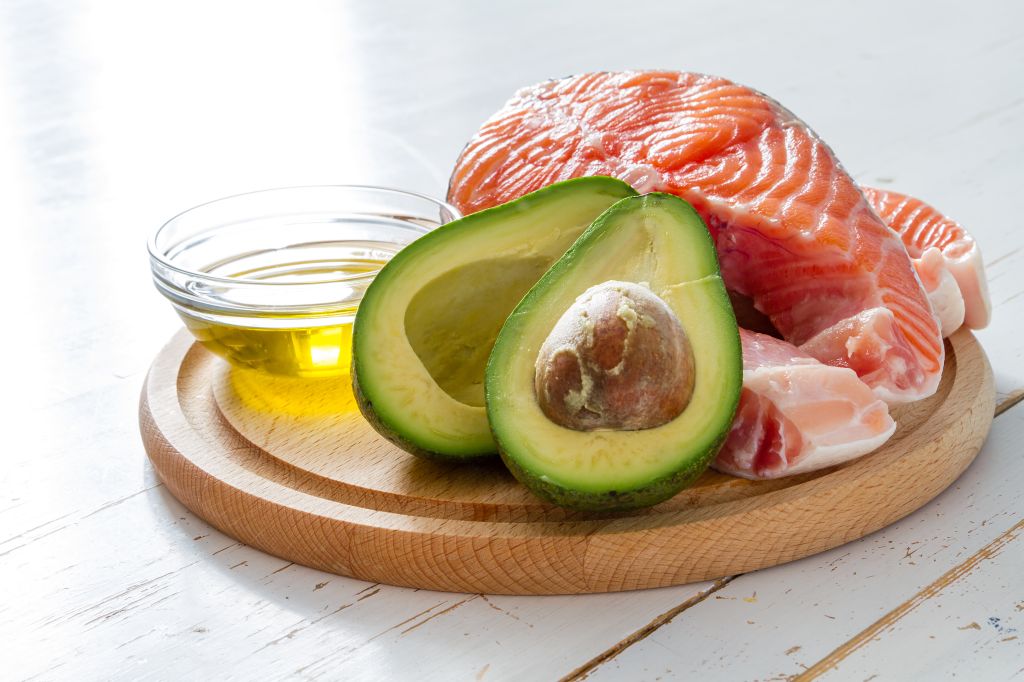
Fatty foods can be highly nutritious, particularly when they are of high quality and minimally processed.
Healthy fats, including unsaturated fats and saturated fats from animal sources, are essential for hormone production, cell membrane integrity, brain function, and various other biological processes.
Contrary to common misconceptions, animal-based foods rich in saturated fats aren’t bad for you, despite also being high in cholesterol.
Research published in The American Journal of Clinical Nutrition found no significant link between saturated fat consumption and an increased risk of coronary heart disease, stroke, or cardiovascular disease.
In contrast, trans fats and highly processed fats strongly stimulate the brain’s pleasure centers, activating dopamine-driven reward pathways, which enhance palatability and create a sense of pleasure or enjoyment.
However, these fats promote inflammation, disrupt healthy metabolic function, and may raise small-dense low-density lipoprotein (LDL) cholesterol while lowering high-density lipoprotein (HDL) cholesterol levels, linked to an increased risk of heart disease.
Unhealthy fats also contribute to weight gain and insulin resistance, a metabolic imbalance that increases the risk of obesity, hypertension, and type 2 diabetes.
Healthy high-fat foods to enjoy
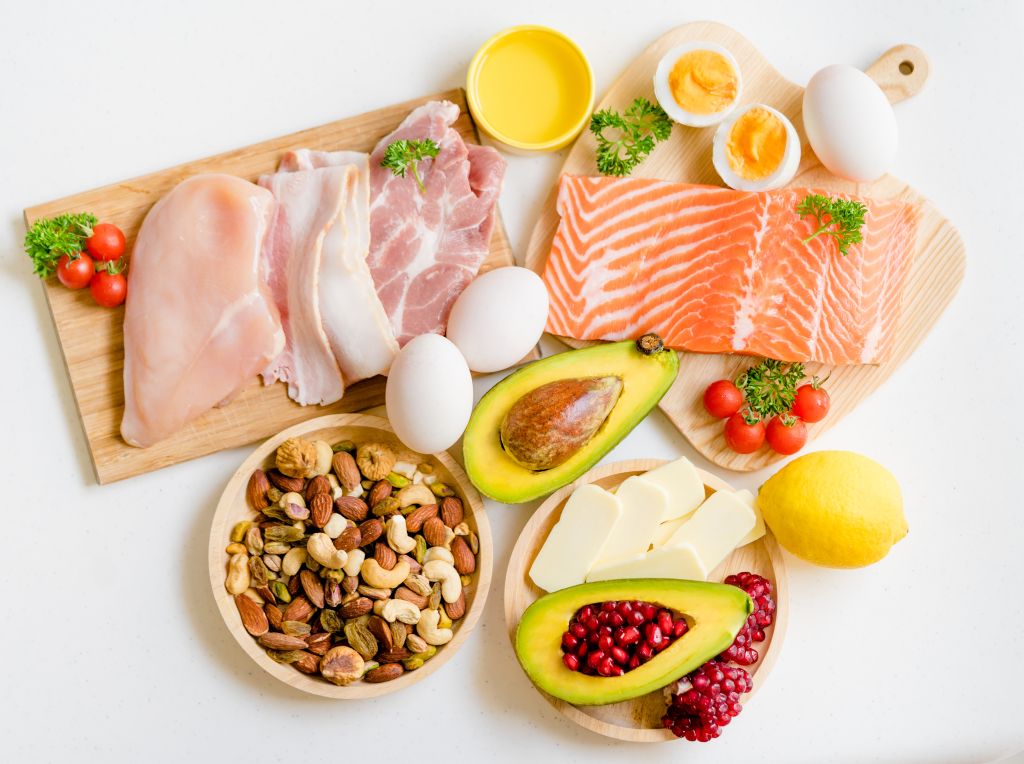
Choosing nutritious, high-fat foods can enhance satiety, provide energy, promote overall health, and even contribute to weight loss, especially when paired with a low-carb diet.
Unsaturated fats are rich in monounsaturated and polyunsaturated fatty acids, which are known to support cardiovascular health, cognitive function, and inflammatory balance.
Some of the best sources of unsaturated fats include:
- Avocados
- Fatty fish
- Nuts and seeds
- Olive oil
- Poultry
- Egg yolks
Saturated fats are essential for endocrine function, brain health, and bile secretion. These fats are also among the richest sources of fat-soluble vitamins, particularly vitamins A and D.
Foods rich in saturated fats include:
- Coconut oil
- Fatty cuts of meat
- Full-fat milk and cheese
- Grass-fed butter
- Ghee
- Lard
- Tallow
Key takeaways
- Cravings for fatty foods are often associated with impaired fat digestion, bile insufficiency, hormonal imbalances, or deficiencies in fat-soluble vitamins.
- Supporting liver health, promoting bile flow, consuming a sufficient amount of fat, and following a nutritious ketogenic diet can help curb cravings.
- It’s crucial to choose high-quality unsaturated and saturated fats, such as olive oil and fatty cuts of meat, over processed fatty foods to support metabolic and overall health.
FAQ
- 1. Why am I craving fatty foods?
- 2. What deficiency causes fat cravings?
- 3. What should I eat when craving something greasy?
- 4. Why do I feel better when I eat fatty foods?
Sources
- https://www.sciencedirect.com/science/article/abs/pii/
- https://pubmed.ncbi.nlm.nih.gov/9665682/
- https://pubmed.ncbi.nlm.nih.gov/20071648/
Related Articles
-
7 Common Intermittent Fasting Myths Debunked
 Diet
Diet7 Common Intermittent Fasting Myths Debunked
At a glance Intermittent fasting is an increasingly popular dietary pattern that is often misunderstood. Many common concerns surrounding intermittent fasting, including muscle loss, hormonal disruption, and metabolic slowdown, are…09/03/2026 -
How to Practice Mindful Eating Every Day
 Diet
DietHow to Practice Mindful Eating Every Day
At a glance Mindful eating helps you connect food choices to hunger, fullness, food cravings, emotions, and your environment. It focuses on understanding the factors that influence eating habits without…08/27/2026 -
Walking After Meals: Why Post-Meal Walks Matter
 Healthy lifestyle
Walking After Meals: Why Post-Meal Walks Matter
At a glance Post-meal habits can influence how the body responds after eating. During this period, digestion, blood sugar balance, insulin activity, and circulation all shift to help the body…08/13/2026 -
What Is Time-Restricted Eating?
 Diet
DietWhat Is Time-Restricted Eating?
At a glance Time-restricted eating is a form of intermittent fasting that limits meals to a consistent daily eating window. This approach focuses on when food is consumed rather than…08/13/2026 -
Does Intermittent Fasting Affect Your Metabolism?
 Diet
DietDoes Intermittent Fasting Affect Your Metabolism?
At a glance Intermittent fasting impacts metabolism by shifting the body towards ketosis, improving insulin sensitivity, and enhancing metabolic flexibility. While fasting can support weight management and metabolic efficiency, results…07/23/2026 -
Net Carbs vs. Total Carbs: Which Should You Track?
 Diet
DietNet Carbs vs. Total Carbs: Which Should You Track?
At a glance Tracking total carbs is simpler and more consistent for supporting metabolic health and maintaining ketosis. Net carbs can help expand food choices, but they can also backfire…07/23/2026 -
What Is the Best Meal Timing for Stable Energy?
 Diet
DietWhat Is the Best Meal Timing for Stable Energy?
At a glance Meal timing can influence daily alertness, hunger cues, and blood sugar patterns. The body processes food according to internal rhythms that affect insulin, digestion, and metabolic activity.…07/17/2026 -
36-Hour Fasting: Benefits, Safety, and How It Works
 Diet
Diet36-Hour Fasting: Benefits, Safety, and How It Works
At a glance A 36-hour fast is a prolonged fasting strategy that shifts the body into ketosis, promoting fat burning, improved insulin sensitivity, and cellular repair through autophagy. These metabolic…06/25/2026 -
Sore Muscles: Recovery vs. Overdoing It
 Fitness
Sore Muscles: Recovery vs. Overdoing It
At a glance Sore muscles are a normal response to unfamiliar or intense exercise. Mild to moderate soreness is usually a sign of productive adaptation, while sharp pain, significant swelling,…06/25/2026 -
What Is NEAT? The Daily Movement That Adds Up
 Healthy lifestyle
What Is NEAT? The Daily Movement That Adds Up
At a glance Non-exercise activity thermogenesis (NEAT) refers to the energy expenditure from all movement outside of sleeping, eating, and structured exercise. These everyday actions, from household chores to walking…06/12/2026


