

At a glance
Hyperthyroidism is a condition in which the thyroid gland produces excessive hormones, disrupting the body’s natural balance and lowering TSH levels. This imbalance affects metabolism, temperature regulation, and immune function, influencing many systems in the body. It is often linked to autoimmune activity and can lead to widespread changes in physical, digestive, and cognitive processes.
Hyperthyroidism is characterized by an overactive thyroid gland producing too much thyroid hormone, which can trigger metabolic problems, hormonal imbalances, and cellular dysfunction.
Discover five early hyperthyroid warning signs that can indicate thyroid hormone imbalance and learn how to support thyroid health with beneficial dietary and lifestyle changes.
What is hyperthyroidism?
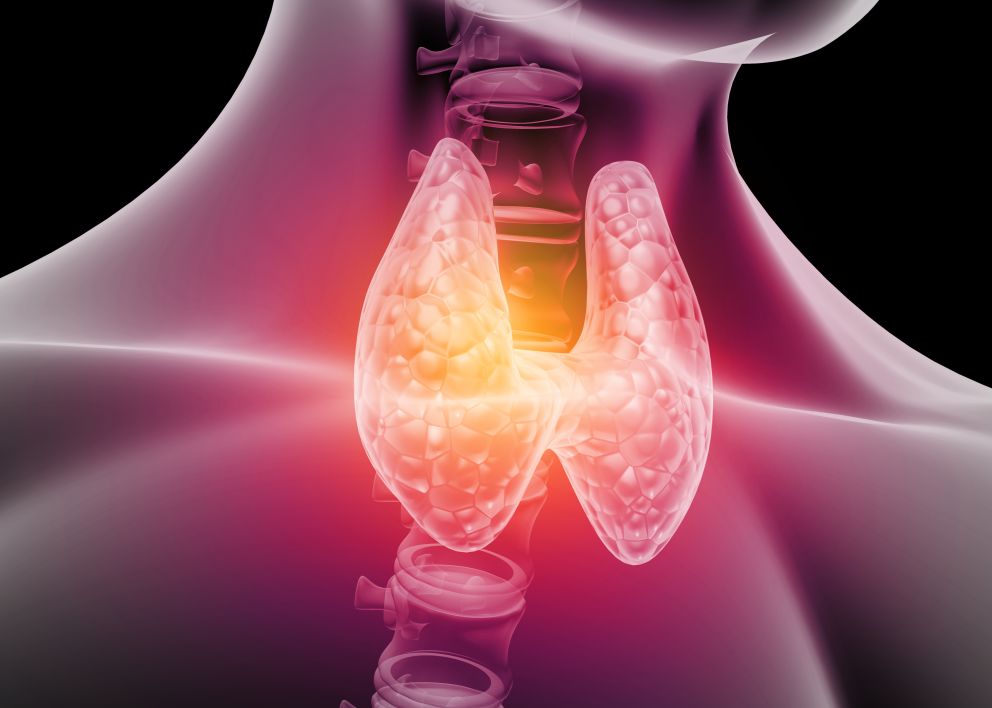
The thyroid is a small butterfly-shaped gland that’s located in the front of the neck and surrounded by two parathyroid glands.
Its main function is to produce thyroid hormones, which play a key role in regulating the body’s metabolism, body temperature, and immune system functions, among other critical processes.
Hyperthyroidism, also called overactive thyroid, occurs when the thyroid produces excessive amounts of thyroxine (T4) and triiodothyronine (T3), the two primary thyroid hormones.
Thyroid hormone levels are tightly regulated by thyroid-stimulating hormone (TSH) released by the pituitary gland. However, in individuals with hyperthyroidism, this balance is disrupted, leading to elevated thyroid hormone levels while TSH levels drop abnormally low.
This imbalance occurs because the body senses too much thyroid hormone in the bloodstream, signaling the pituitary gland to reduce TSH release in an attempt to restore hormonal balance.
According to data published by the American Thyroid Association (ATA), the most common cause of hyperthyroidism is Graves’ disease, an autoimmune disorder in which the immune system attacks thyroid nodules, triggering the overproduction of thyroid hormones.
Although less common, a toxic multinodular goiter or thyroiditis, which is triggered by inflammation of the thyroid gland, can also contribute to the development of hyperthyroidism.
Watch the video below to discover common signs and symptoms of hyperthyroidism.
Hyperthyroidism vs. hypothyroidism
Hyperthyroidism and hypothyroidism are two thyroid disorders marked by an imbalance in thyroid hormone levels.
Hyperthyroidism is characterized by overactive thyroid cells and elevated levels of T3 and T4, and is most commonly linked to an autoimmune disease affecting the thyroid gland.
In contrast, hypothyroidism occurs as a result of an underactive thyroid, leading to lower thyroid hormone output.
“Hyperthyroidism speeds up your metabolism and cellular activity, causing symptoms such as weight loss, heat intolerance, rapid heartbeat, and anxiety,” explains Dr. Berg. “An underactive thyroid slows down metabolic processes, leading to fatigue, weight gain, cold intolerance, and sluggishness.”
The National Institute of Diabetes and Digestive and Kidney Diseases (NIDDKD) reports that hypothyroidism is more common than hyperthyroidism and is often linked to the autoimmune disorder Hashimoto’s disease.
5 hyperthyroidism warning signs
Because thyroid hormones influence almost all aspects of metabolic and cellular processes, hyperthyroidism can cause a wide range of health issues.
Here are common hyperthyroidism symptoms to be aware of.
1. Metabolic imbalances
Thyroid hormones are key regulators of metabolic balance, and elevated thyroid hormones can significantly impact energy-making processes, cardiovascular function, temperature regulation, and body composition.
Common metabolic imbalances linked to hyperthyroidism include:
- Unexplained weight loss
- Heat intolerance
- Excessive sweating
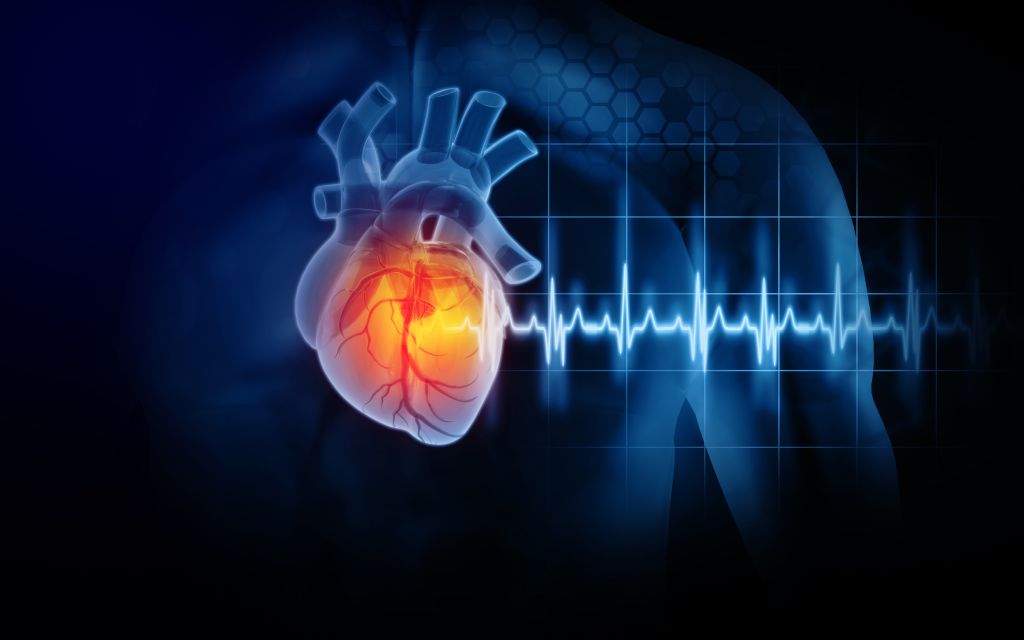
- Rapid heartbeat
- Warm or moist skin
- High blood pressure
2. Digestive issues
Elevated thyroid hormones can impact digestive functions and increase gut motility and bowel movements, causing diarrhea and poor nutrient absorption.

3. Changes in vision and neck structure
Hyperthyroidism can cause thyroid swelling, resulting in difficulty swallowing or a visible lump in the neck.
Although less common, some individuals develop thyroid eye disease (TED), characterized by protruding eyes, double vision, dry eye syndrome, and increased sensitivity to light.
Research published in Eye and Vision highlights that TED is most common in those with Graves’ disease and can lead to serious complications, such as ocular nerve compression, if left unaddressed.
4. Cognitive problems and mood changes
Early hyperthyroidism symptoms can include changes in cognitive functions, such as memory problems, poor attention, and mood changes.
An excessive amount of thyroid hormones can interfere with neurotransmitter balance, neuronal function, and energy-making processes in the brain, which can lead to anxiety, irritability, restlessness, and difficulty focusing.
5. Poor sleep
Hyperthyroidism can overstimulate the nervous system and impact the hormonal balance required to initiate and maintain sleep.
This can cause racing thoughts, vivid dreams, and nighttime anxiety, all of which can make falling and staying asleep challenging.

Causes and risk factors
Most cases of hyperactive thyroid disease are caused by an autoimmune response, meaning the body’s immune system mistakenly attacks thyroid tissue.
This interferes with the body’s ability to regulate thyroid hormone levels, stimulating the release of excessive amounts of T3 and T4.
Evidence published in Endocrine Practice highlights that excessive iodine intake can make hyperthyroidism worse, summarizing, “Individuals with mild Graves’ disease or autonomously functioning thyroid nodules are at increased risk for the development of iodine-induced hyperthyroidism.”
While iodine is an essential mineral required for the production of T3 and T4, excessive iodine concentrations can trigger uncontrolled thyroid hormone release.
Other potential causes and risk factors for developing a thyroid problem include:
- Family history of thyroid disease
- Celiac disease and other autoimmune diseases
- Taking too much thyroid medication
- Recent pregnancy
- Smoking
- Chronic stress
In addition, women appear to be at increased risk of hyperthyroidism, which is believed to be linked to hormonal influences on the immune system as well as immune changes during pregnancy.

What to do if you notice hyperthyroidism warning signs
While it’s essential to see a doctor if you suspect hyperthyroidism, there are several steps you can take to support your body and promote normal thyroid hormone levels naturally.
Here are four ways to support thyroid function and hormone balance.
1. Avoid high intake of iodine-rich foods
Moderating iodine intake is crucial for individuals with a hyperactive thyroid gland, as this helps minimize excess thyroid hormone production.
Foods with high iodine concentrations include seaweed, sea kelp, iodized table salt, and certain types of seafood, such as shrimp, oysters, mussels, and cod.
In addition, dairy products like milk, cheese, butter, and yoghurt often contain iodine, which is added to cows’ feed and is a key compound of disinfectants used to clean milking equipment.
2. Eliminate gluten
Research published in the International Journal of Endocrinology and Metabolism reports a link between gluten consumption and an increased risk of autoimmune thyroid disease (AITD).
The authors highlight, “There is evidence that adherence to a gluten-free diet may positively impact patients with AITDs.”
It’s believed that gluten proteins are structurally similar to membrane proteins surrounding thyroid cells, and gluten intake may contribute to autoimmune responses that affect the thyroid gland in susceptible individuals.
Therefore, a gluten-free diet may benefit people with Graves’ disease by avoiding all wheat-based foods and those containing barley and rye.
Additionally, many processed foods are either formulated with gluten or are cross-contaminated, and carefully checking product labels is crucial.

3. Practice fasting
Intermittent and prolonged fasting routines can help reduce inflammation, which may support individuals whose hyperthyroidism is linked to thyroiditis.
Prolonged periods of caloric restriction trigger profound metabolic and hormonal shifts, linked to more balanced immune function and lower inflammation.
This can help calm overactive immune responses attacking the thyroid gland, support tissue repair, and may reduce excessive levels of thyroid hormones.
However, it’s crucial that individuals with thyroid disorders discuss fasting with a healthcare provider to minimize the risk of side effects related to thyroid medications, excessive weight loss, or worsening of hyperthyroid symptoms such as rapid heartbeat, fatigue, or dizziness.
4. Prioritize foods rich in selenium
Optimal thyroid function relies on essential nutrients, especially selenium. This mineral not only helps balance thyroid hormone production but is also a crucial component of glutathione peroxidase, a powerful antioxidant enzyme that protects thyroid cells from oxidative stress.
By reducing oxidative damage and supporting hormone balance, selenium can help manage autoimmune-related hyperthyroidism and thyroiditis, potentially lowering excessive thyroid hormone release.
While Brazil nuts are the best dietary source of selenium. Sunflower seeds, cashew nuts, almonds, seafood, and eggs also offer significant amounts of this essential mineral.

When to see a doctor
If you develop symptoms of an overactive thyroid gland, it’s important to consult a healthcare provider.
A physical exam, blood tests, and imaging tests can help evaluate your thyroid and determine if thyroid hormone levels are outside the normal range.
A thyroid function test helps evaluate T3 and T4 levels as well as thyroid-stimulating immunoglobulin (TSI) to determine whether autoimmune Graves’ disease is present.
Your doctor can discuss options to treat hyperthyroidism. This may include beta blockers to control cardiovascular symptoms, radioactive iodine treatment to lower hormone production, or surgery to remove part of or the entire thyroid gland.
Early diagnosis is vital as severe cases of hyperthyroidism can progress into a potentially life-threatening condition called thyroid storm, characterized by high fever, rapid heartbeat, severe agitation, vomiting, diarrhea, and dangerously low blood pressure.
Key takeaways
- Hyperthyroidism occurs when the thyroid gland produces excessive thyroid hormones, disrupting normal metabolic and physiological processes.
- Common warning signs include metabolic changes, unexplained weight gain, cognitive difficulties, mood changes, sleep disturbances, neck swelling, and, in some cases, vision problems.
- Medical care is essential if symptoms develop, but dietary changes, such as eliminating gluten, reducing intake of iodine-rich foods, and adding selenium-rich foods, may help support thyroid function and hormone balance.
FAQ
- 1. What are the first warning signs of hyperthyroidism?
- 2. Can hyperthyroidism go unnoticed?
- 3. What causes hyperthyroidism?
- 4. What can I do for hyperthyroidism?
- 5. Is hyperthyroidism dangerous?
- 6. What’s the difference between hyperthyroidism and hypothyroidism?
Sources
- Hyperthyroidism. American Thyroid Association. Accessed 2026. https://www.thyroid.org/hyperthyroidism/
- Hypothyroidism (Underactive Thyroid). National Institute of Diabetes and Digestive and Kidney Diseases. Accessed 2026. https://www.niddk.nih.gov/health-information/endocrine-diseases/hypothyroidism
- McAlinden C. An overview of thyroid eye disease. Eye Vis (Lond). 2014;1:9. https://pmc.ncbi.nlm.nih.gov/articles/PMC4655452/
- Braverman KD, Pearce EN. Iodine and Hyperthyroidism: A Double-Edged Sword. Endocr Pract. 2025;31(3):390-395. https://www.sciencedirect.com/science/article/abs/pii/S1530891X24008103
- Esfahani KS, Asri N, Mahmoudi Ghehsareh M, Rezaei-Tavirani M, Jahani-Sherafat S, Rostami-Nejad M. The Role of Gluten in the Development of Autoimmune Thyroid Diseases: A Narrative Review. Int J Endocrinol Metab. 2024;22(3):e153730. https://pmc.ncbi.nlm.nih.gov/articles/PMC11892518/
Related Articles
-
Fasting and Lupus: What You Should Know
 Health concerns
Fasting and Lupus: What You Should Know
At a glance Lupus is an autoimmune disease that causes widespread inflammation and can affect multiple organs. Fasting has been investigated for its potential to support immune regulation and reduce…02/27/2026 10.3k views -
Carnivore Diet: Weight Loss Tips, Benefits, and Risks
 Diet
DietCarnivore Diet: Weight Loss Tips, Benefits, and Risks
At a glance The carnivore diet relies solely on animal-based foods, eliminating all plants and carbohydrate sources. This shift can support weight regulation, stabilize blood sugar levels, and help lower…02/20/2026 5.3k views -
Leaky Gut: Causes, Symptoms, and Natural Solutions
 Health concerns
Leaky Gut: Causes, Symptoms, and Natural Solutions
At a glance A leaky gut, also known as intestinal permeability, is characterized by a gut lining that allows unwanted substances to enter the circulation. Maintaining strong gut integrity helps…12/31/2025 9.6k views -
The Carnivore Diet Vegetable Dilemma
 Diet
DietThe Carnivore Diet Vegetable Dilemma
At a glance The carnivore diet focuses exclusively on animal-based foods. While some carnivore dieters report weight loss and stable energy, eliminating vegetables can lead to deficiencies, poor gut function,…04/09/2025 7.3k views -
Best Diet for Herpes: What to Eat and Avoid to Reduce Outbreaks
 Health concerns
Best Diet for Herpes: What to Eat and Avoid to Reduce Outbreaks
At a glance Herpes simplex virus causes oral and genital blisters that spread through sexual and non-sexual contact and reactivate in response to hormonal and environmental triggers. The best diet…04/09/2025 14.7k views


