

At a glance
Autism is a complex neurodevelopmental condition that affects an individual’s social interaction, communication, and behavior in unique ways. Thoughtful diet and lifestyle choices can help support brain health and energy stability within the central nervous system, which can enhance daily functioning and quality of life for both children and adults on the autism spectrum.
Autism is a complex neurodevelopmental condition that exists on a spectrum, influencing those affected in different ways and to varying degrees.
Making beneficial dietary and lifestyle choices is important for both neurodivergent and neurotypical individuals, as it helps promote optimal central nervous system function and supports a healthy body.
Here are diet and lifestyle recommendations for autism to enhance overall well-being, support brain health, and promote overall balance.
What is autism?
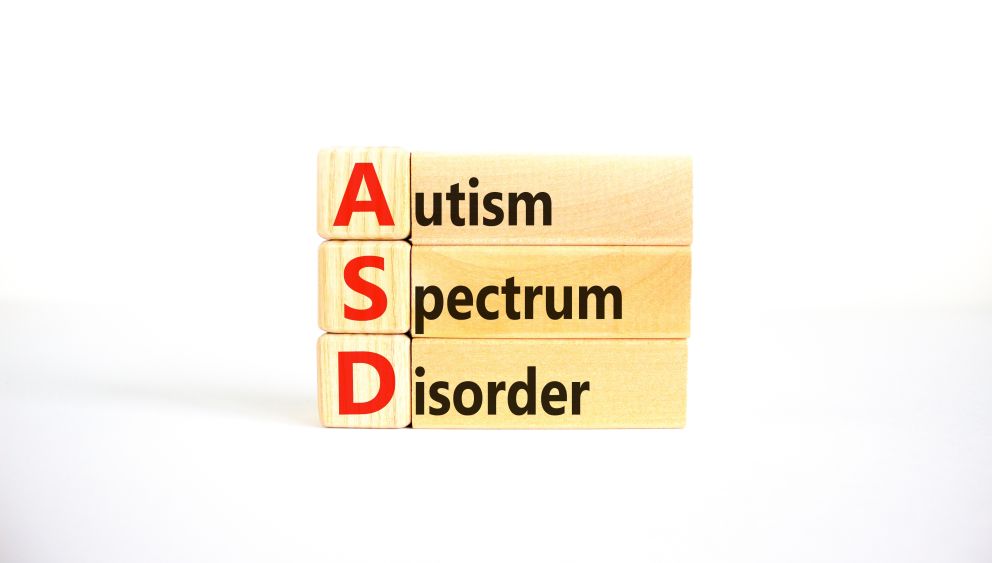
Autism, also referred to as autism spectrum disorder (ASD), is a complex neurodevelopmental condition that impacts how an individual perceives, communicates, and interacts with the world.
Because autism is a spectrum, behavioral patterns, communication styles, and levels of independence can vary and often change over time.
According to a report published by the Centers for Disease Control (CDC), autism affects about 1 in 31 children aged 8 and is significantly more common in boys than girls.
Autism isn’t caused by a single trigger or imbalance and may manifest in a wide range of symptoms that differ from person to person.
It’s believed that autism is linked to changes in brain characteristics, neurotransmitter metabolism, and synaptic reactivity. These factors can influence how the brain processes information and responds to the environment.
This highlights the need for highly individualized approaches to support the well-being, independence, and quality of life of those with an autism diagnosis.
Watch the video below to learn about beneficial dietary patterns for individuals with autism.
How is autism diagnosed?
Autism is typically diagnosed by observing a child’s development and assessing aspects such as their social skills, behavioral patterns, and ability to initiate communication.
Clinicians use criteria outlined in the Diagnostic and Statistical Manual of Mental Disorders (DSM) to guide applied behavior analysis of autism traits. This typically involves evaluating the child’s ability to interact, learn, and communicate compared with developmental expectations.
Common criteria and manifestations used to diagnose autism include:
- Differences in social skills, such as difficulty with eye contact or reading social cues
- Challenges in verbal and non-verbal communication
- Restrictive or repetitive behaviors
- Variations in play and learning styles
- Sensory sensitivities to sights, sounds, or textures
Early diagnosis can help access supportive services such as speech therapy and physical therapy. However, some individuals with autism may not receive a formal diagnosis until adulthood.
Research published in Frontiers in Psychology highlights, “Autism is a lifelong condition that persists into adulthood and can be diagnosed across the lifespan, with symptoms often presenting differently in adults and children.”

Diet tips for autism
Supporting optimal central nervous system function with beneficial dietary choices is an excellent strategy for promoting overall well-being, healthy development, and daily functioning for neurodivergent individuals.
Here are four diet tips for autism.
1. Adopt ketogenic-diet principles
One of the main aspects to consider when approaching a brain-supportive diet is the role of blood sugar balance in neural energy production and cognitive function.
Relying on glucose, which is derived from dietary carbohydrates and sugars, as the primary fuel source can lead to frequent blood sugar fluctuations. This can cause energy instability in the central nervous system, affecting focus, impulse control, and overall brain function.
In contrast, a dietary approach that supports ketone production can offer the brain a more stable and consistent energy supply.
Ketones are organic compounds produced during fat metabolism when carbohydrate intake is significantly reduced, which is the hallmark of the ketogenic diet.
Research shows that ketogenic-style dietary patterns may be associated with enhanced cognitive function, metabolic efficiency, and neurological stability in some individuals with autism.
This has been confirmed by evidence published in Experimental Neurology, which highlights that the ketogenic diet is associated with improved autism manifestations, including better social and cognitive skills, as well as a reduction in repetitive behaviors.

2. Incorporate extra virgin coconut oil
Extra virgin coconut oil is a concentrated source of medium-chain triglycerides (MCTs), a group of fatty acids that are rapidly absorbed and directly converted into ketones.
Because ketones can provide a more consistent source of energy for the brain, incorporating coconut oil into meals, especially as part of a ketogenic diet approach, can help support steady energy availability and overall brain function.
A study published in the Canadian Journal of Clinical Nutrition examined the effects of virgin coconut oil (VCO) consumption on autistic children. The authors summarized, ”VCO caused a significant improvement in the core symptoms assessed by the Autism Treatment Evaluation Checklist (ATEC).”
3. Prioritize nutritious whole foods
In addition to restricting dietary carbohydrates to encourage ketone production, the overall nutritional quality of the diet is equally important for supporting brain health and general well-being.
“Emphasizing nutrient-dense and minimally processed whole foods helps reduce the risks associated with restrictive diets while ensuring adequate intake of essential vitamins, minerals, and healthy fats,” explains Dr. Berg.
This makes the Healthy Keto® approach ideal for supporting individuals with autism, as this low-carb eating plan emphasizes nutrient-dense foods such as non-starchy vegetables, leafy greens, high-quality protein sources, and nourishing fats.
It’s vital to consider an individual’s sensory needs, as food textures, flavors, and routines can strongly influence the sustainability of any dietary approach.

4. Identify potential food sensitivities
Evidence published in Annals of Allergy, Asthma & Immunology found that those with autism had a higher rate of food sensitivities compared to neurotypical individuals.
Regular intake of trigger foods may contribute to digestive discomfort, changes in behavior, or fluctuations in focus and energy levels. Keeping a food diary, noting meal composition and symptoms, can help identify and avoid ingredients that may not be well tolerated.
Common sensitivities in individuals with autism include:
- Wheat and other gluten-containing foods
- Fish
- Dairy products
- Eggs
- Soy
Healthy lifestyle tips for autism
Many families with an autistic child or adults with an autism diagnosis explore alternative treatments and interventions to support overall well-being.
While supportive lifestyle strategies can be beneficial, it’s crucial to always discuss any significant changes with a healthcare professional.
Here are four healthy lifestyle tips for autism.
1. Establish consistent sleep routines
Getting enough sleep plays an important role in social interaction skills, emotional regulation, cognitive function, and overall well-being.
Maintaining a predictable bedtime routine can help reduce disruptive behaviors and support daytime focus for both children and adults on the autism spectrum.
Here are practical tips to support a consistent sleep routine:
- Maintain a regular bedtime and wake-up time, even on weekends
- Create a calming bedtime routine
- Limit exposure to bright lights and screens two hours before bed
- Keep the sleep environment quiet, dark, and comfortable
- Avoid stimulating foods or beverages close to bedtime
Evidence published in Focus supports the importance of prioritizing consistent sleep routines, noting that sleep issues in autistic children are associated with increased hyperactivity and poor impulse control.
2. Consider time-restricted eating
Some individuals with autism and their families explore intermittent fasting, a form of time-restricted eating, as part of a broader wellness routine.
Intermittent fasting alternates between fasting periods and time-restricted eating windows, which enhances the body’s ability to generate ketones, especially when combined with a Healthy Keto diet.
While intermittent fasting may help support steady energy and overall central nervous system function, it’s not recommended for children and should only be considered for older teenagers and adults on the autism spectrum under the supervision of a healthcare provider.

3. Explore supportive therapy options
Various therapy options can play a meaningful role in supporting social interaction skills, communication, independence, and the daily functioning of autistic individuals.
Working with qualified professionals, such as a child therapist, occupational therapists, and educational specialists with expertise in autism, can help identify therapeutic approaches that align with an autistic person’s strengths, challenges, and goals.
It can also be helpful to talk to your primary care physician and utilize resources such as Autism Speaks or the Autism Society to connect with local therapeutic services.
4. Built a strong support network
Emotional support is essential for autistic individuals, their parents, and other family members, including siblings and grandparents.
Caregivers of children with autism and adults with an autism diagnosis often benefit greatly from connecting with other parents, peer groups, or community organizations that can offer shared experiences and practical guidance.

When to talk to your doctor about autism
If you notice that your child displays differences in social interaction, communication delays, or repetitive behaviors, it may be beneficial to consult a healthcare professional.
Timely diagnosis and early intervention can make a meaningful difference in supporting the development and daily functioning of an autistic child.
A pediatrician can provide valuable guidance on complementary and alternative treatments that support overall well-being, while ensuring safety and appropriateness.
Adults who notice challenges in social interaction, sensory sensitivities, or other traits associated with autism should also consider seeking an evaluation.
Talking with a primary care physician or mental health professional can help determine whether a formal diagnosis is beneficial and connect individuals to supportive resources and therapies tailored to their specific needs.
Key takeaways
- Autism is a complex neurodevelopmental disorder that affects how an individual perceives and interacts with the world around them.
- Diet can significantly influence energy stability and brain function, and a ketogenic-style eating plan combined with nutrient-rich whole foods can support overall wellness.
- Healthy lifestyle habits, including consistent sleep and supportive therapies, can further help promote balance and well-being.
- Connecting with emotional and social support networks is important for the well-being of autistic individuals and their caregivers.
- To ensure diet, lifestyle, and therapy approaches are safe and appropriate, it’s vital to consult healthcare professionals with expertise in autism.
FAQ
- 1. What are some natural recommendations for autism?
- 2. Can diet affect autism symptoms?
- 3. Do dietary sensitivities differ in people with autism?
- 4. Can lifestyle habits support well-being in autism?
Sources
- Data and Statistics on Autism Spectrum Disorder – Autism Spectrum Disorder (ASD) – CDC. cdc.gov.
- Frontiers | Exploring the landscape of adult autism research in psychology: a bibliometric and network analysis. – frontiersin.org.
- Ketogenic diet ameliorates autism spectrum disorders-like behaviors via reduced inflammatory factors and microbiota remodeling in BTBR T+ Itpr3tf/J mice.. – sciencedirect.com
- https://www.researchgate.net/publication/358573801
- https://www.annallergy.org/article/S1081-1206%2823%2900827-X/fulltext
- Sleep and Autism: Current Research, Clinical Assessment, and Treatment Strategies. – pmc.ncbi.nlm.nih.gov.
Related Articles
-
Wheatgrass Supplements: Forms and How to Choose
 Nutrition
Wheatgrass Supplements: Forms and How to Choose
At a glance Wheatgrass is a nutrient-dense supplement available in several forms, including whole-leaf powder, juice powder, capsules, or tablets. Each differs in processing methods, nutrient concentrations, and intended use.…03/27/2026 -
How to Kill Parasites: 7 Natural Tips
 Health concerns
How to Kill Parasites: 7 Natural Tips
At a glance Parasitic infections occur when worms or protozoa colonize the body, often through exposure to contaminated pets, food, or water. These organisms can interfere with digestion and other…03/13/2026 15.1k views -
14-Hour Fast: Benefits and How It Works
 Diet
Diet14-Hour Fast: Benefits and How It Works
At a glance A 14-hour fast is a simplified approach to intermittent fasting that builds on the body’s natural overnight fast, making the transition into time-restricted eating more comfortable. It…12/05/2025 6k views -
How to Improve Your Gut Health – 10 Natural Ways
 Health concerns
How to Improve Your Gut Health – 10 Natural Ways
At a glance Gut health significantly influences digestion, energy, immunity, and mood, making it essential to support the gut for overall wellness. By adopting a gut-supportive diet and consistent daily…10/03/2025 -
Are There Fish Without Mercury? List With the Lowest Levels
 Nutrition
Are There Fish Without Mercury? List With the Lowest Levels
At a glance Mercury is a highly toxic heavy metal that accumulates in the body over time, which is why many people look for fish without mercury. While no fish…04/09/2025 13.4k views -
Keto and Fatty Liver: How to Reduce Liver Fat Fast
 Keto
KetoKeto and Fatty Liver: How to Reduce Liver Fat Fast
At a glance Fatty liver disease is widespread, often linked to poor dietary habits and a sedentary lifestyle. Following a keto diet and restricting carbs can dramatically reduce liver fat…04/09/2025 30.2k views -
Herxheimer Reaction: What It Is and What to Do
 Healthy lifestyle
Herxheimer Reaction: What It Is and What to Do
At a glance Herxheimer reactions occur when the immune system responds to toxins released by dying microbes during antimicrobial treatment. This temporary reaction can cause flu-like symptoms such as fever,…04/09/2025 28.3k views -
Amazing Benefits of a 72-Hour Fast
 Diet
DietAmazing Benefits of a 72-Hour Fast
At a glance A 72-hour fast allows the body to quickly enter deep ketosis and activate cellular repair mechanisms. With proper hydration, electrolyte balance, and preparation, prolonged fasting can be…04/09/2025 9.7k views -
The 6 Stages of Fasting
 Diet
DietThe 6 Stages of Fasting
At a glance Fasting triggers a cascade of metabolic changes that support weight loss, improve brain function, and promote cellular health. As the body transitions from using blood sugar for…04/09/2025 18.1k views -
5 Benefits of Broccoli Sprouts and Sulforaphane
 Nutrition
5 Benefits of Broccoli Sprouts and Sulforaphane
At a glance Broccoli sprouts are young microgreens rich in sulforaphane, a powerful compound that supports detoxification, brain health, and digestive function. Containing far higher nutrient levels and bioavailability than…04/09/2025 12.9k views