


At a glance
Seed oils appear in most packaged and restaurant foods, often replacing more stable traditional fats. Their skewed omega‑6 to omega‑3 ratios and tendency to oxidize during industrial processing and high‑heat cooking may contribute to oxidative stress, inflammation, and related health conditions. Learning to spot refined seed oils on labels and replacing them with more stable, minimally processed fats may support better overall health.
Ultra-processed seed oils are everywhere—lining grocery store shelves, filling restaurant fryers, and hiding in most packaged foods that people eat daily.
These oils are heavily refined and may contribute to inflammation, oxidative stress, cellular damage, and other health concerns when consumed regularly.
Learn what these oils are, where they show up, and how to choose more stable, minimally processed fats instead.
What are seed oils?
Seed oils, often labeled as vegetable oils, are fats extracted from the seeds of crops such as corn, soy, and canola.
While some seed oils, such as sesame oil, have been used in cooking for millennia, many of those used today are relatively new to the human diet.
In fact, early production of common options such as cottonseed and canola oil was largely focused on industrial applications, such as mechanical lubricants, soap bases, and lamp fuel, rather than culinary use.
Over the last century, industrial refining, government subsidies, and the use of agricultural byproducts have enabled manufacturers to develop seed oils into profitable, highly versatile kitchen staples.
Today, industrially refined seed oils have largely replaced traditional cooking fats such as tallow, lard, and butter in conventional food preparation and are now among the most common cooking oils used in restaurants and processed foods.
Watch the video to learn how seed oils may affect your health.
How seed oils are made
Unlike some plant-based oils—such as olive and avocado, where simply crushing and spinning the fruit can yield large amounts—many seeds are processed with a combination of mechanical force and chemical solvents to maximize oil extraction.
The initial stages are similar for most seed oil production: they’re harvested, cleaned, and crushed. However, pressing is more strictly controlled for cold-pressed varieties to prevent heat damage.
Because the fibrous structure of seeds retains oil even after pressing, many processors use chemical solvents, such as hexane, to dissolve and separate the remaining oil. This mixture is then heated to evaporate the solvent, leaving the extracted oil behind.
From there, the oils undergo an extensive refining process, including degumming, neutralization, chemical bleaching, and deodorization.
These steps are designed to remove impurities, extend shelf life, and correct the dark color, bitter taste, or rancid odor that can develop from oxidation and high-heat exposure.
The result is a clear, long-lasting, and often flavorless oil that can be used in condiments, restaurant fryers, and many processed foods.

Why avoid seed oils?
Industrial refining of seed oils can significantly degrade or remove much of the seeds’ nutritional value, including vitamins, antioxidants, and other beneficial compounds that normally help protect their essential fatty acids from oxidation.
Moreover, heating fats can generate advanced lipid oxidation end-products (ALEs) and reactive aldehydes. According to research published in Food Chemistry: X, exposure to toxic aldehydes is linked to oxidative stress, chronic inflammation, and cellular damage.
Concerningly, most seed oils are high in polyunsaturated fatty acids—particularly linoleic acid (LA)—which is a very fragile lipid that breaks down quickly with heat, light, and oxygen exposure.
Polyunsaturated fats appear to be more prone to oxidation and generating these toxins when heated than monounsaturated and saturated fats, which are typically more abundant in olive, palm, avocado, and coconut oils, as well as in animal fats such as butter, ghee, tallow, and lard.
This means that most seed oils may already be significantly altered before they reach grocery store shelves, and heating them further during home cooking can compound this oxidative damage.
Additionally, while some omega-3 and omega-6 fatty acids, such as alpha-linolenic acid (ALA) and LA, are essential nutrients, the body relies on a balance between them to support cell membranes, cellular signaling, immune function, and normal inflammatory responses.
According to research published in Biomedicine & Pharmacotherapy, humans are believed to have evolved on diets with a near 1:1 ratio of omega-6 to omega-3, yet the average Western diet maintains ratios closer to 15:1 or higher.
This may be attributed in part to the significant increase in ultra-processed food consumption over the last few decades.
Many seed oils contain high proportions of omega-6 fatty acids and low levels of omega-3s, with some even reaching ratios of 600:1 or higher.
A study published in eLife observed that individuals with the highest plasma ratios of omega-6 to omega-3 fatty acids had a higher risk of all-cause mortality, cancer mortality, and cardiovascular disease mortality compared to those with the lowest ratios.

Where seed oils hide
“Even if you rarely cook with them, you may be eating seed oils more often than you think—it’s in nearly every processed food at the grocery store and usually most restaurants,” explains Dr. Berg.
Shockingly, according to the U.S. Department of Agriculture (USDA) Economic Research Service (ERS), an estimated 71 percent of the added fats and oils Americans consume daily come from vegetable oils.
Here are some of the most common products seed oils can be found in:
- Prepared and frozen foods: Rotisserie chicken, ready-made grocery meals, frozen dinners, and appetizers.
- Baked goods and grains: Packaged baked goods, tortillas, wraps, pizza crusts, crackers, cereals, and granola.
- Pantry foods and condiments: Canned soups, broths, marinades, baby food, microwave rice, instant potatoes, mayonnaise, salad dressings, and sauces.
- Snacks and supplements: Snack bars, protein bars, protein drinks, microwave popcorn, meal replacements, oil-based supplements.
- Dairy and dairy-free alternatives: Ultra-processed cheeses, cheese spreads, butter blends, coffee creamers, and dairy replacements.
- Sweets and fats: Desserts, frosting, and even low-quality olive or avocado oils diluted with cheaper blends.

How to minimize seed oil consumption
Learning to recognize common seed oils on ingredient lists is one of the most proactive steps you can take to help limit them in your diet.
To avoid refined oils, start by checking labels for these eight seed oils:
- Soybean oil
- Canola oil
- Corn oil
- Sunflower oil
- Safflower oil
- Cottonseed oil
- Grapeseed oil
- Rice bran oil
These may also be grouped under broader terms, such as vegetable oil, plant oil blend, shortening, margarine, or frying oil.

Avoiding seed oils at restaurants
Avoiding seed oils when eating out can be difficult—most commercial kitchens use them, but it’s not always clear what they’re in.
One of the most important sources to limit is fried foods, such as French fries, fried chicken, chips, and doughnuts. Not only are they often cooked in refined oils, but the cooking oils used in restaurant fryers are often recycled several times.
Repeated heating of oils accelerates oxidation and the formation of potentially harmful compounds.
Choosing grilled, baked, roasted, or steamed dishes whenever possible may help reduce exposure to refined seed oils. While these options aren’t guaranteed to be completely free of refined seed oils, they’re usually better choices than deep-fried foods.
Sauces and dressings are other common hidden sources, so it’s recommended to ask for them on the side. For salads, olive oil and vinegar are often the cleanest dressing options, as many premade dressings contain refined vegetable oils, other ultra-processed ingredients, and preservatives.
Swapping questionable sauces for butter can be a great way to add flavor to your meals. However, restaurants often utilize commercial butter mixtures—which blend real dairy with hidden vegetable oils to cut costs and improve spreadability. Check with your server first to confirm if 100 percent pure butter is being utilized.
When possible, checking the restaurant’s ingredient information online beforehand can be helpful. There are also mobile apps that can help identify and rate local dining options based on their use of refined seed oils.
Healthier alternatives to seed oils
The best seed oil alternatives for a healthy diet depend on how the fat will be used, particularly whether it will be exposed to high heat.
For high-heat cooking and frying, some of the most stable choices are grass-fed ghee,
avocado oil, and beef tallow. These fats resist oxidation and hold up exceptionally well at higher temperatures.
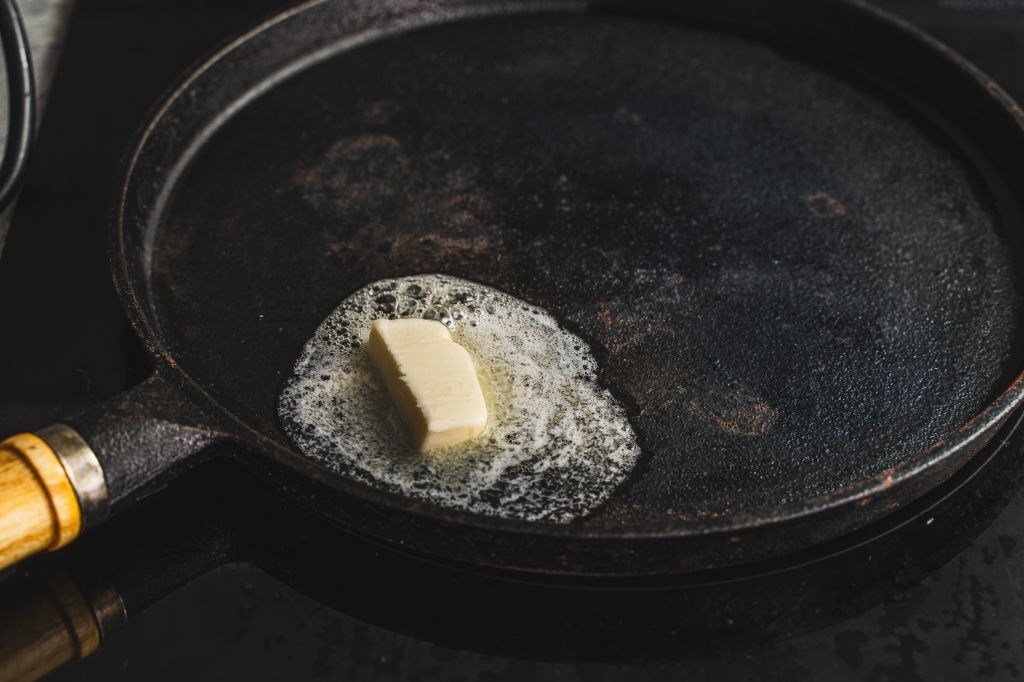
For low- to medium-heat cooking and sautéing, grass-fed butter, unrefined coconut oil, palm oil, and extra-virgin olive oil (EVOO) can be good options.
Olive oil provides many health benefits because it is rich in monounsaturated fatty acids and natural antioxidants. These components also help protect olive oil from oxidation during light cooking.
Key takeaways
- Seed oils are plant-based oils extracted from seeds such as soybean, canola, corn, sunflower, safflower, cottonseed, grapeseed, and rice bran.
- Most industrial seed oils are refined using high heat, pressure, and chemical solvents, which can reduce beneficial nutrients and make the oils more vulnerable to oxidation.
- A diet high in refined seed oil may lead to an imbalanced omega-6 to omega-3 ratio and affect the immune system, inflammatory responses, and cellular health.
- A balanced diet can include more stable cooking fats, like grass-fed butter, ghee, beef tallow, coconut oil, avocado oil, and extra-virgin olive oil.
FAQ
- 1. What are seed oils?
- 2. Are seed oils bad for you?
- 3. Where are seed oils hidden in food?
- 4. What are the healthiest oils to cook with?


