

At a glance
There are several ways to determine if olive oil is truly olive oil, including checking its labeling, packaging, aroma, and taste. Fake olive oil is blended with cheap, inflammatory oils that raise disease risk. Pure olive oil is a good source of healthy fats and antioxidants that support cardiovascular and metabolic health.
Olive oil has a distinct taste and is an excellent source of beneficial compounds that help maintain heart health and support optimal digestive functions.
However, the market has been flooded with adulterated olive oil, which is often mixed with low-quality ingredients, significantly reducing olive oil’s quality, flavor, and health benefits.
Learn how to tell if olive oil is really olive oil and what steps you can take to purchase high-quality products.
What is real olive oil?
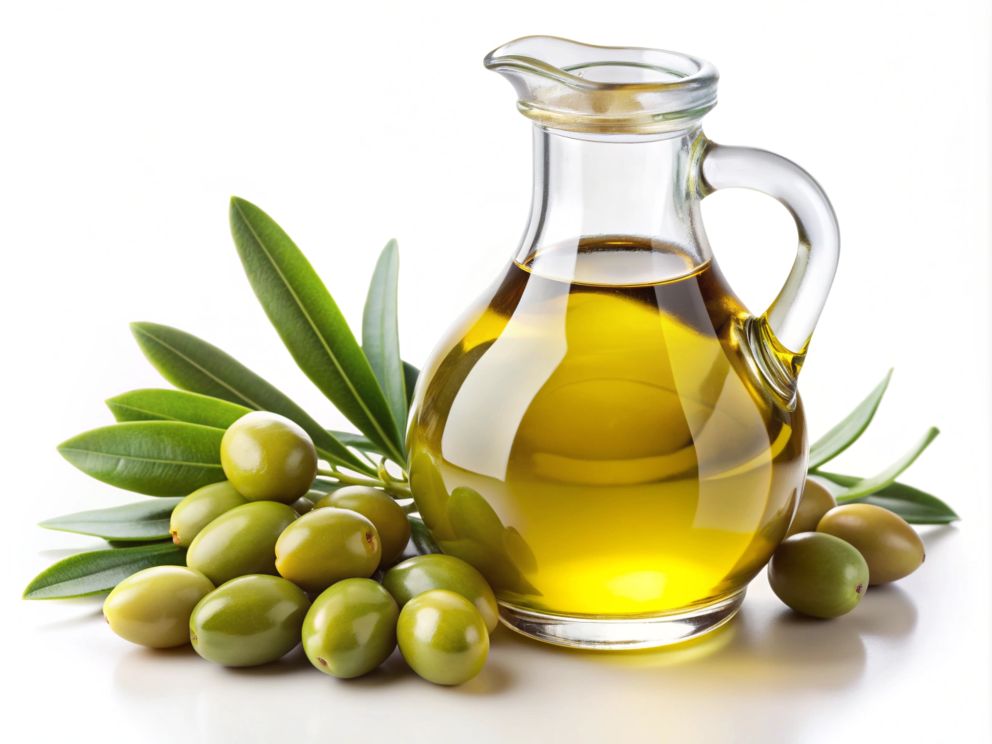
Real olive oil is made from freshly harvested olives that are carefully pressed to extract their oil, preserving the natural flavor and nutritional qualities without dilution or alteration.
The highest grade in the olive oil industry is extra-virgin olive oil (EVOO), which is extracted through traditional cold-pressing methods without the use of chemical refining.
High-quality olive oil is typically packaged in dark glass bottles to protect the oil from light and heat, which can quickly degrade its health-supportive compounds.
Furthermore, genuine EVOO typically has a distinct, grassy or peppery taste, reflecting its purity and high concentrations of antioxidants and healthy compounds.
In contrast, lower-quality blends may include refined seed oils such as soybean, sunflower, or canola oil, diminishing both flavor and integrity.
Watch the video below to learn the truth behind a common olive oil scam.
Health benefits of real olive oil
Due to its unique nutritional composition, real olive oil offers numerous benefits, making it a vital staple for a health-focused diet.
Here are four ways genuine olive oil supports a healthy body.
1. Source of antioxidants
“Authentic olive oil contains powerful antioxidants called polyphenols, which are natural plant compounds that help strengthen the body’s capacity to counter oxidative stress and support cellular health,” explains Dr. Berg.
Because it’s cold-pressed instead of heat-refined, good olive oil preserves high concentrations of these bioactive polyphenols, which maintain its nutritional integrity and flavor profile.
In addition to their antioxidant effects, olive oil’s polyphenols promote balanced immune responses, help maintain normal inflammatory processes, and contribute to cardiovascular wellness.
2. Supports weight management
Olive oil is a rich source of monounsaturated fats, which provide a steady energy source and support metabolic balance, two crucial aspects of effective weight management.
A study published in the European Journal of Nutrition found that women who regularly included EVOO lost more body fat than those who consumed soybean oil.
The authors also reported that participants who consumed EVOO had lower diastolic blood pressure, indicating that incorporating olive oil may boost cardiometabolic functions, which has been linked to better weight control.
3. Promotes heart health
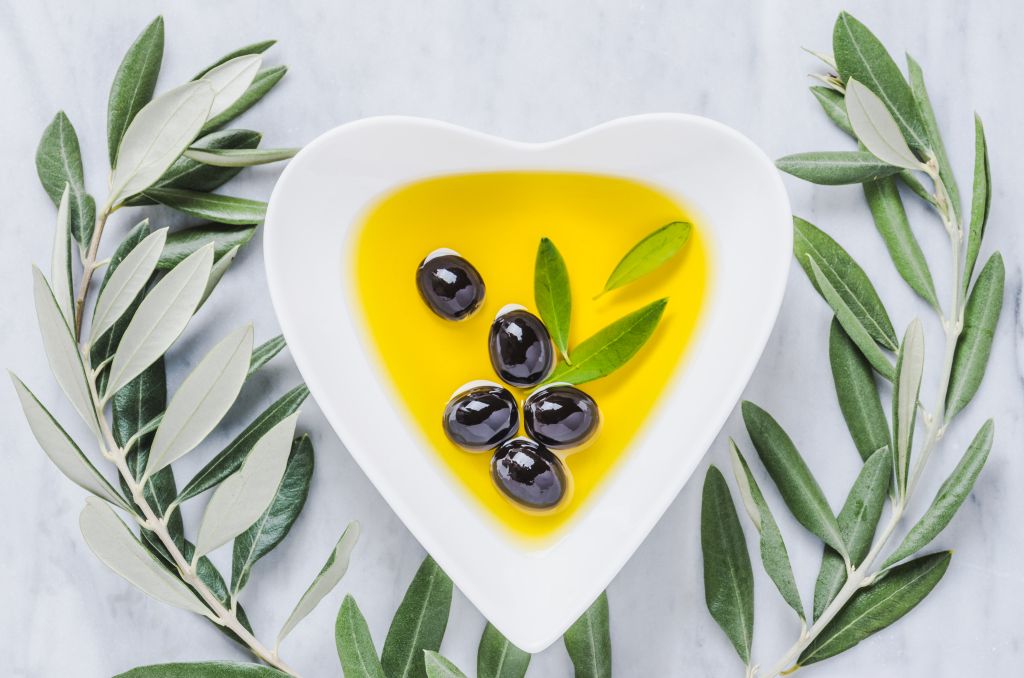
Including olive oil in your daily routine may promote cardiovascular health by providing a balanced mix of monounsaturated fats and natural antioxidants.
These nutrients help maintain balanced cholesterol levels and blood vessel integrity, which are vital factors in promoting healthy circulation and heart function.
Evidence published in Frontiers in Nutrition suggests that consuming up to 20 grams of olive oil per day appears to be associated with improved overall cardiovascular health.
4. Facilitates fat-soluble nutrient absorption
Vitamins A, D, E, and K are fat-soluble, meaning they require the presence of dietary fats for effective absorption in the small intestines.
Olive oil provides the ideal medium for this process, delivering the healthy fats necessary to absorb these essential nutrients during digestion.
EVOO’s natural polyphenol content also protects these fat-soluble nutrients from oxidation, preserving their stability and effectiveness in supporting metabolic functions.
The problem with fake olive oil
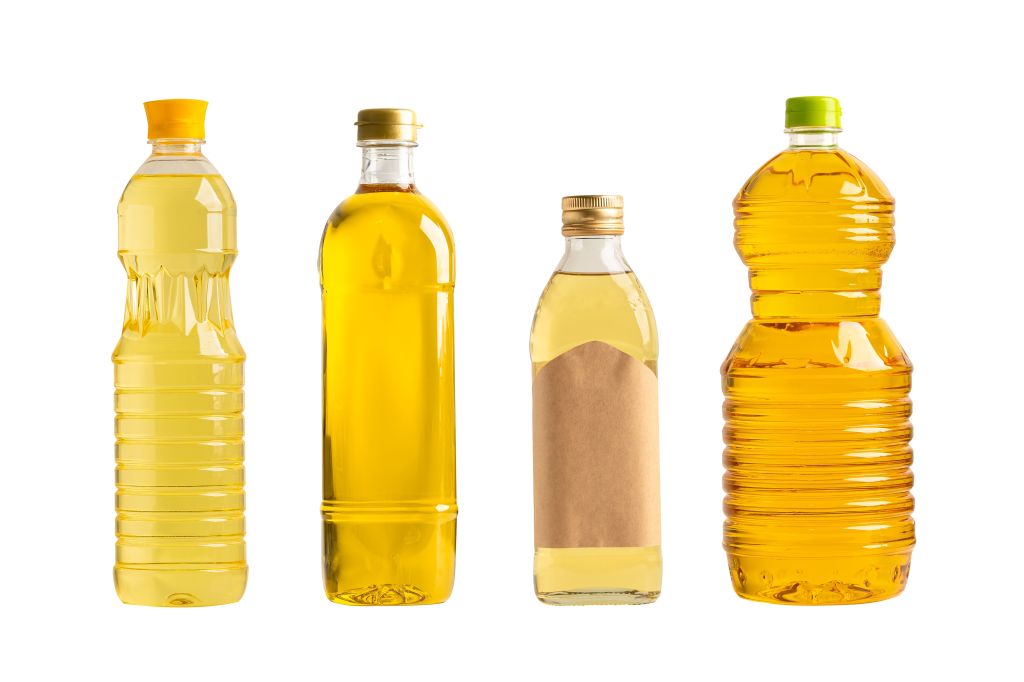
Olive oil fraud is more common than many realize, occurring when genuine products are diluted with cheaper oils like soybean or canola oil, which compromises both flavor and quality.
In addition, counterfeit oils are chemically refined to improve appearance or shelf life, removing many natural elements and significantly reducing potential health benefits.
Mass-produced blended oils are often made to cut costs, compromising both authenticity and freshness. This undercuts small producers who adhere to traditional olive oil production methods and prioritize transparency.
As a result, consumers are left with misleading labels and oils that fail to deliver the richness and purity expected from authentic varieties.

How to tell if olive oil is real
Authentic olive oil should have a fresh, herbal, or grassy aroma and a slightly bitter taste, indicating the presence of natural antioxidants.
Its color often ranges from golden yellow to deep green, depending on the olive variety and harvest time.
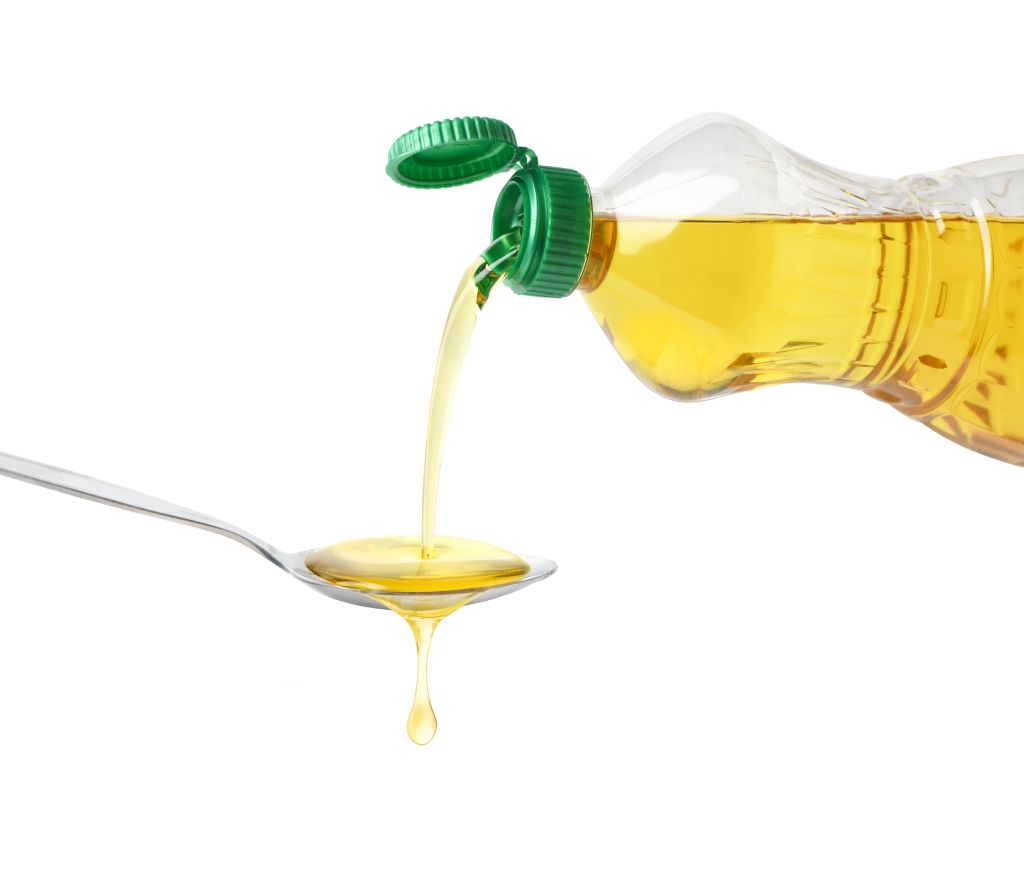
When poured, real olive oil has a smooth, thick texture that clings lightly to the sides of a bowl or spoon, reflecting its high quality and freshness.
On the other hand, blended or fake varieties made with potentially harmful seed oils often have a flat scent and lack the distinct sharpness of EVOO.
While conducting a fridge test can offer some insight into olive oil’s quality, it’s not a reliable way to verify authenticity.
When refrigerated, authentic Italian olive oil may turn cloudy and thicken slightly, returning to a clear, smooth consistency once warmed to room temperature.
While this natural thickening is influenced by the oil’s fatty acid composition, both high-quality and lower-quality oils can exhibit similar behavior.
During cooking, real olive oil retains its pleasant aroma and flavor at low to moderate heat, while imitation oils may smell burnt or lose taste quickly.
Common signs of fake olive oil
Recognizing fake olive oil requires understanding how real oils should look, taste, and smell.
Here are common signs indicating fake olive oil:
- Flat or greasy taste that lacks the sharp, peppery flavor of real olive oil
- No harvest or batch date on the label that indicates when the oil was made
- Light-colored or clear bottles that fail to protect the oil from light exposure
- No certification seals that confirm authenticity
- Low price that often signals blended or lower quality olive oil
- Unclear origin that provides no information about the region or production methods

Tips for buying authentic olive oil
The best quality oils are labeled extra virgin and cold-pressed, ensuring they’re produced without heat or chemical refining.
It’s also recommended to look for products with a harvest date rather than relying on “best by” or “bottled on” labels, as the harvest date more accurately reflects the oil’s freshness.
Additionally, check for the name of the producer or estate and the region of origin, as reputable brands are always transparent about the exact source of their olive oil.
Purchasing olive oil stored in dark bottles also helps maintain freshness by shielding the oil from light, which can degrade its quality.
Specialty stores and local markets often provide more reliable options, as these vendors focus on authenticity and proper storage.
Key takeaways
- Learning how to tell if olive oil is really olive oil starts with recognizing key signs, such as its distinct peppery taste and labels that include the exact harvest date and place of origin.
- Ensuring you purchase authentic olive oil not only offers the best taste and quality but also supports heart health, promotes the absorption of fat-soluble nutrients, and aids in weight management.
- Fake olive oil is often blended with inexpensive, inflammatory oils such as soybean, sunflower, or canola oil, which give it a greasy taste.
FAQ
- 1. How can you tell if olive oil is real or fake?
- 2. Is extra virgin olive oil 100% pure olive oil?
- 3. What is the difference between extra virgin and regular olive oil?
- 4. Can fake olive oil be harmful?
- 5. Why is extra virgin olive oil more expensive?
Sources
- https://pubmed.ncbi.nlm.nih.gov/28808791/
- Xia M, Zhong Y, Peng Y, Qian C. Olive oil consumption and risk of cardiovascular disease and all-cause mortality: A meta-analysis of prospective cohort studies. Front Nutr. 2022;9:1041203. https://pmc.ncbi.nlm.nih.gov/articles/PMC9623257/
Related Articles
-
Best Cooking Oils: Healthy Options for High-Heat Cooking
 Food and Drink
Best Cooking Oils: Healthy Options for High-Heat Cooking
At a glance The best cooking oils offer different advantages depending on how they are used in the kitchen. Factors such as smoke point, fatty acid composition, flavor, and processing…08/20/2026 -
What Is the Difference Between Virgin and Extra Virgin Olive Oil?
 Superfoods
What Is the Difference Between Virgin and Extra Virgin Olive Oil?
At a glance Virgin and extra virgin olive oils are both extracted from olives using mechanical methods, but extra virgin olive oil (EVOO) meets stricter quality standards. EVOO contains higher…03/06/2026 8.5k views -
Natural Pain Relief: Lifestyle and Nutrition Tips
 Health concerns
Natural Pain Relief: Lifestyle and Nutrition Tips
At a glance Natural pain relief focuses on dietary and lifestyle strategies that help manage discomfort and pain. Factors such as a poor diet, stress, and sedentary habits can worsen…02/26/2026 3.9k views -
7 Healthiest Foods and Why Your Body Needs Them
 Nutrition
7 Healthiest Foods and Why Your Body Needs Them
At a glance Eating nutrient-dense, minimally processed foods is crucial for maintaining long-term health, as they support digestion, cardiovascular function, energy production, and immune balance. Discover seven of the healthiest…01/08/2026 41.6k views -
What Is a Gallbladder Flush, and Is It Safe?
 Health concerns
What Is a Gallbladder Flush, and Is It Safe?
At a glance Gallbladder flushes are promoted as natural methods to clear gallstones and thick bile, but they can trigger significant digestive distress and may impair normal gallbladder function. Emphasizing…11/20/2025 18.3k views -
Coconut Oil vs. Olive Oil
 Nutrition
Coconut Oil vs. Olive Oil
At a glance Coconut oil and olive oil are two heart-healthy, keto-friendly fats that each offer unique benefits. While coconut oil provides medium-chain triglycerides (MCTs) for quick energy and antimicrobial…04/09/2025 30.6k views -
Six Fascinating Benefits of Ozonated Olive Oil
 Nutrition
Six Fascinating Benefits of Ozonated Olive Oil
At a glance Ozonated olive oil provides strong antibacterial, antiviral, and antifungal effects that promote wound healing, reduce infection naturally, and lower inflammation. It’s typically applied topically once or twice…04/09/2025 17.7k views -
Are Olives Keto-Friendly?
 Keto
KetoAre Olives Keto-Friendly?
At a glance Olives can easily fit into a ketogenic diet due to their low carbohydrate content and abundance of healthy fats. This unique fruit also delivers a rich profile…04/08/2025 2.6k views


