


At a glance
Morning sunlight and sleep are closely connected through the body’s circadian rhythm, which helps regulate alertness during the day and melatonin production at night. Getting natural light exposure shortly after waking may help you fall asleep earlier, improve sleep quality, promote a more consistent sleep-wake cycle, and support overall health.
Feeling groggy in the morning, wired at night, or unable to fall asleep at a reasonable hour may suggest a problem with your light exposure patterns throughout the day.
Learn how morning sunlight and sleep are biologically linked, how light intensity, timing, and nighttime habits can affect circadian rhythms, and practical ways to incorporate daylight exposure into a daily routine.
How light affects the body’s master clock
Throughout the day, outdoor light shifts in color and intensity. The human body has evolved to align its internal rhythms with these natural changes.
This alignment happens mainly through light‑sensitive receptors in the retina. These receptors detect ambient light and send signals to a region in the brain called the suprachiasmatic nucleus (SCN), the body’s central clock. The SCN continually interprets these light signals to keep your 24-hour circadian rhythm aligned with the actual time of day.
Acting like a conductor, the SCN sends timing cues to peripheral clocks—local timekeepers found in nearly every organ and tissue. Together, these clocks help keep your biology in sync, influencing key daily functions such as appetite, metabolism, and the sleep-wake cycle.
When light exposure is well timed and consistent, it supports a healthy circadian rhythm. As a result, you are far more likely to have more energy during the day and feel sleepy at bedtime.
When light signals are weak, irregular, or poorly timed, this internal coordination can break down, increasing the risk of insomnia, fragmented sleep, daytime fatigue, and other health issues.
Watch the video below to learn why natural sunlight exposure is crucial for overall health.
Why morning sunlight helps you sleep better
While the circadian rhythm is also influenced by factors such as physical activity, digestion, temperature, and hormone fluctuations, early morning sunlight serves as a primary anchor for your biological clock—especially your sleep-wake cycles.
“Sunlight does more than help the body make vitamin D,” explains Dr. Berg. “Morning sunlight helps signal the brain to stop producing the sleep hormone melatonin, while simultaneously triggering a natural surge in cortisol (sometimes known as the stress hormone) to help jumpstart daytime alertness.”
Not only does this help you feel more fully awake in the morning, but it also sets an internal timer for when you’ll feel tired again later that evening.
Consequently, when the internal clock routinely receives this high-intensity light signal early in the day, it helps stabilize the circadian phase, which is crucial for supporting healthy sleep patterns.
According to a study published in BMC Public Health, adults with more sunlight exposure before 10:00 a.m. experienced a natural shift toward an earlier sleep schedule, along with significantly better overall sleep quality.

Why indoor light may not be enough
Indoor light usually isn’t strong enough to replace natural sunlight. A room may look bright to your eyes, but it can still be dim from the perspective of the circadian system.
Brightness is measured in lux. A typical home or office may provide only a few hundred lux, while outdoor daylight exposure can reach thousands of lux, even on a cloudy day. Direct sun can be much brighter.
This matters because melanopsin, a light-sensitive protein in retinal cells that helps regulate circadian timing, is especially responsive to bright, short-wavelength, blue light. Morning daylight provides this type of signal far more effectively than typical indoor lighting, which often delivers much weaker circadian stimulation.
While blue-dominant light helps anchor your morning circadian rhythm, daytime exposure to bright sunlight also supports alertness and mood.
Recommendations published in PLOS Biology suggest that healthy adults living or working indoors should receive a minimum of 250 lux of melanopic equivalent daylight illuminance (EDI) throughout the day, prioritizing natural daylight through windows when available.
This window light is crucial because, as the study notes, common indoor artificial lighting “is substantially less efficient at stimulating melanopsin than natural daylight of equivalent illuminance.”
How evening light can disrupt your sleep cycle
The circadian rhythm depends on contrast. Bright days and dark nights tell the brain when to be alert and when to wind down.
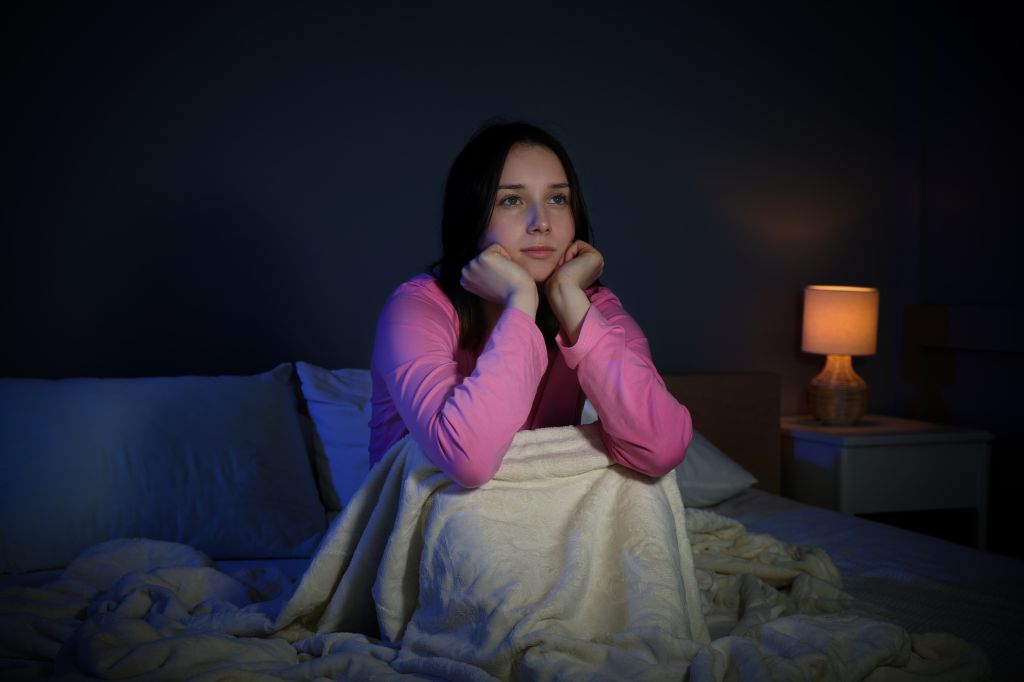
Late exposure to artificial light, especially from overhead lights, phones, tablets, computers, or televisions, can delay melatonin production and make it harder to fall asleep. Not only are they bright, but they often emit significant amounts of blue light, which tells the brain it’s daytime.
This can create a frustrating pattern. You may feel tired in the morning or early afternoon because you didn’t get enough morning light, then feel wired at night because your brain is exposed to too much light at nighttime.
A review published in Sleep Health found that brighter morning light was generally associated with better self-reported sleep outcomes, while brighter evening light was associated with worse self-reported sleep outcomes.
Focusing on both ends of the day—exposure to bright morning light and reduced exposure to light at night—may lead to more reliable improvements in your sleep cycle than focusing on morning habits alone.

Ways to get more morning sunlight
For many people, 10 to 30 minutes of morning light, ideally within the first hour or two of waking, is often enough to produce noticeable positive effects on energy and sleep. However, individual needs vary based on season, weather, work schedule, age, and baseline sleep patterns.
Unfiltered sunlight in the morning, without staring directly at the sun, is generally preferred for circadian rhythm support. The goal is to let natural light enter the eyes indirectly.
Taking a short morning walk, having breakfast or coffee outside on a porch or balcony, or even sitting near an open window are all simple ways to increase morning sunlight exposure. Even on a cloudy day, outdoor sunshine is usually much stronger than indoor light, so the habit is worth keeping year‑round.
During this short morning window, try not to wear sunglasses unless you need them for safety, driving, glare, or an eye condition. Sunglasses reduce the light signal reaching the retina and may weaken the circadian effect, though eye safety and your healthcare provider’s advice should always come first.
Light therapy
In winter, when sunrise is late, or for those who wake before dawn, a light therapy device can be useful. These lamps are designed to provide exposure to bright light that can help support the circadian clock and may improve sleep quality and mood when used consistently at the correct time of day.
However, light therapy is not the same as casual sunlight exposure. The timing, duration, and intensity of exposure are particularly important in people with sleep disorders, bipolar disorder, shift work schedules, or severe insomnia.
Anyone considering light therapy for a sleep issue should consult a healthcare provider to make sure it’s appropriate and decide on a safe, effective schedule.
Consistency
Consistency matters more than perfection. A short, daily morning routine of getting sunlight—at roughly the same time each day—often does more for the circadian clock than an occasional long exposure.
Over time, this consistent exposure to sunlight helps your brain expect wakefulness in the morning and rest at night, which can support better sleep, more stable sleep duration, and more energy during the day.
Nighttime habits for circadian support
Even if you get enough morning light, your evening habits still play a major role in how quickly you fall asleep and how restful your sleep feels.
To support better sleep, it’s recommended to dim your environment at least 2 hours before bed. When possible, substitute warmer lamps for bright overhead lighting.
It can also help to choose relaxing habits that don’t involve intense artificial light or stimulation before bedtime.
Stretching, reading a physical book, breathing exercises, journaling, or preparing for the next day can make the evening feel more like a transition into rest. When screens are unavoidable, lower screen brightness and turn on night mode.
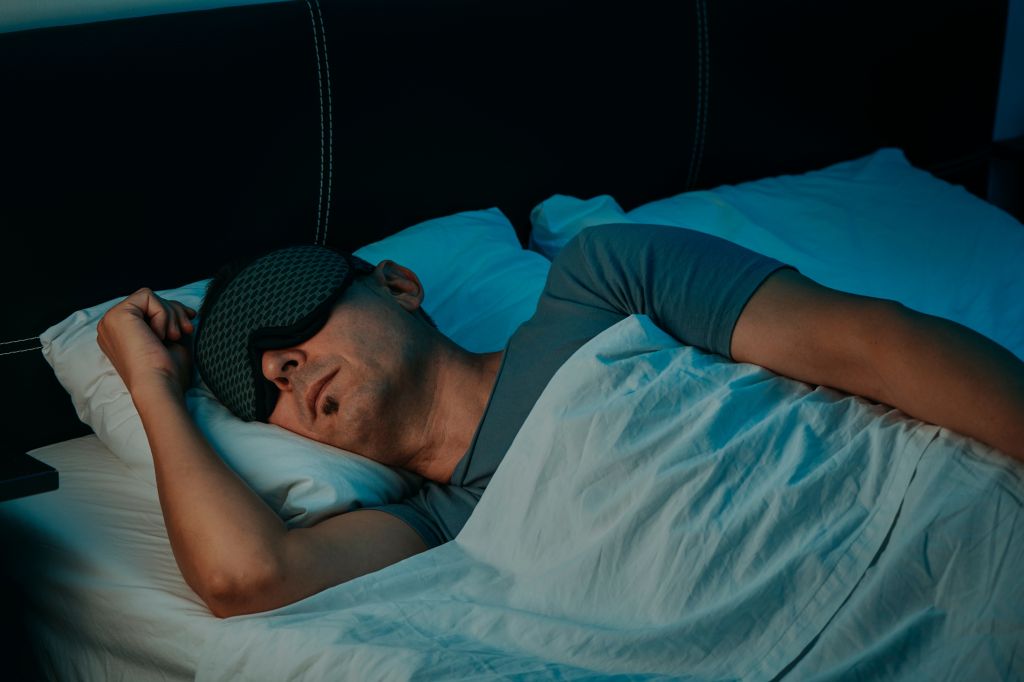
Keep the bedroom as dark as possible. Blackout curtains, an eye mask, and covering small lights from electronics can all help reduce unwanted nighttime light exposure.
Key takeaways
- Morning sunlight and sleep are linked through the body’s master clock, which uses light to help regulate cortisol, melatonin, and the sleep-wake cycle.
- Outdoor light is generally much brighter than indoor light, even on a cloudy day, which is one reason why natural sunlight is usually the strongest circadian signal.
- Getting sunlight exposure within the first hour or two of waking is thought to produce the strongest effect on the sleep-wake cycle.
- Bright artificial light at night can delay melatonin production and make it harder to fall asleep.
- A daily 10- to 30-minute window of morning sunlight exposure, paired with dimmer evenings, can help reinforce a healthier circadian rhythm.
FAQ
- 1. How long does it take for morning sunlight to improve sleep?
- 2. Does morning sunlight help you fall asleep earlier?
- 3. Does morning sunlight still work through a window?
- 4. Can light therapy lamps replace morning sunlight?


