

At a glance
While both skin tags and warts can be linked to human papillomavirus (HPV), they differ in appearance and how they affect the body. Targeted dietary and lifestyle choices can help strengthen the immune system and promote metabolic balance, which may reduce the risk of developing these growths.
Skin tags are benign growths that are estimated to affect approximately 50 percent of adults at some point in their lives. Although they’re physically harmless, skin tags can signal underlying metabolic issues or a weakened immune system.
Explore the connection between human papillomavirus (HPV) and skin tags, and learn about effective natural strategies to reduce their appearance and lower the risk of recurrence.
What are skin tags?
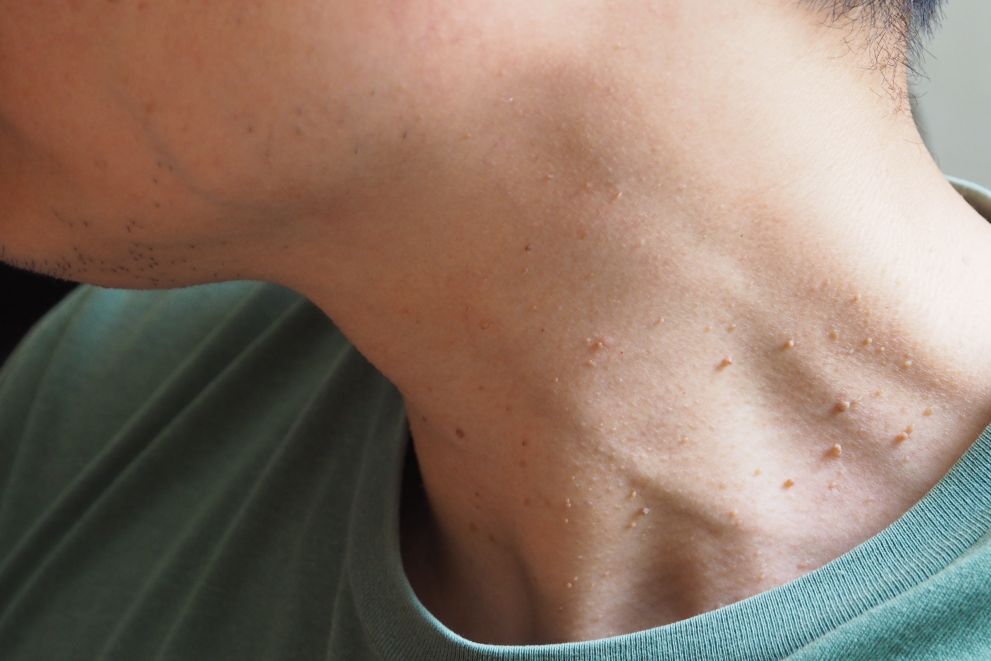
Skin tags, clinically known as acrochordons, are abnormal growths of skin cells that typically develop in high-friction areas where skin rubs together, such as the groin, neck, and armpits. Most skin tags are soft, small, and skin-colored, and attached to the skin’s surface by a thin stalk.
While the exact cause of skin tags is unknown, research published in the Journal of the Egyptian Women’s Dermatologic Society found a strong correlation between skin tags and conditions linked to insulin resistance and metabolic dysfunction.
The authors reported that comorbidities such as obesity, diabetes, or hypertension were present in 95 percent of individuals with skin tags, indicating that these growths may serve as an early warning sign of underlying cardiometabolic imbalances.
It also suggests that improving diet and lifestyle choices is likely a key step in naturally reducing the risk of skin tags. This also may explain why some people report fewer skin tags as they improve their metabolic health.
Watch the video below to discover how to get rid of skin tags and warts fast.
HPV warts vs. skin tags
Warts and skin tags are often mistaken for one another, but they’re not the same type of skin growth and have distinct characteristics.
While skin tags are fleshy growths that appear smooth, soft, and are attached to the body by a thin stalk, warts have a rougher texture and a firm base that grows directly from the skin.
Tags typically appear in folds where the skin rubs together repeatedly, such as on the neck, eyelids, under the arms, and in the groin area.
Warts, on the other hand, develop mostly on the hands, fingers, genitals, and feet, though they can form anywhere on the body.
Skin tags typically don’t cause physical discomfort, unless they are accidentally snagged or scratched.
In contrast, warts, especially genital warts and plantar warts, can develop into painful skin lesions, causing itching, burning, soreness, discomfort, or bleeding.
While multiple skin tags can appear in one area, they’re considered benign tumors and non-contagious.
Warts are highly contagious and can spread to surrounding skin or to other individuals through skin-to-skin contact, sexual intercourse, or by sharing items such as towels, clothing, or razors.
The HPV-skin tag connection
Both warts and skin tags are types of abnormal skin growths. However, there’s no current research confirming that skin tags are caused by HPV, whereas warts are a direct result of a HPV infection.
That said, evidence published in Dermatology Practical & Conceptual notes that between 49 and 88 percent of skin tags contained some form of HPV DNA, suggesting a potential link in their development.
In addition, it’s believed that HPV infections can impair the body’s ability to detect and correct abnormal cellular activity, including changes that contribute to the development of skin tags.

Natural remedies for skin tags and warts
Several topical and nutritional remedies have been shown to support normal skin appearance and help the body manage unwanted skin growths, such as tags and warts.
Here are four natural remedies for managing skin tags and warts.
1. Tea tree oil
Tea tree oil contains various compounds known for their antimicrobial activity, which may help create a less favorable environment for HPV replication.
In a small study published in the International Archives of BioMedical and Clinical Research, tea tree oil was applied directly to warts with a cotton swab twice daily after gently cleansing the area.
Researchers observed that this topical application was associated with visible reductions in wart appearance within 10 to 20 days.
2. Foods rich in fat-soluble vitamins
Fat-soluble vitamins, especially vitamins A and E, support normal skin cell growth and immune balance, and play an important role in how the body responds to viral and environmental stress.
Research published in Cancers highlights that optimal vitamin A and E levels were consistently associated with lower persistence and less severe markers of HPV-related changes.
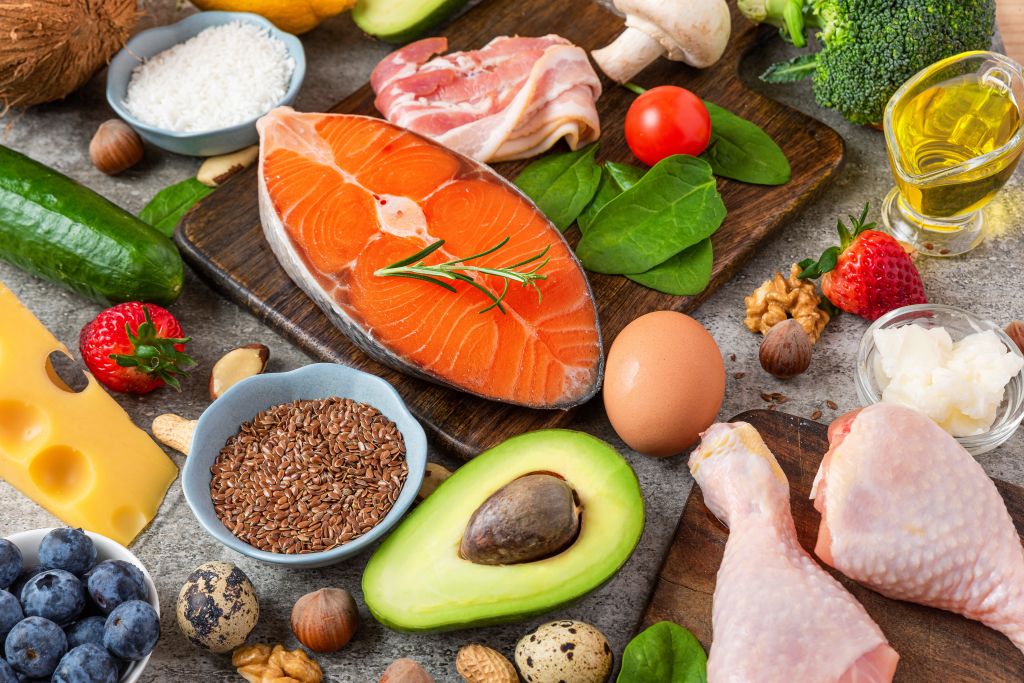
This highlights the importance of prioritizing foods rich in vitamin A and E, including wild-caught fatty fish such as sardines and anchovies, pasture-raised organ meats, egg yolks, and other whole foods that naturally provide these fat-soluble nutrients.
3. Povidone-iodine and crushed garlic
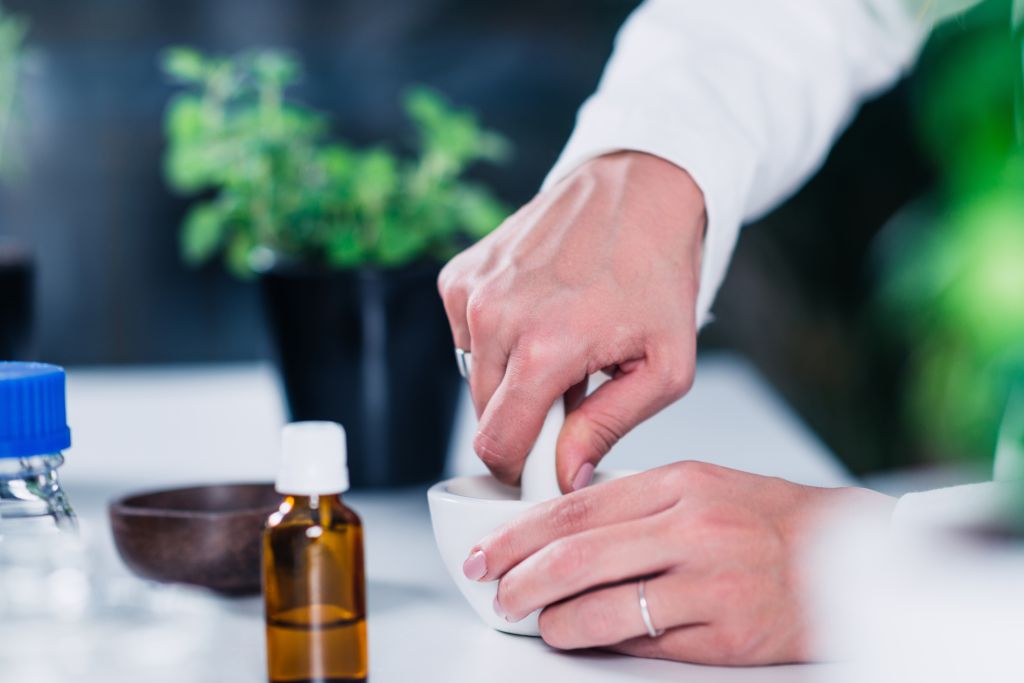
Diluted povidone-iodine combined with crushed garlic offers potent antimicrobial properties that may benefit those with HPV-related skin growths.
To create this home remedy, mix one drop of diluted povidone-iodine with one clove of freshly crushed garlic. Use a cotton swab to apply a small amount to the skin tag or wart, then cover with a bandage or band-aid.
Some people may experience skin irritation when using topical remedies. Always perform a patch test first and discontinue use if redness, burning, or discomfort occurs.
4. Adopt a Healthy Keto® lifestyle
Skin tags are associated with obesity and insulin resistance. These conditions are often driven by high‑carbohydrate, ultra‑processed diets and sedentary lifestyle habits, which promote chronically elevated blood sugar and insulin levels.
Because insulin is a growth‑promoting hormone, elevated insulin signaling can influence how skin cells grow and repair, potentially increasing the likelihood of abnormal skin growths, including skin tags and related lesions.
A nutritious, whole‑food, low‑carbohydrate eating pattern such as Healthy Keto® emphasizes low‑glycemic foods that support normal insulin levels, stable blood glucose regulation, and improved metabolic flexibility.
Over time, a nutrient-focused low-carb meal plan can help create a metabolic environment that supports healthy cellular turnover and immune regulation.
Diet and lifestyle tips for HPV
HPV can remain dormant in the body for years by evading immune surveillance. When active, this virus can weaken immune defenses and interfere with normal cell cycling, contributing to the development of warts and painful lesions.
While there’s no known cure for HPV, supporting immune health with beneficial dietary and lifestyle choices is essential for helping the body better manage HPV.
“A skin tag or wart can be an indicator and may signal your body’s way of communicating that something is going on,” explains Dr Berg. “The goal isn’t just to manage the symptom, but to address underlying issues, such as poor immune function.”
Here are four diet and lifestyle tips for HPV.
1. Avoid pro-inflammatory foods
A study published in BMC Public Health found that pro‑inflammatory diets, which are typically high in refined carbohydrates, added sugars, ultra‑processed snacks, processed meats, and generally nutrient‑poor foods, increased the odds of HPV infection by 27 percent.
This highlights how significantly everyday food choices affect immune resilience and overall well-being.
Adopting a Healthy Keto diet, centered on nutrient‑dense, low‑carb foods, can help improve diet quality and reduce key drivers of inflammation and immune dysfunction, including poor blood sugar control and insulin resistance.
2. Engage in regular physical activity
Evidence published in Frontiers in Public Health found that individuals who followed a balanced, whole-food diet and regularly engaged in moderate physical activity were less likely to show markers of HPV infection than those who were less active.
Research published in Sports Medicine and Health Science highlights that even brief workout sessions of ten minutes or less can be an efficient way to support overall health.
These may include short intervals of jumping jacks, squats, lateral lunges, stair climbing, planks, or sprint cycling throughout the day to support cardiovascular fitness, muscular endurance, and healthy immune function.

3. Prioritize sleep and stress management
Chronic stress raises levels of the stress hormone cortisol, which can interfere with insulin signaling and gradually diminish immune function.
Poor sleep can amplify this by further imbalancing cortisol levels, driving inflammation, and impairing immune regulation.
Maintaining a consistent sleep schedule, limiting evening screen exposure, and incorporating simple stress‑reduction practices, such as walking in nature, deep breathing, or gentle stretching, can help improve sleep patterns and support the hormonal balance needed for healthy immune function.
4. Incorporate immune-supportive nutrients
Prioritizing foods rich in zinc, vitamins A, D, and E, as well as B-vitamins, helps support optimal immune defenses and effective cellular repair.
Minimally processed whole-food sources of these nutrients include pasture-raised red meat, egg yolks, organ meats, grass-fed butter, wild-caught fatty fish, raw sauerkraut, and leafy green vegetables.
Regular, safe sun exposure also supports healthy vitamin D levels, which play a fundamental role in both skin health and robust immune system defenses.

When to talk to your doctor
Although skin tags are usually harmless, any new or changing skin growth should be professionally evaluated.
Consult a healthcare provider if a growth:
- Changes rapidly in size, shape, or color
- Becomes painful or bleeds
- Has a rough or irregular surface
- Appears suddenly or in large numbers
A physical examination can help diagnose skin tags, genital warts, or other concerning growths, such as melanomas, and help determine the need for removal or other treatment options.
Key takeaways
- Skin tags are common, noncancerous growths that often form in skin folds and high-friction areas.
- While HPV DNA is frequently detected in skin tags, these benign growths aren’t directly caused by this virus and, unlike warts, aren’t contagious.
- It’s believed that skin tags are strongly associated with insulin resistance and metabolic dysfunction.
- Supporting insulin balance, improving nutrient status, prioritizing sleep quality, and regulating stress, along with regular exercise, promotes skin health and immune functions.
FAQ
- 1. Are skin tags caused by HPV?
- 2. Are HPV-related skin growths contagious?
- 3. Is it okay to ignore skin tags?
- 4. What helps get rid of skin tags?
- 5. How are genital warts diagnosed?
Sources
- Abdel-Rahman AT, Elsaied SA, Mohammed SS. Prevalence, clinical criteria, and risk factors of skin tags. Journal of the Egyptian Women’s Dermatologic Society. 2023;20(2):106-113. doi:10.4103/jewd.jewd_52_22 https://journals.lww.com/jewds/fulltext/2023/20020/prevalence,_clinical_criteria,_and_risk_factors_of.5.aspx
- Dianzani C, Paolini F, Conforti C, Silvestre M, Flagiello F, Venuti A. Human papillomavirus in skin tags: a case series. Dermatology practical & conceptual. 2018;8(4):295-296. doi:10.5826/dpc.0804a08 https://pmc.ncbi.nlm.nih.gov/articles/PMC6246066/
- , Alsanad SM, Alkhamees OA. Tea Tree Oil (Melaleuca alternifolia)-An Efficient Treatment for Warts: Two Case Reports. International Archives of BioMedical and Clinical Research. 2016;2(4). doi:10.21276/iabcr.2016.2.4.1 https://www.researchgate.net/publication/313333903_Tea_Tree_Oil_Melaleuca_alternifolia-An_Efficient_Treatment_for_Warts_Two_Case_Reports
- Guitian M, Reina G, Carlos S. The Role of Nutrition in HPV Infection and Cervical Cancer Development: A Review of Protective Dietary Factors. Cancers. 2025;17(18). doi:10.3390/cancers17183020 https://pmc.ncbi.nlm.nih.gov/articles/PMC12469099/
- “The dietary inflammatory index (DII®) and human papillomavirus infection: a cross-sectional study of US women.” Link.Springer. https://link.springer.com/article/10.1186/s12889-024-20490-0
- “Frontiers.” Frontiers. https://www.frontiersin.org/journals/public-health/articles/10.3389/fpubh.2024.1421636/full
- “Exercise snacks and physical fitness in sedentary populations.” ScienceDirect. https://www.sciencedirect.com/science/article/pii/S2666337624000283
Related Articles
-
Niacinamide vs. Niacin Supplements
 Nutrition
Niacinamide vs. Niacin Supplements
At a glance Niacinamide and niacin are both forms of vitamin B3, but there are key differences in how they function in the body. Niacin is associated with flushing and…07/03/2026 -
Does Bone Broth Break a Fast?
 Diet
DietDoes Bone Broth Break a Fast?
At a glance While bone broth is often considered fasting-friendly, it does contain calories and amino acids that can interrupt the metabolic state of fasting. While it’s rich in collagen,…03/27/2026 -
What Is the Top Cause of Rosacea?
 Health concerns
What Is the Top Cause of Rosacea?
At a glance Rosacea is a chronic skin condition marked by facial redness and discomfort. The cause of rosacea extends beyond the skin, with growing research highlighting the connection between…02/20/2026 8.1k views -
5 Natural Remedies for Ringworm and Prevention Tips
 Natural remedies
5 Natural Remedies for Ringworm and Prevention Tips
At a glance Ringworm is a common and highly contagious fungal skin infection that thrives in warm, moist environments. It can affect many areas of the body and is easily…02/06/2026 8.3k views -
8 Green Tea Benefits for Skin Health
 Skin health
8 Green Tea Benefits for Skin Health
At a glance Green tea is a rich source of antioxidants and polyphenols, including EGCG, which has profound skin health benefits. The anti-inflammatory, antimicrobial, and anti-aging properties of green tea…02/06/2026 19.6k views -
5 Causes of Itching and How to Get Relief
 Health concerns
5 Causes of Itching and How to Get Relief
At a glance Itching can be triggered by changes on the skin's surface or by factors such as everyday stress and hormonal imbalances. Common triggers include allergic reactions, inflammatory conditions,…01/23/2026 3.8k views -
Dark Spots on Skin: Causes and Natural Remedies
 Health concerns
Dark Spots on Skin: Causes and Natural Remedies
At a glance While dark spots on skin are a normal part of aging, they may also reflect poor lifestyle and dietary habits, and can be improved with targeted changes.…01/22/2026 6.5k views -
Does Vitamin D Help with Acne?
 Skin health
Does Vitamin D Help with Acne?
At a glance Vitamin D plays important roles in immune regulation, microbial balance, and sebaceous gland activity, all of which may lower the risk of acne. Maintaining adequate sunlight exposure…01/08/2026 36.7k views -
Psoriasis Relief: Everyday Habits for Healthier Skin
 Health concerns
Psoriasis Relief: Everyday Habits for Healthier Skin
At a glance Psoriasis is an inflammatory skin condition marked by red, itchy, and scaly patches caused by rapid skin cell buildup. Symptoms can range from mild irritation to widespread…12/11/2025 5.3k views -
5 Spider Vein Natural Remedies
 Health concerns
5 Spider Vein Natural Remedies
At a glance Spider veins are often influenced by genetics, hormonal shifts, and circulatory factors. Natural remedies that support healthy circulation and vein integrity, combined with targeted lifestyle habits, may…11/20/2025 19.6k views