


At a glance
Vitamin K2 helps regulate calcium balance and supports blood clotting, two key processes that promote bone strength, vascular health, and reproductive function. Its role in activating clotting proteins may help maintain normal menstrual flow and reduce the risk of heavy bleeding. Found in fermented and animal-based foods, vitamin K2 also supports healthy circulation and tissue integrity throughout the body.
Vitamin K2 plays a critical role in blood clotting, and prioritizing vitamin K2-rich foods may offer a potential solution for women seeking relief from excessive menstrual bleeding.
Discover the benefits of maintaining optimal levels of vitamin K2 for heavy periods and learn how to incorporate this essential nutrient into your diet.
What is vitamin K?
Vitamin K naturally occurs in two forms: vitamin K1 and vitamin K2.
While vitamin K1 is predominantly found in plant foods such as leafy greens, vitamin K2 can be obtained from animal products and fermented foods.
Vitamin K1 is a fat-soluble vitamin that activates proteins needed for blood clotting and wound healing.
In addition to regulating blood clotting, vitamin K2 regulates calcium balance and redirects calcium away from soft tissues into bone and teeth.
This supports optimal bone density and protects soft tissues such as blood vessels, tendons, and joints from the negative impacts of calcium accumulation.
Vitamin K2 is regarded as the more bioactive form of vitamin K, and research published in Nutrition and Metabolism indicates that it plays a greater role in maintaining optimal levels and preventing deficiencies.1
Watch the video below to discover the impressive health benefits of vitamin K2.
Causes of heavy menstrual bleeding
Heavy menstrual bleeding, or menorrhagia, can be caused by various factors.
Imbalanced levels of female sex hormones, such as estrogen and progesterone, can deregulate the menstrual cycle and trigger the thickening of the uterine lining, which can lead to heavy periods.
Hormonal imbalances frequently contribute to the development of polycystic ovary syndrome (PCOS), a condition often associated with menstrual irregularities, including heavy bleeding.
Uterine fibroids are another common cause of heavy menstrual bleeding. These noncancerous growths in the uterine lining can impair normal blood clotting and increase menstrual flow.
Other potential causes of menorrhagia include:
- Uterine polyps
- Obesity
- Endometriosis
- Intrauterine devices (IUDs)
- Chronic stress
- Pelvic inflammation
- Certain medications, such as blood thinners and hormonal treatments
Signs of heavy periods
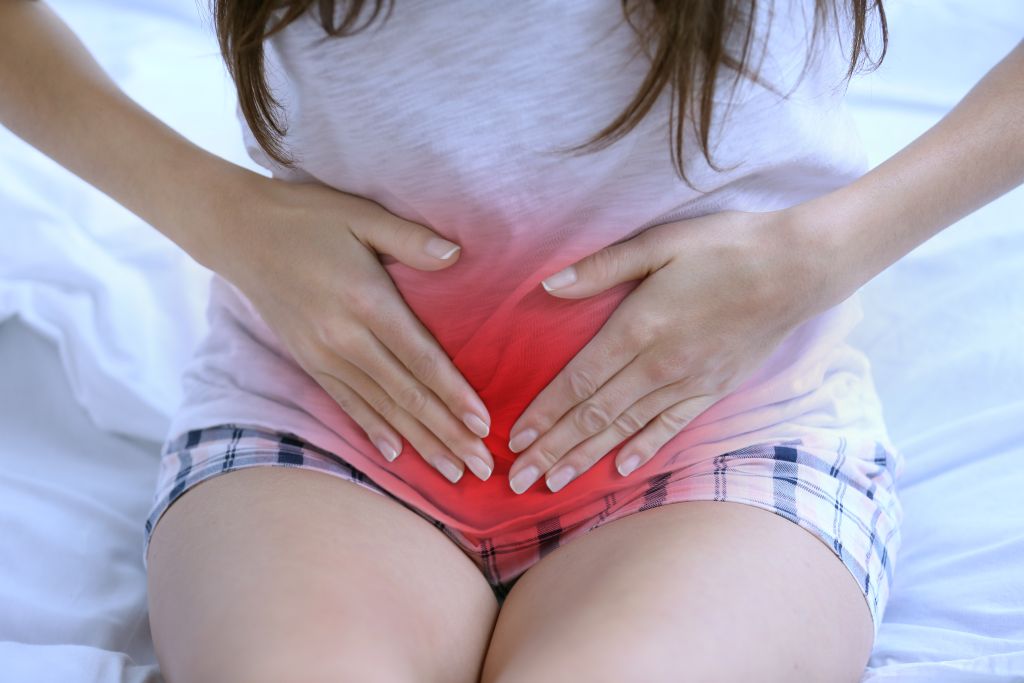
Menorrhagia is characterized by abnormally heavy or prolonged menstrual bleeding during a woman’s menstrual cycle.
According to a report published by Harvard Health, around ten percent of women develop menorrhagia at some point in their lives.2
Here are common signs and symptoms of heavy periods:
- Excessive bleeding
- Large blood clots
- Severe menstrual pain
- Difficulties managing menstrual flow
Risks of heavy menstrual bleeding
Heavy menstrual bleeding can be a disruptive health issue and is associated with several potential risks and complications.
Chronic heavy bleeding may lead to iron-deficiency anemia, linked to fatigue, weakness, pale skin, and chest pain.
Menorrhagia can interfere with daily activities and make it challenging to engage in physical activity, and women suffering from heavy periods often experience emotional stress and anxiety.
If you are suffering from heavy periods, it’s crucial to consult a healthcare provider for a thorough evaluation of your symptoms and overall health status to identify potential underlying health issues contributing to excessive bleeding.
The benefits of vitamin K2 for heavy periods
Research published in Hematology suggests that almost 90 percent of women with menorrhagia have an underlying bleeding disorder or show signs of impaired uterine blood coagulation.3
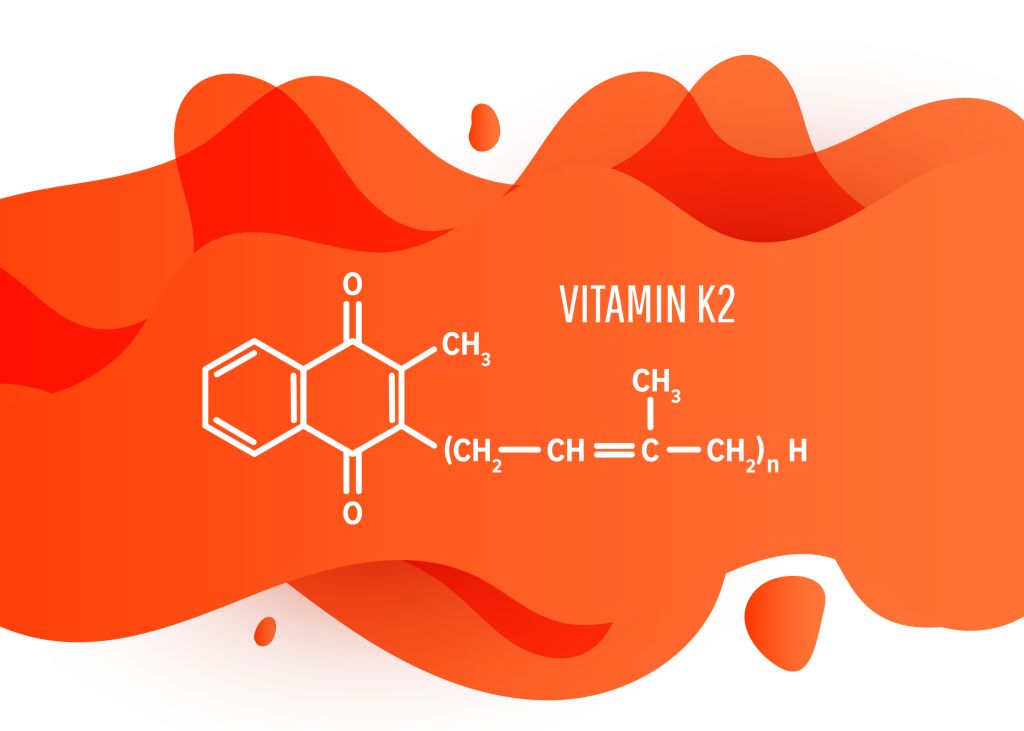
Vitamin K-dependent proteins play a critical role in blood clotting, a crucial aspect of regulating proper blood coagulation and preventing excessive bleeding.
Adequate levels of vitamin K are necessary for the production and activation of these clotting proteins, and a deficiency of vitamin K can lead to impaired blood clotting processes, significantly increasing the risk of heavy periods.
Other benefits of vitamin K
Although vitamin K plays a critical role in various physiological functions, the importance of maintaining a healthy vitamin K status is often overlooked.
Here are three health benefits of vitamin K2.
1. Supports cardiovascular health
Vitamin K redirects calcium from the blood into the bones and teeth, which supports balanced calcium levels and can help lower the risk of calcium deposits in soft tissues such as blood vessels, joints, and tendons.
Poor dietary habits and lack of adequate vitamin K intake can increase the risk of arterial calcification, a leading cause of clogged arteries and other cardiovascular diseases such as heart attacks and strokes.
2. Promotes reproductive health
A study published in Children suggests that adequate vitamin K2 levels during pregnancy may support fetal bone development and help promote healthy blood clotting during childbirth.4
Vitamin K also helps reduce the risk of vitamin K deficiency bleeding, also known as hemorrhagic disease, in newborn infants.
This serious condition is characterized by internal bleeding, including in the brain and digestive system, and is typically caused by insufficient blood clotting due to a lack of adequate vitamin K.
3. Supports healthy skin and hair growth
An increasing number of dermatologists suggest that vitamin K2 may play a role in skin and hair health.
It’s believed that vitamin K2 supports healthy skin and hair by helping regulate calcium balance, which is important for maintaining skin elasticity and strength.
Additionally, its role in blood clotting promotes proper circulation, supporting nutrient delivery to the skin and hair follicles for overall vitality and repair.

Signs of low vitamin K
Vitamin K is essential for blood clotting and bone health, and low vitamin K status can significantly impact your health.
Severe vitamin K deficiency is associated with excessive bleeding, easy bruising, and gastrointestinal bleeding, which is often accompanied by blood in the stool or urine.
Here are common signs of low vitamin K:
- Excessive bleeding
- Easy bruising
- Bleeding gums
- Soft and brittle bones
- Poor wound healing
- Recurrent infections
The liver plays an essential role in vitamin K absorption, and individuals with liver disease, such as cirrhosis or fatty liver, are at increased risk of vitamin K deficiency.

Sources of vitamin K2
Vitamin K2 is naturally present in a variety of animal-based and fermented foods.
Fermented options like kefir, sauerkraut, kimchi, and especially natto (a traditional Japanese dish made from fermented soybeans), are among the best sources of vitamin K.
Animal-derived foods such as egg yolks, liver, oily fish, butter, and certain aged cheeses also provide valuable amounts of vitamin K2.
While some beneficial gut bacteria can produce vitamin K2, a fact sheet published by the National Institutes of Health (NIH) notes that it’s still uncertain whether this internal production is sufficient to maintain optimal levels.5
This underscores the importance of prioritizing vitamin K2-rich foods to support healthy periods and promote overall reproductive functions.
Key takeaways
- Adequate vitamin K2 levels promote healthy circulation, bone density, and tissue integrity while helping prevent calcium buildup in blood vessels and joints.
- Vitamin K2 plays a crucial role in maintaining healthy blood coagulation, and insufficient levels may lead to excessive bleeding or heavier menstrual flow.
- Vitamin K2-dependent proteins are essential for proper clotting, and maintaining sufficient intake from sources such as cheese, egg yolks, and fermented foods supports healthy menstrual flow.
FAQ
- 1. Does vitamin K reduce menstrual bleeding?
- 2. What vitamins help with heavy menstrual bleeding?
- 3. Does vitamin K2 thicken blood?
- 4. What is the difference between vitamin K1 and vitamin K2?
Sources
- https://pmc.ncbi.nlm.nih.gov/articles/PMC5494092/ ↩︎
- https://www.health.harvard.edu/decision_guide/heavy-menstrual-periods ↩︎
- https://pmc.ncbi.nlm.nih.gov/articles/PMC6142441/ ↩︎
- https://www.mdpi.com/2227-9067/9/1/78 ↩︎
- https://ods.od.nih.gov/factsheets/VitaminK-HealthProfessional/ ↩︎
Related Articles
-
Liquid vs. Capsule Vitamin D Supplements
 Nutrients
Liquid vs. Capsule Vitamin D Supplements
At a glance Vitamin D is a fat-soluble nutrient that functions more like a hormone than a traditional vitamin by regulating calcium absorption, supporting immune function, and influencing critical cellular…05/21/2026 -
Can You Reverse Atherosclerosis?
 Health concerns
Can You Reverse Atherosclerosis?
At a glance Can you reverse atherosclerosis? While plaque may not fully disappear, the progression of atherosclerosis can be slowed and plaque stability may improve over time. Atherosclerosis develops gradually…03/06/2026 50.4k views -
4 Asthma Remedies to Try at Home
 Health concerns
4 Asthma Remedies to Try at Home
At a glance Asthma is a chronic inflammatory condition that narrows the airways and makes breathing difficult, especially during asthma attacks. While conventional care is often necessary, natural asthma remedies…03/06/2026 17.6k views -
Osteoporosis and Osteopenia: How to Support Strong Bones
 Health concerns
Osteoporosis and Osteopenia: How to Support Strong Bones
At a glance Osteopenia and osteoporosis are age-related conditions marked by gradual bone density loss that often develops without clear symptoms. Changes in bone strength can increase fracture risk and…01/08/2026 5.9k views -
5 Supplements That Actually Work
 Nutrition
5 Supplements That Actually Work
At a glance Choosing the right supplements is crucial because the quality and bioavailability of nutrients significantly impact how well they support energy production, metabolic health, and immune balance. Many…12/19/2025 3.1k views -
Vitamin D Overdose: Can You Take Too Much Vitamin D?
 Nutrition
Vitamin D Overdose: Can You Take Too Much Vitamin D?
At a glance Vitamin D is essential for bone health, immune function, and overall well-being. While supplementation can help manage a deficiency, excessive vitamin D intake can lead to toxicity,…04/09/2025 23.1k views -
Four Powerful Vitamins (Nutrients) That Remove Plaque from Arteries
 Health concerns
Four Powerful Vitamins (Nutrients) That Remove Plaque from Arteries
At a glance Arterial plaque forms as a response to blood vessel damage, which can be influenced by various lifestyle habits. While reducing common stressors is essential, specific nutrients can…04/09/2025 61.6k views -
6 Benefits of Taking Vitamin D3 with Vitamin K2 and Magnesium
 Nutrition
6 Benefits of Taking Vitamin D3 with Vitamin K2 and Magnesium
At a glance In nature, nutrients are rarely isolated and depend on co-helper vitamins and minerals to support key bodily processes. Vitamin D3, K2, and magnesium benefit skeletal, skin, and…04/09/2025 76.8k views -
How Much Vitamin D3 Should I Take?
 Nutrition
How Much Vitamin D3 Should I Take?
At a glance Vitamin D3 is the natural form that the skin produces from sunlight. How much vitamin D3 you should take depends on biological and environmental factors. Sunlight, organ…04/09/2025 35.5k views -
Can Low Vitamin D Cause Heart Palpitations?
 Health concerns
Can Low Vitamin D Cause Heart Palpitations?
At a glance Low vitamin D levels may contribute to heart palpitations, as vitamin D supports calcium balance, nerve signaling, and normal muscle contraction. Maintaining healthy vitamin D levels through…04/08/2025 14.4k views