

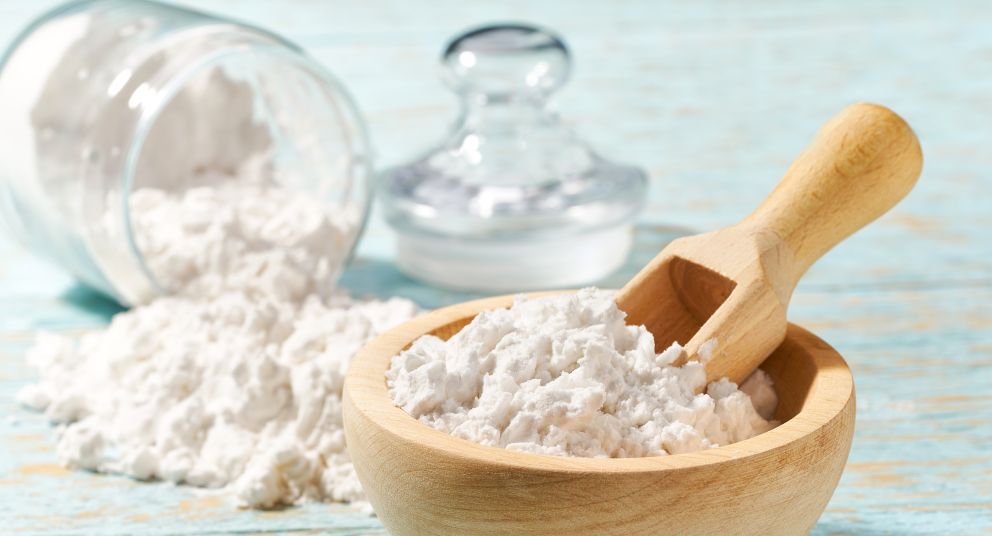
At a glance
Hidden starches are often used in packaged foods to enhance consistency and extend product freshness. These ingredients may appear on food labels under names such as modified food starch, maltodextrin, cornstarch, or tapioca starch, making them easy to overlook when shopping. Fortunately, they can often be identified by reviewing ingredient lists and choosing whole foods.
Many packaged foods contain hidden starches that are added to improve texture, maintain consistency, or extend shelf life.
Because these ingredients can appear under various names, they aren’t always easy to identify by quickly scanning a food label.
Let’s explore where hidden starches are commonly found, their effects on the body, and how to recognize them when shopping for everyday foods.
What are hidden starches?
Hidden starches are ingredients added to packaged foods to improve texture, thickness, stability, or shelf life.
They’re commonly derived from sources such as corn, potatoes, wheat, rice, or tapioca.
Because starch consists of long chains of sugar molecules, it contributes to the total carbohydrate content of foods.
Although these ingredients are often added in small amounts to food products, they can increase the carb content of processed foods significantly without being obvious to consumers.
While some starches occur naturally in foods, hidden starches are often added during processing and can be found in products such as soups, sauces, salad dressings, deli meats, dairy products, and packaged snacks.
Brands may use several different names for starches, including:
- Modified food starch
- Cornstarch
- Potato starch
- Tapioca starch
- Rice starch
- Wheat starch
- Arrowroot starch
- Pea starch
- Cassava starch
- Maltodextrin
Watch the video below to learn which starch is one of the most dangerous carbs in the world.
Negative health effects of hidden starches
Regularly consuming large amounts of starch-containing processed foods may make it more difficult to maintain healthy eating habits.
Here are three ways hidden starches can affect overall nutrition and food choices.
1. May contribute to elevated blood sugar levels
Research published in The American Journal of Clinical Nutrition suggests that some starches can raise blood sugar just as quickly, or even faster, than sugar or some sugar substitutes.
Many hidden starches are added to highly refined products and can be rapidly digested and absorbed after a meal.
As a result, foods containing added starches may contribute to larger increases in blood glucose levels than consumers might expect.
2. Can promote overeating
Starch additives are commonly found in products such as crackers, chips, baked goods, frozen meals, and sauces.
Many of these foods are also made with refined ingredients, including corn syrup, and contain less fiber than vegetables, nuts, seeds, and other minimally processed options.
Because fiber, protein, and healthy fats contribute to fullness after eating by digesting slowly, meals built around starch products may be less satisfying. The decreased satiety can also lead to intense cravings, further increasing the likelihood of consuming additional calories throughout the day.
This makes starch products especially important to avoid for those hoping to lose weight.
3. May reduce nutrient intake
Starch-based ingredients are often extracted from grains, tubers, and other plant sources before being incorporated into packaged foods.
During manufacturing, portions of the original food that naturally contain fiber, vitamins, and minerals may be removed, leaving behind a concentrated source of starch.
As a result, products containing these ingredients can provide more carbs relative to their micronutrient content than foods in their original form.
In contrast, whole foods such as fibrous vegetables, seeds, eggs, and high-quality proteins naturally provide a broader range of nutrients and beneficial compounds associated with various health benefits.
These foods contain antioxidants, healthy fats, and amino acids that support normal cellular function and energy production.

How to avoid hidden starches in packaged foods
Reducing hidden starch consumption often involves choosing foods that require fewer additives and processing aids.
These four strategies can help you identify products that are less likely to contain added starches.
1. Read food labels carefully
Reading the ingredient list is one of the most effective ways to identify hidden sources of starch.
Since ingredients are listed in descending order by weight, starch-containing additives near the beginning of the list are present in greater amounts and may contribute significantly to the product’s overall composition.
It’s also crucial to review the nutrition facts panel, particularly the total carb content.
If a product contains more carbs than expected based on its ingredients or marketing claims, added starches may be contributing to the total.
2. Choose whole foods
Whole foods are generally less likely to contain hidden starches because they don’t require the additives often used in packaged products.
Building meals around foods such as meat, poultry, seafood, non-starchy vegetables, avocados, and nuts can help reduce exposure to ingredients that may increase the carb content.
Focusing on whole foods also shifts a diet to generally more nutrient-dense meals, supporting overall well-being. Eating more whole foods can make it easier to identify exactly what you’re consuming and avoid unexpected sources of starch in everyday meals.

3. Beware of “healthy” products
Consumers looking to steer clear of hidden starches should look beyond marketing claims and review ingredient lists carefully to identify starch-based ingredients used during manufacturing.
“Marketing claims such as ‘gluten-free,’ ‘fat-free,’ ‘sugar-free,’ and ‘plant-based’ can create the impression that a product is minimally processed or low in carbs,” explains Dr. Berg. “However, these claims don’t necessarily indicate the absence of added starches.”
Some gluten-free products rely on rice starch, potato starch, tapioca starch, or other refined starches to replace the texture and structure normally provided by wheat. Certain products advertised as sugar-free may still contain various starches or sugar substitutes.
Similarly, certain protein bars, meal replacement products, flavored yogurts, and packaged snack foods may contain starch-based ingredients despite being marketed as nutritious choices. The best way to avoid starches at the store is to read ingredient lists rather than trust marketing claims.
4. Prepare meals at home
Restaurant meals, takeout foods, and meal kits often contain sauces, marinades, breading, and seasoning blends that may include starch-based ingredients.
Because recipes and ingredient quantities aren’t always disclosed, it can be difficult to determine how much starch has been added during preparation.
Preparing meals at home provides greater control over ingredients and cooking methods.
Using simple ingredients such as fresh vegetables, herbs, spices, olive oil, butter, and meat can help reduce reliance on commercially prepared products that commonly contain added starches.
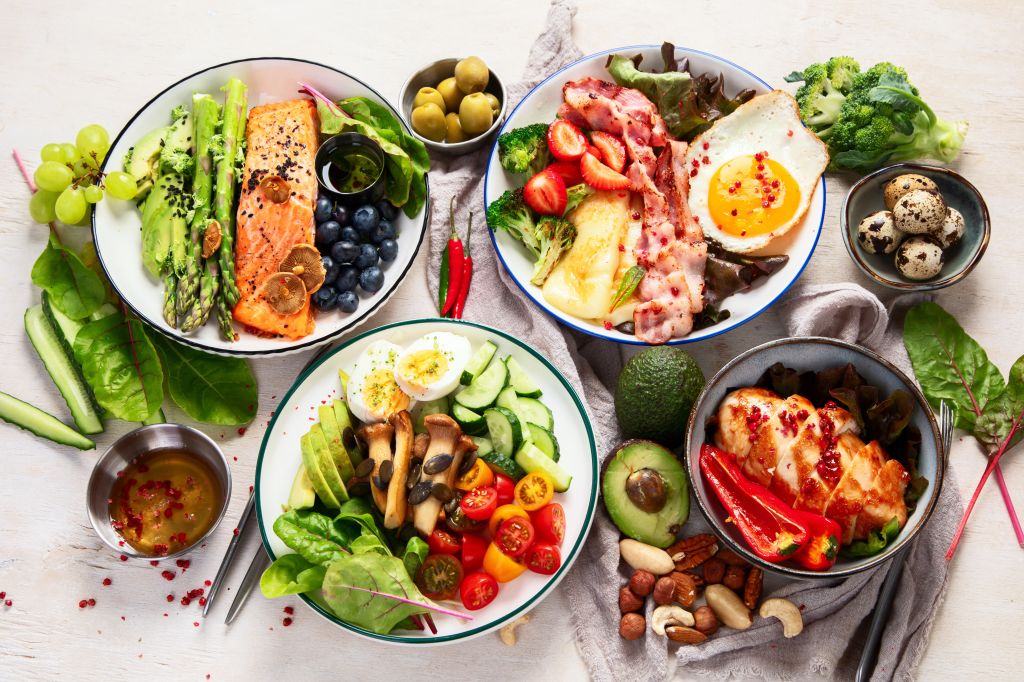
Healthier alternatives to highly processed foods
Choosing foods with recognizable ingredients and minimal formulation can make it easier to know exactly what you’re eating and where your carbs are coming from.
Instead of relying on packaged convenience foods, consider options such as:
- Hard-boiled eggs
- Raw nuts and seeds
- Plain Greek yogurt
- Fresh berries
- Unsweetened nut butter
- Fresh vegetables
- Organic dark chocolate with at least 70 percent cocoa
Key takeaways
- Hidden starches are often added to packaged foods under names like modified food starch, maltodextrin, potato starch, or tapioca starch.
- Foods containing added starches can contribute to higher carb intake and are often found in products such as sauces, dressings, and deli meats.
- Choosing whole foods and preparing meals at home can reduce reliance on highly processed products that frequently contain starch-based additives.
FAQ
- 1. How do you check for the presence of starch in a food product?
- 2. What are the processed foods you should never buy?
- 3. What are some common hidden carbs?


